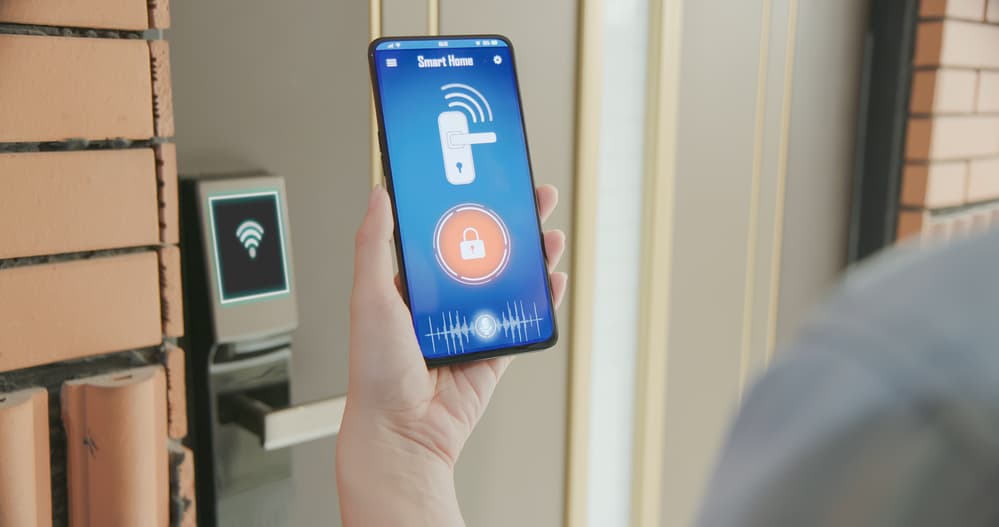
The Magic Moment When Your House Actually Listens
You walk into your living room with grocery bags hanging from both arms, kids screaming in the background, and your phone buzzing nonstop. Your hands are completely full. But instead of fumbling for light switches or struggling with door handles, you simply say “lights on” and wave your hand toward the thermostat. Everything responds instantly.
Welcome to 2025, where your home isn’t just smart anymore. It’s basically psychic.
Voice activated smart homes combined with gesture control have officially arrived, and they’re changing everything about how we live. No more searching for remotes in couch cushions. No more getting up to adjust the temperature. Your home now understands what you say and reads what you do. It’s like having a personal assistant built into your walls, except this one never takes vacations or forgets your coffee preferences.
The revolution isn’t coming. It’s already here, sitting in living rooms across the globe, waiting for someone to wave hello.
Why Everyone’s Obsessed With Talking to Their Walls
Let’s be real. Five years ago, talking to your house seemed weird. People thought you were losing it if you asked thin air to play music. Fast forward to today, and not having a voice activated home feels almost outdated.
The numbers tell the whole story. Over 320 million households worldwide now use smart home devices with voice control. That’s not a small club anymore. That’s a movement. And when you throw gesture control into the mix, things get seriously next level.
But why the sudden obsession? Simple. Life got busier, technology got smarter, and nobody wants to waste time on tasks that could happen automatically. Plus, there’s something undeniably cool about controlling your entire house with just your voice and a casual hand wave. It feels like living in a science fiction movie, except you don’t need a Hollywood budget to make it happen.
The Tech Behind the Magic Isn’t Actually Magic
Here’s where things get interesting. Voice activated systems work through something called natural language processing. Basically, your devices listen to what you say, break down the words, figure out what you mean, and then do it. Companies like Amazon, Google, and Apple have spent years teaching their assistants to understand different accents, slang, and even mumbling at 6 AM before coffee.
The gesture control part uses sensors and cameras that track your movements. These systems recognize specific hand signals and body positions. Wave left, swipe right, point up, circle clockwise. Each gesture tells your devices to perform different actions. Some systems use infrared sensors, others rely on radar technology, and the fanciest ones combine multiple methods for crazy accurate detection.
The two technologies working together create something genuinely revolutionary. Your voice handles the complex commands while gestures manage the quick adjustments. Need to turn off all lights before bed? Say it. Want to dim just the kitchen lights while cooking? Wave your hand down. The combination gives you control that feels completely natural.
Real Life Stories That’ll Make You Want This Yesterday
Sarah from Portland discovered voice and gesture control after surgery left her with limited mobility. She couldn’t easily reach switches or press buttons, but she could talk and move her hands slightly. Her smart home became her independence. Lights, locks, curtains, entertainment system. Everything responded to her voice and small gestures. What could have been a frustrating recovery became manageable because her house adapted to her needs.
Then there’s the Chen family in Singapore. Both parents work long hours, and their three kids are always home after school. They installed a voice activated system that lets the kids control lights, music, and temperature without touching anything. Mom and dad can check in remotely, adjust settings, and even communicate through smart speakers. The gesture controls help their youngest, who’s still learning to pronounce words clearly, participate fully in managing their home.
These aren’t isolated cases. Millions of people are finding that voice and gesture control solve real problems. Elderly folks aging in place gain independence. Parents with their hands full can multitask better. People with disabilities find new ways to interact with their environment. The technology isn’t just convenient. For many, it’s life changing.
Setting Up Your Voice Activated Gesture Controlled Paradise
Getting started isn’t as complicated as you might think. Most people begin with a smart speaker or display. Amazon Echo, Google Nest, Apple HomePod. Pick your favorite ecosystem and go from there. These hubs become the brain of your operation, connecting to other devices and responding to voice commands.
Next comes the fun part. Adding compatible devices. Smart bulbs from Philips Hue or LIFX let you control lighting with voice and sometimes color changes with gestures. Smart thermostats like Nest or Ecobee adjust temperature on command. Smart locks, cameras, plugs, switches. The options are endless, and most work together surprisingly well.
For gesture control, you have several paths. Some smart displays have built in cameras that recognize hand movements. Dedicated gesture control devices like Walabot or Myo armbands add another layer. Even gaming systems like Xbox Kinect can integrate into smart home setups for gesture recognition.
The key is starting small. Get your lighting and one or two other systems working first. Learn the voice commands, practice the gestures, and gradually expand. Trying to automate everything at once usually leads to frustration and a pile of gadgets you don’t know how to use.
Share this with a friend who’s still manually flipping light switches like it’s 1995.
Commands That Actually Work and Won’t Make You Sound Ridiculous
Voice commands work best when they’re natural and specific. Instead of saying “Hey Google, can you please turn on the light in the living room if it’s not too much trouble,” just say “turn on living room light.” Shorter works better.
Here are commands that get used constantly in voice activated homes:
“Good morning” triggers routines that turn on lights, start coffee makers, read news briefings, and adjust thermostats. “Movie time” dims lights, closes curtains, and fires up the entertainment system. “I’m leaving” locks doors, turns off lights, and sets security systems. “Goodnight” handles bedtime routines across the entire house.
For gesture control, consistency matters more than complexity. A simple downward hand motion for dimming lights becomes second nature fast. Swiping left or right to change music tracks feels intuitive. Pointing at specific areas to control them makes spatial sense.
Some systems let you create custom gestures. Want to tap your head twice to turn off all lights? You can program that. Prefer a peace sign to activate party mode? Go for it. The flexibility means your smart home adapts to how you naturally move and communicate.
The Surprising Benefits Nobody Talks About
Beyond the obvious convenience, voice and gesture controlled homes deliver unexpected advantages. Energy savings top the list. When lights turn off automatically or adjust based on occupancy, electricity bills drop. Smart thermostats learn your schedule and optimize heating and cooling, cutting costs by 20 to 30 percent on average.
Security gets a major boost too. Voice activated locks mean no more hiding keys under doormats. Gesture controlled cameras let you check on your home without pulling out your phone. Integration with security systems creates layers of protection that respond instantly to voice commands during emergencies.
Accessibility changes lives. People with arthritis, limited vision, or mobility challenges gain control over their environment without physical strain. Kids learn responsibility by managing home systems with voice commands. Elderly family members stay independent longer because their homes work with them instead of against them.
The health angle surprises people. Touchless control reduces germ spread, which became huge during recent years. No light switches, no door handles, no shared remotes. Everyone in the house stays healthier when fewer surfaces need touching.
When Things Go Hilariously Wrong
Not everything works perfectly all the time, and that’s part of the charm. Voice assistants mishear commands in ways that range from annoying to hilarious. Ask for “jazz music” and sometimes you get “jazzercise videos.” Request “dim the lights” and occasionally everything turns off completely.
Gesture controls have their moments too. Scratch your head wrong and suddenly your living room looks like a disco. Wave goodbye to a friend and watch your garage door start opening for no reason. One user reported that their enthusiastic Italian hand talking during phone calls kept triggering random smart home commands.
Accents and dialects sometimes confuse voice systems. Regional pronunciations of words like “garage” or “route” can cause issues. Background noise from TV, music, or conversations occasionally triggers unintended actions. And don’t even get started on what happens when kids discover they can control things with their voices.
The good news? Systems learn and improve constantly. Software updates fix misunderstanding issues. You can train assistants to recognize your specific voice patterns. And honestly, the occasional mishap makes for great stories at dinner parties.
Privacy Concerns That Deserve Straight Answers
Let’s address the elephant in the room. Yes, devices with microphones and cameras in your home raise privacy questions. These are valid concerns that deserve honest discussion.
Voice assistants listen for wake words but aren’t supposed to record or transmit everything constantly. Most companies let you review and delete voice recordings. You can mute microphones physically on most devices. Some systems offer local processing instead of cloud based, keeping data on your network.
Gesture control cameras worry people too. The solution? Buy systems that let you control when cameras are active. Cover them when not in use. Choose devices that clearly indicate recording status with lights. Read privacy policies before buying, even though nobody enjoys that task.
Security measures help protect your smart home. Strong WiFi passwords, two factor authentication, regular software updates. These basics prevent most security issues. Don’t use default passwords on devices. Keep your network secure. Consider a separate network just for smart home gadgets.
The reality is that every technology involves trade offs between convenience and privacy. Smart homes give you amazing control but require some trust in the systems and companies behind them. Make informed choices based on your comfort level.
Don’t miss out. Try setting up one voice activated room before everyone you know does.
The Future Is Weirder and Cooler Than You Think
Where’s this technology heading? Buckle up, because the next few years look wild.
AI integration is making smart homes genuinely intelligent. Instead of following programmed routines, homes will predict what you need before you ask. Machine learning algorithms study your patterns and adjust everything proactively. Wake up earlier than usual? Your home notices and starts morning routines ahead of schedule.
Emotional recognition is coming. Future gesture control won’t just see your movements but read your body language and facial expressions. Stressed? Your home might automatically dim lights and play calming music. Excited? Party mode activates without asking.
Holographic interfaces will replace screens in some smart home setups. Wave your hand and a glowing control panel appears in thin air. Gesture through menus that float in your living room. Science fiction is becoming regular home decor.
Brain computer interfaces are in early development. Companies are testing systems that read neural signals, letting you control your home with thoughts. Wave goodbye to both voice and gesture control. Just think “lights off” and it happens. This technology is probably 10 years away from mainstream adoption, but the foundations exist now.
Cross device integration is getting seamless. Your smartwatch, phone, car, and home will communicate constantly. Leave work and your house starts preparing for your arrival. Get into bed wearing your fitness tracker and bedroom devices automatically adjust for optimal sleep.
Comparing Old School Homes to Smart Ones
The difference between traditional homes and voice gesture controlled ones is staggering. Old way means getting up constantly. Every adjustment requires physical action. Want to change anything? Walk over and do it manually.
Smart homes eliminate unnecessary movement. Comfort levels adjust constantly without intervention. Forgot to lock the door? Fix it with a voice command from anywhere. Traditional homes waste energy because humans forget to turn things off. Smart homes optimize constantly.
The time savings add up quickly. Estimates suggest smart home users save 20 to 30 minutes daily on home management tasks. That’s over 150 hours per year. What would you do with an extra week of free time?
Cost comparisons favor smart homes long term. Initial setup requires investment, usually $500 to $2000 for a solid system. But energy savings, increased home value, and reduced maintenance costs make up the difference within a few years. Plus, the convenience and quality of life improvements have value that’s hard to measure in dollars.
The Devices Worth Actually Buying Right Now
Smart speakers with displays offer the best value for starting out. Amazon Echo Show or Google Nest Hub give you voice control and visual feedback. Prices range from $80 to $230 depending on screen size.
Smart lighting kits like Philips Hue Starter Pack cost around $180 and control multiple bulbs with voice and gestures. The color changing options add fun without much extra cost.
For gesture control specifically, Walabot HOME monitors for falls and recognizes gestures for around $250. It’s particularly useful for elderly family members. Skylight gestures sensors cost about $200 and integrate with most smart home platforms.
Smart thermostats from Nest or Ecobee run $180 to $250 but pay for themselves through energy savings. Voice control makes temperature adjustments effortless.
Budget conscious? Start with smart plugs at $10 to $25 each. Plug regular devices into them and suddenly they respond to voice commands. It’s the cheapest way to make existing stuff smart.
Tricks and Hacks That Make You Look Like a Tech Wizard
Routines are where smart homes really shine. Create a “dinner party” routine that dims dining room lights, plays jazz music, adjusts temperature, and even changes smart bulb colors to warm tones. Trigger everything with one voice command.
IFTTT (If This Then That) connects devices that normally don’t talk to each other. Make your smart lights flash when your doorbell rings. Have your coffee maker start when your morning alarm goes off. The possibilities are endless and setup takes minutes.
Voice shortcuts save time on complex commands. Instead of saying “set living room lights to 50 percent brightness and change color to blue,” program a shortcut called “movie mode” that does it all.
For gesture control, assign specific movements to your most used actions. A circular motion could lock all doors. Pointing up might open curtains. Your most frequent tasks should have the easiest gestures.
Multi user profiles let your smart home recognize different voices and respond accordingly. Your “good morning” routine differs from your partner’s or kids’. Everyone gets personalized experiences automatically.
Making It All Work Together Without Losing Your Mind
Integration is the biggest challenge with smart homes. Different brands use different protocols. Zigbee, Z Wave, WiFi, Bluetooth, Thread. It’s alphabet soup for wireless standards.
The solution? Choose one main ecosystem and stick with it mostly. Go heavy on Google, Amazon, or Apple products since they work together smoothly. Then carefully add other brands that confirm compatibility.
Smart home hubs like Samsung SmartThings or Hubitat unite devices from various brands. They cost $70 to $200 but eliminate compatibility headaches. Think of them as translators that help all your gadgets communicate.
Matter is the new universal standard that launched recently. Devices with Matter certification work across all major platforms. Look for the Matter logo when buying new gadgets. It’s the closest thing to a guarantee that everything will play nice together.
When something doesn’t work, the issue is usually WiFi related. Smart homes need strong reliable internet. Consider mesh WiFi systems if your signal struggles. Most problems disappear with better connectivity.
Share this article with someone who complains their home is too complicated.
The Environmental Impact Nobody Expects
Smart homes help the planet more than most people realize. Automated energy management reduces carbon footprints significantly. Lights turn off in empty rooms. Heating and cooling optimize based on occupancy. Water usage drops with smart irrigation and leak detection.
Studies show smart thermostats alone reduce household emissions by 15 percent on average. Multiply that across millions of homes and the impact becomes massive. Smart homes aren’t just convenient. They’re a tool for fighting climate change.
Manufacturing these devices does have environmental costs. Electronics require materials and energy to produce. However, the operational savings over device lifetimes offset production impact. A smart thermostat that lasts 10 years while cutting energy use by 25 percent makes environmental sense.
Some companies are prioritizing sustainable manufacturing. Look for brands using recycled materials, offering repair programs, and designing for longevity. Your purchasing choices push the industry toward greener practices.
What About People Who Aren’t Tech Savvy
The biggest misconception is that smart homes require tech expertise. They don’t. Most devices now feature guided setup that walks you through every step. If you can use a smartphone, you can configure a smart home.
Many companies offer professional installation. For $100 to $300, technicians set everything up and teach you how to use it. That’s money well spent for anyone who feels overwhelmed by technology.
Voice control especially benefits people uncomfortable with tech. Speaking feels natural. Remembering gestures is intuitive. There’s no complicated interface to learn. Just talk to your house like you’d talk to anyone.
Start with one room and one function. Master voice controlled lighting in your bedroom before expanding elsewhere. Confidence builds quickly when you’re not trying to learn everything simultaneously.
Family members can help each other. Tech savvy kids often enjoy setting up smart home devices and teaching adults. It becomes a bonding activity instead of a frustration.
Mistakes Everyone Makes When Starting Out
Buying too much too fast tops the list. The excitement of smart homes leads people to purchase dozens of devices before understanding how anything works. Start small, learn the basics, then expand deliberately.
Ignoring compatibility is another classic error. That super cheap smart bulb seems like a deal until you discover it doesn’t work with your voice assistant. Always check compatibility before buying.
Weak passwords create security vulnerabilities. Using “password123” or your birth year makes hacking easy. Unique strong passwords for each device and your WiFi network are essential.
Not updating software leaves systems vulnerable and buggy. Enable automatic updates whenever possible. Manual updates take 5 minutes and prevent most problems.
Expecting perfection leads to disappointment. Voice assistants mishear occasionally. Gesture controls don’t always register. Technology improves constantly but won’t be flawless. Set realistic expectations and enjoy the 95 percent of times things work great.
Forgetting about placement matters more than people think. WiFi signal strength affects reliability. Putting smart devices in dead zones guarantees frustration. Map your WiFi coverage before deciding where to install gadgets.
The Cost Breakdown That Makes Sense
Smart home expenses vary wildly based on goals. A basic voice controlled setup costs $200 to $500. This includes a smart speaker, some bulbs, a few plugs, and maybe a smart thermostat.
Mid range systems run $1000 to $2500. Add smart locks, security cameras, motorized curtains, and more comprehensive lighting. This level gives you serious control over most home functions.
High end installations reach $5000 to $15000 or more. Whole house integration, gesture control systems, custom programming, professional installation. These homes respond to your every move and word throughout every room.
Monthly costs are minimal. Most smart devices don’t require subscriptions. Cloud storage for security cameras costs $3 to $10 monthly if you want it. Some advanced features require small monthly fees, but basic functionality is usually free.
Energy savings offset costs over time. Users report saving $10 to $50 monthly on utilities. A $1500 smart home investment might pay for itself within 3 to 5 years through reduced bills alone.
Resale value increases with smart home features. Homes with integrated smart systems sell faster and for 3 to 5 percent more on average. It’s an investment in comfort that also boosts property value.
Living the Voice Activated Life Daily
Morning routines transform completely. Instead of stumbling around in darkness, say “good morning” and watch your home come alive. Lights brighten gradually. Coffee starts brewing. News briefing plays. Thermostat adjusts. You’re fully functional before even leaving bed.
Cooking becomes easier when hands are busy. Voice commands manage timers, adjust lighting, play recipes, and control music. Gesture controls let you answer calls or skip songs without touching anything with messy hands.
Evening wind down routines prepare you for sleep. One command dims all lights, locks doors, sets the alarm system, and adjusts bedroom temperature. Gesture controlled curtains close while you’re getting ready for bed.
Entertainment reaches new levels. Voice commands launch specific shows, adjust volume, and control playback. Gesture controls let you pause, rewind, or change content with simple hand movements from the couch.
Security and monitoring happen passively. Voice check ins on cameras show what’s happening outside. Gesture activated recording captures important moments. Everything integrates smoothly into daily life without requiring constant attention.
Try this before everyone else catches on and it becomes the boring normal.
The Social Aspect of Smart Homes
Smart homes change how people interact with guests. Showing off voice and gesture control becomes entertainment. Visitors are always impressed watching lights respond to waves or voice commands adjusting entire rooms.
Parties get better with smart home integration. Music follows you room to room. Lighting changes based on atmosphere. Temperature stays comfortable automatically. You focus on guests instead of managing home functions.
Kids grow up expecting homes to respond to them. The next generation won’t remember life before voice control. Their normal includes talking to houses and gesturing at lights.
Social challenges exist too. Guests sometimes trigger devices accidentally. Explaining how your gesture controls work gets repetitive. Some visitors feel uncomfortable with cameras and microphones around.
Setting boundaries helps. Disable certain features during gatherings if needed. Explain privacy measures to concerned guests. Create “guest mode” settings that limit what visitors can control.
Where Voice and Gesture Control Falls Short
Voice commands fail in noisy environments. Parties, crying babies, loud TV. Your assistant can’t hear you over chaos. Gesture control shines in these situations since visual recognition works regardless of sound.
Privacy concerns don’t disappear. Some people never feel comfortable with always listening devices. That’s valid. Smart homes aren’t for everyone, and that’s okay.
Language barriers create issues. Most voice assistants work best in English and a few other major languages. Accent recognition improved dramatically but isn’t perfect. Non native speakers sometimes struggle with voice control effectiveness.
Gesture controls have line of sight limitations. Sensors need to see you. Walls block signals. You can’t control your bedroom from the kitchen with gestures like you can with voice.
Initial setup frustrates less technical users. Despite improvements, connecting devices and configuring settings takes time and patience. Not everyone wants to invest that effort.
Cost remains a barrier for many. While prices dropped significantly, full smart home systems still require substantial investment. Budget conscious families may prioritize other expenses.
Making Your Smart Home Feel Like Home
Personalization transforms smart homes from cool gadgets to essential life tools. Name your devices fun things. Instead of “Living Room Light 1,” call it “Chandelier” or “Reading Lamp.” Voice commands become more natural and entertaining.
Create routines matching your actual life. Don’t copy generic examples. Build commands that fit your schedule, preferences, and family dynamics. Your smart home should reflect your lifestyle.
Customize gestures to movements you already make naturally. If you always point up when talking about increasing something, use that gesture for brightness or volume. Work with your habits instead of against them.
Design lighting scenes for specific moods. Bright and energizing for mornings. Soft and warm for evenings. Color changes for parties or holidays. Your home should feel different based on what you’re doing.
Integrate personal touches that matter to you. Voice commands to play your kid’s favorite bedtime music. Gesture controls for your spouse’s preferred lighting. Smart homes work best when they’re built around the people living in them.
The Community That Makes Smart Homes Better
Online communities revolutionized smart home adoption. Reddit forums, Facebook groups, and Discord servers connect users worldwide. People share setup guides, troubleshooting tips, and creative automation ideas.
YouTube channels dedicate themselves to smart home content. Step by step tutorials, product reviews, comparison videos. Free education is everywhere for anyone willing to look.
Local smart home meetups happen in many cities. Enthusiasts gather to demonstrate setups, swap devices, and help newcomers. The community aspect makes adoption easier and more fun.
Developers create custom integrations that expand what’s possible. Home Assistant, OpenHAB, and similar platforms have passionate developer communities building new features constantly.
Being part of these communities accelerates your learning. Questions get answered quickly. Problems others solved become your solutions. The collective knowledge available online is incredible.
Your Home Is Ready to Listen and Watch
Voice activated smart homes with gesture control aren’t future technology anymore. They’re present reality changing how millions of people live daily. The convenience, efficiency, and accessibility transform houses into responsive environments that adapt to needs instantly.
Starting is easier than ever. Prices dropped. Setup simplified. Compatibility improved. The barriers that existed even two years ago mostly disappeared. Now it’s just a matter of deciding to take the first step.
The technology will keep improving. More devices, better recognition, smarter automation. Getting started now means you’ll grow with the technology instead of playing catch up later.
Your home could respond to your voice and gestures. Lights that obey. Temperature that adjusts. Security that activates. Entertainment that follows. All waiting for someone to program it and start talking.
The future of living is hands free, voice activated, and gesture controlled. It’s not perfect yet. But it’s here, it works, and it’s genuinely amazing once you experience it.
What are you waiting for? Your walls are ready to start listening.
Drop a comment below about what smart home feature you’d install first. Share this with someone still using regular light switches. Follow for more tech that’ll change how you live.