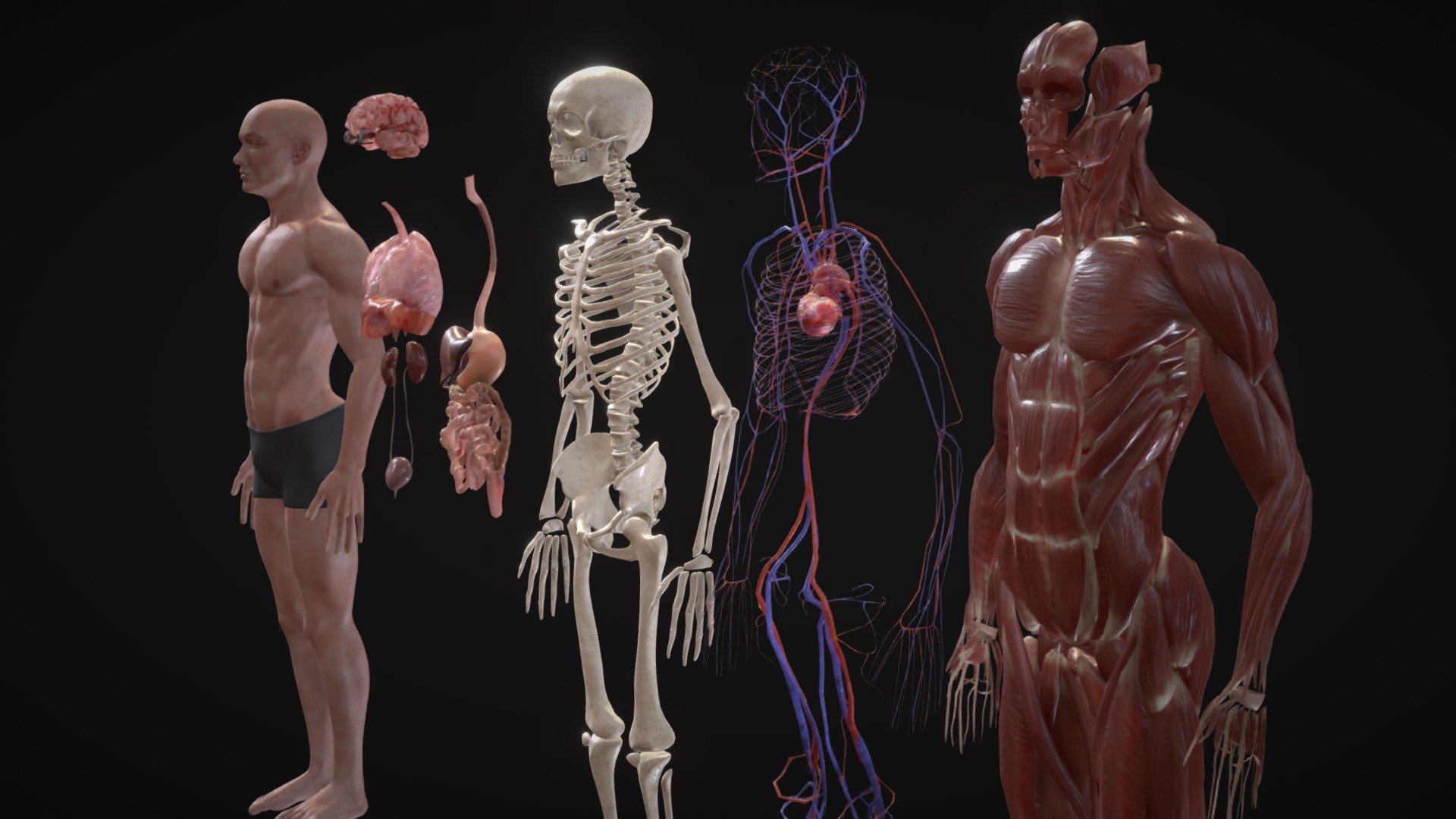
The Mirror That Knows You Better Than You Know Yourself
Imagine standing in front of a mirror that doesn’t just show your reflection. It shows your heart beating in real time. It predicts when you might get sick next month. It tells you exactly which workout will transform your body fastest. Sounds like science fiction? Welcome to 2025 where digital twin hardware is turning your physical body into a virtual masterpiece that doctors and scientists can study without ever touching you.
This isn’t some distant future tech. It’s happening right now in hospitals across the world. Athletes are using it to shave seconds off their race times. Surgeons are practicing complex operations on your virtual double before making a single cut. And the hardware making all this possible? It’s getting smaller, smarter and way more accessible than you’d think.
What Exactly Is a Digital Twin of Your Body?
Let’s break this down without the tech jargon. A digital twin is basically a virtual copy of your physical body that exists in a computer. But this isn’t like creating a character in a video game. This twin breathes when you breathe. Its heart rate matches yours. When you eat pizza at midnight, your digital twin processes that same slice.
The hardware collecting all this data includes sensors you wear on your skin, cameras that scan your body in 3D, and even tiny chips that can monitor what’s happening inside your organs. These devices talk to powerful computers that build and update your virtual self constantly. Think of it as your body having its own Instagram account but instead of posting selfies, it’s sharing thousands of data points every second about your health.
The coolest part? Your digital twin can time travel. Doctors can rewind to see what your body looked like last year or fast forward to predict health issues before they happen. It’s like having a crystal ball made of algorithms and sensor data.
The Hardware That Makes Magic Happen
Creating a virtual version of something as complicated as the human body requires some seriously impressive gadgets. Here’s what’s powering this revolution.
Wearable Biosensors
These aren’t your basic fitness trackers. Modern biosensors can monitor everything from blood oxygen levels to glucose fluctuations to how well your liver is functioning. They stick to your skin like temporary tattoos but pack more computing power than early smartphones.
Companies are developing sensors thin enough to apply like a band aid. Some versions can stay on for weeks, continuously feeding data to your digital twin. The newest prototypes can even detect chemical changes in your sweat that signal stress, dehydration or early disease markers. One startup created a sensor smaller than a grain of rice that monitors inflammation levels by analyzing skin temperature patterns.
Full Body 3D Scanners
Remember those airport security scanners? The medical versions are like that but on steroids. These machines create incredibly detailed maps of your body’s shape, organ positions and even blood vessel networks. The latest scanners can capture millions of measurement points in under 30 seconds.
What makes them special for digital twins is their ability to track changes over time. Got a workout plan? Your scanner shows exactly how your muscle mass is shifting week by week. Recovering from injury? The system measures healing progress with millimeter precision. Some hospitals now have scanners that patients walk through monthly, building a timeline of their physical evolution.
Implantable Microdevices
This is where things get really futuristic. Tiny devices smaller than a pill can be placed inside your body to monitor specific organs. Heart patients might have sensors tracking blood flow through their arteries. Diabetes patients could have glucose monitors embedded under their skin that never need charging.
These implants communicate wirelessly with external receivers, updating your digital twin with internal data that used to require invasive procedures to collect. One breakthrough device monitors kidney function by measuring specific proteins in blood plasma. Another tracks bone density in real time for osteoporosis patients. The sensors run on energy harvested from your body’s own movements or even your heartbeat.
Smart Clothing Integration
Your clothes are becoming data collectors. Fabrics embedded with conductive threads can measure muscle activity, breathing patterns and posture throughout your day. Sports bras that track heart rhythms. Socks that analyze your running gait. Shirts that monitor lung capacity during exercise.
The advantage over wearables? You can’t forget to put on your shirt. The sensors are invisible, comfortable and collecting data 24/7 without you thinking about it. Professional athletes already use these garments to optimize training. Now they’re becoming available for everyday fitness enthusiasts who want their digital twin to have the complete picture.
Medical Imaging Hardware
MRI machines, CT scanners and ultrasound devices are getting digital twin upgrades. Instead of just taking snapshots, they’re contributing to living, breathing virtual models. New portable ultrasound devices the size of a smartphone can scan organs on the go, feeding fresh data to your twin.
The real innovation is in AI powered imaging that can predict how tissues will change based on current scans. Your digital twin doesn’t just show your organs as they are today. It models how they’ll respond to different treatments, lifestyle changes or the natural aging process.
Why Your Virtual Double Matters
You might be thinking “Cool tech, but what’s in it for me?” Turns out, quite a lot.
Personalized Medicine Gets Personal
Generic treatment plans are becoming obsolete. With a digital twin, doctors can test medications virtually before prescribing them to you physically. They simulate how your specific body chemistry will react to different drugs, doses and combinations.
One cancer treatment center used digital twins to reduce chemotherapy side effects by 40%. They tested various drug cocktails on patients’ virtual bodies first, finding the most effective option with the least harm. A heart disease clinic decreased medication trial and error periods from months to weeks by running virtual experiments on patient twins.
This means fewer bad reactions, faster recovery times and treatments designed for YOUR body, not an average patient that doesn’t really exist.
Surgery Practice Makes Perfect
Surgeons are practicing on your digital twin before ever entering the operating room. They can rehearse complex procedures, test different approaches and identify potential complications in the virtual world where mistakes don’t matter.
A hospital in Singapore reported that surgeons using digital twin simulations reduced operation times by 30% and had significantly fewer unexpected complications. They knew exactly what they’d encounter because they’d already done the surgery once on the patient’s virtual body.
Imagine going into surgery knowing your doctor has already successfully completed your exact procedure three times yesterday. That’s the confidence digital twins provide.
Fitness and Performance Optimization
Athletes and fitness lovers are using digital twins to unlock peak performance. Your virtual body shows which muscles need strengthening, which movements risk injury and which training programs will deliver results fastest for YOUR unique physiology.
An Olympic runner used her digital twin to adjust her stride length by mere millimeters, shaving 0.3 seconds off her 100 meter time. A bodybuilder optimized his nutrition timing using data from his virtual metabolism model. Weekend warriors are preventing injuries by having their digital twins analyze workout form in real time.
Share this with your gym buddy who’s always trying new workout trends without results. Their digital twin might have the answers they’ve been searching for.
Early Disease Detection
Here’s where digital twins become literal lifesavers. By constantly comparing your current state to your normal baseline, the system can spot tiny changes that signal disease before symptoms appear.
A woman’s digital twin detected irregular cell growth patterns in her breast tissue nine months before a tumor would have been visible on traditional mammography. A man’s twin identified early kidney dysfunction from subtle changes in his blood chemistry, preventing full blown kidney disease.
The hardware monitoring you 24/7 catches the whispers of illness before they become screams. That early warning can mean the difference between simple treatment and serious intervention.
The Tech Stack Behind Your Virtual You
Let’s get into the nuts and bolts without making your brain hurt. Creating and maintaining a digital twin requires several layers of technology working together.
Data Collection Layer
This is where all the hardware we discussed earlier comes in. Sensors, scanners, imaging devices and wearables constantly gather information about your body. The newest systems collect over 100 different types of data simultaneously from heart rate variability to skin conductance to brain wave patterns during sleep.
The challenge isn’t collecting data anymore. It’s collecting the RIGHT data efficiently. Modern digital twin hardware uses smart filtering to focus on relevant information rather than drowning systems in noise. Your twin doesn’t need to know every single heartbeat but it does need to know when patterns change.
Processing and Integration Layer
Raw sensor data is messy and often contradictory. This layer uses AI and machine learning to clean up information, fill in gaps and reconcile readings from different sources. It’s like having a translator that speaks the language of every device monitoring you and combines their reports into one coherent story.
Cloud computing platforms handle the massive processing power required. Your phone or local computer couldn’t manage the calculations needed to maintain a real time virtual body. Instead, data streams to powerful servers that update your twin continuously.
Modeling and Simulation Layer
This is where your digital twin actually lives. Sophisticated software creates a 3D model of your body, complete with virtual organs that behave according to biological principles and physics. When new data arrives, the model updates to reflect your current state.
The modeling software doesn’t just display static information. It runs simulations predicting how your body will respond to different scenarios. What happens if you start taking vitamin D supplements? Your twin can show you. How will your muscles develop with a new training program? The simulation provides previews based on your physiology.
Visualization and Interface Layer
All this data and modeling means nothing if humans can’t understand it. The top layer presents your digital twin in ways doctors, patients and researchers can actually use. Interactive 3D visualizations let you explore your virtual body. Dashboards highlight important metrics. Alerts notify you when something needs attention.
The best interfaces make complexity simple. You don’t need a medical degree to understand that your twin is showing increased inflammation in your left knee or that your sleep quality has declined 15% over the past month.
Real Stories from Digital Twin Pioneers
Theory is great but let’s talk about real people whose lives changed because of this technology.
The Marathon Runner Who Avoided a Heart Attack
James was training for his first marathon at age 45. His digital twin, monitoring him through a combination of chest sensors and a smart watch, detected irregular electrical patterns in his heart during long runs. The patterns were too subtle for James to feel and wouldn’t have triggered concern during a standard checkup.
His doctor reviewed the digital twin data and ordered additional tests. They discovered a partially blocked artery that could have caused a heart attack during the marathon. After a simple procedure to clear the blockage, James completed his race six months later. His digital twin had literally saved his life by catching something no human would have noticed.
The Diabetic Who Ditched Daily Finger Pricks
Sarah had been managing Type 1 diabetes for 20 years with multiple daily blood sugar tests. When she joined a digital twin program, a tiny implanted sensor began monitoring her glucose levels continuously. Her virtual body tracked patterns showing exactly how different foods, stress levels and exercise affected her blood sugar.
The system learned her body’s unique responses and could predict blood sugar drops before they happened. Sarah’s diabetes management improved dramatically. Her A1C levels dropped to the best they’d been in a decade. More importantly, she stopped worrying constantly about her next test. The digital twin was watching for her.
The Cancer Patient Who Chose the Right Treatment
When doctors found lymphoma in David’s chest, they presented several treatment options with varying success rates and side effects. Rather than choosing blindly, David’s medical team created a digital twin and simulated each treatment protocol virtually.
The simulations showed that one specific chemotherapy combination would be most effective for his particular cancer genetics while causing the least damage to his healthy tissue. They were right. David went into remission after treatment and experienced fewer side effects than typical for his cancer type. The digital twin had guided them to the optimal path through a complex decision.
Don’t miss out on technology that could literally change your life or someone you love. The digital twin revolution isn’t coming. It’s already here.
The Hardware Is Getting Better Fast
If you think today’s digital twin technology is impressive, wait until you see what’s coming next year and beyond.
Nano Sensors That Dissolve
Researchers are developing sensors made from materials that dissolve safely in your body after collecting data. They could be injected, do their monitoring job for a few weeks then harmlessly break down and get flushed out naturally. No surgery needed for removal.
These nano sensors could monitor post surgical healing from the inside, track how well medications reach specific tissues or even deliver tiny doses of drugs to precise locations based on real time readings.
Non Invasive Brain Monitoring
Currently, detailed brain activity monitoring requires uncomfortable electrode caps or even implanted devices. New hardware uses advanced infrared imaging to track brain function through your skull. Your digital twin could include a fully functioning virtual brain that shows thought patterns, mood states and early signs of neurological conditions.
One prototype device looks like a sleek headband you’d wear during meditation. It maps brain activity with resolution approaching traditional medical equipment but you can wear it while going about your day.
Molecular Level Tracking
The next frontier is monitoring individual molecules in your bloodstream. Imagine sensors that detect cancer markers at concentrations of just a few molecules per milliliter. Your digital twin would spot disease at the absolute earliest possible moment.
Labs are testing devices that use quantum sensors to achieve this molecular precision. They’re still experimental but early results show detection capabilities that seemed impossible five years ago.
Environmental Integration
Future hardware won’t just monitor your body. It will track environmental factors affecting your health. Air quality sensors in your home, UV exposure monitors, even microbiome samplers that analyze bacteria on your skin. Your digital twin will model how your surroundings impact your wellbeing.
One company is developing a smart pillowcase that monitors sleep quality, skin health and even early respiratory infection signs by analyzing your breath and body temperature throughout the night. All that data flows to your digital twin automatically.
The Privacy Question Nobody Wants to Ask
Let’s address the elephant in the room. Having a digital copy of your body means someone somewhere has incredibly intimate data about you. Who owns that data? Who can access it? What happens if it gets hacked?
These are serious questions without perfect answers yet. Current regulations are struggling to keep pace with the technology. Most digital twin systems promise encryption and strict access controls but breaches happen. Medical data is valuable on black markets.
The good news? Awareness is growing. New laws are being written specifically for digital health data. Companies building digital twin hardware are investing heavily in security. Blockchain technology is being explored for giving patients direct control over their own health data.
The conversation is happening and that’s important. As users, staying informed and demanding strong privacy protections pushes the industry in the right direction. Your digital twin should work for you, not expose you to risk.
How Much Does This Future Cost?
Here’s the reality check. Cutting edge digital twin technology isn’t cheap yet. Comprehensive systems used in major medical centers can cost hundreds of thousands of dollars. But like all technology, prices are dropping fast.
Consumer level digital twin services are emerging at much more accessible price points. Some fitness oriented platforms offer basic digital twin features for under $50 per month. Medical grade systems for chronic disease management might run a few hundred monthly but are increasingly covered by insurance as their effectiveness gets proven.
The hardware itself varies wildly. A professional 3D body scanner costs tens of thousands of dollars but you don’t buy one yourself. You visit a facility that has it. Wearable sensors range from under $100 for fitness trackers with basic twin integration to a few thousand for medical grade devices.
Several startups are working on budget friendly versions specifically designed for wider accessibility. Within five years, expect decent digital twin capabilities to cost about as much as a gym membership. The technology democratization is happening.
Getting Started with Your Own Digital Twin
Curious about creating your virtual self? Here’s how people are actually doing it today.
Check with Your Healthcare Provider
Many progressive medical centers and clinics now offer digital twin programs, especially for patients managing chronic conditions. Ask your doctor if they work with any digital twin platforms. You might be surprised to learn you already have access through your existing healthcare.
Explore Consumer Platforms
Several apps and services offer simplified digital twin experiences. They might not have all the medical grade features but they provide a taste of the technology. Apps like Humanoo, Twin Health and others are building accessible platforms focused on wellness and prevention.
Start with Quality Wearables
Even basic fitness trackers are contributing to digital twin ecosystems. The latest Apple Watch, Fitbit Sense or Oura Ring collect data that feeds into twin models. It’s not a complete body simulation but it’s a start. As the ecosystem grows, your existing devices will gain new capabilities through software updates.
Join Research Programs
Universities and medical research centers often need participants for digital twin studies. You might get access to cutting edge technology for free or reduced cost in exchange for contributing your anonymized data to research. Check ClinicalTrials.gov for programs in your area.
Industries Being Transformed Beyond Healthcare
While medicine grabs the headlines, digital twin body hardware is disrupting other fields too.
Fashion and Retail
Online clothing shopping could get way better. Instead of guessing sizes, stores would have your exact digital twin measurements. Virtual try ons would show precisely how clothes fit your unique body shape. No more returns because something didn’t fit right.
Several fashion brands are testing digital twin dressing rooms. You scan yourself once, then try on entire collections virtually with perfect accuracy. The same technology helps clothing companies design better products for real human body diversity.
Insurance and Actuarial Science
Life and health insurance companies are cautiously exploring digital twins for risk assessment. A detailed health model could provide more accurate pricing than traditional actuarial tables. The ethical implications are huge and regulations will need to evolve but the technology makes it possible.
Some progressive insurers already offer premium discounts for customers who share digital twin data showing healthy lifestyles. It’s controversial but growing.
Entertainment and Gaming
Imagine video game characters that move exactly like you do because they’re based on your digital twin. Motion capture could become as simple as wearing a sensor suit for an hour. Virtual reality experiences that respond to your actual physical capabilities.
The entertainment industry is just beginning to explore these possibilities. Early experiments show promise for creating deeply personalized content that adapts to individual bodies and movement patterns.
Sports and Athletics
Professional sports teams invest millions in digital twin technology for player optimization and injury prevention. The hardware tracking elite athletes is the most advanced available. What they use today becomes consumer products tomorrow.
Amateur sports leagues are starting to adopt simplified versions. Youth sports programs use digital twins to ensure young athletes develop proper techniques without overtraining. The trickle down effect is making everyone’s athletic experience better and safer.
Share this article with anyone who thinks the future of technology is boring. The digital twin revolution proves we’re living in the most exciting era of human innovation ever.
The Ethical Maze We’re Navigating
New technology always brings new ethical questions. Digital twins are no exception and some of these questions don’t have easy answers.
Who Decides How Your Twin Is Used?
If your doctor creates a digital twin for treatment, can they use it for research without asking? Can pharmaceutical companies test drugs on populations of digital twins? The legal frameworks are still being built.
Most experts agree patients should maintain control over their digital twins. But what about after you die? Can your twin continue existing for medical education or research? These questions matter and deserve thoughtful discussion.
Genetic Information and Discrimination
Digital twins will eventually incorporate genetic data for more accurate predictions. This raises discrimination concerns. Could employers access your twin to evaluate health risks before hiring? Could dating apps use twins to match genetic compatibility?
Regulations like GINA (Genetic Information Nondiscrimination Act) provide some protection but they were written before digital twins existed. Updates are needed to address new realities.
The Perfection Trap
When you can see a virtual version of your ideal body, will it create unhealthy obsessions? Digital twins could become tools for positive change or weapons for body image issues. The difference lies in how the technology is presented and used.
Responsible developers are working with psychologists to ensure digital twin interfaces promote health rather than impossible standards. It’s an ongoing challenge that requires constant attention.
Building Your Body’s Digital Future Today
The hardware exists. The software is maturing. The question isn’t whether digital twins will become normal. It’s how quickly they’ll integrate into everyday life.
Early adopters are seeing real benefits right now. Better health outcomes, optimized fitness, early disease detection and personalized treatments. The technology isn’t perfect yet but it’s already valuable enough that millions are using various forms of it.
The next decade will bring refinements that make today’s systems look primitive. Sensors will shrink. Models will become more accurate. Integration with healthcare will deepen. Costs will drop. What seems futuristic today will be routine tomorrow.
Your body is incredibly complex and precious. Having a digital twin that helps you understand it better, keep it healthier and extend your quality of life isn’t science fiction anymore. It’s an emerging reality available to more people every month.
The Road Ahead Is Paved with Data
Digital twin hardware for virtual body simulations represents one of the most significant technological advances in human health and wellbeing. From wearable biosensors to implantable microdevices, from 3D scanners to smart fabrics, the tools creating our virtual doubles are becoming more sophisticated and accessible.
The applications extend far beyond medicine into fitness, fashion, sports and entertainment. The ethical questions are real and deserve serious consideration. The privacy concerns need addressing. But the potential benefits, from saving lives through early disease detection to optimizing human performance in ways never before possible, make this revolution worth pursuing thoughtfully.
Whether you’re fascinated by cutting edge technology, concerned about your health, curious about the future of medicine or just love knowing what’s coming next, digital twins deserve your attention. This isn’t hype. It’s hardware, software and biological science converging to create something genuinely transformative.
Your digital twin might already exist in some form. If not, it probably will within a few years. The question is whether you’ll embrace it as a tool for better living or watch from the sidelines while others benefit.
The future of your body is being written in code right now. Are you ready to meet your digital double?
Drop a comment below about how you’d use your digital twin. Share this with someone who needs to know this technology exists. Follow for more deep dives into tech that’s changing what it means to be human in 2025 and beyond. The conversation is just getting started and your voice matters in shaping how this incredible technology develops.