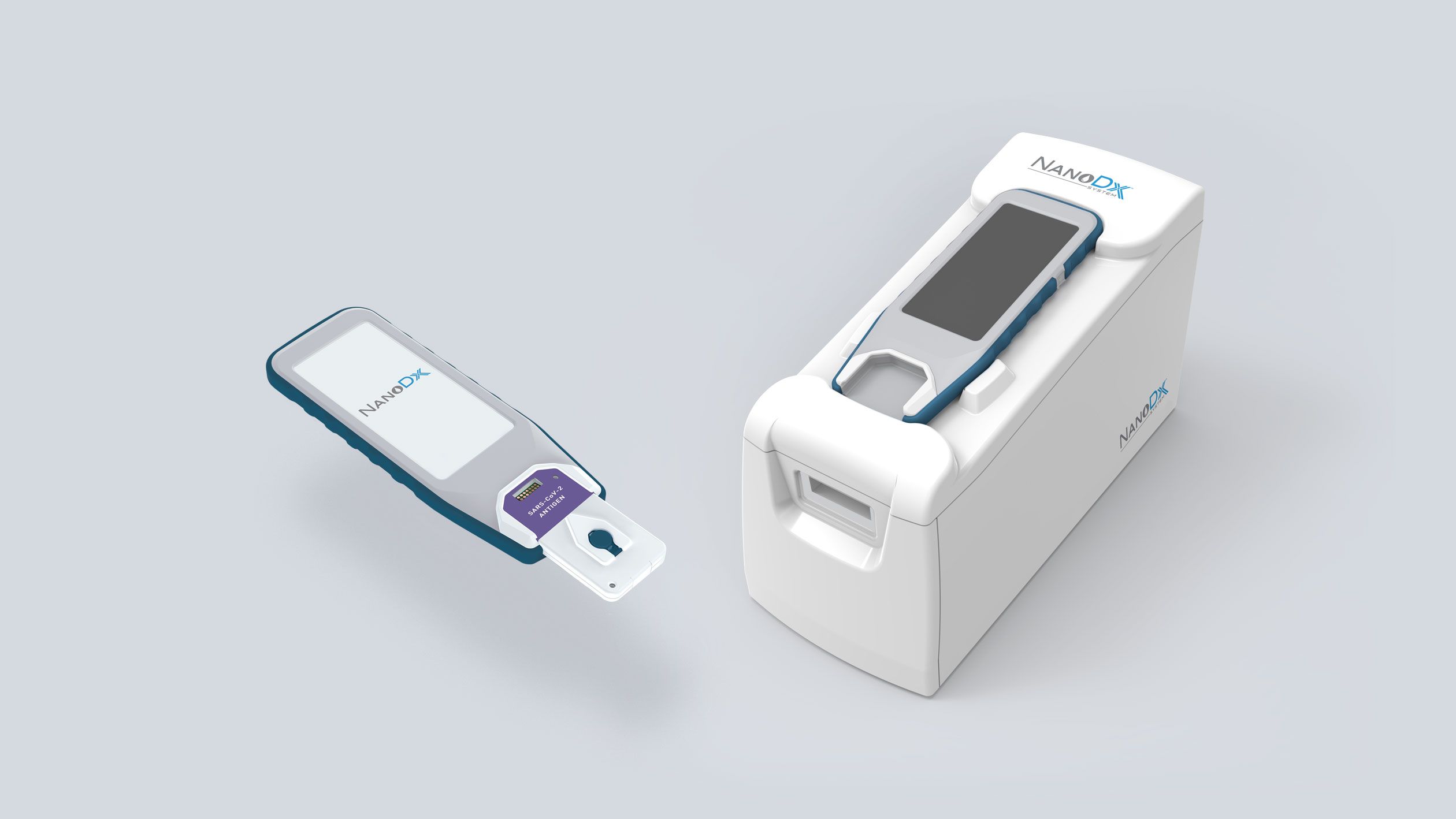
The Invisible Revolution Happening Inside Your Body Right Now
Imagine this. You wake up tomorrow feeling perfectly fine. You go about your day, grab your coffee, scroll through your phone, maybe hit the gym. Everything seems normal. But deep inside your bloodstream, something’s happening. Tiny sensors smaller than a grain of sand are detecting the earliest signs of a disease that won’t show symptoms for months.
Sounds like science fiction right? Well, it’s not.
Nanotechnology sensors are changing everything we thought we knew about catching diseases early. These microscopic warriors are swimming through bloodstreams right now, hunting for trouble before your body even knows something’s wrong. And the best part? This technology isn’t decades away. It’s happening today.
What Exactly Are These Tiny Tech Wonders?
Let’s break it down without the confusing science jargon.
Nanotechnology sensors are incredibly small devices, usually measuring between 1 to 100 nanometers. To put that in perspective, a human hair is about 80,000 nanometers wide. These sensors are so small that thousands of them could fit on the head of a pin. But don’t let their size fool you because they pack serious power.
These little guys work by floating through your bloodstream and looking for specific biomarkers. Biomarkers are basically signals that something’s going wrong in your body. Think of them as early warning signs. Could be proteins that appear when cancer starts growing. Or glucose levels that spike before diabetes becomes obvious. Or enzymes that leak when your heart is under stress.
The sensors detect these biomarkers and send signals to external devices. Your smartphone, a wearable patch, or even a specialized reader can pick up these signals. Then boom. You get real time data about what’s happening inside your body.
Why Should You Care About This Technology?
Here’s the thing that most people don’t realize. By the time you feel sick, your disease has often been developing for months or even years. Cancer cells multiply silently. Diabetes damages your organs gradually. Heart disease builds up slowly over time.
Traditional medical tests catch problems when they’re already pretty advanced. You go to the doctor because something feels off. They run tests. Sometimes it’s too late for the easiest treatments.
But nano sensors flip this script completely.
They catch the whispers before they become screams. They spot the tiny changes that regular blood tests would miss. And catching diseases early doesn’t just save lives. It makes treatment easier, less invasive, and way more affordable.
Share this article with someone who’s always worried about their health. They need to know about this.
The Cancer Game Changer
Cancer detection is where nano sensors are making the biggest splash right now.
Researchers at multiple universities have developed sensors that can detect cancer biomarkers at incredibly low concentrations. We’re talking about finding a single cancer cell among billions of healthy cells. It’s like finding one specific person in a crowd the size of China.
Here’s a mind blowing fact. Traditional cancer screening methods can only detect tumors after they’ve grown to about 10 million cells. But nano sensors can spot cancer when there are just a few hundred abnormal cells floating around. That’s catching it at stage zero, before it even becomes a real tumor.
Stanford University created gold nanoparticles that light up when they encounter cancer proteins. MIT developed carbon nanotube sensors that can detect lung cancer from a simple breath sample. And researchers in South Korea made nano sensors that can identify 17 different types of cancer from a single drop of blood.
The speed is incredible too. While traditional cancer tests might take days or weeks for results, nano sensors can give you answers in minutes or hours.
Diabetes Monitoring Gets A Serious Upgrade
If you know anyone with diabetes, you know the struggle. Finger pricks multiple times a day. Constant glucose monitoring. The worry about blood sugar levels spiking or dropping dangerously.
Nano sensors are about to make that ancient routine obsolete.
Scientists have created glucose sensing nanoparticles that live in your bloodstream permanently. They continuously monitor your blood sugar levels and send updates to your phone every few minutes. No more finger pricks. No more guessing. Just constant, accurate data.
But here’s where it gets really cool. These sensors don’t just report numbers. They can predict when your glucose is about to spike or crash before it happens. The technology analyzes patterns and gives you warnings so you can take action early.
One study showed that nano sensors detected dangerous glucose changes 30 minutes faster than traditional continuous glucose monitors. In diabetes management, 30 minutes can be the difference between feeling fine and passing out.
Heart Disease Detection That Actually Works
Heart attacks don’t just happen out of nowhere. Your heart usually sends warning signals for weeks or months before something catastrophic occurs.
The problem? Most people ignore subtle symptoms or don’t even notice them. And by the time chest pain becomes unbearable, significant damage has already happened.
Nano sensors can detect cardiac biomarkers that appear when your heart is under stress. Troponin levels rise when heart muscle gets damaged. BNP proteins increase when heart failure is developing. C reactive protein spikes when inflammation threatens your cardiovascular system.
These sensors monitor these markers 24/7. If levels start creeping up, you get an alert on your phone. You can see your doctor before any serious damage occurs. No more surprise heart attacks.
A research team in California developed nano sensors that detected heart attacks an average of 6 hours before symptoms became severe enough for patients to call for help. Six hours is enough time to prevent most heart attack deaths.
Don’t keep this information to yourself. Forward it to your parents or anyone over 50.
The Infectious Disease Early Warning System
Remember how COVID-19 spread like wildfire partly because people were contagious before they showed symptoms?
Nano sensors could have changed that game completely.
These tiny detectors can identify viral and bacterial infections at the very first moment pathogens enter your bloodstream. Before you cough. Before you run a fever. Before you feel tired.
Researchers have created sensors that detect influenza, HIV, hepatitis, and even COVID-19 variants within hours of infection. Some sensors can differentiate between similar viruses and tell you exactly what you’re dealing with.
Imagine wearing a simple patch that alerts you the moment you catch something contagious. You could isolate immediately, start treatment early, and avoid spreading illness to others. Pandemic management would transform overnight.
How Do These Sensors Actually Get Inside You?
You’re probably wondering about the logistics here. How do these sensors get into your bloodstream in the first place?
Several methods are currently being tested and used.
The simplest approach is injection. A doctor uses a regular needle to inject nano sensors into your bloodstream, similar to getting a vaccine. The sensors then circulate naturally with your blood flow.
Some researchers are developing sensors you can swallow. They pass through your digestive system and release into your bloodstream through your intestinal walls. You take them like a pill.
The most futuristic method involves wearable patches that slowly release nano sensors through your skin. You stick on a patch, wear it for a few days, and the sensors gradually migrate into your capillaries.
Most nano sensors are designed to be temporary. They do their job for a few days or weeks, then break down naturally and get filtered out by your kidneys and liver. Some advanced versions are being designed to last months or even years.
The Privacy Question Everyone’s Thinking About
Let’s address the elephant in the room. Having sensors in your bloodstream that constantly collect health data and transmit it wirelessly sounds a bit creepy right?
Valid concern.
The good news is that developers are building serious privacy protections into these systems. Most nano sensor data is encrypted and stored locally on your personal devices. You decide who sees your health information and when.
Many systems operate on closed networks that don’t connect to the internet at all. The sensors communicate only with a device you carry, like a specialized monitor or smartphone app. No cloud storage. No third party access.
Of course, some people will still feel uncomfortable with the idea. And that’s totally fair. The technology will need to earn trust through transparency and proven security.
But consider this. Your smartphone already tracks your location constantly. Social media knows your interests and habits. Your email provider scans your messages. Compared to what tech companies already know about you, health data from nano sensors is actually pretty contained and controlled.
What About Side Effects And Safety?
Putting technology inside your body understandably raises safety questions.
The good news? Extensive testing shows nano sensors are generally very safe.
Most sensors are made from biocompatible materials. That means substances your body already recognizes and doesn’t attack. Gold nanoparticles, carbon nanotubes, silicon dioxide, and similar materials have been used in medical applications for years.
The sensors are too small to block blood vessels or cause clots. They’re designed to flow smoothly through even your tiniest capillaries without causing damage.
Clinical trials have shown minimal side effects. Some people report slight injection site irritation, similar to any other shot. Rarely, people might have mild allergic reactions to the coating materials.
Long term studies are still ongoing because the technology is relatively new. But so far, results are encouraging. The human body seems to tolerate these sensors remarkably well.
One important note. The sensors don’t treat diseases. They only detect them. So you’re not introducing active drugs or chemicals that alter your body chemistry. You’re just adding passive monitors that watch and report.
The Cost Factor Nobody Talks About
Here’s something that might surprise you. Nano sensor technology could actually make healthcare more affordable.
Sounds backwards right? Cutting edge technology should be expensive.
But think about the economics. Early detection prevents expensive late stage treatments. Catching cancer at stage one costs a fraction of treating stage four cancer. Preventing a heart attack is way cheaper than emergency surgery and months of recovery.
Current estimates suggest that widespread use of nano sensors could reduce healthcare costs by 30 to 40 percent for chronic diseases. The savings from prevented complications and reduced hospital stays are massive.
Right now, nano sensor systems cost anywhere from a few hundred to a few thousand dollars depending on complexity. That’s expensive for sure. But compare that to the $150,000 average cost of cancer treatment, or the $200,000 typical expense of a heart attack, and suddenly it seems like a bargain.
As the technology scales up and manufacturing improves, costs will drop significantly. Experts predict that basic nano sensor monitoring could become as affordable as regular blood tests within the next five to ten years.
Insurance companies are already paying attention. Several major insurers have started pilot programs covering nano sensor costs for high risk patients. They’ve figured out that prevention is cheaper than treatment.
Real Stories From Early Adopters
Let’s talk about real people using this technology right now.
Sarah, a 45 year old teacher from Boston, enrolled in a nano sensor trial after her mother died from ovarian cancer. The sensors detected elevated CA 125 protein levels, a marker for ovarian cancer. Further testing confirmed early stage cancer that hadn’t shown any symptoms yet. After a relatively simple surgery, Sarah is now cancer free. Her doctor told her that without the sensors, the cancer probably wouldn’t have been caught for another year or two, when treatment would have been much more difficult.
James, a 62 year old with a family history of heart disease, wears a nano sensor patch that monitors his cardiac biomarkers. Three months ago, the sensors detected rising troponin levels. James felt fine, but his doctor ordered stress tests that revealed significant arterial blockage. He had a preventive procedure done before any heart attack occurred. The sensors literally saved his life.
These aren’t isolated cases. Clinical trials around the world are producing similar success stories. The technology works, and it’s changing lives today.
If you found this helpful, hit share and spread the word. This could save someone’s life.
What Diseases Can Nano Sensors Detect?
The list is growing almost daily, but here’s what’s currently possible or in late stage development.
Cancer types including breast, lung, colon, prostate, ovarian, pancreatic, liver, and skin cancer. Different sensors target different cancer biomarkers.
Cardiovascular conditions like heart disease, heart failure, arterial blockages, blood clots, and stroke risk.
Metabolic disorders including diabetes, prediabetes, thyroid problems, and metabolic syndrome.
Infectious diseases like HIV, hepatitis, influenza, bacterial infections, and sepsis.
Neurological conditions including Alzheimer’s disease, Parkinson’s disease, and multiple sclerosis in early stages.
Kidney disease, liver disease, and autoimmune disorders are also on the detection list.
Researchers are even developing sensors that can detect stress hormones, inflammation markers, and nutritional deficiencies. The scope is remarkable.
The Timeline We’re Looking At
So when will nano sensors become standard healthcare?
The technology is advancing faster than most people realize.
Basic nano sensor systems for glucose monitoring and cardiac biomarkers are already available in some countries. They’re being used in research settings and limited clinical applications.
Within the next two to three years, expect to see more specialized nano sensor products hitting the market for high risk populations. People with strong family histories of certain diseases will likely have access first.
By 2030, experts predict that nano sensor monitoring will be common for anyone over 40 or with significant health risk factors. Regular checkups might include nano sensor screening alongside traditional tests.
By 2035 or 2040, the technology could become standard preventive care for everyone. Getting nano sensors might be as routine as getting vaccinated or having annual blood work done.
The regulatory approval process is the main bottleneck right now. Medical devices need extensive testing and approval from agencies like the FDA. But applications are moving through the pipeline steadily.
Combining Nano Sensors With AI Makes Magic Happen
Here’s where things get really interesting.
Nano sensors generate enormous amounts of data. Your biomarkers change constantly throughout the day based on what you eat, how you sleep, your stress levels, and countless other factors.
Humans can’t possibly analyze all that data effectively. But artificial intelligence can.
AI algorithms can spot patterns in your biomarker data that would be invisible to human doctors. The AI learns what’s normal for you specifically, then alerts you when something deviates from your personal baseline.
Machine learning models can predict disease development before biomarkers even spike. By analyzing subtle trends and combinations of factors, AI can forecast that you’re heading toward diabetes or heart disease months before traditional detection methods would catch it.
Some systems are being trained on millions of patient records. The AI learns which biomarker patterns led to which diseases in other people, then applies that knowledge to predict your personal health risks.
The combination of nano sensors and AI is basically giving everyone a personal doctor that never sleeps, never misses details, and knows more about disease patterns than any human possibly could.
What This Means For Your Future Healthcare
Think about what healthcare looks like today versus what it could become with widespread nano sensor adoption.
Current healthcare is reactive. You feel sick, you see a doctor, you get diagnosed, you get treated. You’re always responding to problems that already exist.
Future healthcare will be predictive and preventive. Nano sensors spot problems brewing long before you feel anything. Your doctor gets alerts and intervenes early. You prevent diseases instead of fighting them after they develop.
Hospital visits could become rare. Most health monitoring happens continuously at home through your sensors. You only go to medical facilities for treatments and procedures, not for diagnosis and monitoring.
Your health data becomes truly personalized. Instead of comparing your test results to population averages, your care is based on your unique patterns and trends over time.
Chronic disease management becomes dramatically simpler. No more frequent doctor appointments just to check if your condition is stable. The sensors monitor everything continuously and alert you only when something needs attention.
This isn’t just incremental improvement. It’s a fundamental transformation of how we approach health and medicine.
The Global Impact Could Be Massive
Now zoom out and think about what this technology means for global health.
Developing countries often lack access to sophisticated medical testing. Nano sensors could bring advanced disease detection to places that don’t have traditional medical infrastructure.
A simple nano sensor test could replace expensive lab equipment that costs millions of dollars. Rural clinics could offer the same level of disease detection as major city hospitals.
Infectious disease outbreaks could be contained much faster. Imagine if everyone wore sensors that detected pathogens the moment they were infected. Public health officials could track and respond to outbreaks in real time.
Healthcare costs could drop globally, making treatment more accessible to people who currently can’t afford it.
The World Health Organization has identified early disease detection as one of the most important factors in reducing global disease burden. Nano sensors directly address that priority.
Challenges Still To Overcome
Let’s be honest about the obstacles that remain.
Manufacturing nano sensors at scale is still complex and expensive. Production methods need to become more efficient before the technology can reach billions of people.
Regulatory approval processes are slow and demanding, which is necessary for safety but slows adoption.
Public acceptance is a question mark. Some people will embrace the technology immediately. Others will be skeptical or afraid. Education and transparent communication will be critical.
Data security and privacy protections need to be rock solid. Any breach or misuse of health data could destroy public trust.
Medical systems need to adapt. Doctors need training on how to interpret nano sensor data and integrate it into their practice. Healthcare protocols need updating.
Insurance coverage questions need answers. Who pays for the sensors? How do insurance companies handle the massive amounts of data generated?
These are real challenges, but none of them appear insurmountable. The technology is too promising and the potential benefits too significant for these obstacles to stop progress.
How You Can Prepare For This Future
So what should you do with this information?
First, stay informed. Nano sensor technology is evolving rapidly. Follow reputable health tech news sources to keep up with developments.
Talk to your doctor about your disease risk factors. If you have strong family histories of cancer, heart disease, or other conditions, you might be a good candidate for early nano sensor trials or programs.
Consider participating in research studies if opportunities arise. Clinical trials need volunteers, and participating gives you early access while contributing to medical progress.
Support policies and regulations that promote safe development of health technologies. We need rules that protect consumers without unnecessarily slowing innovation.
Be open minded but appropriately cautious. Don’t believe every wild claim about nano sensors, but don’t dismiss the technology outright either. The science is solid even if some hype exists.
Most importantly, remember that technology is just a tool. Nano sensors don’t replace healthy lifestyle choices. They complement good nutrition, regular exercise, adequate sleep, and stress management.
The Bottom Line That Changes Everything
Here’s what you need to remember from all of this.
Your body starts fighting diseases long before you feel sick. Nano sensors let you see that battle happening in real time. They give you the information and time you need to win fights you didn’t even know you were in.
This technology isn’t theoretical or decades away. It’s real, it’s being tested, and it’s saving lives right now. Within a few years, it could be as normal as wearing a fitness tracker.
Early detection changes everything. It turns terminal diagnoses into treatable conditions. It prevents medical emergencies. It gives you control over your health in ways that were impossible just a few years ago.
The future of healthcare is invisible, floating through your bloodstream, watching for trouble, and keeping you safe. And that future is arriving faster than you think.
What’s your take on nano sensors? Would you try this technology? Drop a comment below and let’s get this conversation started. And if you know someone who needs to read this, share it right now. This information could literally save lives.