Those creepy-cute elf creatures with pointy ears and shark teeth that have been taking over Instagram, TikTok and every toy collector’s shelf? They’re getting the full Hollywood treatment. Paul King, the mastermind behind Wonka and the beloved Paddington films, has just been tapped by Sony Pictures to direct a live-action Labubu movie. Yes, you read that right. The viral toy sensation that has people camping outside Pop Mart stores and spending hundreds of dollars on blind boxes is about to become a major motion picture. This isn’t some small indie project either. Sony is betting big that Labubu can follow in the footsteps of Barbie and become the next toy-to-film phenomenon that prints money while capturing hearts. With Paul King’s proven track record of turning quirky characters into box office gold worth over 1.1 billion dollars combined, the whimsical world created by Hong Kong artist Kasing Lung is about to explode onto the big screen. But can a mischievous monster with serrated teeth really become cinema’s next beloved icon? Buckle up because this story about how a 10-year-old picture book character became Hollywood’s hottest new IP is absolutely wild.
Who The Heck Is Labubu And Why Is Everyone Obsessed?
For anyone living under a rock or simply not plugged into collectible toy culture, Labubu is the breakout star of The Monsters series created by Hong Kong born artist Kasing Lung. Born on December 31, 1972, Lung moved to the Netherlands as a child where he developed a deep appreciation for Nordic folklore and fairy tales that would eventually inspire his entire artistic universe.
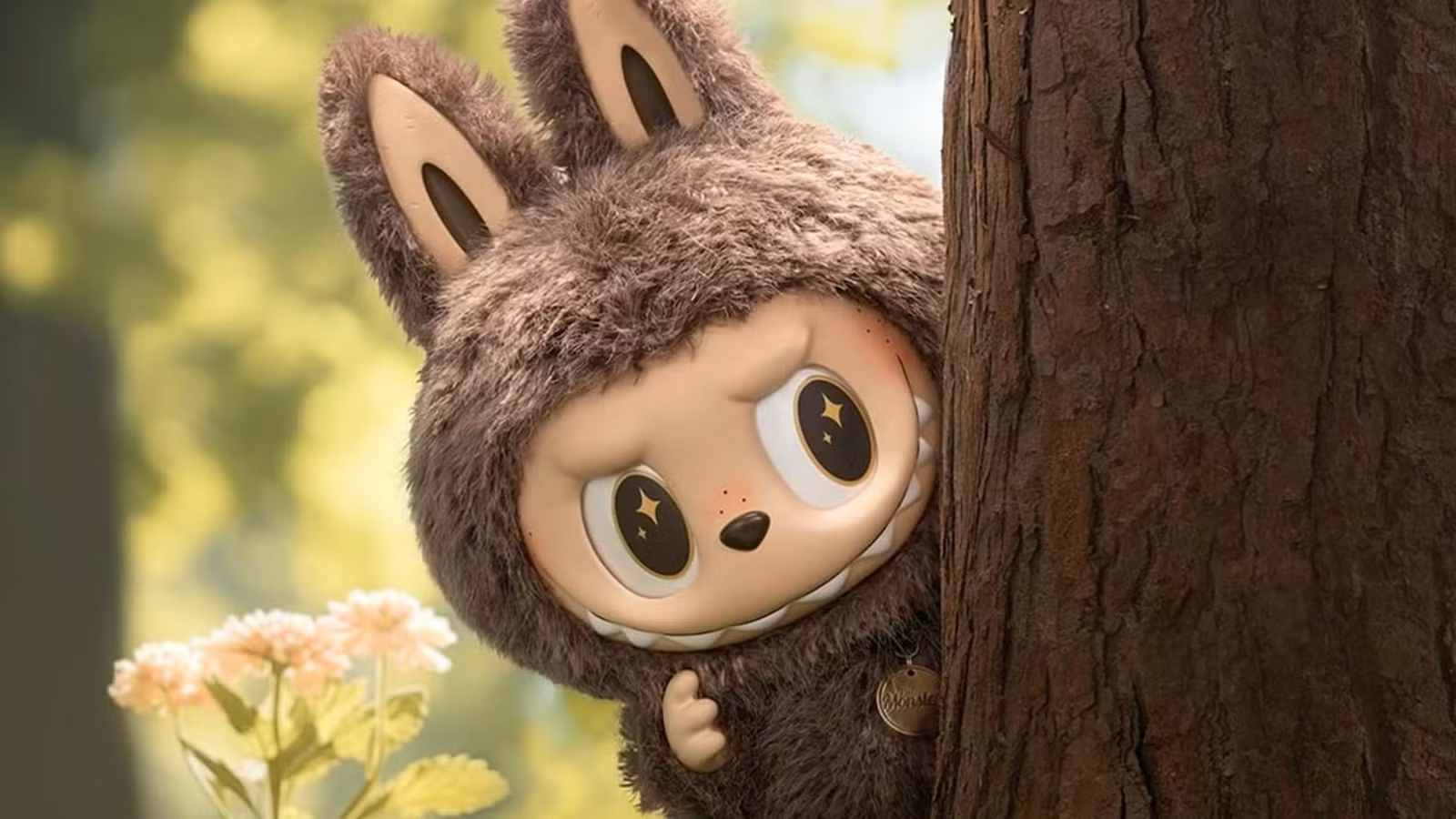
Labubu first appeared 10 years ago in Lung’s Nordic Fairy Tale picture book series. The character is instantly recognizable by her pointy elf-like ears, wide innocent eyes and a mouth full of serrated shark teeth that somehow manage to look both menacing and adorable. She’s described as mischievous with a kind heart, always eager to help even though her good intentions frequently lead to absolute chaos.
The genius of Labubu lies in that contradiction. She looks like she might bite you, but she’s actually sweet and means well. That duality resonates powerfully with collectors who see themselves in her imperfect but well-meaning nature. The character exists in a fantastical world alongside other monsters from Lung’s series including Zimomo, Tycoco, Spooky and Pato. Tycoco, a petite skeleton, is actually Labubu’s boyfriend and frequently appears on Pop Mart merchandise especially around Valentine’s Day.
Pop Mart, the China based retailer that exclusively produces and sells Labubu figures, has released over 300 different versions of the character. That’s not a typo. Three hundred variations. From seasonal editions to collaboration pieces to limited runs, the Labubu universe keeps expanding. The figures are sold in blind box packaging, meaning buyers don’t know which specific character they’re getting until they open it. This element of surprise and the chase for rare editions has fueled collector mania worldwide.
The craze exploded globally in 2024 and 2025, with people lining up for hours outside Pop Mart stores, reselling rare figures for hundreds or thousands of dollars, and social media flooding with unboxing videos. Celebrities started collecting them. Fashion weeks featured Labubu accessories. The phenomenon reached critical mass, catching Hollywood’s attention in a major way.
Share this with your friend who has an entire shelf dedicated to these creatures!
Paul King: The Perfect Director For Bringing Toys To Life

Credits: THR
Sony didn’t just pick any random director for this project. They went straight for the top tier talent who specializes in exactly this kind of material. Paul King has spent a considerable portion of his career mastering the art of blending whimsical characters, emotional storytelling and cutting edge visual effects into box office magic.
His resume speaks for itself. King directed both Paddington films, which became critical darlings and commercial successes. The first Paddington grossed over 268 million dollars worldwide against a 55 million dollar budget. Paddington 2 earned even more praise, holding a rare 100 percent fresh rating on Rotten Tomatoes and grossing 227 million dollars globally. Both films proved that family friendly entertainment doesn’t have to be cynical or dumbed down to succeed.
Then came Wonka in 2023, which absolutely crushed expectations. The Timothée Chalamet led musical prequel to Charlie and the Chocolate Factory, adapted from Roald Dahl’s beloved novel, earned nearly 500 million dollars worldwide. Some reports put the total at 632 million dollars, making it one of 2023’s biggest hits. The film showcased King’s ability to handle large scale productions, A-list stars, complex musical numbers and create genuine emotional resonance.
His three most recent features combined have generated over 1.1 billion dollars at the global box office. That’s the kind of track record that makes studio executives salivate. King possesses a rare gift for taking beloved characters and treating them with respect while crafting stories that work for children and adults simultaneously. He understands visual comedy, emotional beats and how to use CGI to enhance rather than overwhelm narratives.
For a project like Labubu, which needs to take a relatively simple toy character and build an entire cinematic world around it, King represents the ideal choice. He’s proven he can make audiences care deeply about a marmalade loving bear and a chocolatier with daddy issues. A mischievous elf monster with a toothy grin? That’s right in his wheelhouse.
Sony’s Toy Strategy: Following The Barbie And Minecraft Blueprint
Sony Pictures acquiring the screen rights to Labubu and immediately attaching a director of Paul King’s caliber signals major ambitions for this project. The studio isn’t treating this as a cheap cash grab or direct to streaming filler. They’re positioning Labubu as a potential tent pole franchise that could spawn sequels, merchandise deals and theme park attractions.
Hollywood has been on a relentless hunt for new intellectual property to exploit, and toys have proven to be goldmines. Warner Bros struck absolute platinum with Barbie in 2023, which earned over 1.4 billion dollars worldwide and became a genuine cultural phenomenon. The Greta Gerwig directed film proved that toy-based movies could be smart, funny, visually stunning and massively profitable when done right.
Warner Bros followed that success with A Minecraft Movie in 2025, which became one of the year’s biggest blockbusters despite mixed critical reception. The film demonstrated that even properties critics dismiss can generate massive box office returns if they tap into existing fanbases.
Mattel, emboldened by Barbie’s success, has announced film adaptations of everything from Hot Wheels to Polly Pocket to Rock ‘Em Sock ‘Em Robots. Hasbro continues mining Transformers and G.I. Joe. Every studio wants the next toy property that prints money.
Labubu fits perfectly into this trend but with unique advantages. Unlike Barbie or Minecraft which are decades-old properties, Labubu represents current viral phenomenon with momentum still building. The character has rich narrative foundation from the original picture book series, giving filmmakers actual story material to adapt rather than just a product to promote. And the global fanbase, particularly strong in Asia where Pop Mart dominates, provides built-in international appeal crucial for modern blockbusters.
Sony sees all of this and knows they have potential lightning in a bottle. Attaching Paul King ensures the project gets taken seriously rather than treated as quick exploitation.
Don’t miss out on understanding Hollywood’s obsession with toy movies!
The Kidult Market: Why Grown Adults Are Going Crazy For Collectible Toys
The Labubu phenomenon sits squarely in the middle of the kidult trend that’s reshaping consumer markets globally. Kidult refers to adults who maintain interests typically associated with childhood, particularly collecting toys, figurines and other merchandise. This demographic has become enormously profitable and influential.
Market research shows the global kidult toy market is worth billions and growing rapidly. Adults in their 20s, 30s and 40s represent significant portions of toy sales, especially in categories like collectible figures, designer toys and limited edition releases. Companies like Pop Mart, Funko, Hot Toys and others have built entire business models around adult collectors.
Several factors drive this trend. Nostalgia plays a huge role as millennials and Gen Z consumers seek connections to childhood comfort in stressful adult lives. Social media amplified collecting culture, turning it into performative hobby where people showcase collections online. The blind box model specifically triggers psychological responses related to gambling and surprise that keep people buying.
Economic factors matter too. As traditional markers of adulthood like home ownership become increasingly unattainable for younger generations, disposable income gets redirected toward accessible luxury items like collectible toys. A 50 dollar Labubu figure feels more achievable than a house down payment, providing tangible reward in financially frustrating times.
The pandemic accelerated these trends as people stuck at home sought new hobbies and comforts. Toy collecting exploded during lockdowns, with many discovering or rediscovering the joy of hunting for rare figures and building collections. That growth has sustained even as pandemic restrictions ended.
Hollywood recognizes that kidult consumers represent passionate, engaged audiences willing to spend money on properties they love. A successful Labubu film doesn’t just sell movie tickets. It drives merchandise sales, theme park attendance, streaming subscriptions and creates multi-platform revenue streams that sustain studios.
From Picture Books To Blind Boxes To Blockbusters
Labubu’s journey from picture book character to cinema-bound superstar represents fascinating evolution of intellectual property in the digital age. Kasing Lung created The Monsters series 10 years ago through his Nordic Fairy Tale picture books, establishing narrative foundation and character designs before any toys existed.
Pop Mart, founded in 2010 and now one of Asia’s largest designer toy retailers, recognized the potential in Lung’s creations. They partnered to produce Labubu figures, initially selling them through their signature blind box model in physical stores. The collaboration proved immediately successful within niche collectible toy communities.
Then social media happened. Instagram, TikTok and YouTube became flooded with Labubu content. Unboxing videos showing people’s reactions to finding rare figures went viral. Collectors posted photos of elaborate displays. Fashion influencers incorporated Labubu into outfits and aesthetics. The visual appeal of the characters combined with the emotional highs of collecting created perfect social media content.
Celebrities jumped on board, giving Labubu mainstream credibility. K-pop idols, actors, influencers and fashion icons started collecting and posting about their figures. This celebrity endorsement exposed Labubu to audiences far beyond core collectible toy communities.
Pop Mart expanded aggressively, opening stores worldwide and making Labubu accessible to global markets. Long lines outside store openings became common sights. Limited edition releases sold out within minutes. The secondary market exploded with rare figures commanding premium prices.
This groundswell of organic enthusiasm caught Hollywood’s attention. Studios constantly monitor social media trends, search data and consumer behavior looking for the next big thing. When Labubu maintained momentum rather than fading as a brief fad, Sony Pictures moved quickly to secure screen rights.
The announcement of Paul King directing came just weeks after Sony acquired those rights, suggesting the studio knew exactly who they wanted from the start. King’s involvement validates Labubu as serious cinematic prospect rather than cynical cash grab.
Share this with anyone who thinks toys are just for kids!
What The Labubu Movie Might Actually Be About
Details about the actual plot remain closely guarded secrets as the film sits in early development. However, the source material and Paul King’s previous work provide clues about potential directions.
The original Nordic Fairy Tale picture book series established a fantastical world inhabited by various monsters including Labubu, Tycoco, Zimomo, Spooky and Pato. These creatures embody both light and darkness, existing in realm influenced by Nordic mythology and folklore. The books contain actual narratives rather than just character designs, giving filmmakers foundation to build upon.
Labubu’s character description as kind-hearted but mischievous, always meaning well but frequently causing chaos through her good intentions, provides classic comedy setup. This personality archetype has driven countless successful films from Mr. Bean to Paddington himself. King knows how to mine both humor and pathos from well-meaning characters whose enthusiasm exceeds their competence.
The relationship between Labubu and Tycoco, her shy skeleton boyfriend, could provide emotional core similar to how Paddington’s relationship with the Brown family anchored those films. Their dynamic as featured on Pop Mart merchandise shows genuine affection and sweet interactions that translate well to screen romance.
Expect the film to feature fish-out-of-water elements common in toy-based movies. Perhaps Labubu and the monsters discover the human world, or a human stumbles into their fantastical realm. King excels at culture clash comedy and using outsider perspectives to comment on our world.
Visual spectacle will be crucial. King works with top tier effects houses to create believable yet stylized worlds. The Monsters’ fantastical setting inspired by Nordic mythology offers opportunities for stunning production design, creature effects and world building that showcase current filmmaking technology.
Themes about acceptance, friendship, finding your place and being true to yourself likely feature prominently. These universal messages worked in King’s previous films and fit naturally with Labubu’s narrative about a creature who looks scary but has a good heart.
Music might play significant role given King’s success with Wonka’s musical numbers. Labubu’s whimsical world lends itself to musical storytelling, potentially making this a family friendly musical adventure.
The Production Dream Team Behind The Scenes
While Paul King directs and produces, he’s not working alone. The project represents collaboration between multiple production entities, each bringing specific expertise and resources.
Department M, a production company with experience in international co-productions and Asian market content, joins as producing partner. Their involvement signals Sony’s recognition that Labubu’s appeal is especially strong in Asian markets. The film needs to work globally but particularly resonate where the toy craze is most intense.
Wenxin She also produces, though public information about this entity remains limited. The Chinese name suggests connections to Chinese markets and potentially Pop Mart itself, ensuring the film stays true to the character’s origins and maintains authenticity that collectors demand.
Pop Mart obviously has vested interest in the film’s success and likely maintains creative approval over how their flagship character gets portrayed. Unlike some toy-to-film adaptations where companies simply license IP and walk away, Pop Mart will probably stay heavily involved ensuring Labubu’s personality and world remain consistent with established canon.
Sony Pictures Animation or Sony Pictures Entertainment’s live action divisions will handle distribution and provide studio resources. Sony’s global distribution network ensures the film reaches markets worldwide simultaneously, crucial for building momentum and preventing piracy.
The visual effects house hasn’t been announced yet, but King previously worked with Framestore on Paddington films. That company delivered phenomenal CGI bear that felt completely real and emotionally present. Bringing Labubu to life will require similar technical excellence, creating creature that’s adorable despite shark teeth and convincingly integrated into live action environments.
The Box Office Potential And Franchise Dreams
Predicting box office performance for a film in early development seems premature, but industry observers see massive potential. Labubu combines multiple advantageous factors that successful toy movies share.
First, established fanbase. Millions of people worldwide already love Labubu and collect the figures. That provides opening weekend foundation as fans rush to see their favorite character on screen. Barbie demonstrated how existing affection for toy properties translates to theatrical attendance when the film respects source material.
Second, family appeal. Labubu’s cute but edgy design attracts children while the collectible toy culture brings adults. King’s family friendly filmmaking style ensures the movie works for multiple age groups, expanding potential audience beyond just hardcore collectors or young kids.
Third, international marketability. While American audiences might need introduction to Labubu, Asian markets where Pop Mart dominates will drive enormous business. China alone represents crucial revenue stream for Hollywood blockbusters. A property with Chinese retail connections and Asian cultural resonance has built-in advantages in those markets.
Fourth, Paul King’s track record. His name attached brings credibility and suggests quality that critics will respect while mainstream audiences trust. Director branding matters, and King has earned reputation for delivering crowd pleasers.
Merchandise opportunities extend far beyond what typical films generate. Labubu already exists as thriving product line, so the film essentially serves as feature length advertisement that drives toy sales. Pop Mart will release special edition movie figures, exclusive blind boxes, and collaborations timed to theatrical release. The synergy between film and retail creates self-reinforcing profit cycle.
If the first film succeeds, Sony has franchise foundation. The Monsters series includes multiple characters beyond Labubu, each capable of supporting sequels or spin-offs. Think of it like Paddington, which spawned successful sequel and continues generating content. Sony could build entire cinematic universe around these creatures.
Theme park potential exists too. Disney and Universal Parks constantly seek new IP for attractions. A successful Labubu film could lead to themed areas, rides and character meet-and-greets at Sony’s entertainment properties or through licensing deals.
Don’t miss out on what might become the next billion-dollar franchise!
The Challenges And Risks Ahead
Despite all the potential, significant challenges could derail this project. Toy-based movies represent high-risk propositions that fail as often as they succeed. For every Barbie, there’s a Battleship or Transformers: The Last Knight that underperforms or damages the brand.
Labubu’s relative obscurity in Western markets poses concern. While the character enjoys cult following among collectors and huge popularity in Asia, mainstream American audiences might not care about toys they’ve never heard of. The film needs to work as standalone story that doesn’t require prior knowledge, which limits how much it can rely on built-in affection.
The character design presents challenges. Labubu’s shark teeth and somewhat unsettling appearance could alienate younger children who prefer cuddlier characters. Balancing the edgy aesthetic that makes Labubu cool with mainstream accessibility requires delicate touch. Go too cute and you lose what makes the character special. Stay too weird and you limit audience.
Narrative structure remains question mark. Picture books provide character details and world building but not necessarily feature film plots. Writers must create compelling 90-120 minute story from relatively limited source material. This creative challenge has sunk other toy adaptations that felt like elongated commercials rather than actual movies.
Paul King’s involvement helps mitigate these risks but doesn’t eliminate them. Even talented directors occasionally misfire or struggle with specific properties. If the Labubu film doesn’t connect emotionally or feels too niche, King’s reputation won’t save it.
Budget concerns matter too. King’s films aren’t cheap to make. Wonka cost around 125 million dollars. Paddington films had more modest budgets but still required significant VFX investments. Sony needs to price Labubu appropriately for realistic box office expectations. Spending 200 million dollars on relatively unknown property would be insane. But skimping on effects and production value guarantees failure.
What This Means For The Future Of Toy Movies
The Labubu film announcement signals that Hollywood’s toy IP mining operation continues full steam ahead. Studios aren’t backing away from this strategy despite some high-profile failures. The successes simply outweigh the flops financially.
For independent toy designers and companies, the message is clear: build your brand across multiple platforms and Hollywood will come calling. Kasing Lung created picture books first, established characters with depth and backstory, then partnered with retailers to expand into physical products. That multi-platform approach made Labubu more than just a toy, giving it narrative foundation that filmmakers can adapt.
Pop Mart’s success demonstrates how retail innovation like blind boxes can create collecting phenomena that transcend traditional toy categories. Other companies will study their model and attempt replication. Expect more collaborations between artists, retailers and entertainment studios creating cohesive IP ecosystems designed for multimedia exploitation from day one.
The emphasis on directors with proven family film credentials like Paul King suggests studios learned from past mistakes. Throwing massive budgets at toy properties without caring about story quality leads to disasters like 2016’s Angry Birds Movie or numerous failed franchise launches. Hiring directors who understand character development and emotional storytelling increases success odds dramatically.
International considerations will continue dominating Hollywood decision making. Properties with built-in appeal in China and other Asian markets receive priority because domestic box office alone no longer sustains blockbusters. Labubu’s Asian popularity makes it attractive investment in ways purely Western properties aren’t.
The Bottom Line: Will Labubu Work On Screen?
Predicting success for films this early in development borders on pointless, but all the right pieces are in place. Paul King represents inspired choice whose style perfectly matches Labubu’s whimsical world. Sony clearly takes this seriously rather than treating it as cheap exploitation. The source material provides foundation for genuine storytelling rather than just product placement.
The biggest unknown remains whether audiences embrace these characters when they’re not cute little toys but larger than life CGI creatures. That transformation makes or breaks every toy-based film. Paddington succeeded because the CGI bear felt real and emotionally present. Sonic the Hedgehog films worked after they fixed the creepy original design. Labubu’s inherent edginess could be asset or liability depending on execution.
If anyone can thread this needle, it’s Paul King. His track record speaks for itself. He understands how to make audiences care about unusual characters, how to balance humor with heart, and how to create visual spectacle that serves story rather than overwhelming it.
For Labubu fans, this represents dream scenario. Their beloved character gets adapted by someone who respects source material and has the talent to do it justice. For Sony, this represents calculated bet on a hot property with massive upside if it hits. For Pop Mart, this represents brand expansion into entertainment that could multiply the franchise’s value exponentially.
The film remains years away from release. Early development means script writing, design work, casting decisions and technical planning all lie ahead. But the journey from picture book to blind box to blockbuster is officially underway, and the entertainment world is watching closely.
So there you have it. Everything you need to know about how a mischievous elf monster with shark teeth is about to become Hollywood’s next big gamble. Will Labubu join Paddington and Barbie in the toy-to-film hall of fame, or end up as cautionary tale about chasing trends? Only time will tell, but with Paul King at the helm, the odds look pretty good. What do you think? Will this movie work or is Hollywood completely out of ideas? Drop your predictions in the comments! Tag your Labubu-obsessed friend who’s already planning opening night outfits. Follow for more Hollywood news, toy culture updates, and all the entertainment industry chaos that keeps things interesting. Because if 2025 taught us anything, it’s that in modern Hollywood, literally anything can become a movie, and sometimes that’s exactly what we need!