In an age where Twitter wars overshadow thoughtful policy debates, and press conferences resemble reality TV showdowns, it’s easy to look around and wonder—what happened to leadership? Where are the Gandhis, Lincolns, and Churchills of our time? Were past leaders really on a higher moral ground, or are we just romanticizing the past?
Turns out, there’s more truth than nostalgia to that sentiment.
Today’s leaders operate in a world of instant gratification, fleeting loyalties, and corporate entanglements. Contrast that with the moral spine of historical figures who not only carried the weight of entire nations on their shoulders but also did so with deep convictions, ethical codes, and, above all, purpose beyond power.
Let’s dig deeper.
I. Leadership Then vs. Leadership Now
Leadership in the past was shaped by slower, more deliberate times. Wars were long, negotiations painful, and decisions often came with life-or-death consequences—not just trending hashtags. Leaders had time to think, reflect, and consult philosophers, theologians, and advisors. They were often well-read, deeply spiritual, and believed in duty, not optics.
In contrast, today’s leaders are often caught in an endless loop of digital validation. The moral compass has been replaced by algorithms. Decisions are guided more by polling numbers than personal ethics. Popularity trumps principle. As a result, true moral leadership becomes harder to spot.
II. Case Study: Abraham Lincoln vs. Modern Presidents
Abraham Lincoln walked into the Oval Office not just with political baggage but with the moral weight of a country about to tear itself apart. He didn’t simply govern—he suffered. The man spent sleepless nights thinking about the soul of a divided nation.
His Emancipation Proclamation wasn’t a PR stunt—it was a moral reckoning. He knew he might lose the war, the election, or even his life. But he saw slavery as a stain on the nation’s conscience, and acted decisively, morally.
Now contrast that with modern leadership. Take any number of Presidents in recent memory—scandals, spin, and short-term gains have often overridden long-term ethics. Wars have been waged without clear cause. Drones have replaced diplomacy. The human cost is buried under press releases.
Lincoln didn’t hide from the cost. He acknowledged it.
III. Gandhi’s Philosophy vs. the Performative Politics of Today
Mahatma Gandhi led one of the most impactful movements in modern history—without guns, tanks, or a media agency. His leadership was rooted in satyagraha—truth force. He literally walked miles for salt, stitched his own clothes, and fasted to cleanse the nation’s sins.
Gandhi’s power wasn’t in speeches but in silence. His impact didn’t need tweets—it came from his willingness to suffer for what he believed in.
Today, activism is often performative. Leaders wear slogans, but few live them. The average political photo-op has replaced real service. Press conferences substitute for protests. The moral authenticity Gandhi embodied? Almost extinct.
IV. Churchill’s Burden vs. Today’s Political Calculators
Winston Churchill knew history would judge him, so he sought to be worthy of its gaze. He didn’t flinch in the face of the Nazi threat. He didn’t mince words. And while he was far from perfect (hello, colonialism), he faced a moral war and called on every ounce of British resolve to withstand it.
His speeches weren’t written by poll-tested consultants. They were raw, poetic, defiant. “We shall fight on the beaches…” wasn’t just oratory—it was a vow.
Compare that to today’s leaders—who often wait to see which way the wind blows before taking a stand. Moral clarity has been replaced by legal loopholes and public relations teams.
V. The Accountability Factor
Here’s something that’s changed massively—accountability.
Historical leaders were, paradoxically, more exposed. Their errors meant public disgrace, exile, or even execution. They operated in an environment where failure often meant total ruin—not a cushy book deal or podcast tour.
Look at Socrates—he chose death rather than abandon his principles.
Julius Caesar’s unchecked ambition? Knife in the back—literally.
Leaders back then often paid for their choices with their lives or legacies. The moral high ground wasn’t optional—it was necessary for survival in the public eye.
Today? Missteps get buried under news cycles. Ethics get diluted in committees. And the consequences? Almost none. A quick apology, a well-edited video, and the world moves on.
VI. The Corporate Entanglement
Another major shift is the marriage of politics and money. While historical leaders certainly had financial backers or royal treasuries, today’s entanglements run far deeper. Modern leadership is heavily influenced—if not outright owned—by corporate interests, tech giants, and lobby groups.
When your moral decisions must pass through a boardroom filter, can you truly stand on principle?
Leaders of the past didn’t always have clean hands, but many didn’t need campaign donations to fund their morals. Today, ethics often bend under the weight of sponsorships and super PACs.
VII. The Role of Media: From Watchdog to Amplifier
Media used to hold leaders accountable. Think of Edward R. Murrow taking on McCarthy. Think of Woodward and Bernstein breaking Watergate. Journalism once asked the hard questions.
Now? Many outlets act more like amplifiers than auditors. The rise of partisan echo chambers and influencer-politicians has turned the media into another battlefield of optics.
Historical leaders weren’t always loved by the press, but they weren’t controlled by it either. Now, many leaders fear bad headlines more than bad policy.
VIII. Not Just the West: A Global Shift
It’s not just American or British leaders we’re talking about. Globally, the moral shift is evident.
Nelson Mandela spent 27 years in prison and came out preaching forgiveness.
Aung San Suu Kyi, once a global symbol of resistance, has seen her image tarnished by her own actions once in power.
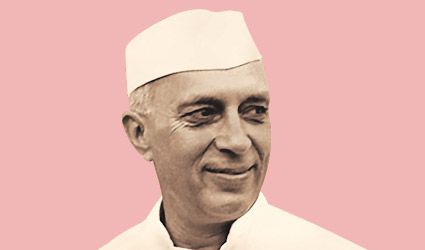
Jawaharlal Nehru, flawed but visionary, emphasized science, secularism, and institutions. Leaders like him laid foundations—today’s leaders often seem more intent on building empires for themselves.
IX. Why It Matters: The Cost of Losing the Moral High Ground
Leadership isn’t just about GDP, stock markets, or military strength. It’s about setting an example. When moral clarity disappears, it leaves a vacuum—and that vacuum is dangerous.
When leaders lack a moral compass, the public loses faith. Institutions erode. Cynicism grows. People turn to extremism, conspiracy, or despair.
History’s best leaders didn’t just lead—they inspired. They made people believe in better tomorrows. They elevated the conversation. Today’s leaders often cheapen it.
X. Is It All Gone?
Now, let’s be fair. Not every leader in history was a saint, and not every leader today is corrupt. There are still people fighting the good fight—local leaders, civil rights advocates, even a few elected officials who still carry their principles like a torch in a storm.
But the overall trend is hard to deny.
We’ve shifted from servant-leaders to celebrity-politicians. From visionaries to managers. From moral clarity to moral fog.
XI. What Can Be Done?
If we want better leaders, we have to demand them.
- We need to reward integrity, not charisma.
- We need to support institutions that promote accountability.
- We need to vote not for the best performance, but for the best principles.
- And we need to hold ourselves to higher standards, too.
Because in the end, leaders reflect us.
History didn’t just give us moral giants—they were shaped by societies that valued ethics, character, and sacrifice.
Conclusion: The Long View
History’s leaders weren’t perfect. They had flaws—some grievous. But they operated in a moral framework that demanded more than applause. They believed in something—freedom, justice, truth—and they were willing to risk everything for it.
Today, many leaders believe in themselves, and that’s about it.
So yes, the moral high ground was higher then. Not because people were better—but because they were expected to be.
And maybe that’s the lesson: it’s not about looking for perfect leaders. It’s about creating a culture that expects leaders to be better, to stand for something more than power.
Because when morals mattered, leadership mattered more.