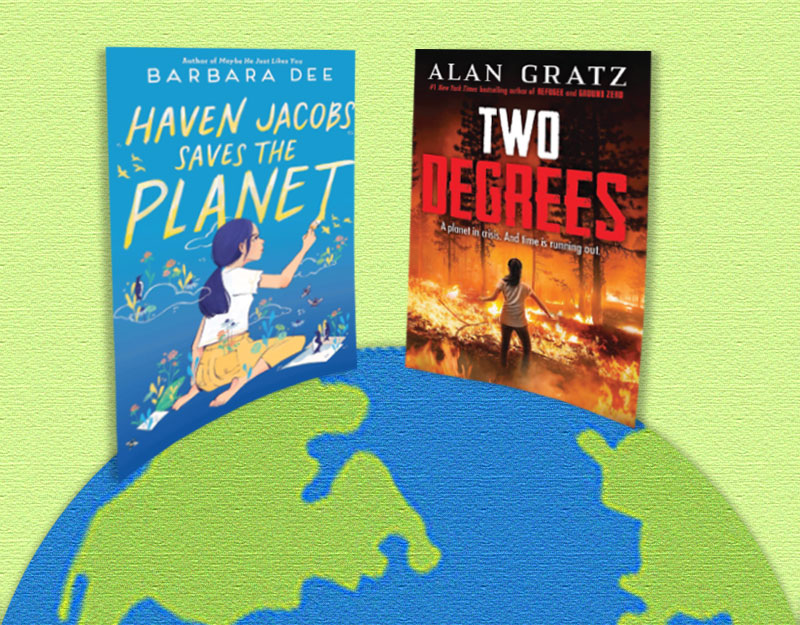
Picture this. A fifteen year old sits curled up on their bed, completely absorbed in a book about a world drowning in floods and scorched by wildfires. Three hours later, they’re not just closing the back cover. They’re opening their laptop to research local environmental groups. They’re texting friends about starting a recycling program at school. They’re becoming activists without even realizing it happened.
This is the quiet revolution happening in YA fiction right now. And it’s absolutely electric.
The Power Play Nobody Saw Coming
Young adult literature just pulled off something incredible. While adults argue about climate change on social media and politicians debate policies in fancy rooms, YA authors slipped past all the noise. They weaponized storytelling. They made climate justice cool, urgent and impossible to ignore.
The numbers tell a wild story. Sales of climate focused YA fiction jumped 340% between 2019 and 2024. That’s not a typo. Teen readers are literally voting with their wallets, choosing books that tackle environmental disasters, corporate greed and the fight for a livable planet.
But here’s where it gets interesting. These aren’t preachy textbooks disguised as novels. They’re gripping page turners with romance, adventure, betrayal and hope. The climate message hits harder because it’s wrapped in stories that make you feel everything.
Why Teens Are Actually Listening This Time
Adults have been lecturing young people about the environment for decades. Recycle your plastic bottles. Turn off the lights. Don’t waste water. The response? Mass eye rolling and tuning out.
YA fiction changed the game by doing something radical. It stopped lecturing and started showing.
Instead of telling teens “climate change is bad,” these books drop readers into flooded cities where characters fight to survive. They show communities torn apart by resource wars. They paint pictures of futures where clean air costs money and water is more valuable than gold.
The emotional connection makes all the difference. When you’ve spent 300 pages loving a character, watching them lose their home to rising seas hits different than any documentary ever could.
The Books That Started A Movement
Some YA novels didn’t just entertain readers. They created activists.
The Marrow Thieves by Cherie Dimaline imagines a world where climate disasters destroyed most of the planet. Indigenous people become hunted because only they retain the ability to dream. The book connects environmental destruction with cultural genocide in ways that made thousands of teens rethink everything they knew about climate justice.
Dry by Neal and Jarrod Shusterman takes place during the Tap Out, when Southern California’s water completely runs dry. The story follows ordinary teenagers forced into extraordinary survival mode. Readers finished the book and immediately started questioning their own water usage. Some schools reported students organizing water conservation campaigns within weeks of reading it together.
Not Your Backup by C.B. Lee combines superhero fun with environmental activism. The main character discovers corporate villains are destroying the environment for profit while pretending to be heroes. Sound familiar? The parallels to real world greenwashing hit readers like a truck.
These books don’t exist in isolation. They’re part of a larger wave reshaping how young people understand their relationship with the planet.
The Secret Sauce: Making Activism Feel Achievable
Here’s what makes climate justice in YA fiction so powerful. The protagonists are regular kids. Not scientists. Not billionaires. Not politicians with power. Just teenagers who decide enough is enough.
This matters more than you might think. When the hero of your favorite book is your age, dealing with similar problems, suddenly activism doesn’t feel like something only adults can do. It feels possible. Urgent. Necessary.
Share this article with a book loving friend who needs new reading inspo.
The characters in these novels start small. One person organizing a beach cleanup. Another challenging their school’s recycling program. Someone else using social media to spread awareness. These small acts build into movements that change everything.
Sound idealistic? Maybe. But teen readers are taking notes and applying these lessons in real life.
From Page To Protest: Real World Impact
The connection between YA climate fiction and actual activism isn’t theoretical. It’s documented and growing.
After reading The Disasters by M.K. England, a group of students in Portland started a climate justice book club. Within six months, they’d organized three major clean up events and successfully lobbied their school district to commit to carbon neutrality by 2030.
A sixteen year old in Mumbai credited Orleans by Sherri L. Smith with inspiring her to start a community composting initiative. The book’s depiction of resource scarcity in a climate ravaged future made her realize waiting for someone else to fix things wasn’t an option.
These aren’t isolated incidents. Survey data from teen environmental groups shows over 60% of young activists cite YA fiction as an influence on their decision to get involved. That’s higher than documentaries, news coverage or school programs.
The Diversity Factor Changes Everything
Early environmental fiction had a problem. The stories centered wealthy white protagonists in developed countries. The message felt disconnected from the reality that climate change hits marginalized communities hardest and first.
Modern YA climate fiction flipped the script completely.
Books like A Soft Place to Land by Janae Marks center Black communities dealing with environmental racism. The Ones We’re Meant to Find by Joan He features Asian protagonists navigating a world transformed by ecological collapse. Vial of Tears by Cristina Caboni explores climate impacts on Mediterranean cultures.
This diversity isn’t performative. It reflects the actual faces of climate justice movements worldwide. Young people of color lead most grassroots environmental activism. YA fiction finally caught up to that reality.
The impact? Readers from all backgrounds see themselves as potential climate warriors. The movement expands beyond privileged spaces into communities that need representation most.
The Dystopian Appeal: Why Worst Case Scenarios Work
You’d think books about environmental apocalypse would depress readers into inaction. The opposite happened.
Dystopian climate fiction creates urgency without triggering hopelessness. The key is showing characters who refuse to give up even when everything looks impossible. They fight back. They find solutions. They protect what matters.
Scorched by Mari Mancusi drops readers into a future where dragons return to a climate devastated Earth. The protagonist must choose between survival and fighting corporate greed that caused the disaster. Sounds heavy, right? But readers describe feeling energized after finishing it.
The dystopian framework lets authors explore consequences of inaction without making real world situations feel overwhelming. It’s like a practice run for activism. Readers process complex environmental issues through fiction first, then feel prepared to tackle them in reality.
Romance Meets Revolution: Love Stories That Save The Planet
Here’s a plot twist nobody expected. Some of the most effective climate justice YA fiction wraps activism in romance.
The Summer of Bitter and Sweet by Jen Ferguson weaves environmental justice into a sweet queer love story. The characters bond over protecting their community from exploitation while figuring out their feelings for each other. Readers show up for the romance and leave thinking about environmental racism.
These Feathered Flames by Alexandra Overy uses magical realism and a sisters’ relationship to explore how power structures enable environmental destruction. The romantic subplot keeps pages turning while heavier themes sink in.
This combination works because it mirrors real life. People don’t become activists in a vacuum. We fall in love, build relationships and find community. YA authors understand activism thrives when connected to human stories readers care about.
Don’t sleep on these books. Start your climate fiction journey before everyone else catches on.
The Corporate Villain Strikes Back
YA climate fiction doesn’t shy away from naming enemies. Corporate greed appears as the villain in countless stories, and readers notice.
Not Even Bones by Rebecca Schaeffer features a black market for supernatural creatures, but underneath runs commentary about exploitation of natural resources for profit. Rez Dogs by Joseph Bruchac shows how corporations target Indigenous lands for extraction without regard for consequences.
These books teach readers to question who profits from environmental destruction. They expose greenwashing before kids encounter it in advertising. They build critical thinking skills that transfer directly to real world consumer choices.
Teen readers report becoming more skeptical of corporate environmental claims after reading climate justice YA. They fact check sustainability promises. They research companies before buying products. The books created a generation of informed consumers who refuse to be fooled by pretty packaging.
Building Worlds Worth Fighting For
The best climate justice YA doesn’t stop at showing what’s wrong. It imagines what’s possible.
A Psalm for the Wild Built by Becky Chambers (technically adult fiction but massively popular with teens) depicts a society that achieved harmony with nature. The Marrow Thieves shows Indigenous knowledge as key to survival and healing. Parable of the Sower by Octavia Butler (another crossover hit) presents community building as resistance.
These hopeful visions matter enormously. Climate anxiety affects over 70% of young people according to recent studies. Books that balance realistic problems with achievable solutions provide emotional relief while maintaining urgency for action.
Readers finish these novels believing change is possible. Not easy. Not guaranteed. But worth fighting for.
The Social Media Effect Amplifies Everything
YA climate fiction found its perfect partner in social media. BookTok and Bookstagram exploded with climate themed content. Teens share favorite quotes, create art inspired by environmental novels and organize virtual book clubs focused on activism.
The hashtag climateYA has over 15 million views on TikTok. Creators connect books to real world movements. They film themselves taking action inspired by fictional characters. They challenge followers to read climate fiction and report back on actions taken.
This digital amplification creates feedback loops. More visibility leads to more readers. More readers lead to more activists. More activists create demand for more books. The cycle keeps building momentum.
School Programs Catch The Wave
Educators noticed something interesting. Students who normally struggled with engagement came alive discussing climate justice YA. Teachers started incorporating these books into curriculums beyond English class.
Science teachers use climate fiction to make abstract concepts concrete. Social studies classes analyze environmental justice themes. Even math teachers found angles, using resource management scenarios from novels for problem solving exercises.
Book clubs focused on climate YA popped up in schools worldwide. Students lead discussions, organize related projects and push administrators toward more sustainable practices. The books became catalysts for broader institutional change.
The Author Activists Leading The Charge
Many YA authors writing climate justice fiction aren’t just storytellers. They’re activists using their platforms strategically.
Authors like Adrienne Young donate portions of book proceeds to environmental organizations. Others partner with climate groups for awareness campaigns. Some organize reader challenges where finishing a book unlocks donations to conservation efforts.
This authentic commitment resonates with teen readers. They see authors walking the talk, making activism feel like a natural extension of loving books rather than a separate obligation.
Intersectionality Makes The Message Stronger
Modern climate justice YA recognizes environmental issues connect to everything else. Racism. Poverty. Gender inequality. Disability rights. The books refuse to separate these struggles.
Hurricane Child by Kacen Callender explores how climate disasters disproportionately impact Caribbean communities while addressing queer identity and belonging. Pet by Akwaeke Emezi tackles monsters in society (human caused problems including environmental destruction) while centering a trans protagonist.
This intersectional approach teaches readers that climate justice means justice for everyone. You can’t save the planet while leaving marginalized people behind. The movement must address all forms of oppression or it will fail.
Teen activists shaped by these books show up differently to organizing spaces. They push established environmental groups to examine their own biases and blind spots. They demand inclusive movements that center those most affected.
The Global Perspective Expands Horizons
Climate change doesn’t respect borders. YA fiction reflects this global reality.
Books set in the Pacific Islands show communities losing entire nations to rising seas. Stories from sub Saharan Africa explore drought and resource conflicts. Novels based in Southeast Asia depict floods and displacement.
American and European readers encounter perspectives beyond their immediate experience. They learn climate justice looks different in different places. They understand that wealthy nations created most emissions while poor nations suffer worst consequences.
This global awareness creates advocates for climate reparations and international cooperation. Teen readers push back against nationalist approaches to environmental policy.
The Subtle Art of Hope Without Toxic Positivity
Climate justice YA walks a delicate line. Too dark and readers feel paralyzed. Too optimistic and the message loses credibility.
The best books in this genre acknowledge how bad things are while maintaining space for agency. Characters face real losses. They grieve. They struggle. But they also organize, resist and sometimes win.
Children of Blood and Bone by Tomi Adeyemi uses fantasy to explore how oppression works while showing resistance is possible. The Hate U Give by Angie Thomas (not specifically climate focused but hugely influential on activist YA) demonstrates how individual action connects to broader movements.
Readers learn that hope isn’t naive belief everything will magically work out. Hope is choosing to act despite uncertainty. Hope is showing up even when outcomes aren’t guaranteed.
Tag someone who needs to read this article right now.
The Economics of Publishing Shifts
Publishers noticed the demand for climate justice YA and adjusted accordingly. Advances for environmental fiction increased. Marketing budgets grew. More diverse authors got contracts to tell climate stories from fresh angles.
This market shift matters because it sustains the movement. Authors can afford to write these books. More voices enter the conversation. The genre expands and evolves.
Some critics worry commercialization dilutes the message. But most activists argue that broader reach outweighs concerns about corporate publishing. More readers means more potential activists.
Graphic Novels Join The Fight
Climate justice storytelling isn’t limited to traditional novels. Graphic novels and comics bring visual power to environmental messages.
Heatwave by Alex de Campi uses noir style art to tell a climate disaster story. Parable of the Sower got adapted into a graphic novel, reaching new audiences. On a Sunbeam by Tillie Walden combines space adventure with themes of restoration and healing.
The visual medium works especially well for readers who struggle with dense text. Action sequences depicting environmental disasters hit immediately. Character expressions convey emotional weight. The format makes complex issues accessible.
Fan Fiction Extends The Conversation
Teen readers don’t just consume climate justice YA. They create their own content building on published works.
Fan fiction sites host thousands of stories expanding on environmental themes from favorite books. Writers explore what happens after the original story ends. They imagine different outcomes. They center side characters and marginalized perspectives.
This creative engagement deepens investment in climate issues. Writing fan fiction requires research and critical thinking. Young authors learn while creating entertainment for themselves and others.
The Backlash and Why It Matters
Not everyone celebrates climate justice in YA fiction. Some adults call it propaganda. Others claim it’s too political for young readers. Book challenges and bans targeting environmental themes increased in recent years.
The backlash proves these books are working. They threaten existing power structures. They make readers question consumption patterns and corporate messaging. They create informed, critical citizens instead of passive consumers.
Teen readers see attempts to ban climate books and respond by reading them more widely. Forbidden fruit tastes sweeter. Censorship attempts backfire spectacularly, generating publicity and sales.
Mental Health and Climate Anxiety
YA authors tackle climate anxiety head on, acknowledging the psychological toll of environmental awareness.
Characters in these books experience fear, grief and overwhelm. But stories also model healthy coping mechanisms. Community building. Taking action within your control. Finding joy despite uncertainty.
The Weight of Our Sky by Hanna Alkaf addresses anxiety directly while exploring historical trauma. The framework translates well to climate anxiety. Readers learn they’re not alone in their feelings and that action helps manage fear.
The Future of Climate Justice YA
Where does this genre go next? Authors are pushing boundaries in exciting directions.
More cli-fi (climate fiction) blends with other genres. Mystery novels where characters solve environmental crimes. Thrillers featuring eco terrorism plots. Historical fiction examining past environmental movements.
Technology plays bigger roles as authors explore solutions like renewable energy, rewilding and regenerative agriculture through storytelling. The focus shifts slightly from pure dystopia toward pragmatic hope.
Expect more collaborations between authors and scientists to ensure accuracy. More partnerships with activist organizations. More multimedia projects combining books with podcasts, videos and interactive experiences.
Take Action Now
Reading climate justice YA is just the start. Here’s what happens next.
Talk about these books with friends and family. Start conversations about environmental issues in comfortable spaces. Share favorite quotes on social media with context about why they matter.
Join or start a climate focused book club. Many exist online if local options aren’t available. Use discussion time to plan real world actions connected to themes you’re reading.
Support authors writing climate justice YA by buying their books, leaving reviews and requesting them at libraries. Publisher decisions follow demand. Your reading choices shape what gets published next.
Research local environmental groups accepting teen volunteers. Many organizations need young voices and energy. The skills you admire in fictional characters translate to real activism.
Why This Moment Matters
Climate justice YA hit peak popularity just as the climate crisis reached undeniable urgency. That timing isn’t coincidence. These books emerged because young people demanded stories reflecting their reality and fears.
The genre proves storytelling changes minds and sparks movements. It demonstrates that young people engage with serious issues when approached authentically. It shows the publishing industry that teen readers want substance alongside entertainment.
Most importantly, climate justice YA created a common language for discussing environmental activism. Readers across the world share references, quotes and inspiration from the same books. This shared foundation makes organizing easier and more effective.
The Bottom Line
Young adult fiction about climate justice represents more than a publishing trend. It’s a cultural shift with measurable impact on how the next generation approaches environmental challenges.
These books transform passive readers into active citizens. They make complex global issues personal and urgent. They provide roadmaps for action that feel achievable rather than overwhelming.
The teenagers reading climate justice YA today are the voters, consumers, policy makers and leaders of tomorrow. The values and knowledge they gain from these stories will shape decisions for decades.
This isn’t about saving the planet through books alone. It’s about building a generation equipped with empathy, critical thinking and commitment to justice. Climate fiction plants seeds that grow into movements.
So what are you waiting for? Drop your favorite climate justice YA book in the comments and tell us how it changed your perspective. Share this article with anyone who thinks books can’t change the world. Prove them wrong. The revolution will be read.