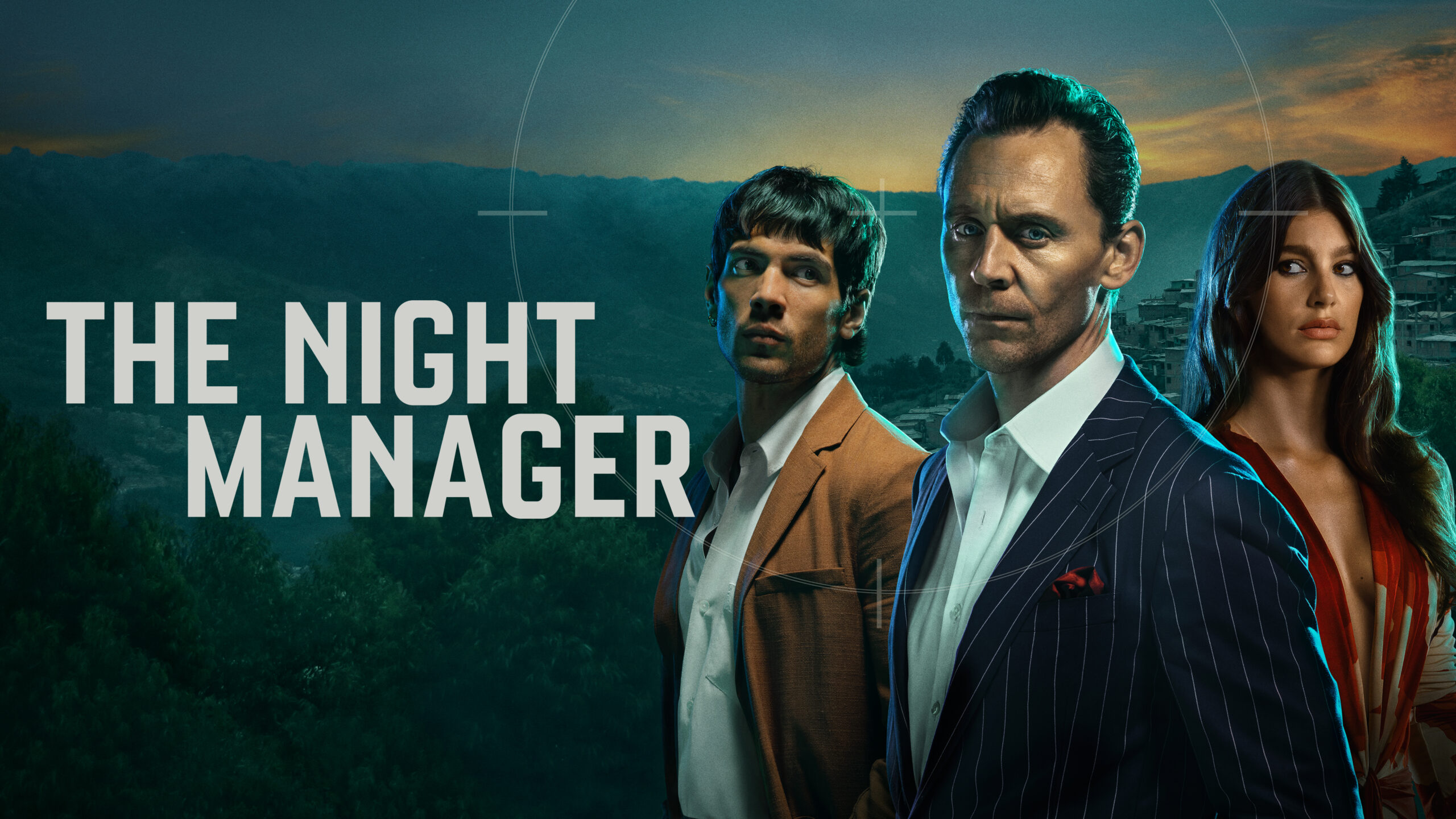
Ten years. A full decade. That’s how long fans waited for this moment.
Tom Hiddleston is back as Jonathan Pine in The Night Manager Season 2, and the spy thriller that dominated conversations in 2016 just dropped its long awaited continuation on Prime Video. Three episodes landed January 11, 2026, with weekly releases continuing through February.
But here’s the question nobody’s answering straight: Was the wait worth it?
Season 1 was lightning in a bottle. Emmy wins. Golden Globe glory. Cultural phenomenon status. Hugh Laurie as the villain everyone loved to hate. Tom Hiddleston proving he could carry a prestige drama beyond Marvel movies. That iconic Egyptian hotel opener. The tension. The glamour. The betrayal.
Now, without the John le Carré novel to adapt (Season 1 used up the entire book), screenwriter David Farr created an original continuation. New villains. New locations. New stakes. Same Jonathan Pine, but older, scarred, supposedly retired from the spy game.
Supposedly.
Because if there’s one thing spy thrillers teach us, it’s that nobody ever really gets out. Pine’s comfortable London life as low level MI6 officer Alex Goodwin shatters the moment he spots a familiar face from his past. That sighting launches him into Colombian arms deals, guerrilla armies, and a deadly game with new players who might be even more dangerous than Richard Roper ever was.
Ready to dive into whether The Night Manager Season 2 lives up to impossible expectations? Every twist, every performance, every reason to binge or skip starts now.
The Impossible Task Of Following Perfection
The Night Manager Season 1 wasn’t just good television. It was an event.
When it premiered on BBC in February 2016 (and later on AMC in the U.S.), critics couldn’t stop gushing. The adaptation of John le Carré’s 1993 novel felt both timeless and urgently contemporary. Director Susanne Bier crafted six episodes of pure tension, glamour, and moral complexity.
Tom Hiddleston’s Jonathan Pine was the perfect protagonist: damaged, determined, operating in gray areas where good and evil blur. Hugh Laurie’s Richard Roper was the charismatic villain you couldn’t help watching even as you rooted for his downfall. The supporting cast including Olivia Colman, Tom Hollander, and Elizabeth Debicki delivered career defining performances.
The series swept awards season. It won three Golden Globes including Best Limited Series and Best Actor for Hiddleston. It collected two Emmys. Critically, it achieved near perfect scores across review aggregators.
Then it ended. Perfectly. Completely. With the entire le Carré novel adapted and no source material remaining.
Most shows would have stayed ended. But screenwriter David Farr had an idea. Not immediately. He waited years, thinking about where Pine’s story could go next. But he needed permission from the author himself.
John le Carré, legendary spy novelist who drew from his own MI6 experience, initially resisted sequel ideas. His novels stood alone. The Night Manager book had no follow up. Why create one for television?
But something changed after le Carré watched the series. Hiddleston revealed that the author “suggested, with a twinkle in his eye, that perhaps there might be a way to tell more of this story.”
That twinkle was all Farr needed. He began developing Season 2, crafting an original narrative using le Carré’s characters but forging new territory. Le Carré gave his blessing before his death in December 2020, meaning Season 2 carries the author’s approval even as it ventures beyond his written words.
That approval matters enormously. It grants Season 2 legitimacy beyond typical cash grab sequels. This isn’t just Prime Video exploiting a valuable IP. This is a continuation the original author endorsed.
But approval doesn’t guarantee quality. Season 2 faces towering expectations. Can it match Season 1’s brilliance? Should it even try? Or should it forge its own identity?
Share this with anyone still obsessing over Season 1.
What Actually Happens In Season 2
Season 2 opens six years after Season 1’s conclusion. Richard Roper is dead. How he died remains initially vague, but his death is confirmed when Pine and Angela Burr (Olivia Colman returning) identify his remains.
Pine has buried his past. He now operates as Alex Goodwin, a minor MI6 officer running a low level surveillance unit in London. His life is deliberately mundane. Comfortable. Safe. Everything his work as Jonathan Pine never was.
Then one night, Pine spots someone. A former Roper mercenary. The sighting triggers something in Pine that comfortable Alex Goodwin life can’t suppress. He pursues. The pursuit turns violent. And suddenly, Pine is pulled back into the world he thought he’d escaped.
The violent encounter introduces a new player: Teddy Dos Santos, a Colombian entrepreneur played by Diego Calva (Babylon). Dos Santos operates in the gray areas Pine knows too well: legitimate business fronts hiding illegal arms operations underneath.
Pine’s investigation leads him to Colombia, where he must infiltrate Dos Santos’s organization. To do this, he adopts yet another identity: Matthew Ellis, a reckless Hong Kong socialite with money and connections that interest arms dealers.
In Colombia, Pine meets Roxana Bolaños, played by Camila Morrone (Daisy Jones & The Six). Roxana is a businesswoman with her own complicated relationship to Dos Santos’s operation. She becomes Pine’s reluctant ally, helping him penetrate the arms network while harboring her own secrets and motivations.
As Pine digs deeper, he discovers the Cartagena shipment, cargo with connections reaching into British intelligence itself. The conspiracy expands beyond simple arms trafficking into something that threatens to destabilize an entire nation.
Another figure emerges: Gilberto Hanson, a menacing local arms dealer whose influence extends into London’s intelligence community. Hanson manipulates events from shadows, orchestrating a game where Pine might be pawn rather than player.
The season builds to Pine racing against time to expose the conspiracy while navigating betrayals at every turn. Roxana could be his salvation or his doom. Dos Santos’s trust fluctuates between acceptance and suspicion. Hanson calculates every move. And within MI6 itself, corruption runs deeper than Pine imagined.
All while Pine carries trauma from Season 1. The women who died because of him haunt every decision. He’s terrified Roxana will meet the same fate. That guilt drives him even as it threatens to destroy him.
Tag someone who needs to know the plot before diving in.
The New Villain Who Isn’t Hugh Laurie
Diego Calva faces an impossible comparison. Following Hugh Laurie’s Richard Roper is like batting after Babe Ruth. You’re good, maybe even great, but the shadow is long.
Calva, who broke out in Damien Chazelle’s Babylon, brings different energy to villainy than Laurie did. Roper was polished, aristocratic, openly monstrous while maintaining plausible deniability. He operated in plain sight at luxury hotels and high society events.
Teddy Dos Santos operates differently. He’s newer money, rougher edges barely smoothed by expensive suits. He’s more volatile, less predictable. Where Roper controlled rooms through charm and veiled threats, Dos Santos controls through unpredictability and sudden violence.
The character works precisely because he’s not trying to be Roper 2.0. Dos Santos has his own psychology, his own motivations, his own brand of danger. Calva plays him as someone desperately trying to transcend his origins while being pulled back by the violence that built his empire.
The scenes between Calva and Hiddleston crackle with tension, though different tension than Hiddleston and Laurie generated. Roper and Pine danced around each other with elegant menace. Dos Santos and Pine (as Matthew Ellis) engage more directly, with higher stakes visible in every interaction.
Calva’s performance grows stronger as the season progresses. Early episodes find him still establishing the character. By mid season, he’s fully inhabiting Dos Santos’s contradictions: the businessman who wants legitimacy, the criminal who can’t escape his nature, the man who suspects Pine but can’t quite prove his suspicions.
The real test comes in how Dos Santos compares not to Roper but to other recent television villains. Does he stand among Succession’s Logan Roy, Breaking Bad’s Gus Fring, Ozark’s Ruth Langmore? That’s tougher. Dos Santos doesn’t quite reach iconic status, but he serves the story effectively without feeling like a Roper knockoff.
Don’t miss Calva’s best scene in Episode 4 (when it drops).
Camila Morrone Steals Every Scene
If Season 2 has a breakout star, it’s Camila Morrone.
Morrone, previously known for Daisy Jones & The Six and her role in Mickey and the Bear, elevates every scene as Roxana Bolaños. The character could have been a simple love interest or damsel needing rescue. Instead, Roxana is the season’s most complex, unpredictable figure.
Roxana has her own fire, her own pain, her own mission separate from Pine’s objectives. The dynamic between Pine and Roxana revolves around trust and betrayal, never quite settling into comfortable alliance or clear opposition.
Morrone plays Roxana as someone constantly calculating, always three moves ahead, but also genuinely conflicted. Her connections to Dos Santos’s operation run deeper than Pine initially realizes. Her reasons for helping Pine are layered with personal agenda that may or may not align with MI6’s interests.
The performance is instinctive, magnetic, and wonderfully unpredictable. Morrone ensures viewers never quite know where Roxana stands. Is she ally? Is she using Pine? Is she playing both sides? The ambiguity creates delicious tension.
The Pine Roxana relationship intentionally echoes Pine’s Season 1 relationship with Sophie (Aure Atika), the hotel worker whose death Pine still carries. But Roxana proves far more complicated than Sophie ever was. She’s not a victim. She’s a player with her own power and agency.
The chemistry between Hiddleston and Morrone burns slow but intense. Their scenes together balance attraction with suspicion, vulnerability with manipulation. It’s spy thriller romance at its finest: you’re never sure if they’re falling in love or using each other, and maybe they’re not sure either.
Morrone also handles the action sequences impressively. Roxana isn’t just talking her way through danger. She fights, runs, makes hard choices with immediate consequences. Morrone commits physically to the role in ways that ground Roxana as credible player in this world.
If Season 2 gets renewed for Season 3 (still unconfirmed), Roxana better return. Morrone created a character too compelling to abandon after one season.
Share with anyone who loves complex female characters.
Tom Hiddleston Proves He’s Still Got It
Ten years is a long time in an actor’s career. Hiddleston has done a lot since 2016: more Marvel movies, stage work, other film and TV projects. Could he still access Jonathan Pine after a decade away?
The answer arrives in the first five minutes. Yes. Absolutely yes.
Hiddleston slides back into Pine like wearing a favorite coat stored in a closet for years. The character is older, more damaged, carrying visible trauma. But he’s unmistakably the same man.
What’s remarkable is how Hiddleston shows Pine’s evolution without losing the core. This Pine is wound tighter, more desperate, less certain. He’s trying to do good but terrified of the cost. He never appears in control even when things go his way.
Hiddleston’s performance is magnetic in its restraint. He’s not showboating. He’s embodying a man barely holding himself together, using spy work as both purpose and escape from the ghosts that haunt him.
The physical transformation is notable too. Hiddleston is 45 now versus 35 in Season 1. That decade shows in ways that serve the character. Pine looks tired. The boyish charm that helped him seduce targets in Season 1 is weathered now, replaced by harder edges.
But Hiddleston still has the charisma that made Pine work. When he’s undercover as Matthew Ellis, the reckless socialite persona, Hiddleston finds new colors to play. Ellis is looser than Pine usually allows himself to be, more willing to take risks that terrify the MI6 officer underneath.
The performance’s best moments come when Pine’s masks slip. When guilt overwhelms him. When he’s alone processing what he’s doing and who he’s endangering. Hiddleston’s face in those quiet moments tells entire stories without dialogue.
He also handles the action sequences confidently. Pine isn’t a superhero. He gets hurt. He makes mistakes. But he fights with desperate efficiency that makes the violence feel earned rather than gratuitous.
Critics universally praise Hiddleston’s return. Even reviews with mixed feelings about Season 2’s pacing or plotting acknowledge that Hiddleston delivers. He’s the anchor holding everything together.
The Golden Globe he won for Season 1 feels justified all over again watching Season 2. If this were a different awards landscape (and if limited series seasons qualified like regular series), Hiddleston would be in contention again.
Tag the biggest Hiddleston fan you know.
Olivia Colman’s Welcome Return
Olivia Colman appears less in Season 2 than Season 1, but her presence matters enormously.
Colman’s Angela Burr was Season 1’s moral compass, the pregnant MI6 agent determined to take down Roper despite obstacles from her own agency. Her belief in Pine kept him grounded when undercover work threatened his identity.
In Season 2, Burr has risen in MI6 ranks but remains Pine’s fiercest advocate and harshest critic. Their relationship has deepened over years working together. She knows Pine better than anyone, which means she sees both his brilliance and his self destructive tendencies.
Colman plays their scenes together with weary affection. Burr cares about Pine deeply but also recognizes he’s addicted to the danger. She tries protecting him from himself while also using his skills for operations only he can pull off.
The dynamic works because Colman and Hiddleston have genuine chemistry, not romantic but profoundly intimate. These are two people who’ve been through hell together and come out caring about each other despite everything.
Colman’s reduced screen time is practical (she’s one of the world’s busiest actors) but also narrative. Season 2 isolates Pine more than Season 1. Burr can’t be his constant safety net. He’s on his own in Colombia with limited backup and no guarantee rescue will come if things go wrong.
But when Colman appears, she dominates. Her scenes crackle with intelligence and barely contained frustration at the corruption she’s uncovering within her own agency. Burr is fighting battles in London while Pine fights them in Colombia, and both are realizing the conspiracy is bigger than either imagined.
If there’s a Season 3, more Colman is non negotiable. The character is too important to Pine’s journey to sideline permanently.
Don’t sleep on Colman’s performance in Episode 5.
The Pacing Problem Everyone Mentions
Here’s the criticism appearing in nearly every review: Season 2 starts slow.
Not slow burn tension building. Just slow. The first two episodes take time establishing Pine’s new life, the mechanics of the investigation, the new characters and their relationships. Viewers expecting Season 1’s immediate hook might feel impatient.
Season 1 opened with Pine witnessing Sophie’s horrific murder by Roper’s men, an inciting incident that launched the entire revenge driven narrative. Season 2 opens with Pine identifying Roper’s corpse and living a quiet London life. The hook is subtler, the stakes less immediately clear.
This slower start is deliberate. Farr and director Georgi Banks Davies are building a different type of tension. Season 1 was revenge thriller. Season 2 is conspiracy unraveling, which requires different pacing.
But deliberate doesn’t mean everyone will love it. Some reviews note that early episodes lack the propulsive energy that made Season 1 addictive. Supporting characters from Season 1 are missing. The glamorous locations and high society settings that made Season 1 visually seductive aren’t prominent yet.
The consensus? The season rewards patience. Once Pine reaches Colombia and the conspiracy starts revealing layers, the tension ratchets up significantly. By Episode 4, most reviews agree the show hits its stride and delivers the thrills viewers wanted.
The question is whether casual viewers will stick through the slower opening. Binge watchers who can push through early episodes to reach the payoff will be satisfied. Weekly viewers waiting between episodes might get frustrated before the story finds its rhythm.
It’s worth noting that le Carré’s novels often started slowly, building worlds and relationships before unleashing plot twists. Season 2’s pacing might actually honor the author’s approach more than Season 1’s tighter thriller structure.
Share with patient viewers who appreciate slow burn storytelling.
The Colombia Setting That Changes Everything
Season 1 globe trotted glamorously: Cairo, Mallorca, Switzerland. Locations dripped with luxury and menace.
Season 2 trades that for grittier realism. Colombia becomes not just setting but character. The arms trafficking plot couldn’t unfold anywhere else. The guerrilla armies, the corruption reaching from Cartagena to London, the specific power dynamics all root in Colombian history and current politics.
Director Georgi Banks Davies shoots Colombia with tangible realism. This isn’t tourist brochure pretty. It’s complicated, dangerous, beautiful, and violent. The locations feel lived in rather than scouted for maximum visual appeal.
The choice grounds Season 2 in ways Season 1 sometimes avoided. Roper’s world was aspirational fantasy: who doesn’t want to see inside luxury hotels and Mediterranean villas? Dos Santos’s world is darker, less escapist, more relevant to real world arms trafficking and destabilization efforts.
This shift affects tone significantly. Season 2 feels heavier, less fun, more political. It’s making points about intelligence agency corruption and Western involvement in Global South conflicts. Season 1 had political undertones but foregrounded the cat and mouse game between Pine and Roper.
Some viewers will prefer Season 1’s approach. Others will appreciate Season 2’s weightier themes and contemporary relevance.
The production clearly spent significant time in Colombia capturing authentic locations. The difference between shows that fake foreign settings on soundstages versus shows that actually film on location is palpable. Season 2 benefits from that authenticity even when the realism makes for less picturesque viewing.
Tag someone planning a Colombia trip.
The Conspiracy That Hits Too Close To Home
Season 2’s central conspiracy involves British intelligence corruption, arms trafficking to destabilize foreign governments, and powerful figures manipulating events for profit.
Sound familiar? It should. Le Carré built his career exposing how intelligence agencies actually operate versus their public image. His novels revealed moral compromises, political calculations, and outright criminality within organizations claiming to protect national security.
Season 2 continues that tradition. The conspiracy Pine uncovers isn’t rogue agents acting alone. It’s systematic corruption reaching MI6’s highest levels. The people Pine trusted, the institution he serves, are complicit in the very violence he’s trying to stop.
This thematic complexity elevates Season 2 beyond simple spy thriller. It asks hard questions about whose interests intelligence agencies really serve. About how “national security” justifies all manner of atrocities. About whether good people working within corrupt systems can change anything or just become complicit.
These themes feel urgently relevant in 2026. Real world intelligence failures, authoritarian government expansion, whistleblower persecution, and unchecked surveillance all echo through Season 2’s fictional conspiracy.
The show doesn’t provide easy answers. Pine can’t single handedly fix MI6. Exposing corruption doesn’t guarantee justice. Sometimes doing the right thing still ends with good people dead and bad people walking free.
That moral complexity is classic le Carré. It’s also what made Season 1 sophisticated beyond typical spy fiction. Season 2 maintains that sophistication even while telling a different type of story.
Don’t miss the political commentary woven throughout.
The Director Who Replaced A Legend
Susanne Bier directed all of Season 1. Her vision was singular, her style distinctive. She won an Emmy for her work.
Season 2 brings in Georgi Banks Davies, whose previous work includes I May Destroy You and Industry. Banks Davies faces similar challenges to Diego Calva: following a legend while establishing her own voice.
Banks Davies succeeds by not trying to mimic Bier’s approach. Where Bier favored long tracking shots and elegant camera movement, Banks Davies embraces tighter framing and handheld urgency. Where Bier’s Season 1 often felt operatic, Banks Davies’s Season 2 feels grounded.
The difference is most notable in action sequences. Bier choreographed violence like ballet. Banks Davies shoots it messy and desperate. Both approaches work for their respective seasons.
Banks Davies also handles the slower, character driven scenes with confidence. She gives actors room to breathe, letting silence and small gestures communicate as much as dialogue. The Pine Roxana scenes particularly benefit from her patient direction.
The Colombia sequences showcase Banks Davies’s strength with location work. She captures the setting’s beauty and menace without exoticizing. The guerrilla training camp sequences feel authentically dangerous rather than action movie set pieces.
If Season 2 has a visual weakness, it’s that Banks Davies sometimes gets too gritty. A little of Season 1’s glamour wouldn’t hurt. But overall, her direction serves the story Farr is telling without trying to replicate what came before.
Share with anyone who appreciates strong directorial vision.
The Music That Keeps You On Edge
Season 1’s score by Victor Reyes was haunting and propulsive. The main theme became instantly recognizable, building tension through minimalist composition.
Season 2 keeps Reyes, and his score evolves with the story. The familiar main theme appears but variations make it darker, more ominous. New motifs emerge for Roxana, for Dos Santos, for Colombia itself.
Reyes understands spy thriller scoring: less is often more. He knows when to let silence dominate and when to unleash strings that make hearts race. The score never oversells emotion or telegraphs twists.
The needle drops work well too. Season 2 uses contemporary and period appropriate songs sparingly but effectively. Music grounds scenes in time and place without distracting from narrative.
Sound design deserves mention. The gunshots sound brutal. The Colombia ambient noise creates constant low level tension. The intimate scenes use silence to amplify every breath and movement.
Television sound often goes unnoticed until it’s done poorly. Season 2’s sound is done very well, enhancing every element without calling attention to technique.
Tag an audiophile who appreciates quality sound design.
How It Compares To Other Spy Shows
Spy thrillers dominate prestige television. The Americans. Homeland. Killing Eve. Slow Horses. The Diplomat. Berlin Station. The Bureau. Tehran.
Where does The Night Manager Season 2 rank among them?
It’s not The Americans level greatness. That show set impossible standards for character development and sustained excellence. But Season 2 is absolutely in the upper tier.
It compares most favorably to Slow Horses, another British spy series with literary pedigree (based on Mick Herron’s novels). Both embrace messiness and moral compromise. Both feature protagonists damaged by their work. Both reject James Bond fantasy for something grittier.
Season 2 lacks Homeland’s manic energy or Killing Eve’s dark comedy. It’s more controlled, more patient. That will appeal to some viewers and bore others.
Against newer entries like The Diplomat, Season 2 feels more cinematic. The production values, the location work, the performances all aim for prestige television’s highest tier.
The real question is how Season 2 compares to its own Season 1. And here opinions genuinely divide. Some reviews call it a worthy successor. Others find it lacking Season 1’s magic. Most fall somewhere in the middle: good television that doesn’t quite match its predecessor but comes closer than anyone expected.
Comment below ranking your favorite spy shows.
Is It Worth Your Time?
After all the analysis, here’s the real question: should you watch The Night Manager Season 2?
If you loved Season 1: Yes, with caveats. Go in understanding this is a different beast. The slower pacing might frustrate initially, but patience rewards. The new villain isn’t Hugh Laurie but he’s good in different ways. The conspiracy plot is complex enough to stay engaged.
If you haven’t seen Season 1: Watch that first. Season 2 references events, characters, and emotional stakes from the first season constantly. Starting here will lose critical context.
If you love spy thrillers generally: Absolutely. This is upper tier genre television with exceptional performances and smart writing. The slow start is worth pushing through.
If you prefer action heavy espionage: Maybe skip. This is cerebral spy fiction, not Jason Bourne. The action exists but serves character and plot rather than dominating.
If you’re a Tom Hiddleston completist: Obviously yes. This is some of his best work, complex and controlled.
The binge versus weekly question matters too. Bingers can power through slower early episodes to reach the payoff. Weekly watchers might lose patience between episodes before the story clicks.
Prime Video’s decision to drop three episodes initially helps. That’s enough to get past the slow opening and into the compelling meat of the season. If Episode 3 doesn’t hook you, the rest probably won’t either.
Final verdict? The Night Manager Season 2 is very good television that lives in the shadow of great television. It’s a worthy continuation that doesn’t diminish the original while not quite matching its heights. For fans of intelligent spy fiction and masterclass acting, that’s more than enough.
Share this with anyone asking if they should watch.
The Ending That Sets Up Season 3
Without spoiling specifics, Season 2’s conclusion leaves room for continuation.
Some plot threads resolve. Others deliberately stay open. The ending provides emotional closure for Pine’s Season 2 journey while suggesting his story isn’t finished.
Whether Season 3 actually happens remains unknown. Prime Video hasn’t announced renewal. David Farr hasn’t confirmed he’s writing more. Tom Hiddleston’s schedule is packed with other projects.
But the door is open. If the viewership and critical response justify it, Season 3 could happen. Probably not for another decade, but stranger things have occurred.
The ending also works as series finale if this is truly the end. Unlike Season 1’s perfect conclusion that nonetheless got continued, Season 2 ends in a way that could satisfy as final chapter.
That flexibility is smart storytelling. Build potential for more without requiring it. Let the work stand alone while leaving possibilities open.
For now, Season 2 is what exists. And what exists is sophisticated spy thriller that rewards patient viewers with layered plotting, nuanced performances, and questions worth pondering long after the final credits roll.
Your Next Move
So you’ve read this entire deep dive. You understand what Season 2 offers and what it doesn’t.
What now?
If you’re sold: Queue it up on Prime Video. Watch the first three episodes that dropped January 11. Decide if you’re hooked enough to continue weekly through February 1’s finale.
If you’re on the fence: Watch Episode 1. If it doesn’t grab you, bail. Life’s too short for television you’re not enjoying.
If you hated Season 1: Hard pass. Season 2 won’t convert you.
If you’ve never seen the show: Start with Season 1. All six episodes are streaming on Prime Video. If those don’t hook you, Season 2 definitely won’t.
And after you watch? Come back. Discuss. Debate. Analyze. Great television deserves conversation, and The Night Manager Season 2, for all its imperfections and impossible comparisons, is great television.
The wait was long. The expectations were crushing. The comparisons were inevitable.
But Tom Hiddleston is back. Jonathan Pine lives again. And in a television landscape bloated with mediocre content, quality spy thrillers deserve celebration.
So tell us: Is Season 2 worth the decade long wait? Does it honor Season 1’s legacy or live in its shadow? Where does it rank among 2026’s best shows so far?
Drop your hottest take below. Share with your watch party. Follow for weekly episode breakdowns through February.
Jonathan Pine’s mission continues. And now, so does yours. Watch. Discuss. Decide for yourself.
The night manager is back. Time to check in.