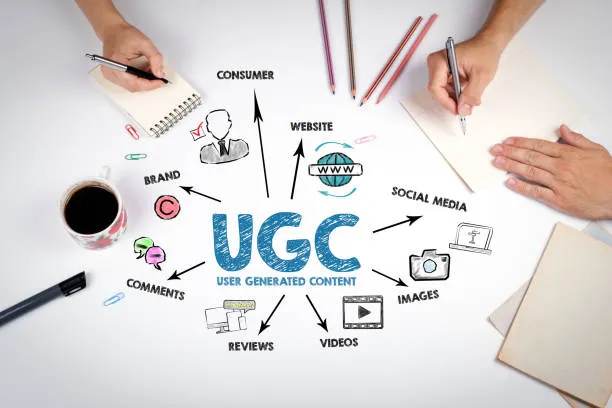
Something remarkable happens when customers start creating content about your brand. It spreads faster than anything your marketing team could produce. More people trust it. And best of all, it costs you almost nothing.
We live in an age where traditional advertising feels fake. People scroll past polished ads without a second thought. But show them a real person using a real product? That stops the scroll. User generated content has become the currency of trust in modern marketing, and brands that understand this are winning.
The Trust Factor Nobody Can Fake
Think about the last time you bought something online. Did you read the reviews first? Of course you did. We all do. According to research, over 90 percent of consumers read reviews before making a purchase decision. That number tells us everything we need to know about where trust lives in 2026.
Traditional advertising asks us to believe what a company says about itself. User generated content shows us what actual customers think. The difference matters more than most marketers realize. When someone posts a photo of themselves using your product, they’re not trying to sell anything. They’re sharing an experience. That authenticity cuts through the noise in ways that million dollar ad campaigns simply cannot match.
Brands spend fortunes trying to appear trustworthy. They hire celebrity endorsers and craft perfect messages. Meanwhile, a single honest review from a verified customer carries more weight than all of that combined. This shift represents a fundamental change in how people make decisions. The power has moved from corporations to communities.
Why People Create Content for Brands
You might wonder why anyone bothers creating content for companies. They’re not getting paid. Nobody forces them to post. Yet millions of people share brand experiences every single day.
The answer lies in human psychology. We want to share discoveries. When we find something great, telling others makes us feel good. Social media amplified this natural tendency and turned it into a global phenomenon. Every product photo, every unboxing video, every review represents someone saying “look what I found.”
Some people create content because they genuinely love a brand. Others do it for social status. Posting about certain products signals something about who we are. A photo with the right brand in the background tells a story about taste, values, or lifestyle. This turns products into props in our personal narratives.
Recognition plays a role too. Brands that feature customer content make those customers feel seen and valued. Getting reposted by a major brand account feels like winning something. This creates a positive feedback loop where more people create content hoping for that moment of recognition.
The Economics Make Perfect Sense
Marketing budgets stretch only so far. Every dollar spent on traditional advertising needs to justify itself with measurable returns. User generated content flips this equation completely.
Instead of paying production crews, photographers, and models, brands get free content from customers. Instead of buying ad space, they leverage the networks of real people. The cost savings alone make this approach attractive. But the benefits go far beyond saving money.
User generated content performs better than branded content across almost every metric. Higher engagement rates. Better conversion numbers. Stronger emotional connections. When you factor in both the lower costs and the better performance, the return on investment becomes impossible to ignore.
Smart brands have figured out how to systematize this. They create hashtags that make sharing easy. They run contests that encourage participation. They build communities where customers naturally want to engage. Each piece of content they receive becomes an asset they can use across multiple channels.
Social Proof at Scale
We make decisions based on what others do. This psychological principle, called social proof, has driven human behavior forever. User generated content transforms social proof into a marketing superpower.
One positive review helps. Ten reviews help more. A thousand reviews create an overwhelming sense that choosing this product is the right decision. The math works in favor of brands that accumulate user content over time. Each new piece adds to the pile of evidence that real people trust and enjoy what you offer.
The visual nature of modern social media makes this even more powerful. Seeing dozens or hundreds of people wearing the same jacket, using the same phone, or visiting the same restaurant creates a bandwagon effect. We naturally want to be part of experiences that others clearly enjoy.
Brands can showcase this social proof in countless ways. Customer galleries on websites. Social media feeds dedicated to user content. Email campaigns featuring real customer stories. Each touchpoint reinforces the message that choosing this brand means joining a community of satisfied customers.
Authenticity Cannot Be Manufactured
Marketing teams work hard to make brands feel authentic. They use casual language, real looking models, and relatable scenarios. Despite all this effort, people can smell marketing from a mile away.
User generated content bypasses this problem entirely. It IS authentic because it comes from real people with no corporate agenda. The lighting might be bad. The composition might be off. The writing might contain typos. None of that matters because the authenticity shines through anyway.
This raw quality actually helps rather than hurts. Perfect content looks produced. Imperfect content looks real. In an environment where everyone assumes they’re being sold to constantly, real stands out like a beacon.
Brands that embrace this imperfection demonstrate confidence. They’re saying we don’t need to control every image or message because our product speaks for itself through the experiences of actual users. This confidence itself becomes a form of marketing.
The Content Creation Crisis Solved
Every content marketer faces the same challenge. The internet demands endless fresh content. Creating all that content internally requires massive resources. Teams burn out. Budgets explode. Quality suffers.
User generated content solves this problem elegantly. Instead of one content team, you have thousands of content creators working for free. Instead of brainstorming campaign ideas, you simply curate what customers already create. The volume and variety exceed what any internal team could produce.
This content also covers angles that professional marketers might miss. Real customers use products in unexpected ways. They share benefits that the brand never highlighted. They create contexts and scenarios that market research never predicted. This diversity makes the overall content ecosystem richer and more interesting.
Brands that tap into this resource effectively never run out of content. They always have fresh material for social posts, email newsletters, website updates, and advertising campaigns. The content pipeline becomes self sustaining.
Community Building Through Contribution
When customers create content about a brand, they invest themselves in that brand’s success. This investment transforms casual buyers into community members.
Contributors feel ownership. They helped build something. Their photo or video or review is now part of the brand’s story. This emotional connection goes deeper than any loyalty program points or discount codes could achieve.
Smart brands nurture these communities carefully. They respond to user content. They celebrate contributors. They create spaces where customers can connect with each other. The brand becomes a hub for people who share common interests or values.
These communities become self perpetuating. New customers see the existing community and want to join. They create content to signal their membership. This content attracts more people who want to belong. The cycle continues growing with minimal intervention from the brand.
Search Engines Love Fresh Authentic Content
Google’s algorithms have grown sophisticated at detecting and rewarding authentic content. User reviews, customer testimonials, and genuine user experiences all help websites rank higher in search results.
Each piece of user generated content adds unique text to a website. Search engines index this text. Someone searching for specific product information might land on a page because a customer mentioned that exact use case in a review. This creates organic traffic that paid advertising cannot match.
The constant stream of new user content also signals to search engines that a website stays active and relevant. Sites that update regularly rank better than static sites. When customers continuously add reviews and comments, they keep your site fresh without you lifting a finger.
Local businesses benefit especially from user reviews on platforms like Google. Positive reviews improve local search rankings dramatically. They also increase the likelihood that someone clicks through to visit or contact the business. This makes user generated content crucial for local SEO strategy.
Video Content Dominates Everything
Short form video has taken over social media. Platforms like TikTok and Instagram Reels prioritize video content in their algorithms. Creating enough video to stay relevant seems impossible for most brands.
User generated video content saves the day. Customers create unboxing videos, product demonstrations, tutorials, and lifestyle content featuring brands they love. This video content feels more genuine than anything a brand could produce in a studio.
The algorithm boost matters tremendously. Platforms want to show engaging content to keep users scrolling. User generated videos often perform better than branded content because they feel less like advertisements. This means more reach and more impressions without spending money on promotion.
Brands can encourage video creation through challenges, contests, and clear calls to action. Making it easy for customers to share video content increases the volume dramatically. Some brands even provide templates or music tracks to lower the barrier to entry.
The Influencer Economy Evolved
Influencer marketing exploded over the past decade. Brands paid creators with large followings to promote products. This worked for a while. Then people got savvy. They could tell when influencers only promoted products for money.
The new frontier involves micro and nano influencers. These are regular people with smaller but highly engaged audiences. Their endorsements carry more weight because their followers trust them more. They are user generated content creators who happen to have audiences.
Many brands now focus on empowering these smaller creators rather than chasing celebrity influencers. The ROI often proves better. The content feels more authentic. The relationships last longer. This represents user generated content meeting influencer marketing in the middle.
The best part? These creators often produce content simply because they love a product. The brand support and recognition they receive in return feels like compensation enough. This creates a win win situation where both sides benefit without large cash exchanges.
Challenges and Considerations
User generated content is not all sunshine and rainbows. Brands need to navigate several challenges carefully.
Quality control becomes tricky. You cannot dictate what customers create. Sometimes the content does not look how you want. Sometimes it misrepresents your brand. Finding the balance between curation and censorship requires careful judgment.
Legal considerations matter too. You need rights to use customer content. This means clear terms of service and often explicit permission from creators. Failing to get proper rights can lead to legal problems and PR nightmares.
Negative content happens. Not every customer loves every product. Bad reviews and critical posts are inevitable. How brands respond to negative user content defines their character. Deleting everything negative looks suspicious. Engaging thoughtfully with criticism builds trust.
Fake reviews and content manipulation plague some industries. Competitors might post negative fake content. Desperate brands might create fake positive content. These practices undermine trust in user generated content overall. Platforms and brands must work together to maintain authenticity.
Measuring What Matters
How do you know if user generated content actually works? Traditional marketing metrics do not always apply cleanly.
Start with volume. How much content are customers creating? Is it increasing over time? Growth in user content creation suggests growing engagement and brand love.
Engagement metrics matter tremendously. Do people interact with user generated content more than branded content? Higher engagement rates validate the effectiveness of featuring customer content.
Conversion tracking reveals the bottom line impact. Do people who view user generated content convert at higher rates? Tracking this requires proper attribution systems but the insights prove invaluable.
Sentiment analysis helps understand what people really think. Are the messages in user content positive, negative, or neutral? Tracking sentiment over time shows whether brand perception improves.
Brand reach expands when users share content. Each share introduces your brand to new potential customers. Measuring reach and impressions from user generated content shows its amplification effect.
Creating a Culture That Encourages Sharing
Brands that generate the most user content do not rely on luck. They deliberately create environments where sharing feels natural and rewarding.
Make sharing easy. Clear hashtags, simple submission processes, and intuitive interfaces lower barriers. If creating and sharing content feels like work, most people will not bother.
Provide recognition. Feature user content prominently. Tag creators. Celebrate their contributions. People crave recognition and will create more content when they know the brand notices and appreciates them.
Offer incentives strategically. Contests and giveaways spike content creation. Just make sure the incentives align with authentic engagement rather than manipulating people into fake enthusiasm.
Build narrative frameworks. Give customers stories they want to be part of. When people understand how their content fits into a larger brand narrative, they create more thoughtfully and enthusiastically.
Foster community connections. Help customers connect with each other. When people form relationships around a brand, they naturally create and share content within those relationships.
The Future Looks Even More User Driven
Technology keeps evolving and user generated content evolves with it. Several trends point toward an even more user driven future.
Augmented reality tools make content creation more interactive and fun. Customers can virtually try on products and share those experiences. These technologies lower creation barriers while increasing engagement.
Artificial intelligence helps brands curate and optimize user content at scale. AI can identify the best user submissions, suggest ideal posting times, and even help match content with relevant audiences. This makes managing large volumes of user content more feasible.
Blockchain and web3 technologies might transform how brands and creators exchange value. Tokenized rewards, NFT collections, and decentralized communities could create new models for user generated content ecosystems.
Virtual and metaverse experiences will generate entirely new categories of user content. As people spend time in virtual spaces, they will create and share experiences from those spaces. Forward thinking brands are already positioning themselves in these emerging platforms.
Privacy regulations continue shaping how brands collect and use user content. Stricter rules might seem like obstacles but they actually help by forcing more transparent and ethical practices. Brands that respect user privacy while encouraging content creation will thrive.
Practical Steps to Start Today
Any brand can begin leveraging user generated content immediately. Start small and build momentum over time.
Create a branded hashtag if you do not have one already. Make it simple, memorable, and unique. Promote this hashtag everywhere your brand shows up. Encourage customers to use it when sharing content.
Set up systems for discovering user content. Monitor your hashtag. Check brand mentions across platforms. Use social listening tools to find conversations you might miss organically.
Reach out to creators for permission. When you find great user content, ask if you can share it. Most people say yes enthusiastically. This builds relationships while securing rights.
Feature user content prominently. Add customer photo galleries to your website. Dedicate social media posts to showcasing customer stories. Include user testimonials in email campaigns.
Run a simple contest. Ask customers to share photos or videos using your product. Offer a prize for the best submission. Contests generate bursts of content and excitement.
Respond and engage. When someone creates content about your brand, acknowledge them. Like their posts. Leave comments. Share their content. This encourages more creation while building community.
Real Stories Change Everything
At its core, user generated content works because it tells real stories. Not the stories brands craft in boardrooms, but the stories real people live every day.
A photo of a traveler using your backpack in Nepal tells a story about adventure and reliability. A video of a grandmother learning to use your app tells a story about inclusivity and ease. A review from a skeptical customer who became a fan tells a story about products that exceed expectations.
These stories accumulate into a larger narrative about what your brand means in people’s lives. That collective narrative proves more powerful than any advertising campaign because it comes from lived experience rather than creative imagination.
Brands that embrace this reality position themselves for long term success. They stop trying to control every message and start facilitating genuine conversations. They recognize that their customers are their best marketers.
The brands that win in this new landscape are not necessarily those with the biggest budgets. They are the ones that build products worth talking about and create environments where customers want to share their experiences. They understand that user generated content is not just a marketing tactic but a fundamental shift in how brands and customers relate to each other.
The Transformation Is Already Happening
Look around and you will see user generated content everywhere. Instagram feeds full of product tags. YouTube channels dedicated to unboxing and reviews. Reddit communities discussing brands with brutal honesty. Twitter threads praising or criticizing customer service experiences.
This transformation is not coming. It already arrived. The only question is whether brands adapt or get left behind.
Companies that cling to old models of top down messaging will struggle. Audiences tune them out. Their content feels stale and corporate. They spend more for worse results.
Meanwhile, brands that embrace user generated content thrive. They benefit from endless authentic content. They build loyal communities. They acquire customers more efficiently. They weather criticism better because they have armies of advocates ready to defend them.
The gold rush is happening right now. User generated content represents the single most valuable untapped resource in modern marketing. Smart brands are staking their claims and reaping the rewards.
Your customers want to share their experiences. They want to be heard and recognized. They want to be part of something bigger than a transaction. Give them that opportunity and watch what happens. The content they create will prove more valuable than anything your marketing team could produce alone.
That is why user generated content is brand gold. It costs little, performs exceptionally, and builds communities that last. The brands that master this approach will dominate their categories for years to come.