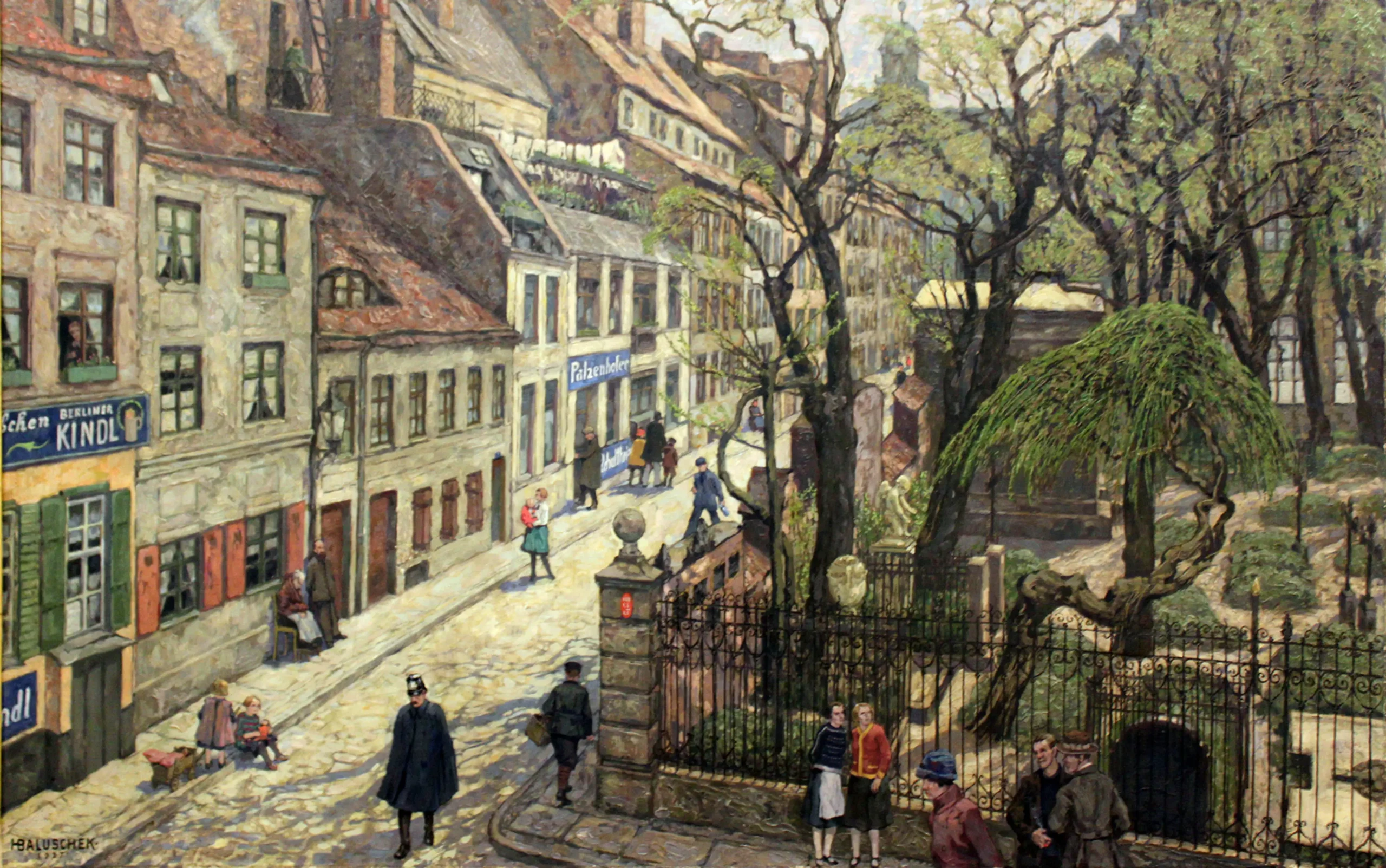
When Cities Stop Being Backdrops and Start Telling Their Own Stories
Picture this. You’re reading a novel and suddenly realize the real main character isn’t the detective or the artist or the struggling student. It’s the city itself. The streets pulse with secrets. Buildings whisper histories. Alleyways breathe with hidden lives.
Cities aren’t just settings anymore. They’ve evolved into full blown characters with personalities, moods, and voices that rival any human protagonist. And honestly? It’s about time we talked about it.
The Urban Revolution That Changed Everything
Literature didn’t always treat cities this way. Go back a few centuries and you’ll find cities serving as polite backdrops. Pretty scenery. Nothing more.
Then came the Industrial Revolution and everything exploded.
Suddenly millions of people crammed into sprawling urban centers. Factories belched smoke. Streets overflowed with humanity. The sheer chaos and energy demanded attention. Writers couldn’t ignore it anymore. They had to engage with this new beast called the modern city.
Charles Dickens saw London as a living organism. Victor Hugo made Paris sing through his pages. These weren’t passive locations. They were active forces shaping destinies and crushing dreams.
Share this article with your book club friends who love deep dives into literature.
Why Cities Make Better Characters Than You Think
Here’s something wild. Cities possess every trait we associate with compelling characters.
They have memory. Every street corner holds stories from decades past. Buildings carry scars from wars, celebrations, tragedies. Walk through any old neighborhood and you’re literally stepping through layers of accumulated history.
They have personality. Mumbai buzzes with frantic entrepreneurial energy. Paris exudes romantic melancholy. Tokyo blends ancient tradition with neon futurism. Each city speaks its own language and sets its own rhythm.
They have agency. Cities shape the people within them. They create opportunities and barriers. They foster certain behaviors and discourage others. Try being a nature loving hermit in Manhattan. The city will fight you every step.
They evolve. Cities transform across seasons, decades, centuries. They experience youth, maturity, decay, and sometimes rebirth. Just like human characters grow throughout a narrative, cities undergo their own arcs.
The Streets That Speak Louder Than Words
Let’s talk about how writers actually pull this off.
Sensory Overload as Storytelling
Great urban literature drowns readers in sensation. Not flowery descriptions but raw immediate details that make you feel the city in your bones.
The stench of garbage rotting in summer heat. The screech of subway brakes. The press of bodies in a crowded marketplace. The sudden quiet of a residential side street at 3 AM.
James Joyce mastered this with Dublin. His characters wander through streets that assault every sense. You don’t just read about Dublin. You smell it, hear it, taste it. The city becomes impossible to separate from the story itself.
Italo Calvino took it further in “Invisible Cities.” He created 55 imaginary cities, each one a meditation on urban life, desire, memory, and death. These cities exist as pure character without needing human protagonists at all.
Don’t miss this insight. Bookmark this page and come back when you start your next urban novel.
Architecture as Psychology
Buildings aren’t neutral structures. They’re expressions of power, aspiration, fear, hope.
Skyscrapers represent ambition reaching toward the sky. Cramped tenements speak to inequality and struggle. Abandoned factories symbolize economic collapse and lost dreams. Gentrified neighborhoods tell stories of displacement and change.
Writers use architecture to reveal character. A protagonist living in a sterile high rise apartment experiences urban life differently than someone in a chaotic shared house. The spaces we inhabit shape our internal landscapes.
The Dark Side Nobody Talks About
Cities aren’t all glamour and excitement. They’re also alienation, loneliness, violence, decay.
Urban Isolation in a Crowded Space
Here’s the paradox. You can be surrounded by millions and feel completely alone.
Modern urban literature obsesses over this theme. T.S. Eliot’s “The Waste Land” captures the spiritual emptiness of city dwellers disconnected from each other and themselves. People move through crowds like ghosts, present but not really there.
Social media intensified this phenomenon. We’re more connected than ever through technology while remaining emotionally isolated. Contemporary urban fiction explores characters scrolling through phones on packed trains, physically present but mentally elsewhere.
The city becomes a character that simultaneously connects and separates. It brings people together while keeping them apart.
The Underbelly Most People Ignore
Every shiny city has shadows. Homeless populations living under bridges. Underground economies operating outside legal systems. Communities pushed to margins as neighborhoods transform.
Writers like Hubert Selby Jr. and Irvine Welsh dove straight into urban darkness. Their cities aren’t tourist destinations. They’re brutal, unforgiving environments that chew up vulnerable people.
These aren’t comfortable reads. They force confrontation with realities many prefer to ignore. But they reveal essential truths about how cities operate and who pays the price for urban development.
Tag someone who needs to read more diverse urban literature.
When Cities Go Futuristic
Science fiction took urban characterization to new levels.
Blade Runner’s Los Angeles
Ridley Scott’s vision of 2019 Los Angeles (based on Philip K. Dick’s novel) created an urban landscape that defined cyberpunk aesthetics. Towering megastructures. Endless rain. Neon advertisements in multiple languages. A city where old and new, East and West, human and artificial all collide.
This Los Angeles isn’t backdrop. It’s a character reflecting themes of identity, authenticity, and what it means to be human. The city’s visual chaos mirrors the protagonist’s internal confusion.
Neuromancer’s Cyberspace Cities
William Gibson imagined cities that exist in digital space. His sprawl isn’t just physical geography but also virtual terrain. Characters navigate both simultaneously.
This presaged our current reality where cities increasingly exist in layers. The physical city. The digital city of online reviews, social media checkins, and virtual communities. The surveillance city of cameras and data collection.
Modern urban dwellers inhabit all these layers at once. Contemporary fiction grapples with this multiplicity.
The Asian Urban Explosion
Western literature dominated urban narratives for decades. Not anymore.
Tokyo’s Many Faces
Haruki Murakami presents Tokyo as surreal, dreamlike, slightly off kilter. His characters drift through familiar streets that suddenly become strange. The city operates according to its own mysterious logic.
Ryu Murakami (no relation) shows Tokyo’s violent underbelly. His cities pulse with danger, desire, and desperation. Youth culture, crime, and technology collide.
These contrasting visions reveal Tokyo’s complexity. It’s simultaneously orderly and chaotic, traditional and cutting edge, welcoming and alienating.
Mumbai’s Organized Chaos
Writers like Suketu Mehta and Vikram Chandra capture Mumbai’s overwhelming energy. The city never stops. It accommodates extremes of wealth and poverty existing side by side. Bollywood glamour meets slum hardship.
Mumbai as literary character embodies contradiction. It’s cruel and generous, ancient and modern, exhausting and exhilarating. Characters either love it or hate it. Nobody feels neutral.
Follow for more deep dives into world literature and urban culture.
How Social Media Changed Urban Storytelling
Instagram transformed how we experience and represent cities.
Suddenly everyone became urban documentarians. We photograph street art, cafes, sunsets between buildings. We create curated versions of city life.
Contemporary writers incorporate this. Characters experience cities through screens. They visit locations because they’re Instagrammable. They form opinions based on online representations rather than direct experience.
This creates interesting tensions. The authentic city versus the performed city. The lived experience versus the shared image. Modern urban literature explores these gaps.
The Pandemic Plot Twist
COVID 19 revealed something profound about cities.
Empty streets in typically crowded metropolises felt apocalyptic. Cities without people became ghost towns overnight. We witnessed urban spaces stripped of their essential element, human activity.
Literature will process this trauma for years. How cities responded. How communities adapted. How some thrived while others struggled. How remote work challenged the necessity of urban density.
Cities proved resilient but not invincible. Post pandemic urban fiction will grapple with questions of fragility, interdependence, and what cities mean when physical presence becomes optional.
Why This Matters Beyond Literature
Understanding cities as characters changes how we engage with urban spaces.
Urban Planning as Character Development
City planners essentially write urban narratives. Their decisions about infrastructure, zoning, public space shape the character their city develops.
Do you want your city to be walkable and intimate? Or car dependent and sprawling? Community focused or individualistic? Green and sustainable or concrete and industrial?
These aren’t just practical questions. They’re existential ones about urban identity and values.
Personal Navigation Through Urban Character
Recognizing your city’s character helps you navigate it better.
If you understand your city values hustle and ambition, you can either embrace that or find pockets of resistance. If your city prioritizes historical preservation, you know change will come slowly. If your city celebrates diversity, you can seek out cross cultural experiences.
Cities aren’t neutral containers. They’re active participants in your life story. Treat them accordingly.
Comment below with your city and three words that describe its character.
The Weird Experimental Stuff That Pushes Boundaries
Some writers completely explode traditional approaches.
China Miéville created Besźel and Ul Qoma in “The City & The City.” Two cities occupy the same physical space but remain separate through intense social conditioning. Citizens learn to “unsee” the other city’s residents and buildings.
This bizarre concept explores how perception shapes urban reality. We already do this. We unsee homeless people. We ignore certain neighborhoods. We create mental maps that emphasize some areas while erasing others.
Jeff VanderMeer’s “Borne” features a ruined biotech city inhabited by giant flying bears and mysterious creatures. The city itself mutates and transforms. Nothing stays stable.
These experimental approaches reveal hidden truths about how cities actually function beneath surface normalcy.
Teaching Cities to Speak Their Own Language
Every city develops unique vocabulary, slang, speech patterns.
New Yorkers talk fast and direct. Southerners drawl. Londoners have distinct class based accents. These linguistic markers immediately signal urban identity.
Writers capture this through dialogue and narration. They let cities speak through their inhabitants’ voices. The rhythm of city speech reflects the rhythm of city life.
Pay attention next time you read urban fiction. Notice how language shifts between cities. Notice how speech patterns reveal character about both speaker and setting.
The Future of Urban Literature
Where does this go next?
Climate Fiction Meets Urban Narrative
Rising seas. Extreme heat. Resource scarcity. Climate change will transform cities dramatically. Literature explores these futures now.
Kim Stanley Robinson’s “New York 2140” imagines Manhattan partially flooded, with buildings becoming islands connected by boats and skywalks. The city adapts and continues.
Other writers imagine abandonment. Mass migration. Urban collapse. These narratives force confrontation with potential realities.
Virtual Cities and Digital Twins
Technology enables creation of complete digital replicas of physical cities. These “digital twins” exist for planning and simulation.
But what happens when virtual cities become destinations themselves? When people spend more time in simulated urban spaces than physical ones?
Future urban literature will navigate relationships between physical and virtual cities. Questions of authenticity and meaning become more complex.
Save this article for your next essay on contemporary literature.
Why You Should Care About Cities as Characters
This isn’t academic theorizing. This affects how you experience everyday life.
When you recognize your city as a character, you develop richer relationship with it. You notice personality quirks. You appreciate complex history. You understand how it shapes you while you shape it back.
Reading urban literature expands your urban consciousness. You learn to see cities differently. To read their stories written in architecture, streets, populations, and changes over time.
You become a better urban dweller. More observant. More engaged. More appreciative of the extraordinary organism you inhabit.
Getting Started With Urban Literature
Want to dive deeper? Here’s your roadmap.
Start with classics. Dickens’ London novels. Dostoevsky’s St. Petersburg. Joyce’s Dublin. These established the foundation.
Then jump to modernists. T.S. Eliot. Virginia Woolf. John Dos Passos. They experimented with form to capture urban consciousness.
Explore contemporary voices. Zadie Smith’s London. Teju Cole’s New York. Orhan Pamuk’s Istanbul. They bring fresh perspectives.
Don’t ignore genre fiction. Crime novels, thrillers, and science fiction often feature the strongest urban characterization. Cities become crime scenes, conspiracy networks, dystopian prisons, utopian dreams.
Mix regions. Don’t just read Western cities. Explore Asian, African, Latin American urban literature. Every culture approaches urbanization differently.
The Uncomfortable Truth About Urban Growth
Let’s get real for a moment.
By 2050, roughly 68% of humanity will live in urban areas. That’s billions of people packed into cities. The urbanization process continues accelerating despite challenges.
This massive shift fundamentally changes human experience. We’re becoming an urban species. Our stories increasingly become city stories whether we acknowledge it or not.
Literature must grapple with this reality. Writers must develop new languages for urban existence. Readers must cultivate urban literacy.
The alternative? Missing the story of our own time. Failing to understand the forces shaping human destiny.
Don’t be that person. Engage with urban literature today.
When Cities Die
Not all cities thrive. Some collapse. Some empty out. Some transform beyond recognition.
Detroit represents spectacular urban decline. Once thriving motor city became symbol of industrial collapse. Writers like Elmore Leonard and Charlie LeDuff documented this trajectory.
But here’s the twist. Detroit also represents urban resilience. Artists, entrepreneurs, and communities work to reimagine the city’s character. Death becomes transformation rather than ending.
Urban literature explores these cycles. Rise and fall. Bloom and decay. Death and rebirth. Cities mirror natural processes despite their artificiality.
Your City Is Talking. Are You Listening?
Every city tells stories constantly. Through graffiti. Through which businesses thrive. Through who walks which streets at which times. Through what gets preserved and what gets demolished.
These stories reveal values, priorities, conflicts, dreams. They show who holds power and who gets marginalized. They trace money flows and social movements.
Most people tune it out. Too busy. Too distracted. Too focused on individual concerns.
But once you learn to read urban narratives, you can’t unread them. The city becomes text. Every walk becomes reading experience.
This skill transfers beyond literature. It makes you better informed citizen. Better neighbor. Better advocate for positive urban development.
The Final Word That Changes Everything
Cities aren’t just where stories happen. Cities ARE stories.
Every street corner holds a thousand tales. Every building witnessed countless lives. Every neighborhood pulses with accumulated histories, present dramas, and future possibilities.
Literature taught us to see this. To recognize cities as living entities with agency, personality, and narrative arc.
Now it’s your turn. Look at your city differently. Read it like a novel. Listen to its voice. Understand its character.
Then share what you discover. Write your own urban stories. Add your voice to the ongoing conversation about what cities mean and what they’re becoming.
The city is waiting. The page is blank. The story needs telling.
Drop a comment sharing your favorite urban novel or tell us what character your city would be. Let’s start a conversation that spans continents and skylines. Share this with everyone who loves cities, books, or both.