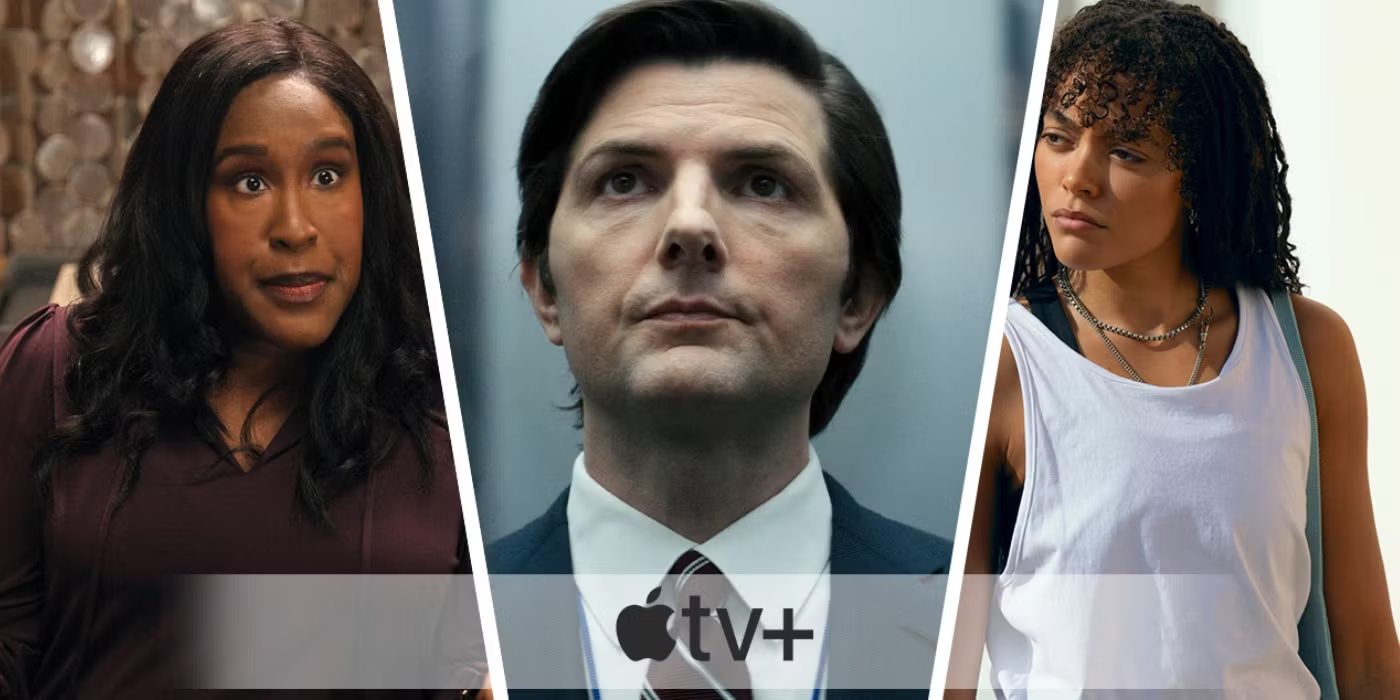
Forget everything you thought you knew about streaming wars.
While Netflix chased volume and Disney+ relied on franchise nostalgia, Apple TV Plus quietly pulled off something unprecedented in 2025. The streamer that once seemed like an afterthought in the streaming landscape suddenly owned the conversation. Emmy domination. Record breaking viewership. Shows that people actually talked about at dinner parties instead of just binge watching alone.
The strategy? Quality over quantity. HBO vibes with tech money budgets. Limited series that feel cinematic. Returning shows that somehow get better with each season.
2025 became Apple TV’s coronation year. From Seth Rogen’s Hollywood satire breaking Emmy records to Severance season 2 proving three year waits can actually be worth it, the platform delivered hit after hit after hit. And this list doesn’t even include juggernauts like Shrinking and Ted Lasso that didn’t release new seasons this year.
Ready to discover which Apple TV shows defined 2025? Buckle up. This ranking goes deep.
The HBO Strategy That Actually Worked
Apple TV Plus launched in 2019 with a controversial approach. Instead of licensing thousands of existing shows and movies like competitors, they committed to original content only. Instead of flooding the platform with mediocre filler, they greenlit fewer projects with massive budgets and top tier talent.
Critics questioned whether this model could sustain a streaming service. Subscribers want variety, conventional wisdom said. They want endless scrolling options even if most are trash they’ll never watch.
Apple ignored that wisdom completely. They studied early HBO when that network built its reputation on The Sopranos, The Wire, and Six Feet Under rather than volume. Quality as brand identity. Prestige as positioning.
The bet took years to pay off. But 2025 proved the strategy works. Apple TV Plus earned more Emmy nominations than ever before. Critical acclaim translated to subscriber growth. Shows like Severance and The Studio became cultural phenomena discussed beyond typical TV fan circles.
The platform still offers fewer total titles than Netflix or Disney Plus. But completion rates are higher. Viewer satisfaction scores consistently top industry surveys. People finish Apple TV shows because they’re actually worth finishing.
That distinction matters more than raw subscriber numbers suggest. In an era of content overload where most streaming shows disappear from conversation within days of release, Apple TV creates shows people remember, discuss, and genuinely care about.
Share this with your friend who still thinks Netflix has the best originals.
Why The Studio Rewrote Emmy History
The Studio arrived in early 2025 with modest expectations. Sure, Seth Rogen’s name attached generated interest. Yes, the Hollywood insider angle seemed promising. But another industry satire? How original could it be?
Then the show dropped. And critics lost their minds. A 92% Rotten Tomatoes score emerged. Word of mouth exploded. By the time Emmy nominations rolled around, The Studio had become the comedy to beat.
The show follows Matt Remick, a mid level executive suddenly promoted to studio head at Continental Studios. Rogen plays Remick with perfect cringe inducing anxiety. He’s desperate to prove himself, to greenlight meaningful art, to navigate corporate politics without losing his soul. He fails at all of it spectacularly.
What makes The Studio brilliant is its insider specificity. Real industry figures cameo as themselves. The scenarios feel ripped from actual studio meetings. When Remick tries to satisfy a Kool Aid product placement mandate by greenlighting a Scorsese film about the Jonestown massacre, it’s absurd but also completely plausible given modern studio priorities.
The supporting cast elevates every episode. Catherine O’Hara as powerful agent Patty Leigh steals scenes effortlessly. The parade of A list cameos never feels gimmicky because they’re playing heightened versions of themselves navigating the same broken system Remick does.
The Studio’s Emmy performance made history. The show won 13 awards, breaking the record for most wins by a comedy in a single season. Outstanding Comedy Series, Lead Actor for Rogen, Supporting Actress for O’Hara, writing, directing. The sweep was total and unprecedented.
For context, previous record holder Schitt’s Creek won 9 Emmys in 2020. The Studio’s 13 wins shattered that by nearly 50 percent. The achievement validated Apple TV’s prestige positioning and proved audiences hungry for smart comedy still exist.
Critics particularly praised The Studio’s balance of satire and heart. Remick is mockable but also sympathetic. The show skewers Hollywood’s worst instincts while acknowledging real people work within this system trying to create meaning. That nuance separates The Studio from simpler industry takedowns.
The show also benefits from perfect 2025 timing. As theatrical releases struggle and streaming dominance reshapes entertainment economics, a show about studios desperately chasing both art and profit hits differently. The Studio isn’t just funny. It’s uncomfortably relevant.
Don’t miss out on this before everyone at work starts quoting it.
Severance Season 2 Was Worth Every Second Of The Wait
Credits: THR
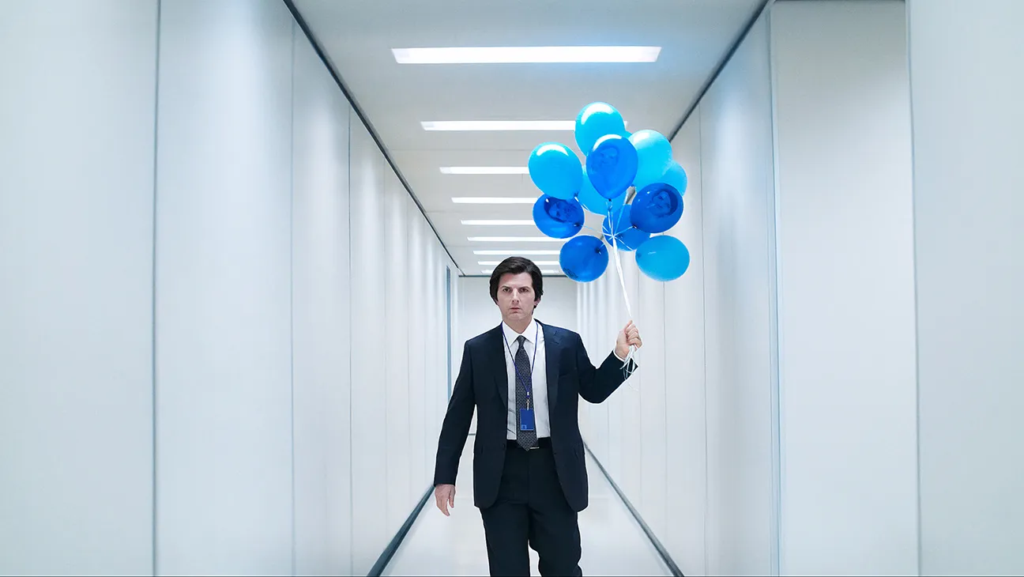
Three years. Fans waited three agonizing years between Severance seasons 1 and 2. The season 1 finale aired February 2022. Season 2 didn’t premiere until January 2025. That gap felt eternal in streaming time where shows typically return annually or die trying.
But Severance season 2 justified every second of that wait. The show returned with confidence, expanding its mythology while deepening character work. The season 2 finale “Cold Harbor” stands as one of the greatest episodes of television in any year, a cinematic achievement that most movies can’t match.
For the uninitiated, Severance follows employees at Lumon Industries who undergo a procedure separating their work memories from personal memories. Their “innie” selves only exist at work. Their “outie” selves have no idea what happens during work hours. The premise invites endless philosophical questions about identity, consciousness, and corporate control.
Adam Scott plays Mark Scout, a grieving widower whose innie and outie are separately processing trauma. Season 1 established the concept brilliantly. Season 2 complicated everything beautifully. The finale’s camcorder conversation between innie Mark and outie Mark crystallizes the show’s central tension: these aren’t two halves of one person. They’re two distinct individuals whose needs contradict.
That scene alone, Scott performing opposite himself with such emotional precision, would justify the series’ existence. But Severance delivers moments like that consistently. Britt Lower as Helly R slash Helena Eagan gives a powerhouse performance exploring identity and autonomy. Her Emmy win for Outstanding Lead Actress in a Drama felt inevitable and completely deserved.
The show earned 27 Emmy nominations total, the most of any series in 2025. Beyond Lower’s win, Tramell Tillman took home Outstanding Supporting Actor, making history as the first Black actor to win in that category. The show collected 8 Emmy awards total across various ceremonies, cementing its status as prestige television at its finest.
What’s remarkable about Severance is how it trusts its audience. The show refuses to over explain. It lets mysteries breathe. It prioritizes mood and theme over constant plot acceleration. That patience creates depth most streaming shows can’t achieve because they’re too busy checking algorithmic boxes.
Director and showrunner Dan Erickson and director Ben Stiller created a visual language that’s both retro and futuristic. The Lumon hallways feel simultaneously 1970s corporate and dystopian sci fi. The color palette of muted greens and institutional beiges creates oppressive atmosphere. Every frame looks deliberate and stunning.
The action sequences in season 2 shocked fans. Nobody expected Severance to deliver genuine thriller moments, but Scott running through testing floors, Lower’s Helly confronting corporate overlords, the violence erupting in the finale. Scott became an unlikely action star while maintaining the show’s cerebral core.
Season 2 ended with massive cliffhangers and paradigm shifts. The wait for season 3 begins now. Hopefully it won’t take another three years, but if season 3 maintains season 2’s quality, fans will endure whatever wait necessary.
Tag your most patient friend who deserves this level of payoff.
Pluribus Became The Most Watched Apple TV Show Ever

Credits: Mashable
When Pluribus premiered in late 2025, expectations ran high but specific. Vince Gilligan, creator of Breaking Bad and Better Call Saul, was tackling science fiction for the first time. Rhea Seehorn, who should have won Emmys for Better Call Saul, was finally leading her own series. The premise about a hive mind taking over humanity sounded intriguing but potentially niche.
Then viewership numbers started rolling in. Before the season even finished airing, Pluribus became the most watched show in Apple TV Plus history. It dethroned Severance, which previously held that crown. The audience appetite for Gilligan’s particular brand of storytelling proved massive even in unfamiliar genre territory.
Pluribus opens with Carol Sturka waking alone in Albuquerque, New Mexico after an alien virus connects most of humanity into a collective consciousness. The infected aren’t zombies. They’re functional, happy, unified. They’ve transcended individual ego and live in perfect cooperation. Carol and a handful of immune survivors represent the last separate human minds on Earth.
The show’s genius lies in perspective. Most apocalypse stories frame survival as heroic and collective consciousness as villainous. Pluribus questions that framing. The hive mind people seem genuinely happy. They’ve solved war, poverty, loneliness. Meanwhile, Carol and fellow survivors bring conflict, selfishness, and chaos. Who’s actually the villain here?
Gilligan crafted Pluribus specifically to avoid creating another villain protagonist like Walter White. He wanted to explore “an apocalypse with no danger,” a world ending scenario where survivors stop in their tracks not knowing how to respond to a puzzle rather than a battle.
Seehorn carries the show magnificently. Most episodes feature her alone or with minimal supporting cast, essentially a one woman show. She navigates grief, confusion, ethical quandaries, and practical survival with layered performance that should earn Emmy nominations. The show balances humor and philosophy beautifully, creating tone unlike anything else on television.
Critical reception matched the viewership. Pluribus earned a 98% Rotten Tomatoes score for its first season. Industry insiders predict major awards season presence. The show proves smart science fiction can attract mainstream audiences when executed with Gilligan’s level of craft.
Apple TV’s willingness to give Gilligan complete creative freedom resulted in television that challenges viewers while entertaining them. Pluribus doesn’t spoon feed answers. It presents scenarios and lets audiences wrestle with implications. That respect for viewer intelligence elevates the entire medium.
The Morning Show Season 4 Stayed Quietly Excellent
Credits: Prime Video
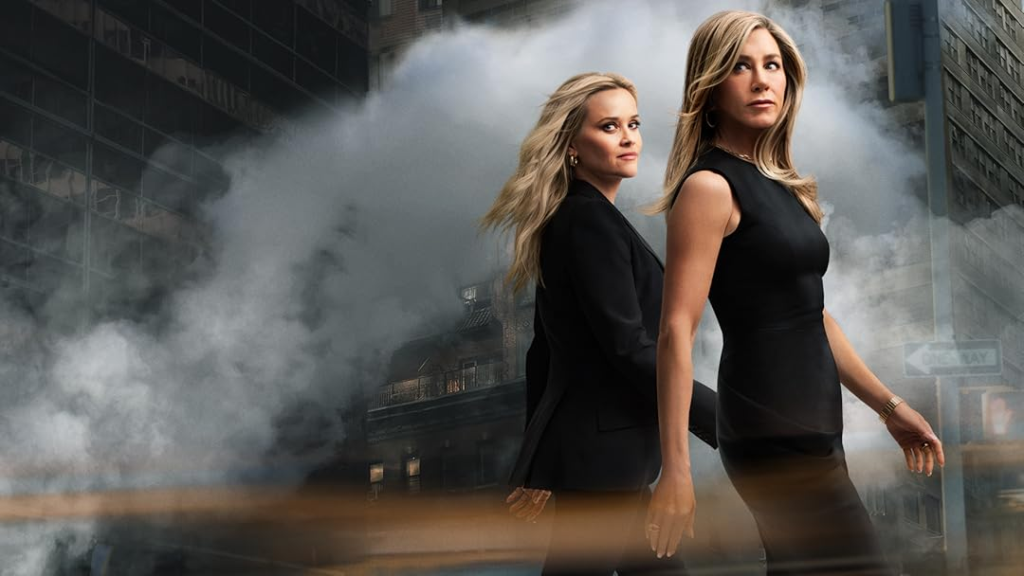
The Morning Show doesn’t generate the same social media frenzy as Severance or The Studio. It’s not the show people loudly stan online. But The Morning Show has been consistently excellent since Apple TV’s 2019 launch, and its fourth season continued that trend.
The series follows morning news show “The Morning Show” and its behind the scenes chaos. Season 4 picks up storylines about corporate mergers, workplace dynamics, and media’s role shaping American culture. The show has demonstrated almost prophetic ability to capture real world events before they fully unfold.
This season’s focus on entertainment company mergers felt even more timely than intended. As Disney swallowed Fox, Warner Bros merged with Discovery, and tech companies bought studios, The Morning Show’s corporate consolidation plot mirrored reality uncomfortably well.
Jennifer Aniston delivered her best performance yet as Alex Levy. The character finally seemed invested in doing right without ulterior motives. Aniston’s work this season, particularly scenes addressing Alex’s complicated relationship with her father, showcased range that reminds everyone she’s more than the Friends star who never left.
Reese Witherspoon’s Bradley Jackson continued bringing chaos and authenticity to the show. The Levy Jackson dynamic remains compelling because both characters are deeply flawed and occasionally terrible but also trying to navigate impossible situations with some integrity intact.
Supporting cast shined throughout. Billy Crudup’s Cory Ellison kept serving as the show’s moral compass and its most enigmatic character. Mia Jordan’s arc particularly resonated as she finally recognized her worth when nobody else would, a storyline that felt both specific to her character and universal for anyone working in corporate environments that exploit loyalty.
The Morning Show benefits from excellent writing that balances workplace drama with broader cultural commentary. It’s a show about journalism, yes, but also about ambition, aging, friendship, and power. Those themes resonate beyond the specific industry setting.
The show also succeeds by constantly evolving. Season 4 doesn’t feel like season 1 stretched thin. Characters grow. Relationships shift. New challenges emerge organically. That progression keeps The Morning Show fresh when many network shows would settle into repetitive patterns.
Share with anyone still sleeping on this underrated gem.
Slow Horses Season 5 Proved Spy Thrillers Never Get Old
Credits: THR
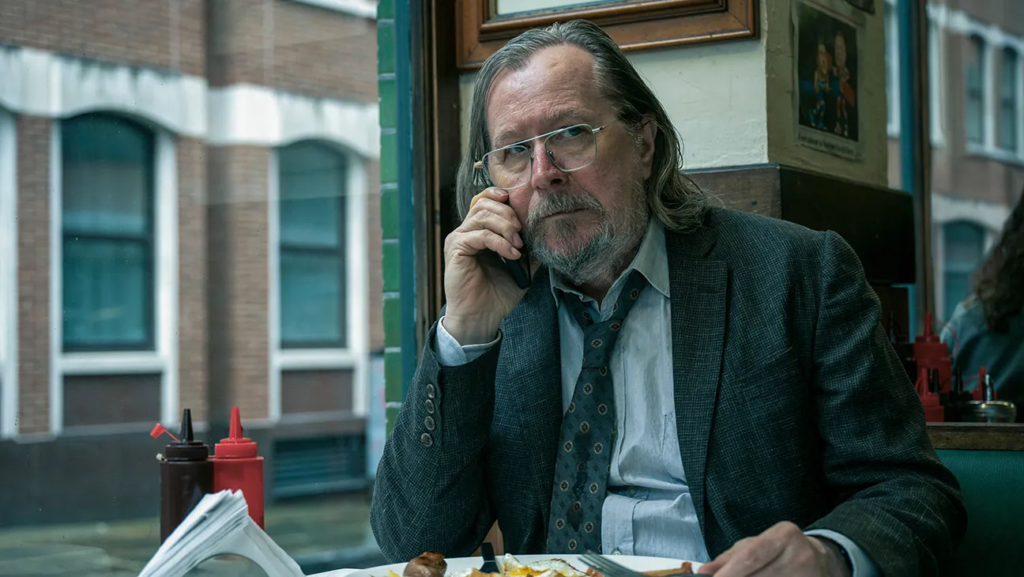
Based on Mick Herron’s Slough House novels, Slow Horses follows a division of MI5 agents considered failures and exiled to pointless busywork. Season 5 escalated stakes as these “slow horses” faced threats targeting UK’s entire leadership structure.
Gary Oldman’s Jackson Lamb remains the show’s magnetic center. Lamb is slovenly, rude, brilliant, and more competent than anyone wants to admit. Oldman plays him with lived in authenticity that makes Lamb feel like a real person rather than a character. His performance grounds even the show’s most outlandish spy craft.
Season 5 introduced destabilization strategies as the primary threat. Unlike previous seasons focusing on specific villains or schemes, this season tackled systemic collapse attempts. That apocalyptic feel kept tension high as River Cartwright and fellow agents raced to prevent London falling into chaos.
The season also delivered long awaited character development for Roderick Ho. After seasons of Ho’s ego going unchecked, season 5 finally humbled him in necessary ways. Meanwhile, Lamb’s backstory continued dropping hints about why he prefers Slough House’s boring safety over prestigious MI5 positions.
One disappointing element was Louisa Guy’s departure. Her mental health break made narrative sense after everything her character endured, but losing her presence hurt. Louisa provided normalcy and grounded perspective for the Slow Horses. Hopefully season 6 brings her back.
Slow Horses excels at propulsive storytelling. Each episode ends on hooks that make waiting a week between installments torture. The show paces like novels that keep you up past bedtime despite knowing you’ll regret it tomorrow. That addictive quality combined with stellar performances and sharp dialogue makes Slow Horses essential viewing.
The show also captures British humor beautifully. Lamb’s insults land with precision. The banter between agents feels authentic rather than quippy. That tonal balance of serious spy stakes and genuine comedy elevates Slow Horses above generic thriller territory.
Your Friends And Neighbors Made Rich People Watchable
Credits: Prime Video
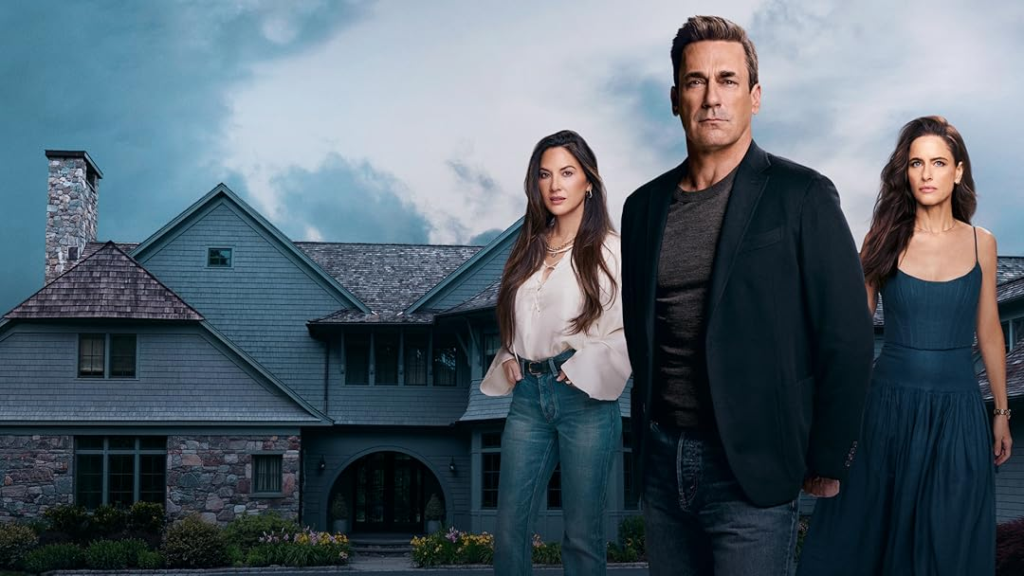
Jon Hamm playing a wealthy suburbanite who robs other wealthy people to maintain his lifestyle shouldn’t work. The premise offers nobody to root for. Robin Hood with zero redeeming redistribution.
But Your Friends And Neighbors became one of 2025’s buzziest shows precisely because Hamm makes morally bankrupt characters compelling. His performance as Coop balances charm and villainy expertly. Viewers recognize Coop is terrible while somehow staying invested in his schemes.
Amanda Peet and Olivia Munn provide excellent support, but Hamm carries the show. His ability to make audiences sympathize with characters who absolutely don’t deserve sympathy has always been his superpower. Don Draper established that. Coop confirms it.
The show frustrates viewers hoping for character growth or redemption arcs. These people don’t fundamentally change. They represent cultures and systems that reward their worst behaviors. Your Friends And Neighbors uses that frustration intentionally, inviting reflection on wealth, privilege, and moral compromise rather than offering easy answers.
Some character evolution exists. Coop demonstrates capacity for growth even if that growth remains limited. But the show primarily functions as mirror held up to affluent America, displaying uncomfortable truths about how people rationalize selfishness when material comfort is at stake.
Your Friends And Neighbors sparked conversations about class, entitlement, and the emptiness of suburban excess. Whether viewers loved or hated the show, they talked about it. That cultural engagement matters more than universal praise for this particular type of provocative television.
Don’t miss this conversation starter before everyone else dissects it.
Foundation Season 3 Continued Asimov’s Legacy
Credits: Prime Video
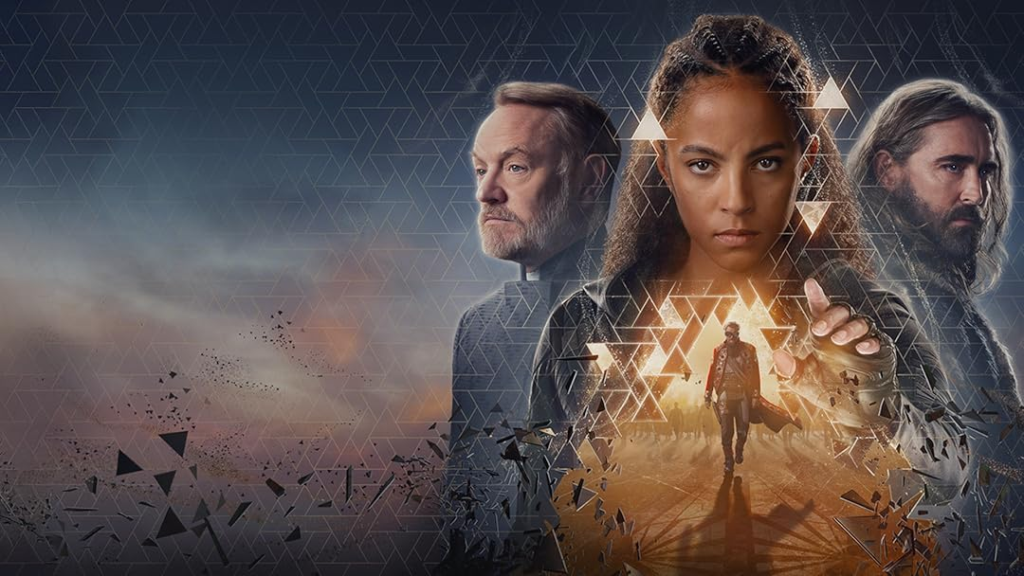
Adapting Isaac Asimov’s Foundation novels always seemed impossible. The books span centuries, focus on ideas over characters, and resist traditional television structure. But Foundation season 3 proved Apple TV’s commitment to cerebral science fiction pays off.
Season 3 had enormous pressure following season 2’s perfect 100% Rotten Tomatoes score. While season 3 didn’t quite match that impossible standard, it delivered compelling television that honored Asimov while branching into original territory.
The show’s Empire storylines consistently outshine its Foundation plots. Lee Pace as Brother Day gives career defining performance as the genetic emperor clone navigating political intrigue and existential questions about identity. Pace’s work, particularly in the emotional season finale, showcases why Foundation succeeds when leaning into characters the books only sketched.
Laura Birn’s Demerzel expanded beyond her novel role to become one of Foundation’s most fascinating figures. The show recognized that Birn and Demerzel resonated with audiences and made space for that character accordingly. Her fate in the season 3 finale delivered genuine emotional gut punch.
Foundation’s willingness to deviate from source material when beneficial demonstrates wisdom. Asimov purists might object, but television requires different storytelling than novels. Foundation honors the books’ themes and scope while building characters viewers care about across multiple timelines.
The production values remain stunning. Foundation looks movie quality every episode. The budget shows in elaborate sets, costume design, visual effects that never feel cheap. Apple’s commitment to prestige extends to ensuring shows look as good as they’re written.
Chief Of War Brought Hawaiian History To Life

Credits: Men’s Health
Jason Momoa’s Chief of War took several episodes finding its rhythm but ultimately delivered heartfelt historical drama that prioritized authenticity over easy accessibility. The show depicts Hawaiian history during colonial contact with stunning visuals and cultural commitment.
The series’ biggest achievement is its Hawaiian language dialogue. Characters primarily speak ōlelo Hawai’i until colonial figures introduce more English. That choice makes Chief of War dense initially but rewards viewers who invest attention. The show trusts audiences to handle subtitles and unfamiliar languages rather than defaulting to English for convenience.
Chief of War shines brightest during personal emotional struggles. The complex relationship between Kupuohi and Namake when believing Ka’iana died brought genuine pathos. These moments of human connection within grand historical events created the show’s emotional core.
Some dialogue felt flat, but once character identities clarified, emotional throughlines drove the narrative effectively. Chief of War demonstrates that historical epics can balance spectacle and intimate character work when given proper space to develop both.
The show’s commitment to historical accuracy matters enormously for representation. Hawaiian stories told by Hawaiian voices using Hawaiian language creates authenticity impossible when colonized narratives dominate. Chief of War offers perspective rarely centered in mainstream television.
Dope Thief Delivered Dark Adventure
Credits: Guardian
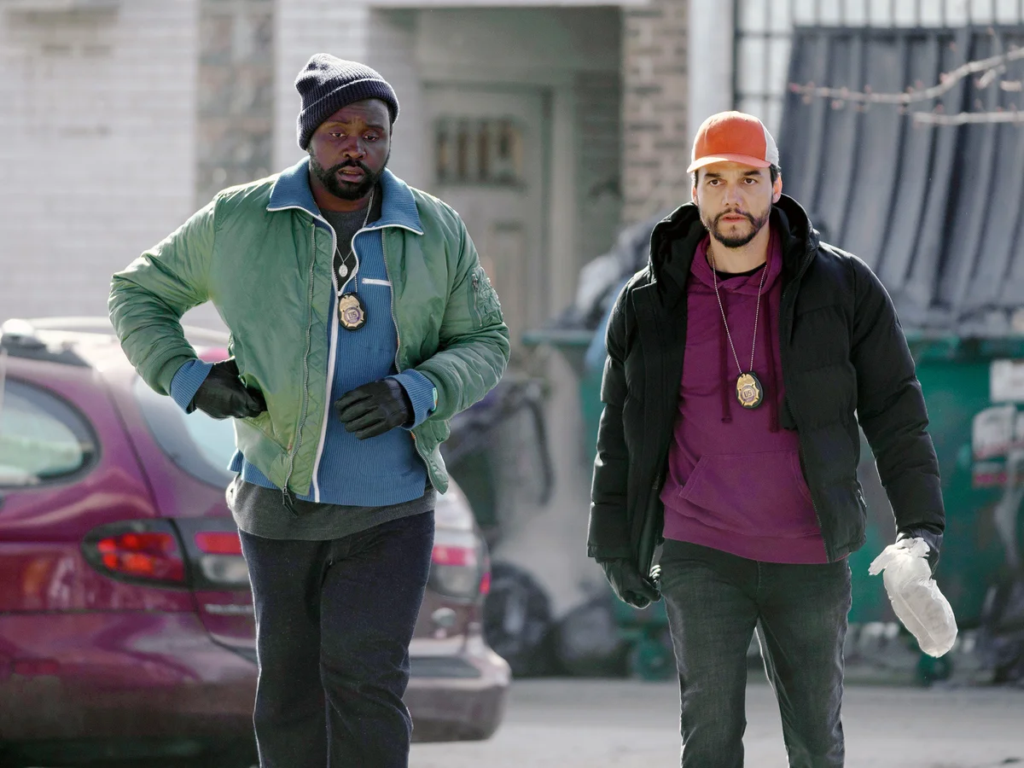
Dope Thief’s premise of criminals posing as DEA agents to rob drug dealers hooks immediately. Brian Tyree Henry and Kate Mulgrew elevate material that could have been generic crime thriller into engaging dark comedy adventure.
Henry brings Atlanta caliber performance to Henry, the character at this scheme’s center. His ability to balance comedy and menace makes even implausible scenarios feel grounded. Mulgrew, forever beloved for Orange is the New Black, matches him perfectly as partner Moura.
The show’s final episodes stretch credibility past breaking points. Events devolve from unlikely to impossible. But viewed as heightened reality rather than gritty realism, Dope Thief remains entertaining throughout. Sometimes suspension of disbelief is admission price for fun rides.
The show succeeded by leaning into its premise hard rather than getting bogged down in procedural details. Dope Thief knows what it is and commits fully. That confidence makes occasional logical leaps forgivable because the show never pretends to be documentary realism.
Mythic Quest Said Goodbye Perfectly
Credits: Ubisoft News
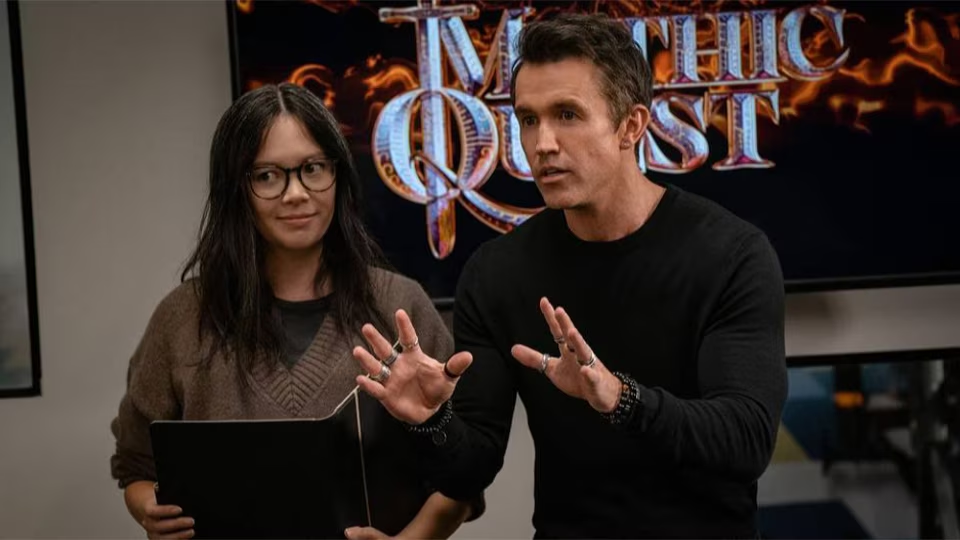
Mythic Quest’s fourth season became its series finale unexpectedly. Apple canceled the show after season 4 completed. But the Mythic Quest team did something unprecedented: they refilmed and replaced the finale to provide proper closure.
The original “Heaven and Hell” episode didn’t function as series finale because nobody knew it would be one. After cancellation, the team created a new version specifically designed to conclude the show. That updated episode replaced the original on Apple TV, becoming the only version available.
Whether the new finale is “better” remains debatable. It’s certainly safer, maintaining status quo for Ian and Poppy’s relationship rather than risking bold swings. But it provides closure the show desperately needed, which matters more than perfect execution.
This represents groundbreaking use of streaming format possibilities. Networks and traditional platforms can’t easily replace episodes post release. Streaming allows that flexibility. Mythic Quest using that opportunity to give fans a proper goodbye demonstrates respect for audience investment.
The gesture matters beyond this specific show. Imagine if other prematurely canceled series could “redo” endings to provide closure. How many shows would benefit from that opportunity? Mythic Quest set precedent that future productions might follow.
Why Apple TV’s Strategy Works
Apple TV Plus succeeds where others struggle because they play a different game. They’re not competing for most subscribers. They’re competing for prestige, critical acclaim, and cultural relevance.
The platform invests heavily in fewer shows. That concentrated spending shows on screen. Apple TV series look and feel expensive because they are. Production values match or exceed theatrical films. Talent attracted to projects includes A list actors and creators who could work anywhere.
The quality over quantity approach also allows proper creative development. Shows aren’t rushed to meet arbitrary content quotas. Writers get time to refine scripts. Production schedules accommodate ambitious setpieces. Post production receives necessary resources for polish.
This model obviously requires deep pockets. Apple’s tech business provides funding most media companies can’t match. They can afford playing long game while competitors chase immediate subscription growth through volume.
But the strategy is working. Apple TV’s subscriber base grows steadily. Critical reception consistently tops industry surveys. Awards recognition continues accumulating. Most importantly, their shows generate genuine cultural conversation rather than algorithm driven watch time that evaporates within days.
What 2026 Holds
Looking ahead, Apple TV seems positioned for continued success. Severance season 3 will dominate whenever it arrives. The Studio’s Emmy wins ensure season 2 will be massive event. New shows in development promise more quality programming.
Apple also benefits from established franchises maturing. Foundation can continue for years adapting Asimov’s vast bibliography. Slow Horses has source material for multiple additional seasons. The Morning Show shows no signs of declining quality.
The streaming wars continue evolving. Netflix pushes volume. Disney leans on IP. Warner Bros Discovery cuts costs. Apple TV maintains its prestige positioning, proving there’s viable business model in being the quality alternative rather than everything to everyone.
For viewers, this competition benefits everyone. Apple TV’s success pressures competitors to improve quality rather than just increasing quantity. When prestige television thrives, the entire medium elevates.
Your Watchlist Awaits
These shows represent television at its finest. Whether craving smart comedy, mind bending sci fi, historical drama, or spy thrillers, Apple TV delivered in 2025. Each show brings unique strengths while maintaining overall excellence.
The beauty of Apple TV’s smaller catalog means catching up feels achievable. Ten outstanding shows is manageable. Fifty mediocre shows is overwhelming. Apple chose the better problem.
So which show tops your list? Are you team Severance for cerebral thrills? Team Studio for industry satire? Team Pluribus for philosophical sci fi?
Drop your ranking in the comments below. Defend your controversial opinions. Share this with friends who need their 2026 watchlist sorted now.
And if you’re still not subscribed to Apple TV Plus, these ten shows prove why 2025 was the year to finally pull the trigger. Quality television isn’t dead. It just lives on Apple TV now.
By order of prestige television everywhere, stop sleeping on these shows. Your couch and remote are calling.