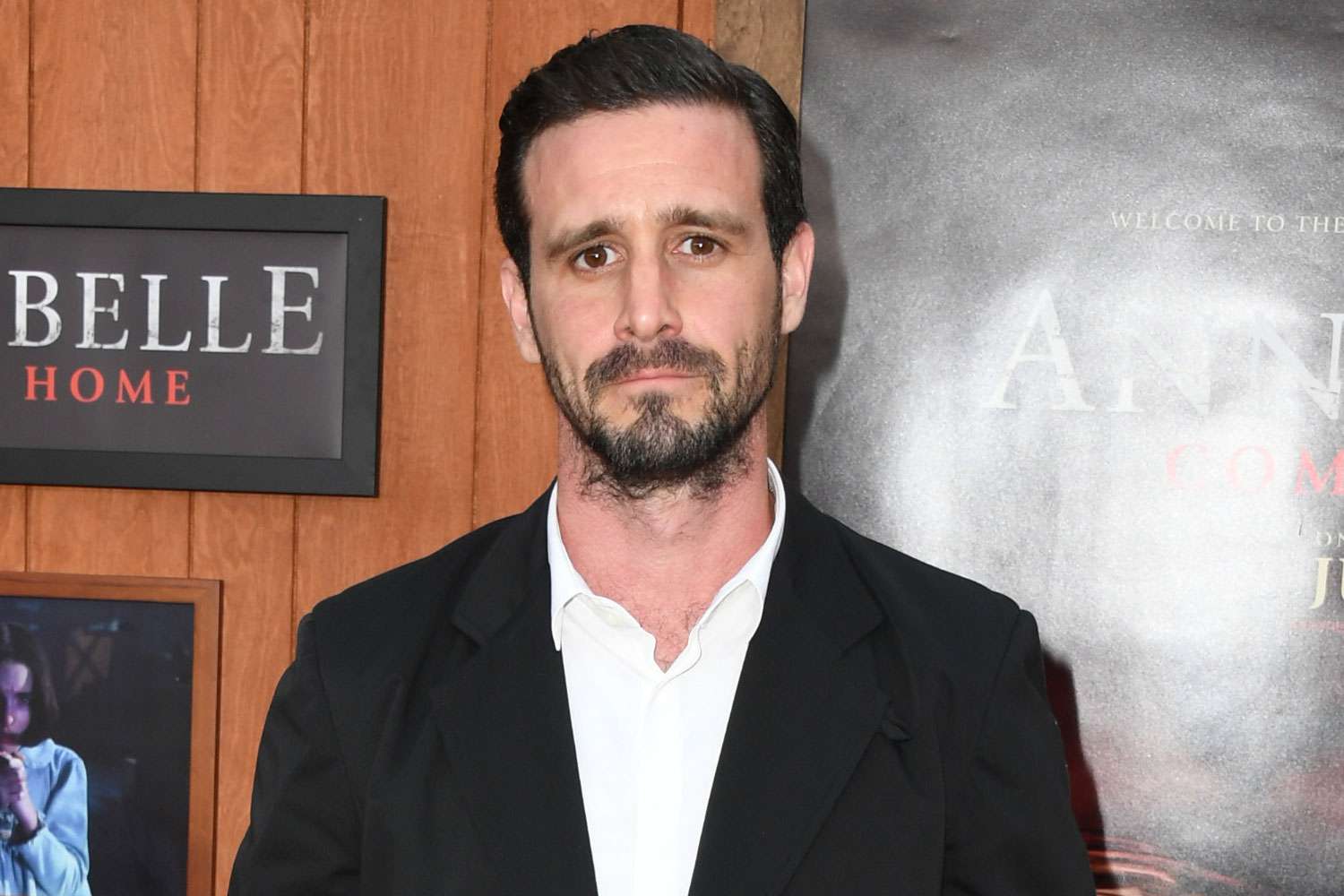
The entertainment world woke up to devastating news on December 21, 2025. James Ransone, the Baltimore native who became unforgettable as the troubled Ziggy Sobotka in HBO’s The Wire and went on to terrify audiences in horror classics like It: Chapter Two and The Black Phone, has died at just 46 years old. The Los Angeles County Medical Examiner confirmed his death occurred on Friday, December 19, and the circumstances have left the industry reeling and fans mourning a talent taken far too soon. Ransone wasn’t your typical Hollywood star. He was a character actor in the truest sense, someone who disappeared into roles and made you believe every troubled soul, every damaged person, every complex human being he portrayed on screen. From the chaotic dock worker who brought a live duck into a bar to the horror movie everyman facing supernatural terrors, Ransone created performances that stayed with you long after the credits rolled. His career spanned nearly 80 acting credits across two decades, working with directors like David Simon, Spike Lee, and navigating between prestige HBO dramas and mainstream horror blockbusters with equal authenticity. The tributes from co-stars like Wendell Pierce and directors like Spike Lee reveal just how deeply he touched everyone who worked with him. This isn’t just another celebrity obituary. This is the story of an artist who gave everything to his craft and left behind work that will resonate for generations.
The Role That Defined Him: Ziggy Sobotka In The Wire
James Ransone’s portrayal of Chester “Ziggy” Sobotka in The Wire’s second season remains one of television’s most memorable and heartbreaking character arcs. When HBO shifted focus from the Baltimore drug trade to the city’s struggling dock workers for season two, many viewers initially resisted the change. But Ransone’s performance as the loud, clumsy, desperate son of union leader Frank Sobotka became impossible to ignore.
Ziggy was a walking contradiction. He craved respect but commanded none. He tried to be a player in criminal enterprises but was fundamentally incompetent. He loved his father but constantly disappointed him. Ransone played all these contradictions with painful authenticity, making Ziggy simultaneously pathetic and sympathetic, frustrating and tragic.
The duck scene became legendary. Ziggy walks into a bar with a live duck, his penis hanging out of his pants in a desperate bid for attention and laughs. It’s shocking, uncomfortable, and perfectly captures the character’s combination of bravado and deep insecurity. Ransone committed fully to moments that could have seemed ridiculous but instead felt heartbreakingly real.
In a 2016 interview with Interview Magazine, Ransone reflected on his time with The Wire with characteristic humility. He recalled that nobody cared about the show until the fourth season, noting he was just 21 or 22 when cast and it was probably his third legitimate job and definitely the biggest thing he’d done. That youth and inexperience actually served the character, giving Ziggy an authentic desperation that more polished actors might not have captured.
The season built to Ziggy’s complete breakdown. After being humiliated once too often, he commits murder in a moment of rage and despair. The scene where he’s arrested, breaking down as reality crashes over him, showcased Ransone’s dramatic range. He took a character who had been comic relief and revealed the damaged human being underneath.
Chris Bauer, who played Ziggy’s father Frank Sobotka, formed a powerful on-screen partnership with Ransone. Their scenes together crackled with love, disappointment, and the unbridgeable gap between a father’s hopes and a son’s limitations. That dynamic gave The Wire’s second season its emotional core.
Share this with anyone who appreciates great television performances!
From Baltimore Streets To Hollywood: The Early Years
James Finley Ransone III was born on June 2, 1979, in Baltimore, Maryland. Growing up in the city that would later provide the setting for his breakthrough role, Ransone’s path to acting wasn’t traditional or straightforward. He attended the George Washington Carver Center for Arts and Technology in Towson, Maryland, a magnet school known for its arts programs.
After high school, Ransone briefly attended the School of Visual Arts in Manhattan, studying filmmaking for about a year before leaving. That experience in New York exposed him to the independent film scene and helped him understand storytelling from behind the camera as well as in front of it.
His first on-screen credit came in 2001 with The American Astronaut, an independent science fiction musical that developed cult status. The film’s experimental nature and low-budget aesthetic provided perfect training ground for a young actor learning his craft without the safety net of major studio resources.
Those early years meant struggle. Like countless aspiring actors, Ransone faced rejection, financial uncertainty, and the constant question of whether this career path would ever work out. He took whatever roles he could get, learned from every experience, and slowly built a resume that would eventually catch the attention of major casting directors.
The Baltimore connection proved crucial when David Simon began casting The Wire. Simon’s commitment to authenticity meant hiring local actors and people with genuine connections to the city and its culture. Ransone’s Baltimore roots gave him inherent understanding of the world The Wire portrayed, allowing him to bring lived-in authenticity to Ziggy rather than relying on stereotypes or acting technique alone.
The HBO Family: Generation Kill, Treme And More
After The Wire, James Ransone became part of David Simon’s repertory company of actors, appearing in multiple HBO productions that cemented his reputation as one of the network’s most reliable character actors.
Generation Kill, the 2008 miniseries about the 2003 invasion of Iraq, showcased a completely different side of Ransone’s abilities. He played Corporal Josh Ray Person, a wisecracking, caffeine-addicted Marine nicknamed “Fruity Rudy.” The role required mastering military behavior, weapons handling, and the specific rhythms of how Marines interact with each other under extreme stress.
Ransone told Interview Magazine that Generation Kill was when he truly realized he was a full-blown actor. The intensity of the production, the commitment required to portray real Marines whose stories were being told, and the responsibility of getting it right pushed him to new levels professionally.
The series was adapted from Evan Wright’s book about his time embedded with First Reconnaissance Battalion. Ransone and his castmates, including Alexander Skarsgård, spent time with the actual Marines they were portraying, learning their mannerisms, speech patterns, and perspectives. That commitment to authenticity produced one of the most acclaimed war miniseries ever made.
He also appeared in Treme, David Simon’s series about New Orleans in the aftermath of Hurricane Katrina. While his role was smaller than in previous Simon productions, his presence added continuity and demonstrated Simon’s trust in Ransone’s abilities to inhabit whatever character the story required.
These HBO collaborations established Ransone as an actor directors could depend on for difficult roles requiring emotional depth and authentic portrayal of working-class American experiences. He understood the rhythms of Simon’s writing, the importance of specificity over generalization, and how to make dialogue feel natural rather than written.
Don’t miss out on understanding how one actor became essential to prestige television!
Horror Icon: Sinister, It: Chapter Two And The Black Phone
While prestige television made James Ransone’s reputation among critics and industry insiders, his horror film work introduced him to mainstream audiences and made him a beloved figure in the horror community.
Sinister, released in 2012, featured Ransone as Deputy So & So, an enthusiastic small-town cop who helps Ethan Hawke’s true crime writer investigate a series of disturbing murders. The character provided comic relief in an otherwise terrifying film, but Ransone gave him enough genuine concern and intelligence that he never became just the bumbling sidekick.
The role led to Sinister 2 in 2015, where Deputy now working in private security, became the lead character. Elevating a supporting character to lead status demonstrated the filmmakers’ confidence in Ransone’s ability to carry a film and audiences’ connection to the character he’d created.
It: Chapter Two, the 2019 blockbuster conclusion to the Stephen King adaptation, featured Ransone as the adult version of Eddie Kaspbrak, the hypochondriac member of the Losers Club. The role required matching the energy Jack Dylan Grazer brought to young Eddie while adding adult neuroses and trauma from childhood experiences facing Pennywise.
Ransone brought vulnerability and humor to Eddie, making him recognizably the same anxious kid grown up. His chemistry with the ensemble cast, particularly Jessica Chastain, Bill Hader, and James McAvoy, helped ground the fantastical horror in genuine human relationships. The film grossed over 470 million dollars worldwide, introducing Ransone to audiences who’d never seen The Wire or his independent film work.
The Black Phone in 2022 became another horror hit, grossing over 160 million dollars worldwide on a modest budget. Directed by Scott Derrickson, the film featured Ransone as Max, the uncle of a young boy kidnapped by a serial killer. His role grounded the supernatural elements and provided emotional anchoring for the story’s most intense moments.
His final completed film, The Black Phone 2, was released shortly before his death, allowing fans one more chance to see him do what he did best: disappear into a character and make audiences care about their journey.
Horror fans embraced Ransone because he brought real emotional stakes to genre films. He never treated horror roles as beneath him or as easy paychecks. He gave the same commitment to fighting supernatural evil that he brought to Baltimore dock workers and Iraq War Marines. That authenticity made his horror performances resonate long after the scares faded.
The Range Beyond The Roles: Television Appearances
Beyond his signature roles, James Ransone built an impressive television resume spanning network procedurals, cable dramas, and streaming series. His IMDb profile lists nearly 80 acting credits, testament to his work ethic and the demand for his talents.
He appeared in Bosch, Amazon’s long-running police procedural based on Michael Connelly’s novels. The show’s gritty Los Angeles setting and complex characterizations suited Ransone’s strengths perfectly. He brought the same authenticity to LA crime drama that he’d brought to Baltimore years earlier.
Poker Face, Rian Johnson’s Peacock mystery series starring Natasha Lyonne, featured Ransone in a Season 2 episode that aired in June 2025, marking his final television appearance. The show’s case-of-the-week format allowed guest actors to create memorable characters in single episodes, and Ransone delivered as always.
His television work also included CSI: Crime Scene Investigation, Hawaii Five-O, Low Winter Sun, and Mosaic. Each role, no matter how small, received his full commitment. He understood that even minor characters deserve interior lives and authentic behavior.
What united all these varied television appearances was Ransone’s ability to suggest whole lives and histories through small details. A certain way of standing. A particular vocal inflection. Physical mannerisms that spoke volumes about who these people were and what they’d experienced. That attention to character detail made even one-episode guest spots memorable.
The Personal Struggles: Addiction And Trauma
James Ransone was remarkably open about personal struggles in ways that many actors avoid. His willingness to discuss difficult topics made him not just a talented performer but a human being people felt they knew and could relate to.
In that 2016 Interview Magazine conversation, Ransone discussed his history with addiction. He revealed he’d struggled with substance abuse for several years before finally getting sober prior to filming Generation Kill. The military discipline required for that role helped reinforce his sobriety, and the responsibility of portraying real Marines gave him external motivation to stay clean.
His openness about addiction resonated with fans and colleagues who faced similar struggles. Hollywood has historically treated addiction as shameful secret rather than health issue requiring treatment and support. Ransone’s frankness helped chip away at that stigma and modeled recovery as ongoing process rather than simple binary of clean or using.
In 2021, Ransone revealed something even more painful through an Instagram post. He disclosed that he had been sexually abused as a child by a former tutor who repeatedly assaulted him during the 1990s. Ransone wrote about living with a lifetime of shame and embarrassment because of the abuse, feelings familiar to many survivors.
Coming forward publicly about childhood sexual abuse took immense courage. The post generated support from fans, fellow survivors, and advocates who praised his bravery in speaking out. By sharing his experience, Ransone helped other survivors feel less alone and demonstrated that trauma doesn’t define a person’s entire existence even though its effects persist.
These personal revelations added context to the wounded, damaged characters Ransone often portrayed. His understanding of pain, shame, and struggling to overcome difficult circumstances informed his performances and gave them additional layers of authenticity that audiences felt even if they didn’t consciously identify why.
Share this with anyone who understands that behind every performance is a real person with their own battles!
The Industry Reacts: Tributes From Those Who Knew Him
News of James Ransone’s death triggered an outpouring of grief and tributes from across the entertainment industry. The responses revealed how deeply he’d touched colleagues and how respected he was as both artist and person.
Wendell Pierce, who played Detective Bunk Moreland in The Wire and worked alongside Ransone during the show’s second season, posted a heartfelt tribute on social media. He wrote “Sorry I couldn’t be there for you” and added “Rest in Peace James Ransone,” expressing the regret that friends often feel when someone they care about dies by suicide. Pierce’s words captured the sense of helplessness and loss that characterized many reactions to the news.
Spike Lee, who directed Ransone in both Red Hook Summer and Inside Man, shared a tribute on Instagram that simply stated “Rest In Peace to my brother James Ransone.” The brevity spoke volumes about genuine grief that doesn’t require elaborate words. Lee’s use of “brother” indicated the personal connection beyond just professional collaboration.
The horror community mourned one of their own. Fans who’d embraced Ransone’s work in Sinister, It: Chapter Two, and The Black Phone flooded social media with tributes celebrating performances that brought real humanity to genre films. Many noted that Ransone elevated horror through his commitment to character development and emotional authenticity.
Former cast members from his various projects shared memories and expressed shock. The common themes in these tributes were Ransone’s professionalism, his generosity as a scene partner, his lack of ego despite his talent, and his genuine kindness to everyone on set regardless of their position in the production hierarchy.
Directors and producers who’d worked with Ransone praised his preparation, his willingness to take risks, and his collaborative spirit. He was the kind of actor who made everyone’s job easier because he came to work ready, committed, and eager to serve the story rather than his own ego.
The Craft Of Character Acting: What Made Him Special
James Ransone belonged to that essential but often underappreciated category of performer known as character actors. These are the actors who might not be household names but whose faces you recognize instantly, who disappear into roles rather than playing versions of themselves, and who make every project better through their presence.
What separated Ransone from merely competent character actors was his complete commitment to specificity. He never played generic types or relied on broad characterizations. Every role received detailed interior work that gave even minor characters depth and complexity.
His physicality changed for each character. The way Ziggy carried himself was completely different from Deputy in Sinister, which was different from Corporal Person in Generation Kill. Ransone understood that people’s bodies tell stories about their lives, their self-perception, and their relationship to the world around them.
His vocal work was equally varied. He could do accents when required but more importantly, he captured the rhythms and patterns of how different people speak. Class background, education level, regional influences, emotional states, all manifested in how Ransone delivered dialogue. His characters sounded like real people rather than actors performing lines.
The emotional accessibility Ransone brought to his work made audiences care about characters who might otherwise seem unsympathetic or marginal. Ziggy Sobotka could have been just a pathetic screwup. Instead, Ransone made viewers understand his pain, his desperation for validation, and the tragedy of his wasted potential. That empathy extended to every role he played.
His scene partnership was generous. Fellow actors repeatedly praised his ability to listen, react authentically, and make them better through his engagement. The best acting is reactive, responding genuinely to what scene partners provide, and Ransone excelled at that collaborative aspect of performance.
Character actors are the foundation of quality television and film. They’re the people who make fictional worlds feel populated with real human beings rather than just a few stars surrounded by cardboard cutouts. Ransone understood and embraced that essential role, finding fulfillment in craft rather than fame.
The Baltimore Connection: Representing His Hometown
James Ransone’s relationship with Baltimore was central to his identity as both person and actor. Growing up in the city gave him intimate knowledge of its neighborhoods, culture, speech patterns, and the particular challenges facing working-class Baltimoreans.
When David Simon cast The Wire, he insisted on authenticity. Many roles went to Baltimore natives or people with genuine connections to the city. This wasn’t just about accurate accents. It was about understanding the specific economic, social, and political realities that shaped Baltimore’s communities.
Ransone’s Baltimore roots made his portrayal of Ziggy Sobotka authentic in ways that would have been impossible for an actor from elsewhere doing research and mimicking what they observed. He knew the culture of the docks, understood the specific dynamics of multi-generational working-class families, and recognized the combination of pride and desperation that defined characters like Ziggy.
Beyond The Wire, Ransone continued representing Baltimore and working-class American experiences throughout his career. He gravitated toward roles that explored economic struggle, family dysfunction, and people trying to maintain dignity in circumstances designed to strip it away. Those themes resonated because he’d witnessed them firsthand growing up.
Baltimore claimed Ransone as one of their own. Local media covered his success, and residents took pride in seeing their city represented authentically on screen. While The Wire showed Baltimore’s problems unflinchingly, it also captured the resilience, humor, and humanity of people facing those challenges. Ransone embodied that balanced portrayal.
His death resonated particularly strongly in Baltimore. Local tributes emphasized not just his success but his roots, his authenticity, and how he never forgot where he came from even as his career took him to Los Angeles and into major productions.
Don’t miss understanding how an actor’s hometown shapes their entire career!
The Unfinished Projects: What We’ll Never See
Like many working actors, James Ransone had projects in various stages of development at the time of his death. Some were completed and awaiting release. Others were in production or pre-production. Still others were simply ideas and possibilities that will now never happen.
The Black Phone 2, released in late 2025, became his final completed film. Audiences got one more chance to see him bring character to life, though the bittersweet knowledge that there would be no more added poignancy to every scene.
His television work had also remained consistent through 2025. That final Poker Face episode in June showcased his continued ability to create memorable characters even in single-episode guest spots. It provided fitting conclusion to his television career, even though nobody knew at the time it would be his last appearance.
Beyond confirmed projects, there were certainly scripts Ransone had read, roles he was considering, auditions he’d given, and collaborations with directors and producers in early discussion stages. Those potential future performances died with him, leaving gaps in projects that will now cast other actors who might be talented but won’t be James Ransone.
The unfinished work also includes the roles he would have played five, ten, twenty years from now had he lived. Character actors often do their best work as they age, bringing decades of life experience and craft refinement to roles that require weathered wisdom. Ransone was just 46, entering the phase where character actors become invaluable for their ability to convey complex histories in small moments.
Consider the actors he might have been compared to or whose career trajectory he might have followed: Character actors like Michael Shannon, John Goodman, or Philip Seymour Hoffman who became essential to quality film and television by consistently delivering excellent work across decades. Ransone had the talent to reach that level, and now we’ll never know what that second act of his career might have looked like.
The Legacy In Performance: Roles That Will Endure
While James Ransone’s death at 46 cuts short what could have been decades more of excellent work, his existing body of work ensures his legacy will endure. Certain performances transcend their original context and become permanent parts of culture, and Ransone created several that fit that description.
Ziggy Sobotka in The Wire will be discovered by new audiences for generations. The show has only grown in stature since its 2002 to 2008 run, now regularly cited as one of television’s greatest achievements. Every year, new viewers binge the series and experience season two’s devastating portrait of economic collapse and personal failure. Ziggy is central to that experience, and Ransone’s performance remains as powerful now as when it originally aired.
The Wire’s second season initially disappointed viewers expecting more of season one’s drug trade focus. Over time, opinion shifted. Critics and fans came to appreciate how season two broadened the show’s scope and analyzed different aspects of Baltimore’s decline. Ziggy’s story became recognized as one of the series’ most heartbreaking arcs. That reassessment vindicates Ransone’s instincts and the risks he took with the character.
His horror work will similarly endure. Genre films have passionate fan communities that revisit favorite movies repeatedly. Horror fans will continue watching Sinister, It: Chapter Two, and The Black Phone, and Ransone’s performances will continue affecting audiences. His ability to make horror feel personally threatening rather than just scary images distinguished his genre work and made it memorable.
The various HBO projects will remain accessible as the network continues making its archives available to new subscribers. Generation Kill gets rediscovered whenever military conflicts make people seek out quality war media. Treme’s portrayal of post-Katrina New Orleans becomes more valuable as time passes and that specific historical moment needs preservation.
Beyond specific roles, Ransone leaves legacy of how to approach character acting with seriousness and commitment. His work demonstrates that there are no small roles when actors treat every character as deserving full interior life and authentic portrayal. Young actors studying the craft will watch his performances and see model for how to do this work with integrity.
Mental Health In Hollywood: The Larger Context
James Ransone’s death adds to the devastating list of talented performers lost to suicide, forcing renewed conversation about mental health support in the entertainment industry. The circumstances surrounding his death highlight issues that affect countless people working in Hollywood and beyond.
The entertainment industry’s relationship with mental health is complicated and often contradictory. Success requires projecting confidence and stability even when struggling internally. The competitive nature of acting means showing vulnerability can feel like professional suicide. The financial instability even successful character actors often face creates constant stress. The lack of traditional employment structures means inconsistent access to health insurance and mental health resources.
For actors specifically, the work itself can be psychologically challenging. Accessing dark emotions for dramatic roles. Living with constant rejection through audition processes. Dealing with typecasting or being unable to find work despite talent. The dissolution of identity that comes from constantly becoming other people. These aren’t excuses but realities of the profession that create mental health challenges.
Ransone was relatively open about his struggles with addiction and childhood trauma. That openness was brave and helpful to others facing similar issues. But speaking publicly about past struggles doesn’t mean someone has conquered ongoing mental health challenges. Depression, PTSD, addiction, and other conditions require ongoing management and support. Even people who seem to be doing better can be in crisis.
The industry has made some progress. More productions provide mental health support on set, especially for projects dealing with traumatic subject matter. Insurance coverage has improved for union actors. The stigma around discussing mental health has decreased somewhat. But massive gaps remain, particularly for character actors who aren’t wealthy stars with unlimited resources.
Ransone’s death will hopefully prompt further conversation and action. What support systems could have made a difference? How can colleagues recognize when someone is struggling? What industry-wide changes might help prevent future tragedies? These are questions without easy answers but that need asking.
Share this with anyone who cares about mental health awareness!
The Fan Response: Mourning An Artist
The response to James Ransone’s death from fans demonstrated the deep connection audiences form with actors even when they’re not traditional celebrities. Social media filled with tributes, favorite scene clips, and personal reflections on what his performances meant to people.
Many fans discussed discovering The Wire years after its original run and being blown away by Ransone’s portrayal of Ziggy. They described watching season two’s final episodes with tissues ready, knowing the tragedy that awaited but unable to look away. Ziggy’s story resonated because it captured how people fail despite good intentions, how circumstances conspire against those already struggling, and how one terrible moment can destroy a life.
Horror fans shared screenshots and clips from his genre work, celebrating how he made them care about characters facing supernatural threats. Comments emphasized that Ransone brought humanity to horror, making the fear feel real and personal rather than just special effects spectacle.
Veterans and military community members who watched Generation Kill praised Ransone’s respectful and authentic portrayal of a Marine. They appreciated that he took time to understand the culture and people he was representing rather than relying on stereotypes. For veterans who rarely see themselves accurately portrayed on screen, that authenticity mattered deeply.
The Wire fandom’s response was particularly emotional. The show has devoted following that analyzes every detail and appreciates the performances that made it exceptional. Fans shared favorite Ziggy quotes, memorable scenes, and discussed the character’s importance to the show’s larger themes about institutional failure and personal tragedy.
Many fans expressed regret that they’d never told Ransone what his work meant to them. That’s common when performers die. People assume actors know they’re appreciated without realizing how much specific feedback might matter. It’s reminder to express appreciation while people are alive to receive it.
The geographic spread of tributes demonstrated how Ransone’s work transcended his Baltimore origins and American productions. International fans shared memories and grief, proving that great acting communicates across cultural boundaries. Character actors might not generate tabloid headlines, but their work touches people worldwide.
Addiction, Recovery And Relapse: The Ongoing Battle
Ransone’s openness about his past struggles with addiction provided context for understanding his death, though the specific circumstances remain private. Addiction is chronic disease that requires ongoing management. Even people who’ve been sober for years can relapse. External stressors, internal struggles, changes in life circumstances, all can trigger return to substance use.
He’d discussed getting sober before filming Generation Kill in 2008. That meant he’d maintained sobriety for years, built a successful career, and appeared to have his life on track. But addiction doesn’t care about success or how long someone’s been clean. The disease remains, requiring constant vigilance.
The shame and isolation that often accompany addiction and relapse can be devastating. People who’ve been open about recovery face additional pressure. Admitting relapse after public sobriety can feel impossible, leading people to hide struggles instead of seeking help. That isolation increases danger exponentially.
The entertainment industry’s specific challenges with addiction are well documented. Access to substances. Irregular schedules. Financial pressures. The culture of partying and excess. Even for people in recovery, navigating Hollywood requires constant awareness and strong support systems.
Ransone’s death doesn’t mean recovery failed or that sobriety wasn’t worth the effort. It means addiction is terrible disease that kills people despite their best efforts and the support of loved ones. Stigmatizing addiction or seeing relapse as moral failing rather than medical reality prevents people from seeking help and contributes to isolation that makes crisis more likely.
For people struggling with addiction or mental health crises, Ransone’s death serves as heartbreaking reminder that help is available and reaching out is strength not weakness. The crisis isn’t failure. Not seeking help when crisis hits is the danger.
The Final Chapter: Remembering James Ransone
James Finley Ransone III lived 46 years. He created art that will endure. He touched colleagues who respected his talent and kindness. He inspired fans who saw themselves in his portrayals of flawed, struggling, deeply human characters. He survived trauma and addiction to build a career. He spoke openly about his struggles to help others feel less alone.
His death leaves a void in ongoing projects, in the hearts of people who knew him, and in the future work that will now never exist. It’s natural to focus on that absence, to mourn what was lost and what will never be.
But Ransone’s legacy isn’t just what we lost. It’s what remains. Nearly 80 performances across film and television that showcase remarkable range and commitment to craft. Characters who live in cultural memory and continue affecting audiences years or decades after their creation. An example of how to approach acting with seriousness and integrity regardless of project size or budget.
For young actors studying the craft, Ransone’s work provides masterclass in character development, specificity, and emotional authenticity. For fans, his performances offer connection, recognition, and catharsis. For the industry, he represented professionalism and reliability that made productions better.
His openness about personal struggles helps reduce stigma around addiction and childhood trauma. His willingness to discuss difficult topics gave others permission to do the same. That vulnerability took courage and made real difference in people’s lives even beyond his artistic work.
The Wire’s second season, which made Ransone recognizable, explored themes of economic collapse, generational conflict, and institutional failure. Ziggy Sobotka embodied those themes while remaining irreducibly human. That season argued that individual tragedy and systemic failure are inseparable, that people like Ziggy don’t fail in isolation but because of circumstances beyond their control combined with personal choices.
There’s cruel irony in Ransone so powerfully portraying someone destroyed by circumstances and internal struggles, then facing his own tragic end. Art and life don’t mirror each other neatly, but sometimes connections are impossible to ignore.
Don’t miss honoring his memory by supporting mental health resources and checking in on people you care about!
Resources And Support: If You’re Struggling
If you or someone you know is struggling with suicidal thoughts, please reach out for help. The 988 Suicide and Crisis Lifeline provides 24/7 support. Simply call or text 988 from anywhere in the United States to speak with trained counselors who can provide support and resources.
For those dealing with addiction, SAMHSA’s National Helpline at 1-800-662-4357 offers free, confidential support and treatment referrals 24/7. Recovery is possible and help is available.
International audiences can find crisis support through resources like the International Association for Suicide Prevention which maintains a directory of crisis centers worldwide.
Mental health struggles don’t mean someone is weak or broken. They’re medical conditions requiring treatment like any physical health issue. Reaching out for help takes strength. Ransone’s death reminds us that we need to look out for each other, check in on people who seem fine, and create spaces where vulnerability is welcomed rather than punished.
If you’re in crisis, please reach out. The people who care about you want you to stay. The world needs what only you can offer. And while pain can feel permanent and overwhelming, it can change with support and treatment.
The Industry Moving Forward: Lessons And Changes Needed
James Ransone’s death should prompt the entertainment industry to examine how it supports performers’ mental health and creates environments where people can seek help without professional repercussions.
Productions need consistent mental health resources available to cast and crew. This means professional support on set, especially for projects dealing with traumatic material. It means insurance coverage that includes comprehensive mental health treatment. It means creating culture where seeking help is normalized rather than seen as weakness or liability.
The financial instability many character actors face contributes to stress and limits access to consistent healthcare. Industry unions and guilds could strengthen support for members who aren’t wealthy stars but still deserve security and resources.
Colleagues need training in recognizing when someone is struggling and connecting them with resources. The entertainment industry’s transient nature means people work together intensely for weeks or months then move on to other projects. That makes maintaining support networks difficult but also means colleagues might notice changes that indicate someone needs help.
The stigma around mental health and addiction in Hollywood needs continuous challenging. While progress has been made, admitting struggles still feels risky for many performers who fear being seen as difficult or unreliable. Creating environment where vulnerability is acceptable requires industry-wide cultural shift.
Ransone’s openness about his struggles while alive made him a role model for others facing similar issues. His death doesn’t invalidate that. If anything, it reinforces how important support systems and accessible treatment are for managing ongoing mental health challenges.
The industry owes it to Ransone’s memory and to current and future performers to do better. That means concrete changes to structures and resources, not just social media statements about mental health awareness.
A Final Tribute: Rest In Peace, James Ransone
James Ransone gave audiences gift after gift across two decades. Performances that made people laugh, cry, think, and feel less alone. Characters who lived authentically on screen and continued living in viewers’ memories long after the credits rolled. Work that demonstrated what dedication to craft looks like and inspired others to approach their own art with similar seriousness.
He survived challenges that would have broken many people. He built successful career through talent and persistence. He helped reduce stigma around addiction and trauma by speaking openly about his experiences. He made the world richer through his art and his humanity.
His death is tragedy. There’s no silver lining that makes it acceptable or easier to bear. The people who loved him will carry that loss forever. The industry lost a talented actor who had much more to offer. Audiences lost future performances that would have enriched their lives.
But what he created endures. Ziggy Sobotka will break hearts for generations. Eddie Kaspbrak will make horror fans laugh and cheer. Corporal Person will help people understand war’s complexity and human cost. All those characters and dozens more will continue connecting with audiences, inspiring actors, and demonstrating the power of performance done with integrity and soul.
Rest in peace, James Ransone. Thank you for the gifts you gave us. Thank you for your vulnerability, your talent, and your humanity. You’re gone far too soon, and the world is less without you in it. But what you built remains, and that legacy will outlast all of us.
To everyone reading this: Check in on your friends. Tell the people you appreciate what their work means to you. Seek help if you’re struggling. Support each other. And remember that behind every performance, every character, every piece of art, there’s a real person with their own battles, hopes, and struggles. James Ransone was that person, and he deserved better than the pain that ultimately consumed him.
So what’s your favorite James Ransone performance? Which character of his hit you hardest? How will you honor his memory? Drop your thoughts in the comments and let’s celebrate his life and work together. Tag your friend who introduced you to The Wire or who loves horror movies. Follow for more tributes to the artists who shape our culture and deserve to be remembered. Because if 2025 taught us anything, it’s that life is precious, art matters, and we need to look out for each other while we’re all still here. Rest easy, James. You did good. You did real good.