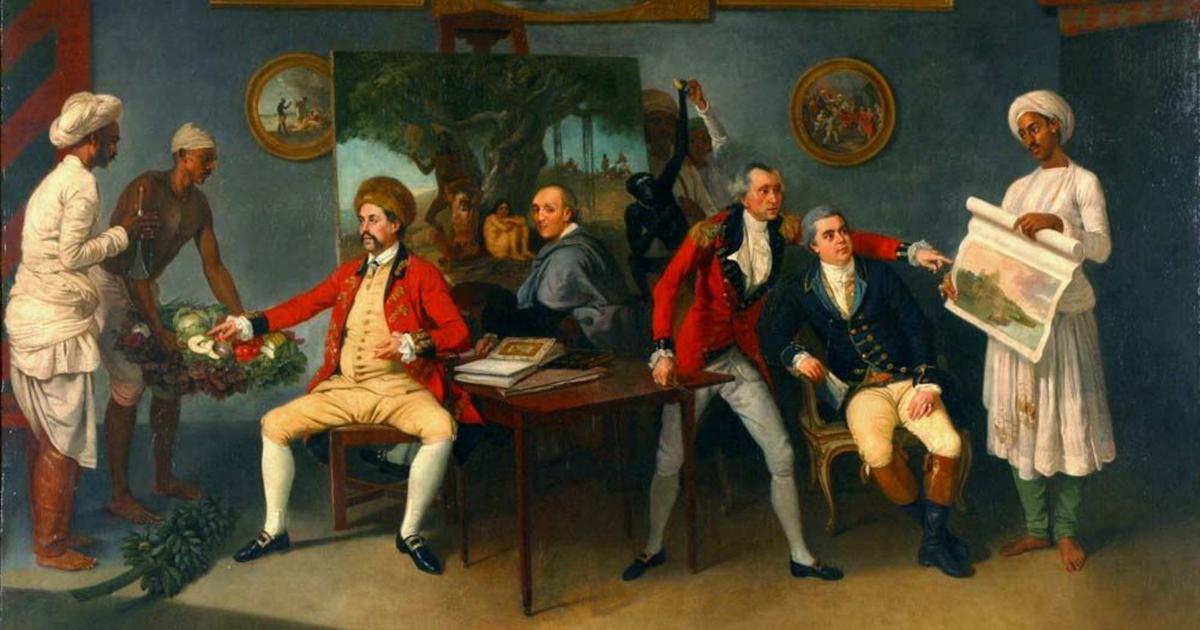
Art has always been a vital part of human culture. It shapes our thoughts, expresses our emotions, and challenges our perspectives. But over the last few decades, we’ve seen a troubling trend where art, in its purest form, is being overshadowed by corporate interests. From painting to music, theater to film, corporations have increasingly become the puppeteers pulling the strings of creativity. The death of art, it seems, is no longer a metaphor. It’s a reality that’s being driven by the same forces that run our economy. In this article, we’ll explore how corporations are causing the death of art, stifling innovation, and drowning out voices that don’t fit their commercial agendas.
The Corporate Takeover of Creative Industries
Art has always been a space for self-expression, an escape from the norms of society, and often, a challenge to the status quo. However, in recent years, art has become increasingly commodified. The commercial pressures on creators are immense, and corporations are often at the heart of this transformation.
Take, for instance, the music industry. Record labels, streaming platforms, and massive corporations like Apple and Spotify have taken control of how music is created, marketed, and consumed. For artists, this has meant sacrificing their creativity to fit into marketable formulas. Hits are engineered, not born. Songs are optimized for algorithms rather than artistic integrity. The result? The chart-toppers of today are often as formulaic and repetitive as they come. A catchy chorus here, a danceable beat there—corporations have distilled art into a predictable, sellable product.
The film industry faces similar issues. Hollywood is increasingly driven by big budgets, sequels, reboots, and franchises. Originality takes a backseat to the desire for massive returns on investment. Studios pump out movies that are guaranteed to attract a broad audience, often disregarding the potential for real artistic innovation. The constant focus on profits results in a lack of diversity in storytelling, with corporate studios relying on familiar formulas and safe bets. This stifles new ideas, experimental narratives, and unique artistic expressions that may not be as commercially viable.
Even in visual arts, corporations are making their mark. Major museums and galleries are now supported by corporate sponsorships, and this has a direct impact on what is showcased. The art world, which was once an open space for radical expression and critique, has become a space where the bottom line dictates the type of art that gets exhibited. Museums are increasingly curating exhibitions that will bring in crowds, rather than showcasing innovative or controversial works. Corporations are essentially shaping the narrative of what is considered “acceptable” art by tying it to profit-driven motives.
The Loss of Artistic Freedom
Perhaps the most detrimental effect of corporate involvement in the art world is the loss of artistic freedom. When art is created with commercial interests in mind, it ceases to be an expression of the artist’s individual voice. Instead, it becomes a product designed to meet market demands.
Consider the pressure placed on filmmakers and musicians to create content that appeals to the largest possible audience. A director might feel compelled to make a blockbuster with predictable action sequences and happy endings, rather than exploring deeper, more thought-provoking themes. A musician may feel pressured to conform to the latest trends in order to secure a record deal or generate streams. The emphasis on profit margins over passion means that the artist’s vision is often compromised.
Moreover, corporations often prioritize “safe” content that appeals to the lowest common denominator. Art that challenges societal norms or questions authority is often overlooked because it may not resonate with mainstream audiences. Political commentary, critiques of capitalism, or even unconventional aesthetics are pushed to the margins, while formulas that guarantee profitability dominate. This is not only an artistic tragedy but a cultural one, as art’s power to provoke thought and inspire change diminishes.
The Corporate Influence on Art Markets
The commodification of art doesn’t stop at its creation. The art market itself is also heavily influenced by corporate interests. Galleries and auction houses are often controlled by big-money investors who see art as an asset class rather than a cultural expression. This has led to the rise of art as a speculative investment. Instead of being valued for its emotional or intellectual resonance, art is increasingly being bought and sold based on its potential to increase in value.
Corporate sponsors have a stake in this system, as they see art not only as a means to elevate their brand but as a way to launder money and secure assets. Major corporations are purchasing works of art not because they appreciate the artist’s vision, but because they view it as a financial investment. This creates an artificial scarcity in the market, where only works that are deemed financially valuable are given attention, while lesser-known artists struggle to find a platform.
Art is supposed to be accessible, a form of self-expression for anyone, not just the elite. Yet, when art becomes the playground of the ultra-wealthy, it loses its ability to represent diverse perspectives. The market for art has become so entwined with corporate wealth that only the rich can afford to partake in it. This elitist nature of the art world alienates the majority of people who could have engaged with and been inspired by art.
The Algorithmic Age: How Technology Is Dehumanizing Art
The rise of technology and algorithms is another avenue through which corporations are impacting art. Platforms like Instagram, TikTok, and YouTube have fundamentally changed the way art is shared, consumed, and valued. While these platforms offer unprecedented access to artists and audiences alike, they also prioritize content that generates the most engagement—likes, shares, and comments.
This means that the algorithms that govern these platforms reward art that is sensational, easy to consume, and viral. Thoughtful, nuanced art takes a backseat to content that is designed for maximum visibility and shareability. Artists who want to gain recognition are often forced to conform to these algorithmic expectations, diluting their creativity in the process. Instead of creating art that expresses their true selves, they’re creating art that will appeal to the masses and generate clicks.
This digital-first approach to art is also contributing to the death of craftsmanship. Music, for example, has become more about “streams” than the quality of the composition. Many artists now release singles rather than albums, opting for quick and frequent releases to stay relevant in an oversaturated market. The focus on quantity over quality is a direct result of the pressure from corporations to make art that can be consumed in the shortest amount of time possible.
The End of Artistic Integrity?
In the end, the rise of corporate influence on art has led to the erosion of artistic integrity. The goal of art is no longer about expressing the artist’s inner truth or challenging societal conventions, but rather about catering to an audience that is conditioned by the expectations of corporations. The creative process becomes less about the joy of making something original and more about the fear of financial failure.
The reality is that art, in its purest form, can never be fully monetized. It transcends financial considerations and speaks to the heart of what it means to be human. However, as corporations continue to exert more control over the creative industries, the risk of losing this essential quality becomes greater. The commercialization of art isn’t just threatening the livelihoods of individual artists, but the very essence of what art represents.
How to Revive Art in a Corporate World
So, what can be done to save art from the clutches of corporations? First and foremost, we need to support independent artists and creators who aren’t driven solely by commercial interests. Crowdfunding platforms, patronage, and independent galleries are all ways to encourage art that is created without the pressure of corporate sponsorship.
Secondly, we must advocate for a shift in how we value art. Instead of focusing on profitability, we should emphasize the importance of creativity, innovation, and emotional impact. By reimagining how art is consumed and appreciated, we can create a world where artists are free to express themselves without worrying about fitting into a commercial mold.
Finally, we need to reengage with the idea of art as a cultural force, one that challenges societal norms and pushes boundaries. Art should be about more than just entertainment or escapism—it should be a tool for reflection, critique, and change. If we can shift our mindset away from seeing art as a commodity and back to seeing it as a vital part of the human experience, we may just be able to reverse the corporate takeover and bring art back to life.
Conclusion
Corporations have undeniably played a significant role in shaping the world of art, but not always in ways that benefit the creative process. From stifling originality to commodifying art as a financial asset, their influence has led to a decline in the authenticity of art. If we are to ensure the survival of true artistic expression, we must support independent creators, challenge the commercialization of creativity, and remember that art’s true value lies not in its profitability, but in its ability to connect with the human soul.