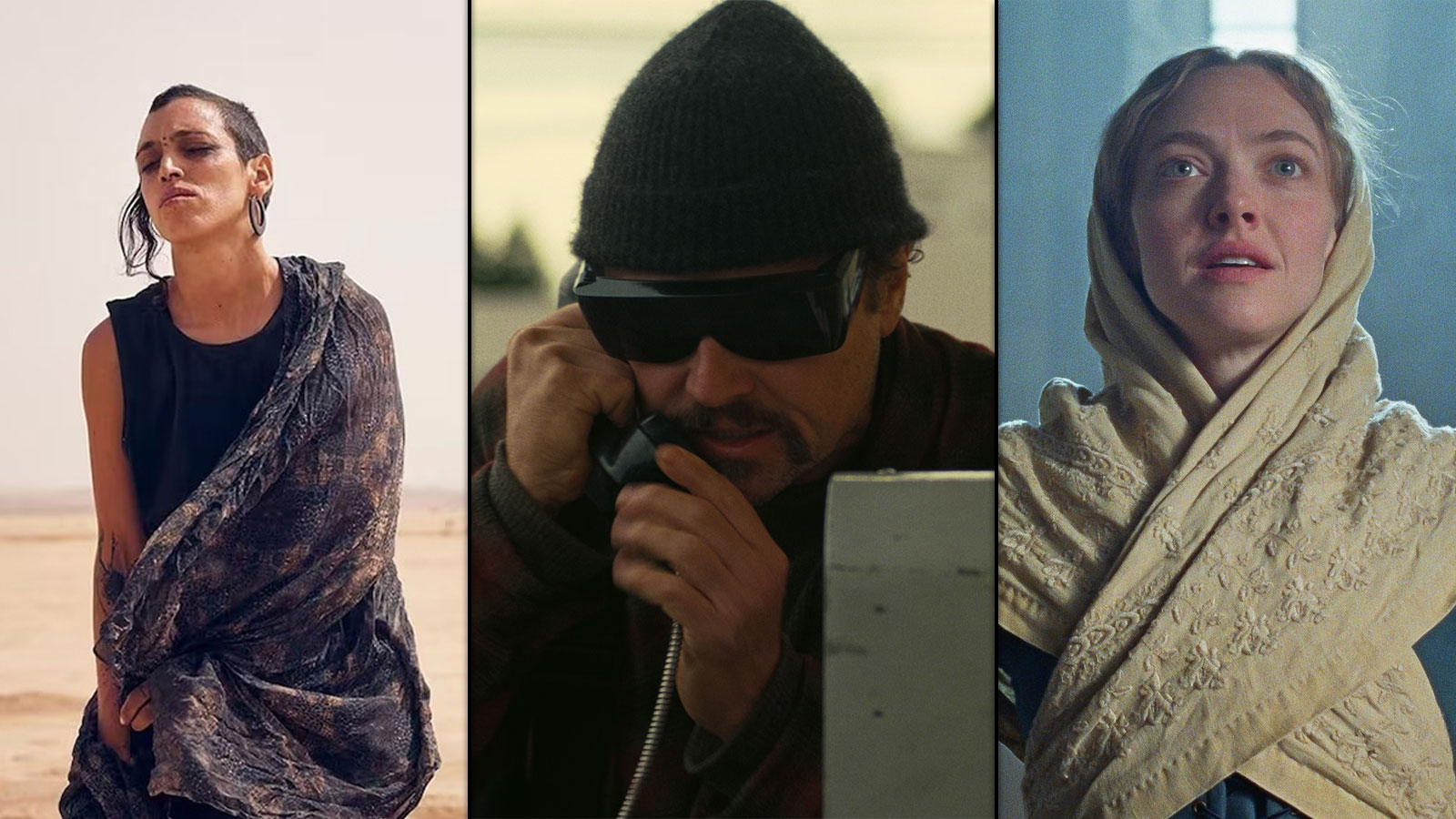
Close your eyes and think about your favorite movie moment from 2025. Now ask yourself: would it have hit as hard without the music? The answer is absolutely not. This year delivered some of the most extraordinary, innovative, and emotionally devastating film scores in recent memory, and the composers behind them just redefined what movie music can do. From Jonny Greenwood crafting his sixth masterpiece with Paul Thomas Anderson to Ludwig Göransson channeling the birth of blues for a vampire horror film, from M83 creating electronic dreamscapes for a sci-fi meditation to Hans Zimmer winning another Grammy for his desert epic, 2025 was the year film music became impossible to ignore. We witnessed newcomers like Daniel Blumberg revolutionizing how jazz can function in cinema while veterans like Max Richter proved they still have new emotional territories to explore. Trent Reznor and Atticus Ross made tennis sexy through sound. Kris Bowers made audiences sob over an animated robot learning to love. The variety, ambition, and sheer artistry on display this year wasn’t just impressive. It was historic. Whether you’re a film score obsessive who owns every soundtrack on vinyl or someone who just knows good music when you hear it, 2025 gave everyone something to obsess over. Ready to dive deep into the compositions that elevated cinema from good to transcendent? Let’s explore every score that made this year absolutely unforgettable!
Jonny Greenwood And Paul Thomas Anderson Strike Gold Again
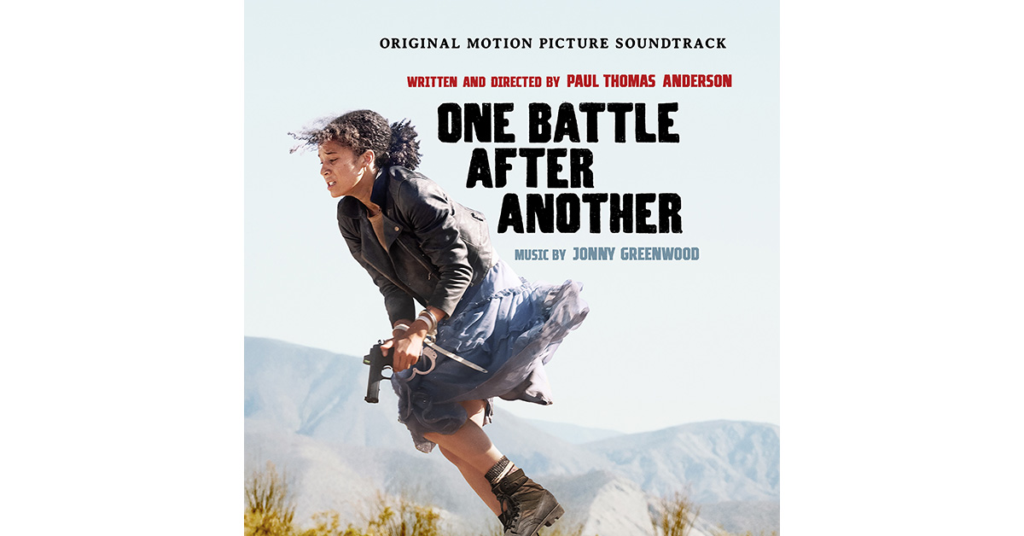
Credits: Nonesuch Records
When Jonny Greenwood and Paul Thomas Anderson collaborate, magic happens. Their sixth partnership, One Battle After Another, produced what many critics are calling the best film score of 2025 and possibly one of the finest of the century. That’s not hyperbole when you listen to what Greenwood accomplished.
The Radiohead guitarist turned acclaimed film composer created an 18-track, 49-minute journey that’s equal parts tense, evocative, and delightfully quirky. Released through Nonesuch Records on September 25, the score features the London Contemporary Orchestra conducted by Hugh Tieppo-Brunt, with Greenwood himself contributing piano, guitar, bass, percussion, and the haunting ondes Martenot, an early electronic instrument that adds otherworldly textures.
The film, starring Leonardo DiCaprio, Sean Penn, and Benicio Del Toro, follows an ex-revolutionary forced back into his former combative lifestyle. Greenwood’s music mirrors that tension, creating soundscapes that feel simultaneously modern and timeless. Tracks like “One Battle After Another,” “The French 75,” and “Baktan Cross” showcase his ability to build atmosphere through unconventional instrumentation and bold compositional choices.
What separates this score from typical thriller music is Greenwood’s refusal to rely on genre conventions. There are no obvious jump scares telegraphed by shrieking strings. Instead, he builds dread and excitement through wandering drumbeats, dissonant piano figures, and unexpected harmonic shifts. The title track alone is a three-minute masterclass in tension building.
Critics have praised how the score accompanies one of cinema’s most inventive car chase sequences this year, where three vehicles remain far apart geographically but the music makes their pursuit feel incredibly tense. That’s compositional genius: using sound to create emotional reality that contradicts visual information.
This marks Greenwood’s sixth Nonesuch-released Anderson film score, following There Will Be Blood, The Master, Phantom Thread, and others. Each collaboration pushes both artists into new territory, and One Battle After Another represents their most ambitious work together. The score exists as standalone listening experience while serving the film’s narrative needs perfectly.
For anyone who appreciates modernist composition meeting Hollywood storytelling, this score is essential. It won over even skeptical critics who initially wondered if season two of Anderson and Greenwood collaborations might produce diminishing returns. Instead, they created something that stands alongside the greatest film music ever recorded.
Share this with your film buff friend who thinks modern composers can’t compete with the classics!
Ludwig Göransson Channels The Birth Of Blues For Sinners
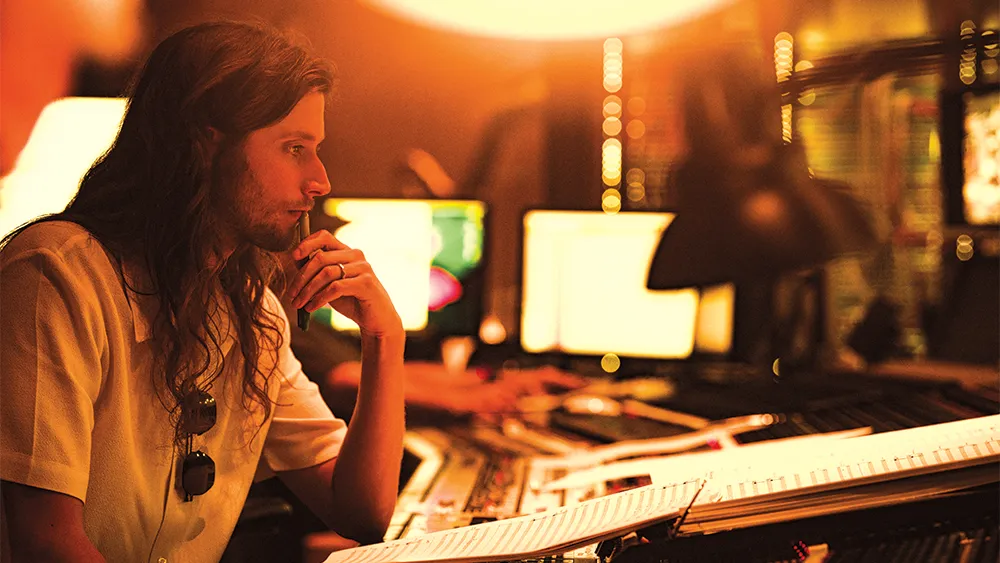
Credits: Variety
If Jonny Greenwood created 2025’s most critically acclaimed score, Ludwig Göransson composed its most emotionally devastating. His work on Sinners, the Ryan Coogler vampire horror film set in 1930s Mississippi, isn’t just excellent film music. It’s a masterpiece that uses sound to explore American history, trauma, and the origins of an entire musical genre.
Released by Sony Classical and Sony Masterworks on April 18, the Sinners score features collaborations with artists including Rhiannon Giddens, James Blake, Don Toliver, and Lola Kirke. But it’s Göransson’s original compositions that made critics declare this potentially the best film score not just of 2025 but of many years.
The genius of Sinners lies in how Göransson weaves blues music’s historical origins into the narrative. The film includes a heartbreaking scene depicting a character who almost escaped the Deep South only to be lynched, castrated, and murdered. As the character’s words give way to deep, repeated cries, he begins stomping and singing: the genesis of blues music captured in one devastating moment. Göransson’s “Mount Bayou” track continues this tragic theme throughout the film.
The blues-inflected composition is pure joy to experience despite its dark subject matter. Guitars drive the score, with Göransson proving once again that he’s one of the most versatile composers working today. Few others so consistently capture the exact vibe and tone of a film through music. From Black Panther to Oppenheimer to now Sinners, he transforms himself completely for each project.
What makes this score especially powerful is how it addresses the film’s central themes. Michael B. Jordan plays twin brothers in Jim Crow era South facing both human racism and vampire threats. The vampires’ offer of true equality becomes insidious because it’s tempting, unlike the false promises of Klansmen who are themselves vampires. Göransson’s music captures that moral complexity, moving from intimate character themes to increasingly dramatic orchestrations.
Tracks like “Thy Kingdom Come” rank among the scariest musical pieces of the year, with choirs and drums raising tension to almost unbearable levels before Göransson relents with sorrowful interludes. The five-note motif that appears throughout the score becomes the musical representation of the twins’ journey and the impossible choices they face.
The score’s climax features “Grand Closin’,” where themes that began intimately explode into full dramatic power. It’s the sound of history, trauma, survival, and defiant humanity all compressed into orchestral and blues-influenced composition that will haunt listeners long after the final notes fade.
Don’t miss out on what might be the most important film score of the decade!
M83 Creates Electronic Dreamscapes For Resurrection
Credits: Sounddarts.gr
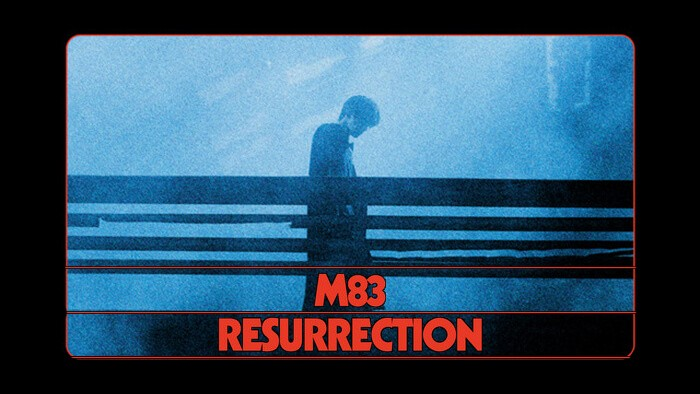
While Göransson explored American musical history and Greenwood pushed modernist boundaries, French electronic duo M83 took listeners into the future with their score for Bi Gan’s Resurrection. The Chinese/French sci-fi drama about humanity surrendering dreams in exchange for immortality required music that felt simultaneously futuristic and emotionally resonant. M83 delivered exactly that.
Released by Believe on December 9, the Resurrection soundtrack showcases Anthony Gonzalez’s ability to balance immersive ambient synthscapes with organic orchestral pieces and neoclassical piano/violin reveries. The result feels both comfortingly familiar and fascinatingly foreign, much like dreams themselves.
The 12-track album opens with “Spinning Fury (Part 1),” a 4:28 journey through electronic textures that establishes the film’s otherworldly atmosphere. Tracks like “From Bright Lights” incorporate organic orchestration, while “Spectres” delivers neoclassical beauty through piano and violin arrangements that evoke both melancholy and wonder.
M83 has experience scoring films, including Oblivion, Knife + Heart, and You and the Night, but Resurrection represents their most ambitious and accomplished work. The way they announced themselves to the film world through this project suggests they’re no longer just an electronic music act dabbling in soundtracks but serious composers worthy of comparison to anyone working in cinema.
The score’s standout moments include “Serpentine,” a 6:13 epic that builds layers of synthesizers and acoustic instruments into emotional crescendo, and the 4:27 title track “Resurrection” that captures the film’s central themes of mortality, dreams, and what makes us human.
Perhaps most interesting are the two “Fantasmers” tracks, subtitled “Silent Film Part 1” and “Silent Film Part 2.” These accompany a silent film within the film, allowing Gonzalez to step outside his usual futurist framework and indulge his most extravagant Golden Age of Hollywood visions. They’re gorgeously anachronistic pieces that demonstrate M83’s range beyond just electronic music.
The transportative quality of both the film and its score creates complete immersion. When critics describe Resurrection as aural magic, they’re recognizing how completely M83’s music defines the viewing experience. The electronic soundscapes don’t just accompany the images; they create the emotional and philosophical space where the story unfolds.
For fans of electronic music, ambient composition, or just beautiful sound design, Resurrection’s score rewards repeated listening. It functions perfectly as standalone album while serving the film’s narrative needs. That dual purpose is increasingly rare in film scoring, where music often works in context but fails as independent listening experience.
Max Richter Brings Elizabethan Beauty To Hamnet
Credits: Grains Music
Max Richter is one of the most influential composers of his generation, with over three billion streams of his work and a reputation for blending traditional orchestration with modern electronic elements. His score for Chloé Zhao’s Hamnet, the Shakespeare-inspired drama starring Jessie Buckley and Paul Mescal, represents another triumph for the composer who seems incapable of missteps.
Released digitally by Decca Records on November 26, 2025, with vinyl following January 9, 2026, the Hamnet score earned widespread acclaim and multiple awards nominations. The film itself won the People’s Choice Award at Toronto International Film Festival, with Richter’s music cited as crucial to its emotional impact.
What makes this score special is how Richter approached Elizabethan source material. Rather than simply recreating period music, he used the basic elements of Elizabethan composition including period instrumentation, musical grammar, and sensibility, but applied them in ways that emerge directly from the story’s psychology. The result sounds simultaneously authentic to Shakespeare’s era and completely contemporary.
Richter explained his process: after reading the script before shooting, he sketched ideas reflecting themes of familial love and loss, humanity’s place in the natural world, and Agnes’ inner journey. Director Zhao incorporated some pieces during filming, allowing them to inform both performance and editing. This collaborative approach created musical architecture that supports the entire film.
Agnes, Shakespeare’s wife, functions as the film’s emotional fulcrum. Richter developed specific choral language for her character that underpins much of the story. The women’s voices are used both in ways an Elizabethan composer would recognize and purely for psychological and emotional color. Tracks like “Of Agnes,” “Of Orpheus,” and “See things that others don’t” showcase this vocal work beautifully.
The score’s controversy involves Richter’s composition “On the Nature of Daylight,” used in one of Hamnet’s most emotional scenes. This piece has appeared in numerous films and some critics argue it’s been overused in modern cinema. However, the power it brings to Hamnet’s pivotal moments is undeniable, and Richter’s original compositions surrounding it create cohesive whole that justifies any borrowed material.
Beyond that single track, the 18-song, 67-minute score features entirely original music that captures grief, love, artistic creation, and the mysterious connections between life experience and art. Knowing the film explores what personal tragedy inspired Shakespeare to write Hamlet adds poignancy to every note Richter composed.
His work on Hamnet follows collaborations with directors including Denis Villeneuve, Martin Scorsese, and Ari Folman across more than 50 projects. Each score demonstrates his ability to translate profound human experiences into music that resonates emotionally while maintaining compositional sophistication. Hamnet stands among his finest achievements.
Share this with anyone who appreciates how classical and modern music can merge into something timeless!
Hans Zimmer Proves He’s Still The Master With Dune Part Two
Credits: YT
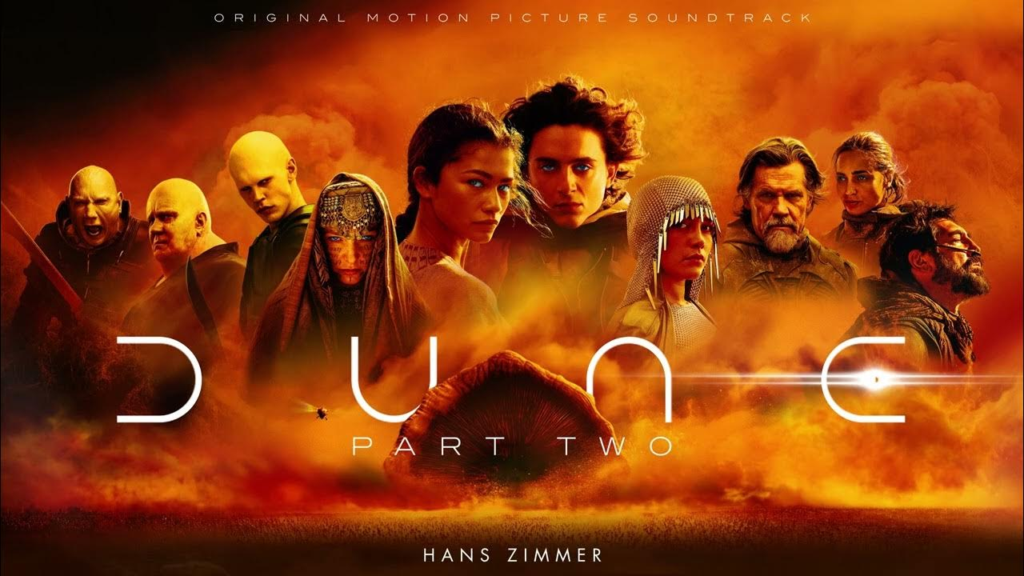
Some composers are institutions. Hans Zimmer is one of them. His score for Dune: Part Two not only won the 2025 Grammy for Best Score Soundtrack for Visual Media but also demonstrated that even after decades dominating film music, Zimmer continues evolving and surprising audiences.
The Grammy win on February 2, 2025, at the Crypto.com Arena in Los Angeles came during the Premiere Ceremony. Zimmer beat out Laura Karpman for American Fiction, Trent Reznor and Atticus Ross for Challengers, Kris Bowers for The Color Purple, and Nick Chuba, Atticus Ross, and Leopold Ross for Shōgun. That’s incredibly stiff competition, making Zimmer’s victory even more impressive.
What makes Dune: Part Two’s score remarkable is how it expands on the first film’s musical foundation while pushing into new territory. Zimmer created entire musical language for Frank Herbert’s universe, incorporating vocals, unconventional instruments, and electronic elements with traditional orchestration. The result sounds completely alien while remaining emotionally accessible.
The desert planet Arrakis required music that evokes vastness, danger, spirituality, and the clash between different cultures and philosophies. Zimmer’s score captures all of that through compositions that range from whisper-quiet contemplative moments to massive action set pieces that shake theater walls.
His use of vocals, particularly the haunting chants that accompany the Fremen people, grounds the score in something primal and human despite the science fiction setting. These aren’t just atmospheric additions; they’re integral to understanding the cultural and spiritual dimensions of Herbert’s story.
The score also demonstrates Zimmer’s understanding of how music functions in blockbuster cinema. It needed to serve Denis Villeneuve’s artistic vision while also delivering the excitement and grandeur that audiences expect from major studio tentpoles. Balancing those sometimes conflicting demands requires craft and experience that few composers possess.
Beyond the Grammy, Dune: Part Two’s score earned nominations across multiple awards ceremonies and maintained strong presence throughout 2025’s awards season. It also won BAFTA’s sound award and competed seriously for the Oscar, though it faced tough competition from newer composers making bold statements.
For Hans Zimmer, this represents continuation of a career that includes The Lion King, Gladiator, Inception, Interstellar, and countless other iconic scores. That he’s still producing work that competes with and often surpasses younger composers says everything about his dedication to the craft and willingness to continue experimenting rather than resting on his considerable laurels.
Trent Reznor And Atticus Ross Make Tennis Sound Sexy
Credits: Variety
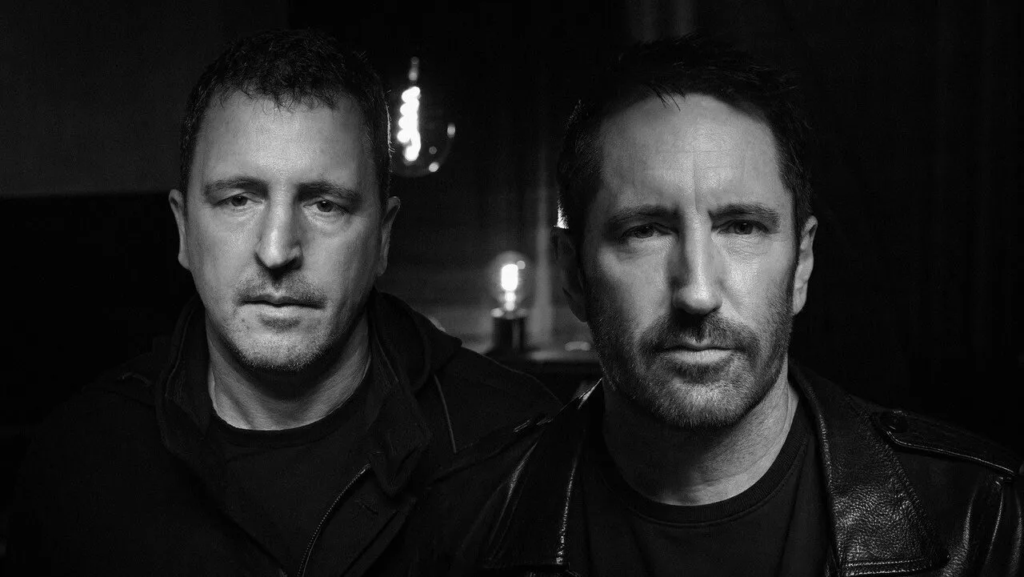
How do you make a movie about tennis feel urgent, sensual, and exciting? You hire Trent Reznor and Atticus Ross to create a score that sounds like nothing else in sports cinema. Their work on Challengers won Best Original Score at the 82nd Golden Globes on January 4, 2025, marking their third Golden Globe award and another triumph for the duo who’ve revolutionized film music over the past 15 years.
The Challengers score beat out serious competition including Volker Bertelmann’s Conclave, Daniel Blumberg’s The Brutalist, Kris Bowers’ The Wild Robot, Hans Zimmer’s Dune: Part Two, and the score for Emilia Pérez. That it prevailed against such acclaimed work speaks to how completely the music defines the film’s experience.
Describing the score requires new vocabulary. It’s clubby and horny, which shouldn’t work for a sports drama but absolutely does here. The electronic-heavy compositions pulse with sexual tension and competitive energy, mirroring the complicated three-way relationship at the film’s center. Reznor and Ross understand that tennis, as depicted in Challengers, isn’t really about tennis. It’s about desire, power, and the games people play with each other on and off the court.
The duo’s approach to film scoring has always emphasized atmosphere and emotional subtext over traditional melodic storytelling. Their work on The Social Network, Gone Girl, and Soul established them as essential voices in contemporary cinema music. Challengers pushes their aesthetic even further, creating soundscapes that feel dangerous and intoxicating.
What makes this score especially impressive is how it elevates material that could have been standard sports movie fare. The music transforms tennis matches into psychological warfare, intimate scenes into erotic battlegrounds, and character dynamics into operatic emotional stakes. Every serve, every glance, every conversation carries weight because the score tells audiences to pay attention to subtext rather than just plot.
The Golden Globe win validated Reznor and Ross’s experimental approach and demonstrated that Academy voters and industry professionals appreciate innovation over safety. In a year full of excellent traditional orchestral scores, an electronic score about tennis winning major awards signals openness to different sounds and approaches in film music.
For Nine Inch Nails fans who’ve followed Reznor’s journey from industrial rock to film composing, Challengers represents fascinating evolution. The sensibilities that made NIN’s music so visceral and provocative translate perfectly to cinema when filtered through Ross’s collaborative partnership and their shared understanding of how music creates meaning.
Don’t miss out on the score that made tennis the sexiest sport in cinema!
Daniel Blumberg Revolutionizes Jazz In The Brutalist
Credits: Bachtrack
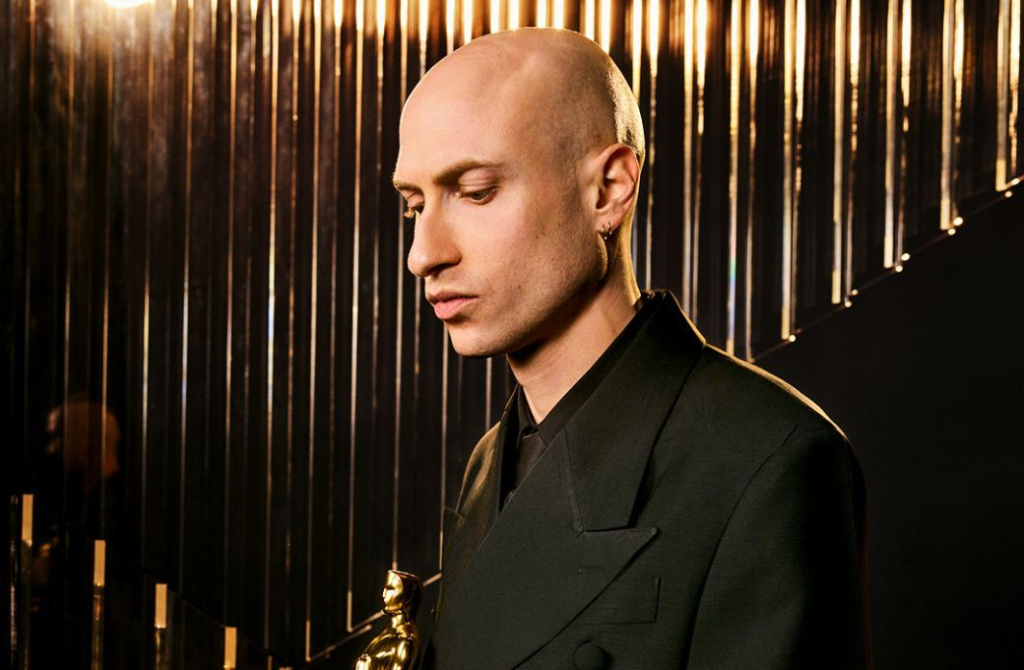
The 35-year-old British musician-artist Daniel Blumberg created something unprecedented with his score for Brady Corbet’s The Brutalist. His creative process was so unusual and the results so striking that the film’s music became a story in itself, earning nominations and acclaim that positioned Blumberg as one of 2025’s most exciting compositional voices.
What made Blumberg’s approach revolutionary was that he actively composed parts of the music on location in Budapest while the crew was shooting in Hungary. This wasn’t studio-produced, polished, sterile soundtrack work. It was organic, on-site creation that captured the energy and emotion of filmmaking in real time, later refined through studio work.
Blumberg’s close friendship with director Brady Corbet enabled this experimental methodology. Their shared literary, musical, and cinematic taste created instant artistic connection and profound, almost nonverbal understanding essential to the collaboration. Corbet trusted Blumberg enough to let him essentially improvise film score, something virtually unheard of in modern cinema.
The Jazz Club track exemplifies this approach. Recorded live on location with period-accurate instruments and musicians instructed to create raw, chaotic party atmosphere, the piece recreates not just the 1940s but the specific energy of 1950s parties where drugs flowed freely and inhibitions disappeared. The pianist deliberately disrupted rhythm, throwing other musicians off balance. Wind instruments symbolized exhaustion, gradually pushing music from intoxicated ecstasy to dizzying disorientation.
This wasn’t musical illustration of a scene. It was music that embodied the scene’s psychological reality. The difference is crucial and represents fundamental shift in how film scores can function.
Another track called “Marble” features actual sonic environment of the Carrara marble quarry where scenes were filmed. Blumberg essentially had a jazz saxophonist play inside those stone walls, capturing how the space’s acoustics affected the sound. The result is music that contains place, history, and the physical reality of stone cutting within its very texture.
The score moves from live analog jazz to 1980s synthpop in the film’s final Venice scenes, mirroring cinematographic transition and representing character’s journey through decades. This sonic shift required digitally transforming analog recordings, blending old and new in ways that few film scores attempt.
Critics called it a mighty score that swerves elegantly from tinkling jazz horns and piano to bellowing, cinema-shaking blasts of brass and drums evoking the tumult of protagonist László Tóth’s inner world. The Brutalist’s epic scope, following a Hungarian Jewish architect who survives the Holocaust and builds new life in America, required music equally ambitious and emotionally complex.
For cinephiles interested in how film scores are actually created, The Brutalist’s behind-the-scenes story is as fascinating as the music itself. Blumberg’s willingness to work without safety nets, trusting improvisation and location recording over traditional composition methods, resulted in something that sounds unlike anything else in 2025 cinema.
Kris Bowers Makes Everyone Cry With The Wild Robot
Credits: Deadline
If you didn’t sob during The Wild Robot, you might not be human. DreamWorks’ animated adaptation became one of 2025’s most beloved films largely because of Kris Bowers’ devastating score that captured themes of love, loss, nurturing, and letting go with emotional precision that destroyed audiences worldwide.
The piece “I Could Use a Boost” underscores one of the film’s most touching scenes, encapsulating feelings so profound that even the composer couldn’t maintain professional distance. Bowers revealed his six-month-old daughter was central to his creative process, noting that reading the source material as a new father completely shaped his musical approach.
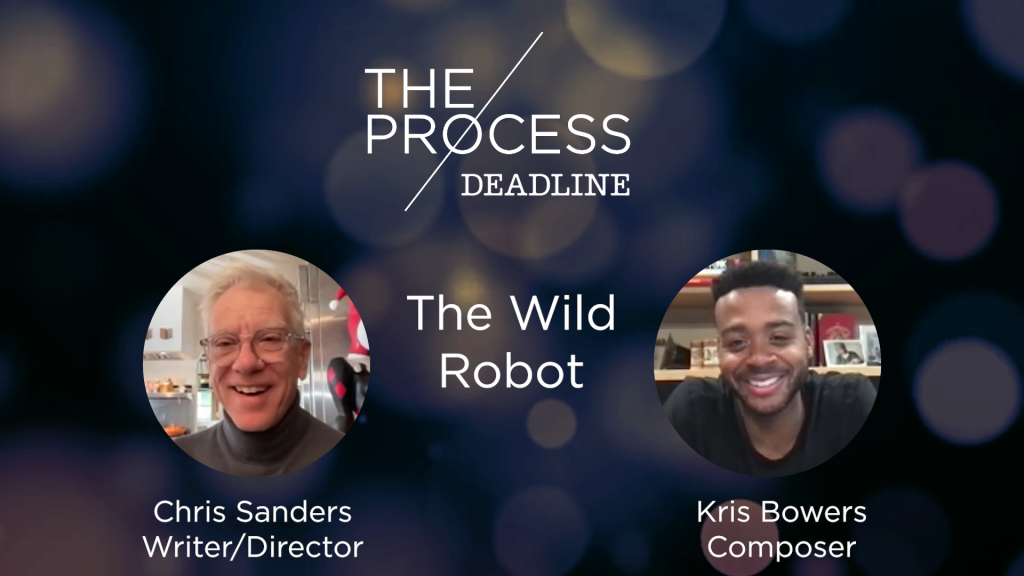
Director Chris Sanders described the key scene as the most emotionally complex moment in the movie, depicting robot Roz preparing her adopted goose son Brightbill for independence. It’s a moment filled with unspoken affection and farewell that anyone who’s ever been a parent or had parents will recognize. Bowers’ music gives voice to everything the characters can’t or won’t say.
His creative process involved improvising at the piano, channeling his own experiences of parenthood. He thought about how he would feel sending his daughter into the world, anticipating moments where despite his best efforts, he might fall short as a parent. Those deeply personal thoughts and fears shaped the film’s gentle yet poignant score in ways that resonate universally.
Initially working from black-and-white storyboards, Bowers later embraced Sanders’ suggestion to compose away from picture, something he rarely does. That freedom produced music that exists independently of visual cues, allowing the score’s emotional logic to develop naturally before being matched to specific scenes.
The orchestral arrangement of “I Could Use a Boost” represents masterclass in film composition. As the scene reaches its conclusion, Bowers intricately layers melodies and rhythms, creating sensation of time slipping away. The melody starts to double up, emphasizing the feeling that this precious moment of connection is ending and can never be reclaimed. It’s heart-wrenching and masterfully crafted in ways that ensure audiences experience the same emotions as characters.
Beyond that signature piece, Bowers’ complete Wild Robot score showcases his range and sensitivity. He previously composed music for The Color Purple, earning Grammy consideration, and continues establishing himself as one of Hollywood’s most emotionally intelligent composers. His ability to access vulnerability and express complex feelings through orchestration makes him essential voice in contemporary film music.
For parents, the score hits especially hard. For anyone who’s experienced loss or feared letting go of someone they love, the music articulates feelings that words can’t capture. That’s the highest achievement any film composer can reach: creating sound that communicates directly to the heart while serving narrative needs.
Share this with your friend who ugly-cried during The Wild Robot and pretends they didn’t!
The Dark Horse: Volker Bertelmann’s Conclave
Credits: THR
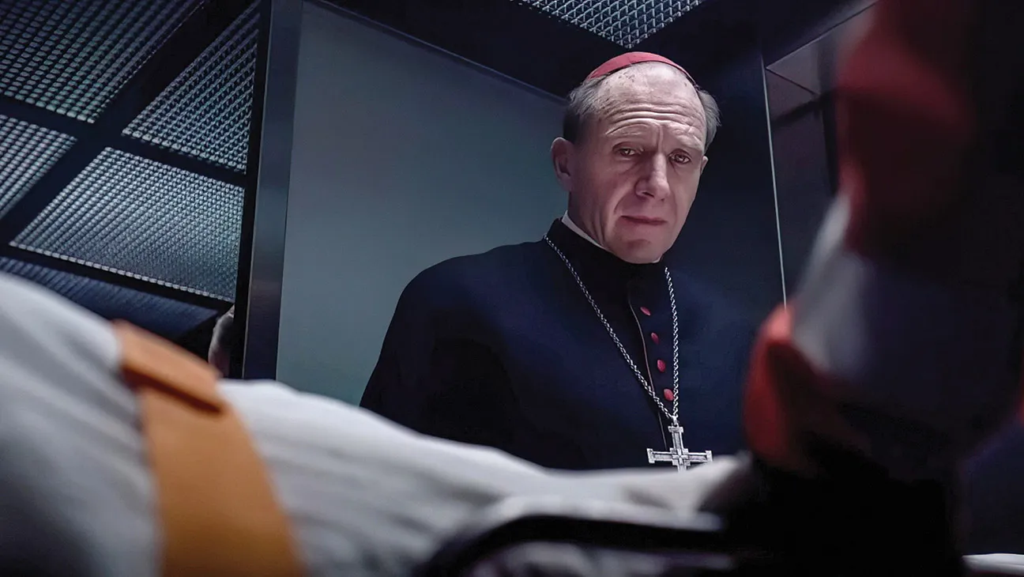
While Jonny Greenwood, Ludwig Göransson, and Hans Zimmer dominated awards conversations, Volker Bertelmann’s score for Conclave deserves recognition as one of 2025’s most sophisticated and effective compositions. The papal thriller starring Ralph Fiennes required music that conveyed centuries of Catholic tradition while building modern suspense, and Bertelmann threaded that needle brilliantly.
The German composer, who previously won an Oscar for All Quiet on the Western Front, brought similar intensity and period-appropriate sensibilities to Conclave while adapting his style for a completely different type of story. Where All Quiet required music that captured war’s horror and futility, Conclave needed to evoke both reverence for religious tradition and the political machinations happening behind Vatican walls.
Bertelmann’s use of liturgical musical elements grounds the score in Catholic musical tradition without becoming pastiche. His incorporation of organ, choir, and ceremonial instrumentation feels authentic while still allowing for modern harmonic language and tension-building techniques. The result sounds like it could accompany actual Vatican ceremonies yet also functions as effective thriller score.
The film’s central mystery about competing factions within the College of Cardinals selecting a new Pope required music that could shift between contemplative spirituality and edge-of-your-seat suspense. Bertelmann accomplishes this through careful orchestration and knowing exactly when to pull back versus when to intensify.
His Golden Globe nomination for Best Original Score alongside eventual winner Challengers, plus additional recognition from critics groups, validated his work on what could have been dismissed as just competent thriller music. Instead, Bertelmann created score that elevates the entire film and demonstrates his versatility across wildly different genres and periods.
Awards Season: The Race For Oscar Gold
As 2025’s awards season unfolded, film score category became increasingly competitive with no clear frontrunner. The 97th Academy Awards ceremony recognized exceptional work across multiple nominations, with Hans Zimmer’s Dune: Part Two, Kris Bowers’ The Wild Robot, and John Powell and Stephen Schwartz’s Wicked competing alongside scores from The Brutalist and Emilia Pérez.
The February 2025 Grammy Awards provided early indication of how season might unfold when Zimmer won Best Score Soundtrack for Visual Media for Dune: Part Two. The January Golden Globes saw Trent Reznor and Atticus Ross prevail for Challengers, demonstrating that voters appreciated innovation over traditional orchestral work.
BAFTA nominations included several overlapping titles with additional recognition for composers who specialized in specific genres or approaches. The inclusion of both mainstream blockbusters and independent arthouse films in various award considerations showed appreciation for film music across budget levels and target audiences.
Critics groups weighed in throughout fall and early winter, with Jonny Greenwood’s One Battle After Another earning particular praise from organizations that traditionally favor auteur collaborations and modernist composition. His work appeared on year-end lists from publications ranging from IndieWire to A Closer Listen to specialized film music websites.
The Oscar race remained genuinely unpredictable into late winter, with different precursor awards going to different scores. This lack of consensus suggested voters recognized 2025 as exceptional year for film music rather than one or two scores dominating completely. The eventual winner would represent not necessarily the “best” score but one that happened to connect most with Academy voters’ specific preferences and voting patterns.
For film music fans, the competitive field meant discovering multiple excellent scores rather than focusing on single frontrunner. The awards conversation drove audiences toward soundtracks they might have otherwise missed, expanding appreciation for how diverse and ambitious film scoring had become.
The Streaming Effect: How Soundtracks Found Audiences
2025 continued the trend of film scores finding massive audiences through streaming platforms. Spotify, Apple Music, YouTube Music, and other services made soundtracks more accessible than ever, while also providing composers with direct feedback about which tracks resonated most with listeners.
Jonny Greenwood’s One Battle After Another soundtrack accumulated significant streams within weeks of release, demonstrating that audiences wanted to revisit his compositions outside theatrical context. The Nonesuch Records release strategy, making the score available digitally before physical formats, capitalized on immediate interest while building anticipation for vinyl and CD releases.
Hans Zimmer’s Dune: Part Two score continued his pattern of massive streaming numbers, with his work consistently ranking among most-streamed film music on major platforms. His combination of devoted fanbase and crossover appeal means his scores function as legitimate standalone music releases rather than just movie souvenirs.
M83’s Resurrection score attracted both film music enthusiasts and the duo’s existing electronic music fans, creating interesting crossover audience. Listeners who discovered M83 through their albums explored the film score, while film music fans who’d never heard M83’s non-soundtrack work discovered entire new catalog to explore.
The accessibility of streaming has fundamentally changed how film scores are consumed and appreciated. Previously, audiences might hear a score once in theaters and perhaps never again unless they specifically purchased the soundtrack album. Now, soundtracks appear in algorithmically generated playlists, get recommended based on listening habits, and integrate into people’s regular music rotation.
This increased accessibility benefits composers financially through streaming royalties while also raising their profiles. Ludwig Göransson’s work on Sinners, for example, introduced many listeners to his previous scores for Black Panther, Creed, and Oppenheimer, creating comprehensive appreciation for his range and consistency.
Share this with your friend who has 20 movie soundtracks in their Spotify rotation!
The Vinyl Renaissance: Physical Media Makes A Comeback
Paradoxically, as streaming dominated how most people consumed film scores, 2025 also saw continued growth in vinyl soundtrack releases. Labels like Nonesuch, Decca, Sony Classical, and specialty soundtrack labels pressed thousands of copies of major scores, with many selling out quickly and commanding premium prices on secondary market.
Max Richter’s Hamnet score vinyl release, scheduled for January 9, 2026, already generated pre-orders suggesting strong demand. The trend reflects broader vinyl revival but also specific appeal of film soundtracks on physical media. Cover art, liner notes with composer statements, and the ritual of playing vinyl all enhance the listening experience in ways digital streaming can’t replicate.
Jonny Greenwood’s One Battle After Another vinyl, released November 14 through Nonesuch, featured gatefold packaging with imagery from the film and credits detailing every musician’s contribution. For serious collectors and audiophiles, this represents definitive way to experience the score with highest audio quality and physical artifact commemorating the artistic achievement.
Limited edition colored vinyl variants, box sets combining soundtrack with other materials, and deluxe releases with additional tracks all catered to collectors willing to pay premium prices for special presentations. Some scores like The Brutalist received boutique vinyl releases through specialty labels that cater specifically to soundtrack collectors.
The economics of vinyl production meant that only scores expected to sell significant copies received physical releases. This created interesting dynamic where streaming made obscure scores accessible to anyone while vinyl releases indicated which soundtracks had built substantial followings. Being deemed worthy of vinyl pressing became marker of commercial and critical success.
Looking Ahead: What 2025 Taught Us About Film Music
As the year drew to close, several trends and lessons emerged about film scoring’s current state and future direction. First, versatility matters more than ever. Composers like Ludwig Göransson who can move seamlessly between period dramas, superhero films, and horror thrillers while maintaining distinctive voice are increasingly valuable.
Second, traditional boundaries between popular music and film composition continue blurring. M83’s Resurrection showed electronic musicians can create serious film scores. Trent Reznor and Atticus Ross’s ongoing success demonstrates rock musicians bring valid perspectives to cinema. This genre-crossing enriches film music by importing ideas and techniques from other musical traditions.
Third, auteur filmmakers and consistent composer partnerships produce exceptional work. Paul Thomas Anderson and Jonny Greenwood’s six-film collaboration represents gold standard for director-composer relationships. Chloé Zhao working with Max Richter, Ryan Coogler with Ludwig Göransson, and Denis Villeneuve with Hans Zimmer all demonstrated benefits of sustained creative partnerships.
Fourth, audiences increasingly appreciate film music as legitimate art form deserving critical attention and awards recognition. The discourse surrounding 2025’s scores was more sophisticated and passionate than in previous years, with listeners engaging deeply with compositional choices and artistic intent.
Fifth, independent and international films can compete with major studio releases in musical excellence. Bi Gan’s Resurrection, despite being Chinese/French co-production without major Hollywood studio backing, received recognition alongside Dune: Part Two and other blockbusters. The democratization of film scoring technology and distribution meant exceptional work could emerge from anywhere.
Finally, emotional authenticity trumps technical virtuosity. The scores that resonated most deeply, from The Wild Robot to Sinners to Hamnet, succeeded because composers accessed genuine emotion and translated it into sound. All the technical skill in the world can’t compensate for music that doesn’t make audiences feel something profound.
The Unsung Heroes: Scores That Deserved More Attention
While discussing year’s most acclaimed and awarded scores, it’s worth acknowledging excellent work that flew somewhat under radar. Several 2025 films featured remarkable music that never quite broke through to broader recognition despite deserving it.
Bryce Dessner’s Train Dreams, composed for the Netflix adaptation, showcased the National guitarist’s continued evolution as film composer. His work combined Americana influences with contemporary classical sensibilities, creating sound that felt both rustic and sophisticated.
Various horror films throughout the year featured innovative scores that genre enthusiasts appreciated even if they didn’t compete for major awards. The tendency to dismiss horror film music as less serious than drama scores does disservice to composers working in genre that requires specific skills and understanding of how music creates dread, tension, and release.
Several international films featured scores by composers unfamiliar to Western audiences but deserving wider recognition. The global nature of cinema means incredible musical talent exists worldwide, and streaming platforms have made discovering these artists easier than ever for curious listeners.
Don’t miss exploring beyond the award winners to discover hidden gems in 2025’s film music!
The Composers To Watch Going Forward
Several composers from 2025’s crop of excellent scores signal important voices for cinema’s future. Daniel Blumberg’s revolutionary work on The Brutalist announces major talent unafraid to challenge conventions. His jazz-influenced, improvisation-based approach opens possibilities for how film scores can be created.
Ludwig Göransson’s continued evolution from Black Panther through Oppenheimer to Sinners demonstrates range that few can match. At just 40 years old, he’s already won Grammy, Oscar, and established himself as go-to composer for directors seeking music that defines rather than decorates their films.
Kris Bowers, similarly, represents new generation combining technical excellence with emotional intelligence. His work spans animated features, period dramas, and documentary, showing versatility that ensures sustained career across multiple genres and budget levels.
Younger composers breaking through in 2025’s independent films will likely become tomorrow’s major voices. The pipeline from small films to larger projects remains crucial pathway, and this year saw several impressive debuts and sophomore efforts that suggest bright futures.
Even established veterans like Hans Zimmer, Max Richter, and Jonny Greenwood show no signs of creative decline. Their willingness to continue experimenting and taking risks rather than coasting on established styles means they’ll remain relevant and exciting for years to come.
So there you have it. Every score that defined 2025, every composer who elevated cinema through sound, every trend that shaped how we think about film music. From Jonny Greenwood’s modernist masterpiece to Ludwig Göransson’s blues-drenched vampire horror score, from M83’s electronic dreamscapes to Max Richter’s Elizabethan meditations, from Hans Zimmer’s desert epics to Trent Reznor making tennis sexy through sound, this year gave us incredible range and ambition. The scores we’ve explored represent not just excellent music but essential components of cinematic storytelling that transformed good films into transcendent experiences. Whether you’re vinyl collector, streaming devotee, awards season obsessive, or just someone who appreciates when movies sound as good as they look, 2025 delivered something for everyone. What was your favorite score of the year? Which composer surprised you most? What film would have fallen flat without its music? Drop your thoughts in the comments and let’s celebrate the unsung heroes who make cinema unforgettable! Tag your music-obsessed friend who needs this playlist immediately. Follow for more deep dives into the art and craft of filmmaking, because the best movies aren’t just seen—they’re heard, felt, and remembered long after the credits roll. Here’s to the composers who made 2025 sound absolutely spectacular!