
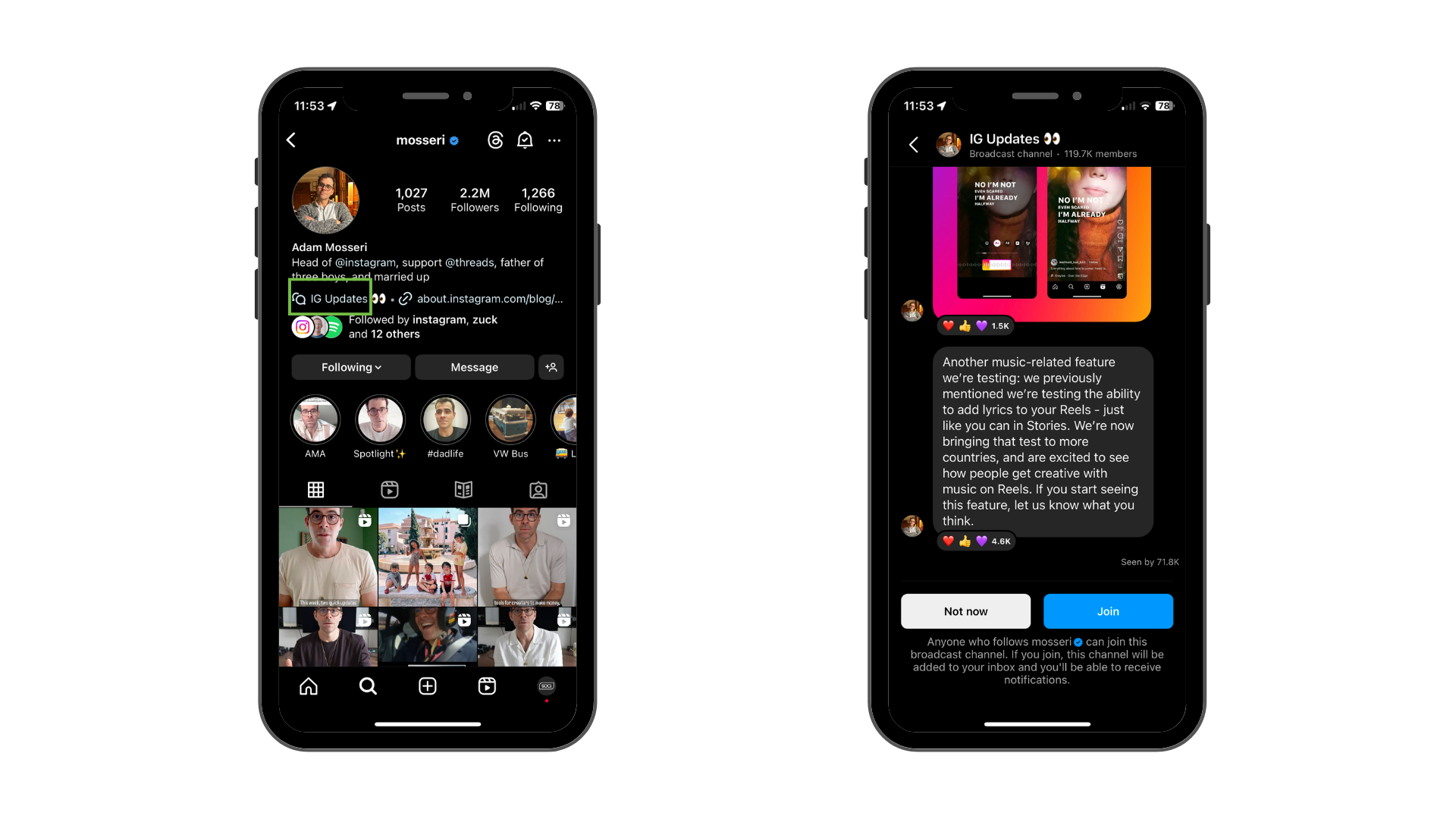
Understanding Subscription Broadcast Channels
Subscription broadcast channels have fundamentally transformed how audiences consume entertainment content across the globe. These platforms require viewers to pay regular fees in exchange for access to television programming, movies, sports events, news coverage, and original content productions. The model itself is not entirely new. Cable television introduced the concept decades ago, charging monthly fees for access to multiple channels bundled together. But the digital revolution has taken this framework and evolved it into something far more sophisticated and consumer friendly.
Today’s subscription broadcast landscape is vastly different from what existed even ten years ago. Traditional cable packages are losing subscribers at alarming rates as viewers increasingly prefer internet delivered content that gives them control over what they watch and when they watch it. This shift represents one of the most significant disruptions in media history. Millions of households worldwide have abandoned traditional broadcasting in favor of streaming platforms that offer flexibility, personalization, and often lower costs.
The rise of these platforms has created an entirely new ecosystem where content creators, distributors, and technology companies compete intensely for viewer attention and subscription dollars. Major entertainment conglomerates have launched their own streaming services to compete with early pioneers in the space. Tech giants have entered the fray with substantial financial resources and technological expertise. Meanwhile, traditional broadcasters scramble to adapt their business models to survive in this rapidly changing environment.
The Evolution of Broadcasting Models
Broadcasting began as a free service supported entirely by advertising revenue. Radio stations and later television networks delivered content to audiences at no direct cost, generating income by selling commercial time to advertisers. This model dominated for decades and created some of the most iconic entertainment programming in history. However, it had limitations that became increasingly apparent as technology advanced and consumer expectations evolved.
Premium cable channels introduced the subscription concept to television in the 1970s and 1980s. These services offered commercial free movies and special programming in exchange for monthly fees on top of basic cable costs. The model proved successful for certain types of content, particularly theatrical films and sporting events. But cable television itself remained primarily advertising supported, with subscriptions paying for the distribution infrastructure rather than the content itself.
The internet changed everything. Broadband connections made it possible to deliver high quality video directly to consumers without requiring cable infrastructure. Early streaming services experimented with various approaches, including pay per view rentals and ad supported free content. But the breakthrough came when platforms began offering unlimited access to large content libraries for a single monthly fee. This subscription video on demand model, known as SVOD, proved enormously popular with consumers who appreciated the convenience, selection, and value it provided.
Traditional broadcasters initially dismissed streaming as a niche market that would never threaten their dominance. That assessment proved catastrophically wrong. Within a few years, streaming subscriptions exploded while cable television entered terminal decline. The COVID-19 pandemic accelerated this trend as locked down audiences turned to streaming entertainment in unprecedented numbers. By 2025, streaming had become the dominant form of television consumption in many markets, with traditional broadcasting struggling to remain relevant.
Different Types of Subscription Models
The subscription broadcast industry has developed several distinct monetization approaches, each with unique characteristics and target audiences. Understanding these models is essential for grasping how the modern entertainment landscape functions.
SVOD platforms charge subscribers a recurring fee for unlimited access to their content libraries. This model generates predictable revenue streams that companies can use for content investment and business planning. Major examples include Netflix, Disney Plus, and Amazon Prime Video. These services typically offer ad free viewing experiences, though some have introduced lower priced tiers with advertising to attract budget conscious consumers. The SVOD model works best for platforms with extensive content libraries that encourage regular viewing and justify the ongoing subscription cost.
AVOD takes a different approach by offering free content supported by advertising revenue. Viewers pay nothing for access but must watch commercials during their viewing experience. This model appeals to audiences unwilling or unable to pay subscription fees. Platforms like YouTube and Tubi have built substantial audiences using AVOD strategies. The format has gained significant traction recently as subscription fatigue sets in among consumers overwhelmed by the number of paid services available. Even premium platforms are experimenting with ad supported tiers to expand their addressable markets.
TVOD allows viewers to pay for individual pieces of content rather than subscribing to entire libraries. This transactional approach works well for premium content like new movie releases, major sporting events, or special performances. Services like Apple TV and Google Play offer TVOD options alongside their subscription offerings. The model gives consumers maximum flexibility to pay only for content they actually want to watch. However, it generates less predictable revenue than subscription models and requires continuous marketing to drive individual transactions.
Many platforms now combine multiple approaches in hybrid models. Hulu offers both ad supported and ad free subscription tiers. Amazon Prime Video includes a basic subscription but also sells premium channel add ons and transactional rentals. These hybrid strategies attempt to maximize revenue by appealing to different consumer segments with varying preferences and budgets. The flexibility allows platforms to capture viewers who might not commit to a pure subscription but will engage with other monetization models.
FAST channels represent another interesting evolution, bringing traditional broadcast style programming to the streaming world. These free ad supported streaming television services offer scheduled programming channels delivered over the internet. They recreate the lean back viewing experience of traditional TV while leveraging streaming technology. Platforms like Pluto TV and Tubi have created dozens of themed channels showing curated content 24/7. This model appeals to viewers who find on demand libraries overwhelming and prefer someone else to program their viewing choices.
The Business Behind Subscriptions
Running a successful subscription broadcast channel requires far more than simply uploading content and collecting monthly fees. The business model involves complex financial calculations, content strategy decisions, technology investments, and constant adaptation to market conditions.
Content acquisition and production represent the largest expense for most platforms. Popular licensed content costs millions of dollars per year. Original programming requires even larger investments, with premium shows often costing several million dollars per episode. Platforms must carefully balance their content spending against subscriber revenue to remain profitable. This calculation becomes particularly challenging for new services trying to build content libraries attractive enough to justify subscription fees.
Customer acquisition costs present another major financial consideration. Getting someone to subscribe requires marketing spending that can range from a few dollars to over one hundred dollars per subscriber depending on the market and competitive conditions. Once acquired, keeping subscribers engaged requires continuous content refreshes and platform improvements. The subscription model only works financially if customers remain subscribed long enough for the platform to recoup acquisition costs and generate profit.
Churn rate, the percentage of subscribers who cancel each month, directly impacts profitability. Even small increases in churn can devastate financial performance. Platforms invest heavily in data analysis to understand why people cancel and develop strategies to improve retention. Content releases are carefully scheduled to maintain engagement. User interface improvements aim to make the viewing experience as frictionless as possible. Price increases must be implemented cautiously to avoid triggering cancellation waves.
Technology infrastructure costs include content delivery networks, streaming servers, and the software systems that power user interfaces. Delivering smooth, high quality video to millions of simultaneous viewers requires sophisticated technology and substantial bandwidth. Platforms must also invest in recommendation algorithms, search functionality, and features like offline viewing that enhance user experience. These technology investments represent ongoing expenses that scale with subscriber growth.
Geographic expansion adds another layer of complexity and cost. Launching in new markets requires licensing content for those territories, localizing interfaces and marketing materials, establishing payment processing, and navigating local regulations. Content that works well in one market may not resonate in another, requiring platforms to develop regional programming strategies. Currency fluctuations can impact revenue predictability in international markets.
Content Strategy and Competition
The streaming wars have made content the primary battleground for subscription platforms. Services live or die based on whether their programming attracts and retains subscribers. This reality has driven unprecedented spending on content production and licensing.
Exclusive original content has become essential for differentiation. When every platform offers similar licensed movies and shows, original programming provides the unique value that justifies subscribing to multiple services. Platforms invest billions annually in developing shows and films available nowhere else. Success with original content can define a platform’s brand and drive substantial subscriber growth. Failures, however, represent sunk costs that cannot be recouped.
Different platforms pursue distinct content strategies based on their target audiences and corporate resources. Some focus on broad appeal programming designed to attract the largest possible audience. Others target specific demographics or content genres, building smaller but more engaged subscriber bases. Sports content has emerged as particularly valuable because live events drive real time viewing that cannot be easily replicated or time shifted.
The content licensing market has become increasingly complicated as studios and networks launch their own streaming platforms. Programming that once licensed to multiple services is now held exclusively for corporate sibling platforms. This vertical integration benefits companies that own both content production and distribution. Independent platforms struggle to license attractive content at reasonable prices. The result is a more fragmented market where consumers need multiple subscriptions to access desired content.
Catalog depth matters as much as marquee titles for many viewers. A platform might attract initial subscriptions with buzzworthy original shows, but subscribers stay because of extensive libraries they can explore between major releases. Older television series and classic films provide this catalog value at lower costs than premium originals. Smart content strategies balance expensive flagship productions with cost effective library content that fills out the offering.
International content has gained prominence as platforms expand globally and audiences become more open to programming from different cultures. Shows produced in one country often find unexpected success in other markets when streaming platforms give them global distribution. This trend allows platforms to amortize production costs across larger audiences and offer subscribers more diverse content options.
Technology and User Experience
The technical infrastructure powering subscription broadcast channels represents a marvel of modern engineering. Delivering high quality video to millions of viewers simultaneously requires solving complex technological challenges.
Adaptive bitrate streaming automatically adjusts video quality based on each viewer’s internet connection speed. This technology ensures smooth playback by lowering resolution when bandwidth is limited and increasing it when conditions improve. The system monitors connection quality in real time and makes adjustments seamlessly without user intervention. This capability is essential for serving diverse audiences with varying internet speeds.
Content delivery networks distribute video files across geographically dispersed servers to reduce latency and improve performance. When someone streams a show, the system routes their request to the nearest server rather than making them connect to a central location potentially thousands of miles away. This architecture ensures fast loading times and reduces buffering issues that frustrate viewers and increase cancellation risk.
Recommendation algorithms analyze viewing history, ratings, and behavior patterns to suggest content each subscriber might enjoy. These systems drive significant viewing by helping users discover shows they wouldn’t have found through browsing alone. Effective recommendations keep people engaged with the platform and reduce churn by ensuring they always have something appealing to watch. The most sophisticated algorithms consider factors like time of day, device type, and viewing patterns to personalize suggestions.
User interface design significantly impacts subscriber satisfaction and retention. Intuitive navigation, fast search functionality, and visually appealing presentation make platforms pleasant to use. Poor interface design frustrates users and can drive them to competitors. Platforms constantly test interface variations to optimize for engagement and satisfaction. Features like profiles for different household members, parental controls, and watch lists enhance usability for families and shared accounts.
Cross platform availability has become essential as viewers expect to watch on televisions, computers, tablets, and smartphones interchangeably. Content must sync across devices so someone can start watching on their television, continue on their commute via smartphone, and finish on a laptop. This seamless experience requires sophisticated account management systems and device authentication protocols.
Download functionality allows subscribers to store content locally for offline viewing. This feature particularly appeals to mobile users who want to watch during commutes or travel without consuming cellular data or depending on internet connectivity. Implementing downloads requires additional technical infrastructure and content protection measures to prevent piracy while maintaining user convenience.
Consumer Behavior and Market Trends
Understanding why people subscribe to broadcast channels, what keeps them engaged, and what drives them to cancel provides crucial insights into market dynamics.
Value perception drives subscription decisions more than absolute price. Consumers evaluate whether the content and experience justify the monthly cost. A platform charging fifteen dollars monthly might seem expensive in isolation but reasonable compared to a fifty dollar cable bill or twenty dollars for a single movie ticket. This relative value calculation explains why multiple streaming subscriptions often cost less than traditional cable yet feel more expensive because they require separate transactions and decisions.
Subscription fatigue has emerged as a significant challenge as the number of available services has proliferated. Early adopters happily subscribed to two or three streaming platforms. But as every major entertainment company launched its own service, fragmentation increased and value decreased. Consumers now face dozens of subscription options, many containing content they want. Paying for everything becomes prohibitively expensive. This situation drives subscription cycling where people subscribe for a month to watch specific content then cancel until new shows arrive.
Content availability windows influence subscription timing. Savvy consumers subscribe when platforms release anticipated shows, binge the content, then cancel before the next billing cycle. Platforms combat this behavior by releasing episodes weekly rather than entire seasons at once, forcing subscribers to maintain service for months to watch complete series. This strategy also generates more sustained buzz and social media conversation than single day releases.
Bundling has reemerged as a strategy to combat subscription fatigue and reduce churn. Telecommunications companies bundle streaming services with internet packages. Credit card companies include streaming subscriptions as cardholder perks. Entertainment conglomerates bundle their various streaming platforms at discounted rates. These bundles reduce the friction of managing multiple subscriptions while improving retention since canceling requires giving up multiple services simultaneously.
Price sensitivity varies considerably across demographics and markets. Younger audiences often prioritize streaming subscriptions in their budgets because they view them as essential entertainment. Older demographics may resist paid streaming, preferring free options or traditional broadcasting. Emerging markets present different dynamics where lower incomes require more aggressive pricing but represent enormous growth opportunities.
Shared accounts significantly impact subscription economics. Platforms design their pricing to accommodate household sharing, but many subscribers share access with friends and family outside their homes. This behavior reduces the addressable market and suppresses subscription growth. Some platforms are cracking down on sharing through technical restrictions and account verification requirements. These efforts boost revenue but risk alienating customers who view sharing as an accepted norm.
Advantages of Subscription Broadcasting
The subscription model offers numerous benefits for both platforms and consumers, explaining its rapid adoption and continued growth.
Predictable revenue represents the primary advantage for broadcasting companies. Monthly or annual subscriptions generate stable income streams that support long term planning and investment. Unlike advertising dependent models where revenue fluctuates with economic conditions and audience measurement, subscriptions provide reliable cash flow. This predictability allows aggressive spending on content production and technology development.
Direct customer relationships give subscription platforms valuable data and control. Unlike traditional broadcasting where networks depend on cable companies or advertisers for revenue, subscription services bill customers directly. This relationship provides detailed information about viewing habits, preferences, and behavior. Platforms use this data to improve recommendations, guide content decisions, and target marketing. The direct relationship also eliminates middlemen who would otherwise capture value and information.
Freedom from advertising restrictions allows subscription platforms to take creative risks and produce content that might not work in advertiser supported contexts. Shows can include mature themes, controversial topics, or niche subject matter without worrying about sponsor concerns. This creative freedom has enabled some of the most acclaimed programming in television history. It also allows platforms to differentiate themselves through distinctive content unavailable elsewhere.
Flexibility and convenience appeal strongly to modern consumers who want control over their entertainment. Subscription services allow watching anything in the content library at any time from virtually any device. There are no appointment viewing requirements, commercial interruptions, or artificial scarcity. This convenience matches contemporary lifestyles better than traditional broadcasting’s scheduled programming approach.
Value proposition attracts budget conscious consumers looking to reduce entertainment spending. While subscribing to multiple services adds up, most people find streaming subscriptions cheaper than cable television packages. The ability to subscribe and cancel easily without contracts or installation fees reduces risk and financial commitment. Free trials let consumers test services before committing money.
Global accessibility has expanded dramatically through subscription platforms. Geographic limitations that once restricted content to specific markets are breaking down as services launch worldwide. Viewers can access programming from other countries that would never reach traditional broadcast networks. This globalization enriches entertainment options and exposes audiences to diverse cultural perspectives.
Challenges and Disadvantages
Despite their advantages, subscription broadcast channels face significant obstacles and drawbacks that impact their sustainability and growth.
Content costs continue escalating as competition intensifies for viewer attention. Platforms spend billions annually on programming, driving up production budgets and licensing fees. This spending arms race benefits talent and production companies but squeezes platform profitability. Many streaming services operate at substantial losses, burning through investor capital while trying to achieve scale. The financial sustainability of this model remains questionable.
Market saturation creates difficulties attracting new subscribers in mature markets. Most consumers interested in streaming have already subscribed to one or more services. Further growth requires convincing people to add subscriptions or luring them from competitors. Both strategies prove expensive and challenging. International expansion offers growth opportunities but comes with substantial costs and risks.
Profitability remains elusive for most platforms despite massive subscriber counts. The combination of content spending, technology costs, and customer acquisition expenses consumes revenue. Only a handful of streaming services have achieved consistent profitability. This financial pressure forces difficult decisions about pricing, content investment, and market strategy.
Piracy undermines subscription revenue by providing free alternatives to paying customers. Despite sophisticated content protection technologies, pirated streaming links and downloads remain widely available. Some consumers who might otherwise subscribe instead access content illegally. This theft costs the industry billions in lost revenue annually. Legal and technical countermeasures have limited effectiveness against determined pirates.
Technology dependence creates vulnerabilities that traditional broadcasting avoids. Streaming requires reliable internet connections that not all consumers have access to, particularly in rural or developing areas. Service outages, whether from technical failures or cyberattacks, can prevent millions of subscribers from accessing content they’re paying for. Traditional broadcasting’s one to many transmission model proves more resilient in some scenarios.
Decision fatigue overwhelms consumers facing too many choices across too many platforms. Ironically, the abundance of options creates stress rather than satisfaction. People waste time searching for something to watch across multiple services. Not knowing which platform carries desired content frustrates viewers and degrades the overall experience. This fragmentation diminishes the convenience advantage that originally attracted people to streaming.
The Future of Subscription Broadcasting
The subscription broadcast industry continues evolving rapidly as companies experiment with new models, technologies, and strategies to capture viewer attention and wallet share.
Consolidation appears likely as the current fragmented landscape proves unsustainable. Too many platforms chasing limited consumer spending creates financial pressures that will force mergers, acquisitions, and failures. Larger companies with diverse revenue streams can sustain streaming losses longer than pure play services. Expect continued industry consolidation that reduces the total number of platforms while those remaining gain stronger competitive positions.
Hybrid monetization combining subscriptions and advertising represents the probable future for most platforms. Pure subscription models work for market leaders with massive scale but challenge smaller services. Ad supported tiers expand addressable markets while generating additional revenue from subscribers unwilling to pay premium prices. This hybrid approach mirrors traditional television economics while maintaining streaming’s technological and convenience advantages.
Personalization will increase dramatically as artificial intelligence and machine learning improve. Future platforms will offer hyper customized experiences with recommendations, interface layouts, and even content versions tailored to individual preferences. This personalization will extend to advertising for ad supported tiers, with precisely targeted commercials that feel less intrusive because they match viewer interests.
Interactive content presents opportunities for differentiation and engagement. Allowing viewers to influence storylines, choose camera angles, or participate in real time creates novel experiences impossible with traditional broadcasting. While early experiments with interactive programming showed mixed results, improving technology and creative approaches may unlock this format’s potential.
Live programming will gain importance as platforms seek content that drives real time viewing and social media conversation. Sports leagues increasingly partner directly with streaming platforms rather than traditional broadcasters. Live events, concerts, and breaking news provide appointment viewing that combats subscription cycling by keeping people engaged month to month.
Local and regional content strategies will expand as platforms recognize that global content libraries don’t equally appeal to all markets. Investing in locally produced programming for specific countries or regions builds stronger connections with those audiences. This localization strategy has proven successful in markets like India and Latin America where regional productions often outperform Hollywood content.
Technology improvements including better compression, 5G networks, and edge computing will enhance streaming quality and reliability. Higher resolution video, improved audio, and virtual reality experiences may become standard features. These technical advances will further differentiate streaming from traditional broadcasting while justifying premium pricing.
Bundling and partnerships will restructure market dynamics as companies combine services to reduce churn and improve value perception. Telecommunications providers, credit card companies, retailers, and entertainment conglomerates will create package deals that simplify subscription management for consumers while expanding distribution for platforms.
Subscription Models Around the World
Global variations in subscription broadcasting reflect different market conditions, consumer preferences, and regulatory environments across regions.
North America pioneered streaming subscriptions and remains the most mature market. High internet penetration, substantial disposable incomes, and early cord cutting created ideal conditions for streaming growth. The market now shows signs of saturation with slowing subscriber additions and increasing focus on profitability over growth. Competition remains intense with dozens of services vying for consumer attention.
Europe presents a fragmented landscape where language differences and cultural preferences create natural market segmentation. Pan European services compete with local platforms offering regionally relevant content. Regulatory requirements around content quotas, data privacy, and accessibility add complexity and costs. Despite these challenges, European streaming adoption continues growing as traditional broadcasting declines.
Asia Pacific markets vary dramatically in development and characteristics. Wealthy developed nations like Japan, South Korea, and Australia mirror Western patterns with high streaming adoption and multiple competing services. Emerging markets including India and Southeast Asia show explosive growth driven by affordable smartphones, improving internet infrastructure, and local content production. Pricing in these markets runs considerably lower to match local purchasing power.
Latin America represents an enormous growth opportunity with large populations, improving internet access, and strong appetite for video entertainment. Regional platforms compete with global services, often succeeding through local content and culturally relevant programming. Telenovelas and sports particularly drive subscriptions in this region.
Middle East and Africa markets remain less developed but show promising growth trajectories. Infrastructure limitations and lower average incomes create challenges, but mobile first strategies and aggressive pricing help overcome barriers. Local content production is increasing as platforms recognize the importance of culturally relevant programming for these markets.
China operates as a distinct ecosystem largely separate from global platforms due to regulatory restrictions and domestic competition. Chinese streaming services have grown massive subscriber bases by serving the country’s enormous population with locally produced content and competitive pricing. The business models and technologies developed in China influence global streaming evolution.
Impact on Traditional Broadcasting
Subscription streaming has devastated traditional broadcasting, forcing established companies to completely reimagine their business models and strategies.
Cable television subscribers continue declining precipitously as cord cutting accelerates. Millions of households have canceled cable service in favor of streaming alternatives. This exodus reduces revenue for cable operators, television networks, and content producers dependent on carriage fees. The trend shows no signs of reversing, with projections suggesting traditional cable may become a niche product serving only specific demographics within years.
Advertising revenue has migrated from traditional television to digital platforms including streaming services. As viewership declines, so does advertising effectiveness and pricing. Networks that once commanded premium rates for commercial time now struggle to justify costs to advertisers who can reach audiences more precisely through digital channels. This revenue erosion forces painful cost cutting and strategic pivots.
Traditional broadcasters have launched their own streaming platforms to compete in the new landscape. These efforts often cannibalize existing cable businesses but represent necessary strategic responses to market disruption. Success requires substantial investment with uncertain returns. Many traditional media companies carry enormous debt loads from these streaming ventures while watching their legacy businesses decline.
Content windowing strategies have collapsed as platforms seek exclusive control over programming. The traditional model of theatrical releases followed by home video, then cable, and finally broadcast television no longer functions effectively. Streaming platforms want immediate exclusive access to content, compressing or eliminating windows that once maximized revenue extraction through sequential distribution.
Production models are shifting to accommodate streaming’s appetite for content and different release patterns. Traditional television production focused on creating 22 episode seasons designed for weekly broadcast over months. Streaming favors shorter seasons of eight to thirteen episodes released simultaneously. This change affects everything from production scheduling to writing approaches to cast contracts.
Creating Successful Subscription Channels
Launching and operating a successful subscription broadcast channel requires careful planning, significant resources, and flawless execution across multiple dimensions.
Content strategy forms the foundation of any successful platform. Services must offer programming that attracts subscribers, keeps them engaged between major releases, and provides sufficient perceived value to justify monthly fees. This requires balancing expensive flagship content with cost effective library programming. Genre diversity ensures appealing to broad audiences while niche offerings can attract passionate smaller groups willing to subscribe for specialized content.
Technology infrastructure must deliver seamless, high quality experiences across all devices and network conditions. Poor streaming performance destroys trust and drives cancellations faster than almost anything else. Investing in content delivery networks, adaptive streaming technologies, and robust servers represents table stakes for competing effectively. User interface design requires equal attention to ensure intuitive, enjoyable interactions that keep people engaged rather than frustrated.
Marketing and positioning communicate the platform’s unique value to potential subscribers. Clear brand identity helps services stand out in crowded markets. Targeted advertising reaches likely subscribers efficiently. Word of mouth and social media buzz around hit shows provide valuable organic marketing that builds momentum. Free trials lower barriers to trying new services while hopefully converting trial users into paying subscribers.
Pricing strategy balances revenue needs against market conditions and competitive dynamics. Prices must feel reasonable relative to perceived value while generating sufficient income to cover costs and ideally turn profits. Regional pricing variations account for different purchasing power across markets. Multiple tiers with varying features let platforms serve different customer segments with distinct price sensitivities.
Customer retention programs reduce churn through engagement initiatives, personalized recommendations, and loyalty rewards. Understanding why people cancel allows developing targeted interventions. Strategic content releases timed to prevent cancellations keep subscribers engaged during vulnerable periods. Excellent customer service resolves issues before they trigger cancellations.
Partnership development extends distribution, reduces customer acquisition costs, and creates bundling opportunities. Telecommunications companies, device manufacturers, and retail chains offer valuable distribution channels. These partnerships often include promotional periods or discounted pricing that introduce services to new audiences at lower acquisition costs than direct marketing.
Conclusion Thoughts
Subscription broadcast channels have fundamentally reshaped entertainment consumption patterns worldwide. The convenience, flexibility, and value they provide resonate with modern audiences seeking control over their viewing experiences. Despite facing significant challenges including content costs, market saturation, and profitability pressures, subscription models appear poised to dominate broadcasting for the foreseeable future.
The industry will continue evolving as companies experiment with hybrid monetization approaches, enhanced personalization, and innovative content formats. Consolidation will reduce platform fragmentation while survivors strengthen their competitive positions. Technology improvements will enhance streaming quality and enable new types of experiences.
Traditional broadcasting faces an existential crisis as audiences migrate to streaming alternatives. Companies clinging to legacy models risk obsolescence while those embracing change position themselves for success in the new landscape.
For consumers, the proliferation of subscription options creates both opportunities and challenges. Access to unprecedented content libraries and global programming enriches entertainment choices. However, subscription fatigue and fragmentation complicate decision making and increase costs.
The subscription broadcast revolution transformed entertainment from a scheduled, advertiser driven medium into an on demand, consumer funded industry. This shift empowers viewers while creating intense competition among platforms fighting for attention and loyalty. How this battle resolves will shape entertainment consumption for generations to come.














Good day! This is my first visit to your blog! We are a team of volunteers and starting a new initiative in a community in the same niche.
Your blog provided us useful information to work on. You
have done a outstanding job!