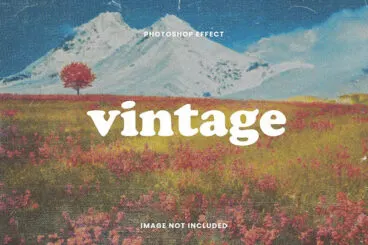
The Return of Yesterday
Something peculiar happens when you scroll through Instagram these days. Between the crisp 4K travel photos and professionally edited portraits, you’ll notice images that look deliberately imperfect. They’re grainy. The colors bleed slightly. There might be a date stamp in the corner reading “98.07.15” in that unmistakable orange font.
This isn’t a technical glitch or poor photography. It’s intentional. Welcome to nostalgia core, where the past isn’t just remembered but actively recreated, filtered, and celebrated across every digital platform imaginable.
The movement goes beyond simple reminiscence. It represents a fundamental shift in how we perceive authenticity in an age where everything can be perfected with a single tap. When your smartphone can capture images sharper than the human eye can see, there’s something rebellious about making your photos look like they were shot on a disposable Kodak camera from a mall kiosk.
Why We’re Obsessed With Imperfection
The technical capabilities of modern photography are astounding. Computational photography uses AI to enhance images in ways that would have seemed like science fiction two decades ago. Yet here we are, deliberately degrading our crystal clear images to mimic the limitations of old technology.
This paradox reveals something deeper about our relationship with digital media. Perfection has become exhausting. Every influencer photo is flawlessly lit and edited. Every product shot is immaculate. The visual language of social media has become so polished that it feels sterile, disconnected from real experience.
Retro filters offer an escape route. They suggest authenticity through their very flaws. A grainy photo implies it was taken spontaneously, without concern for likes or engagement metrics. The light leak across the frame suggests a happy accident rather than calculated composition. These imperfections tell a story that perfect images cannot.
But there’s more happening here than just aesthetic preference. For millennials, now in their thirties and forties, these filters recreate the visual language of their youth. They remember when photos had to be developed, when you didn’t know if the shot turned out until you picked up the prints from the drugstore. There was anticipation, surprise, and yes, plenty of blurry disappointments.
Gen Z, meanwhile, never lived through that era. They grew up entirely in the digital age, where every moment could be captured, reviewed, and deleted instantly if it wasn’t perfect. For them, the retro aesthetic represents something exotic and unexplored. It’s vintage fashion for your photos, a way to stand out in a sea of identical filtered perfection.
The Visual Language of the 90s
Understanding nostalgia core means understanding what made 90s photography distinct. Technology shaped everything. Most family photos were shot on 35mm film, which had inherent characteristics that digital sensors can only approximate.
Film grain wasn’t a choice. It was physics. Light sensitive crystals in the film emulsion created that characteristic texture, more visible in lower light or when images were enlarged. Different films had different grain patterns. Kodak looked different from Fuji. Professional films were finer grained than consumer options.
Color accuracy was approximate at best. Film had particular responses to different wavelengths of light. Skin tones often had a warm, slightly orange cast. Blues could be oversaturated. Shadows went muddy instead of staying crisp. White balance was determined by the film stock you chose, not a setting you adjusted.
Flash photography had its own aesthetic. Those harsh, direct bursts of light created stark shadows and shiny skin. Red eye was a constant problem. But there was also something immediate and honest about those flashed snapshots at birthday parties and school dances.
Disposable cameras added another layer. These cheap plastic devices had even worse optics than proper film cameras. Images were softer, more vigorous with the grain, prone to light leaks and vignetting. Yet they were everywhere because they were affordable and convenient. Everyone had disposable camera photos from summer camp, beach trips, and concerts.
Digital Recreation of Analog Soul
Modern retro filters attempt to recreate all these characteristics through digital processing. The challenge is significant. Film photography’s look comes from physical and chemical processes that don’t have direct digital equivalents.
Grain is added algorithmically, usually by overlaying noise patterns that mimic various film stocks. Advanced filters analyze the image content and add grain selectively, making it more visible in shadows and midtones while keeping highlights cleaner, just like real film.
Color grading is where the magic really happens. Filters adjust color curves to mimic how different films rendered hues. They might lift the blacks to give them that slightly milky quality. Highlights get rolled off so they don’t clip harshly. Specific color shifts are applied to recreate the warm skin tones and saturated skies of consumer film stocks.
Light leaks are added as overlay textures. These simulate what happened when camera seals failed and exposed the film to stray light. The resulting orange, red, or yellow washes across parts of the image became unintentional artistic elements.
Vignetting darkens the corners, mimicking the optical limitations of cheap lenses. Date stamps can be added in various retro fonts and colors. Some filters even simulate the effects of cross processing, a darkroom technique where film was developed in the wrong chemicals for intentional color shifts.
The most sophisticated approaches don’t just apply these effects uniformly. They vary the intensity based on image analysis, creating results that feel more organic and less obviously filtered.
Apps and Tools Driving the Trend
Several apps have become synonymous with the nostalgia core aesthetic. Huji Cam exploded in popularity by offering a simple interface that made every photo look like it came from a disposable camera circa 1998. The app adds grain, date stamps, and slightly off color balance automatically.
Dazz Cam takes things further with multiple vintage camera simulations. You can choose between disposable camera looks, instant cameras, and various film stocks. Each preset has distinct characteristics, and the app even simulates the anticipation of film photography by making you wait to see your shots.
VSCO built its reputation on film emulation presets. Their filters are named after actual film stocks like Kodak Portra and Fuji Velvia. The app gives users more control, allowing fine tuning of each effect rather than just slapping on a preset.
Instagram’s own filters increasingly lean retro. The platform that once championed heavily processed, saturated imagery now promotes more natural, vintage inspired looks. Their algorithm seems to favor this aesthetic too, as posts with retro vibes often perform better than overly polished content.
Beyond mobile apps, desktop software like Lightroom offers vintage presets and grain overlays. Photographers who work professionally often create their own custom presets that emulate specific films they remember shooting.
Fashion and Culture Collide
Nostalgia core extends far beyond photography filters. It’s a comprehensive aesthetic movement touching fashion, design, music, and marketing.
Fashion has fully embraced 90s revival. Low rise jeans are back, though not everyone is thrilled about it. Baggy fits, chunky sneakers, tiny sunglasses, and butterfly clips have all returned to store shelves. Brands like Tommy Hilfiger and FUBU are having second comebacks. Even the controversial frosted tips hairstyle has reappeared.
Graphic design has shifted toward retro typography and layouts. Websites use clunky, deliberately outdated interfaces. Album covers feature grainy photos and WordArt style text treatments. Posters embrace the maximalist, busy aesthetic of 90s design rather than the minimal, clean lines that dominated the 2010s.
Music production reflects this too. Lo fi hip hop, with its deliberately degraded sound quality and samples from old records, dominates study playlists. Pop artists add vinyl crackle and tape hiss to otherwise pristine recordings. The sound of analog imperfection has become a production choice, not a limitation to overcome.
Marketing departments have noticed. Brands targeting millennials and Gen Z increasingly use retro aesthetics in their campaigns. Fast food chains bring back 90s menu items and packaging designs. Tech companies advertise their cutting edge products with deliberately dated visuals. The contrast between futuristic technology and vintage presentation creates cognitive dissonance that gets attention.
The Psychology Behind the Longing
Why does nostalgia work so powerfully? Psychologists have studied this extensively. Nostalgic feelings provide comfort during uncertain times. They remind us of periods we perceive as simpler, even if that simplicity is largely imagined.
The 90s carry particular appeal because they represent the last moment before smartphones and social media transformed daily life. There was internet, but it was slower, clunkier, less central to existence. You could still be genuinely unreachable. Photos were finite and precious because film and development cost money.
This creates a romanticized view of analog life. We forget the frustrations. Waiting days to see vacation photos. Having rolls ruined by light leaks or development errors. The inability to instantly share moments with distant friends and family.
But memory is selective. We remember the good parts. Birthday parties with disposable cameras scattered on tables. The excitement of getting photo prints back and flipping through them with friends. The tangibility of photo albums you could hold and page through.
For Gen Z, there’s also the appeal of experiencing something their predecessors had. They’ve grown up with older siblings, parents, and media depicting the 90s as a golden age. The aesthetic offers entry into that world, even if secondhand.
There’s rebellion in it too. Growing up with parents constantly documenting their childhoods on social media, some young people want to reclaim privacy and spontaneity. Retro filters suggest photos taken just to preserve memories, not to cultivate an online persona.
Creating Authenticity Through Artifice
Here’s the central irony of nostalgia core. Using digital filters to simulate analog imperfection is fundamentally inauthentic. You’re using sophisticated technology to fake the limitations of older, simpler technology.
This doesn’t bother most practitioners. They understand it’s about aesthetic, not deception. Nobody believes those Instagram photos were actually shot on disposable cameras. The point is the look and feel, the emotional resonance of the style.
In some ways, this makes nostalgia core more honest than the carefully curated perfection it reacts against. At least it’s upfront about being artificial. A heavily edited photo pretending to be natural is arguably more deceptive than a retro filtered photo that clearly announces its processing.
The movement also democratizes access to aesthetic choices. You don’t need to shoot actual film to get that look. Film photography remains expensive and inconvenient. Developing costs add up. The barrier to entry is high. Filters let anyone experiment with the aesthetic using tools they already own.
Some purists argue this misses the point. Part of film photography’s appeal is the process, the limitations, the inability to immediately review and retake shots. Digital simulation captures the look but not the experience or discipline.
Both perspectives have merit. There’s value in the convenience and accessibility of filters. There’s also something special about shooting real film, accepting its costs and constraints as part of the creative process.
Commercial Applications and Brand Identity
Businesses have eagerly adopted retro aesthetics for marketing and branding. Coffee shops design Instagram worthy interiors with vintage furniture and old cameras as decoration. Clothing brands use grainy, dated looking photos in their campaigns. Tech startups choose retro inspired logos and color schemes.
This creates interesting tensions. How do you market cutting edge products with outdated aesthetics? Some brands lean into the contrast, using vintage visuals to make their modern offerings feel more authentic and less corporate. Others tell stories about heritage and longevity, suggesting their products connect past and future.
The strategy works because it cuts through visual clutter. When every competitor uses sleek, modern imagery, standing out requires differentiation. Retro aesthetics catch attention through their distinctiveness while also conveying warmth and approachability that ultra modern design sometimes lacks.
Music festivals and concert promotions heavily use nostalgia core visuals. Posters mimic 90s rave flyers or punk rock show announcements. Even electronic music events, showcasing futuristic sounds, often market themselves with deliberately dated graphics.
The food and beverage industry loves this trend. Craft breweries design labels that look like they’re from the 70s or 80s. Restaurants create menus with retro fonts and layouts. The visual language suggests handcrafted quality and attention to tradition, even for newly established businesses.
The Role of Social Media Platforms
Instagram, TikTok, and other platforms have accelerated nostalgia core’s spread. These apps make sharing aesthetics instantaneous and global. A trend can emerge in one community and spread worldwide within days.
TikTok particularly amplified retro aesthetics through its format. Short videos set to 90s and early 2000s music, edited with vintage effects, rack up millions of views. Creators make content explaining how to achieve specific looks, which filters work best, how to dress for the aesthetic.
The platform’s algorithm favors novelty and engagement, which retro content delivers. Users nostalgic for their youth engage enthusiastically. Younger users curious about the era also watch and share. This cross generational appeal makes nostalgia core content particularly viral.
Instagram’s evolution mirrors these changes. The platform started with heavily filtered photos, moved toward natural and minimal aesthetics, and now embraces vintage vibes. Stories and Reels features include numerous retro inspired effects and stickers.
Pinterest boards dedicated to 90s aesthetics overflow with saved images. Users curate ideal versions of the era’s look, mixing actual period photos with modern recreations. This creates feedback loops where contemporary interpretations of 90s style become new reference points, sometimes diverging significantly from actual 90s reality.
Music and Sound Design
The nostalgia core movement extends deeply into audio. Lo fi hip hop represents the sonic equivalent of grainy photos. Producers deliberately add imperfections: vinyl crackle, tape hiss, bit crushing, and sample degradation.
These sounds signify authenticity in our digital age. High fidelity recordings are standard now, so introducing analog artifacts becomes an artistic choice. The warmth of tape saturation, the texture of vinyl noise, the slight wow and flutter of imperfect playback all add character that pristine digital recordings lack.
Sampling culture draws heavily from 90s sources. Producers dig through old records, VHS tapes, and CD-ROMs for material. The sound of that era, with its particular production techniques and equipment, becomes raw material for new creations.
Certain instruments and sounds have become synonymous with 90s nostalgia. The DX7 electric piano. The Roland TR-808 and 909 drum machines. The sound of dial-up internet connecting. The specific rustle of inserting a VHS tape. AOL’s “You’ve got mail” notification.
Musicians incorporate these sonic signatures deliberately. Not because they’re necessary for the music, but because they trigger recognition and nostalgia. They transport listeners to specific times and places through pure sound.
Streaming platforms have noticed. Playlists with names like “90s Vibes” and “Throwback Hits” attract millions of followers. The most streamed songs often include period pieces alongside modern tracks that deliberately emulate that era’s production style.
Physical Media’s Unexpected Comeback
Alongside digital nostalgia, actual analog formats are experiencing revivals. Vinyl record sales have grown for fifteen consecutive years. Cassette tapes, once dismissed as obsolete, sell to collectors and music enthusiasts. Even VHS tapes have niche collector markets.
This seems contradictory in a streaming age, but makes sense within nostalgia core’s logic. Digital files are convenient but intangible. Physical media offers something to hold, display, and interact with. Album artwork at 12 inches square beats any phone screen.
The ritual matters too. Placing a record on a turntable, carefully lowering the needle, and sitting to listen actively differs completely from queueing up a playlist while doing other tasks. It’s intentional, focused, almost ceremonial.
Film photography similarly persists despite digital dominance. New film stocks are released. Camera manufacturers produce new film cameras or refurbish vintage ones. Darkrooms that seemed destined for extinction find new users.
Young photographers especially embrace film for its teaching value. Limited exposures force careful composition. Inability to immediately review shots develops visual intuition. The expense encourages thoughtfulness over mindless snapping.
Instant cameras like Polaroid and Fujifilm Instax sell briskly. They combine analog satisfaction with some digital convenience. The instant gratification of immediate prints satisfies social sharing impulses while creating physical keepsakes.
The Future of Looking Backward
Where does nostalgia core go from here? Trends inevitably evolve. The question is whether this represents a temporary fad or a lasting shift in aesthetic values.
Some signs suggest longevity. The movement reflects genuine dissatisfaction with hyperpolished digital culture. As long as that culture continues, the countercurrent toward analog aesthetics likely persists.
We might see deeper exploration of other eras. 90s nostalgia dominates now, but interest in 80s, 70s, and even earlier aesthetics exists. As we move further from the 90s, that decade might lose its special status, replaced by 2000s or 2010s nostalgia.
Technology will enable new forms of retro recreation. AI and machine learning could generate increasingly sophisticated analog simulations. Virtual and augmented reality might let people experience recreated past environments with unprecedented immersion.
There’s also potential for backlash. If nostalgia core becomes too dominant, it could feel as stifling as the perfection it replaced. A new movement might emerge rejecting both polished modernism and retro aesthetics in favor of something entirely different.
The cycle of trends suggests we’ll eventually move on. But the underlying desire for authenticity and connection won’t disappear. Future aesthetics will need to address those same yearnings, perhaps in new ways we can’t yet imagine.
Making Your Own Nostalgia
For those wanting to embrace nostalgia core aesthetics, the barrier to entry is low. Start with apps offering retro filters. Experiment with different looks to find what resonates. Don’t just slap filters on everything; use them intentionally where they enhance the mood.
Consider shooting some actual film if you’re serious about the aesthetic. Even a cheap used camera and a few rolls provide learning experiences digital can’t replicate. Many cities still have labs that develop and scan film.
Study actual 90s photos for reference. Look at family albums, vintage magazines, old advertisements. Notice the colors, composition, and qualities that define the era’s look. Understanding what you’re emulating helps create more convincing results.
For fashion, thrift stores and vintage shops offer authentic pieces. Mixing genuine vintage items with modern clothing creates more interesting outfits than full costume approaches. The goal is inspired by the era, not trapped in it.
Remember that nostalgia core works best when filtered through personal creativity. Cookie cutter approaches feel empty. The aesthetic should enhance your voice, not replace it. Use retro elements as tools for expression, not just trendy decoration.
Critical Perspectives and Pushback
Not everyone celebrates nostalgia core. Critics argue it represents creative stagnation. Why constantly look backward instead of creating genuinely new aesthetics? Does nostalgic repetition of past styles prevent innovation?
There’s concern about historical accuracy too. Nostalgia smooths rough edges, presenting sanitized versions of the past. The 90s had serious problems: economic inequality, ongoing AIDS crisis, destructive drug policies, and plenty of social issues. Aesthetic nostalgia can obscure these realities.
Some argue the trend is purely commercial. Brands cynically exploit nostalgic feelings to sell products. The aesthetic becomes marketing rather than authentic expression. When every company uses retro visuals, it loses meaning.
Environmental critics point out that vinyl records and film require physical production with carbon footprints. The digital revolution reduced material consumption in media. Returning to physical formats for aesthetic reasons seems frivolous when climate change demands reducing consumption.
The appropriation concern matters too. Gen Z adopting aesthetics from periods they didn’t live through sometimes rings hollow. Can you genuinely connect with an era you only know through secondhand sources and media representations?
These criticisms have validity. Nostalgia core isn’t beyond critique. Like any aesthetic movement, it can be done thoughtfully or superficially, authentically or exploitatively.
Preserving Memory in Digital Form
One fascinating aspect of nostalgia core is how it uses digital tools to preserve and recreate analog memory. Photos taken today with retro filters become artifacts of dual temporality. They exist in the present but gesture toward the past.
This creates interesting philosophical questions. What does it mean to create false memories? When you take a photo designed to look decades old, are you lying about when it was taken? Or honestly expressing how you wish it looked?
The answer likely depends on context and intention. Using retro filters for artistic expression differs from trying to deceive viewers about an image’s age or authenticity. Most usage falls into the former category, with people openly embracing the aesthetic without pretending photos are actually vintage.
There’s also democratizing power in making these tools accessible. Previous generations had specific looks to their photos because of technological limitations and economic factors. Now anyone can choose their aesthetic regardless of equipment or resources.
This shifts photography from documenting reality to crafting visual narratives. Every choice, including how much to make images look vintage, becomes part of storytelling. The medium becomes more obviously a medium, acknowledged as a layer between experience and representation.
The Endless Appetite for Yesterday
Ultimately, nostalgia core reveals fundamental truths about how we process rapid technological and social change. When the present feels overwhelming and the future uncertain, the past offers comfort and stability.
The 90s hold particular power as the last analog decade before digital transformation accelerated beyond recognition. They represent a slower pace, fewer screens, and more present engagement with immediate surroundings.
Whether that’s accurate or romanticized almost doesn’t matter. Perception shapes experience. If retro aesthetics make people feel more connected and authentic, they serve psychological needs regardless of historical accuracy.
The movement also shows how quickly culture recycles itself. Twenty or thirty years used to be required before an era became retro. Now we see trends from barely a decade ago being nostalgically revived. The acceleration of culture means nostalgia arrives faster.
This creates strange temporal compression. People in their twenties feel nostalgic for their teenage years. Childhood aesthetics return before people have finished growing up. The past presses ever closer to the present, creating this constant backward glancing even as we move forward.
Nostalgia core isn’t just filters and fashion. It’s a cultural response to displacement in time, an attempt to hold onto something solid when everything feels fluid. Through grain and color shifts, light leaks and date stamps, people reach for a past that feels more real than the filtered, edited, perfected present we actually inhabit.
And perhaps that’s the deepest irony. We filter our present to look like the past because the unfiltered present feels too artificial. We add imperfection to achieve authenticity. We embrace limitations as liberation from limitless choice.
The hunger for yesterday grows as today becomes more complex. Retro filters let us visit a time that never quite existed, perfect in its imperfection, forever preserved in that sweet spot between memory and imagination where nostalgia lives.