Why Millennials Can’t Stop Talking About Their Childhood (And You’re About to Join Them)
Remember when your biggest worry was whether your Tamagotchi would survive the school day? Or when waiting for your crush to come online on MSN Messenger felt like actual torture? Welcome to the millennial nostalgia machine, and buckle up because this ride is about to get emotional.
The Nostalgia Wave That Won’t Stop
Something weird is happening. Everywhere you look, millennials are obsessing over their childhood like it was some golden era of human existence. And honestly? They might be onto something.
The numbers don’t lie. A recent study showed that 78% of millennials actively seek out nostalgic content online. Brands are cashing in big time, with nostalgia marketing generating billions in revenue. But this isn’t just about money or marketing tricks. This is about a generation trying to make sense of who they became by revisiting who they were.
Think about it. Millennials grew up during one of the most transformative periods in human history. They witnessed the birth of the internet, survived economic crashes, watched technology explode, and somehow still managed to hold onto their Beanie Baby collections. That’s a lot of change for one generation to process.
Growing Up Between Two Worlds
Here’s where things get interesting. Millennials are the last generation to remember life before smartphones. They had childhoods that involved playing outside until streetlights came on, but they also grew up chatting with friends on AIM and customizing their MySpace profiles.
This dual existence created a unique coming of age experience. One foot in the analog world, one foot in the digital future. No other generation can claim that specific blend of experiences. Gen Z grew up with iPads in their cribs. Gen X never had to worry about their embarrassing middle school photos living forever on the internet. But millennials? They got the full package.
The transition wasn’t always smooth either. Remember having to explain to your parents why you needed the phone line for “just 10 more minutes” to finish downloading a song? Or printing out MapQuest directions before a road trip? These struggles might sound ridiculous now, but they shaped an entire generation’s relationship with technology and change.
The Golden Age of Kid TV That Actually Slapped
Let’s talk about the real MVPs of millennial childhood: the TV shows that raised an entire generation. And no, that’s not an exaggeration. Ask any millennial about their favorite childhood show and watch their eyes light up like they just found their old Pokemon card collection.
Shows like “Boy Meets World” taught life lessons that actually stuck. “Lizzie McGuire” made it okay to be awkward. “That’s So Raven” showed that being different was actually cool. These weren’t just entertainment. They were guidebooks for navigating the confusing world of growing up.
The Disney Channel original movies deserve their own category of excellence. “High School Musical” changed the game completely. Suddenly everyone wanted to break into choreographed dance numbers in the cafeteria. “The Cheetah Girls” taught friendship goals before that was even a term. “Zenon: Girl of the 21st Century” predicted our obsession with space before Elon Musk made it trendy.
Nickelodeon wasn’t playing around either. “Drake and Josh” created comedy gold that still holds up today. “Zoey 101” made boarding school look way cooler than it probably was. “Ned’s Declassified School Survival Guide” was literally preparing kids for real life challenges with actual useful tips hidden between the laughs.
Share this with your group chat and start a debate about which show was actually the best.
Fashion Crimes We All Committed (And Secretly Miss)
The early 2000s fashion scene was truly something else. Looking back at old photos might cause physical pain, but there’s also something beautiful about how fearless everyone was with their style choices.
Butterfly clips everywhere. And we mean everywhere. Hair, bags, notebooks, you name it. If it could hold a butterfly clip, it probably had one. Low rise jeans that defied the laws of physics and comfort. Popped collars on polo shirts, sometimes multiple polos layered with all collars popped. The confidence it took to walk around like that? Unmatched.
Platform flip flops that added three inches of height and maximum instability. Von Dutch trucker hats that somehow became high fashion. Juicy Couture tracksuits that cost more than most people’s entire wardrobe. Studded belts worn with literally everything, even over hoodies. The 2000s were truly a lawless time for fashion.
But here’s the twist. A lot of these trends are coming back. Gen Z discovered low rise jeans and platform shoes. Butterfly clips are showing up on runways. Y2K aesthetic is dominating social media. Maybe millennials were ahead of their time, or maybe nostalgia is just that powerful.
The relationship with fashion during those formative years was different too. Before Instagram and constant outfit posts, getting dressed was less about perfection and more about expressing yourself. Sure, the results were sometimes questionable, but the freedom to experiment without everything being documented forever? That was actually pretty special.
The Music That Defined Everything
Turn on any millennial playlist and you’ll hear the soundtrack of a generation. These weren’t just songs. They were anthems, breakup therapy, and party starters all rolled into one.
Boy bands ruled the world with an iron fist. NSYNC versus Backstreet Boys debates got heated. Like, friendship ending heated. People took sides and defended their choice with passion usually reserved for sports teams. One Direction came later but continued the tradition, proving that the boy band formula was timeless.
Pop punk gave angsty teens a voice. Avril Lavigne taught everyone that being complicated was totally fine. Fall Out Boy wrote song titles longer than most paragraphs. My Chemical Romance made it okay to feel all the feelings at maximum volume. This music didn’t just sound good, it understood what growing up felt like.
The iPod revolution changed music consumption forever. Creating the perfect playlist became an art form. Burning CDs for crushes was basically a love language. Mix tapes evolved into digital collections, but the sentiment stayed the same. Music was how millennials processed their world.
Hip hop and R&B were having their own golden age. Destiny’s Child taught independence. Usher made everyone want to learn choreography. Missy Elliott pushed creative boundaries. Jay Z and Beyonce became the ultimate power couple. The music videos alone were events that people actually gathered to watch when they premiered.
Comment below with the one song that instantly transports you back to your teenage bedroom.
Technology Growing Up Alongside Us
The tech evolution that happened during millennial childhoods was absolutely wild. Going from dial up internet to smartphones in less than two decades? That’s practically science fiction level change.
Remember the sound of dial up internet connecting? That screechy noise was the sound of patience being tested. Waiting 10 minutes for a single image to load. Getting kicked offline because someone needed to use the phone. These struggles built character, or at least that’s what millennials tell themselves.
The cell phone evolution alone tells an entire story. Starting with giant brick phones that parents had for emergencies only. Then came flip phones that made everyone feel like they were in The Matrix. The RAZR was peak coolness, impossibly thin and sleek. Sidekicks with full keyboards for texting. BlackBerries that made you feel professional and important.
Then the iPhone dropped in 2007 and changed absolutely everything. Suddenly the internet was in your pocket. Apps became a thing. Social media went mobile. The world sped up dramatically. Millennials had to adapt fast, learning new technology while also maintaining connections to the pre smartphone world.
Social media evolution happened in real time too. Friendster came and went quickly. MySpace let everyone become amateur web designers with questionable music choices. Facebook started as college only and expanded to take over the world. Twitter changed how people communicated. Instagram made everyone a photographer. Each platform shift required adaptation and learning.
The Economic Reality That Changed The Story
Here’s where the coming of age narrative gets complicated. Millennials were sold a specific dream: go to college, get a good job, buy a house, live the American dream. Then 2008 happened and completely wrecked that script.
The Great Recession hit right when many millennials were entering the workforce or finishing college. Jobs disappeared. The economy tanked. Student loan debt piled up faster than job opportunities appeared. The promised path to success suddenly had massive roadblocks everywhere.
This economic trauma shaped how millennials view work, money, and success differently than previous generations. The gig economy became necessary, not just optional. Side hustles weren’t trendy, they were survival. Homeownership became a distant dream rather than an expected milestone. Retirement savings? LOL.
The disconnect between childhood expectations and adult reality created its own kind of nostalgia. Looking back at simpler times when the future seemed bright and full of possibilities makes sense when current reality feels overwhelming. Nostalgia becomes a coping mechanism, a way to remember when things felt more hopeful.
But millennials adapted because they had to. They created new definitions of success. They found meaning in experiences rather than just material possessions. They built communities online that provided support networks. The resilience developed through economic hardship became a defining characteristic of the generation.
Why The Nostalgia Hits Different Now
Fast forward to today and millennial nostalgia is everywhere. Reboots dominate streaming services. Retro products fly off shelves. Throwback posts get millions of likes. But why now? Why is this generation so obsessed with looking backward?
Part of it is age. Millennials are hitting their 30s and 40s, the ages when nostalgia naturally kicks in hard. Studies show that people tend to romanticize the period from ages 10 to 25, their formative years. For millennials, that’s the 90s and early 2000s, hence the current obsession.
The pandemic amplified everything too. Stuck at home with limited options for entertainment, people turned to comfort content. Rewatching favorite childhood shows and movies provided emotional safety during uncertain times. The nostalgia boom exploded because everyone needed that warm fuzzy feeling.
Social media algorithms love nostalgic content too. Posts about “remember when” generate massive engagement. People tag friends, share memories, debate details. It’s participatory content that creates community. Brands noticed and started pumping out nostalgic products and marketing because the demand was clearly there.
There’s also something deeper happening. In a world that feels increasingly complicated and divided, shared nostalgia creates common ground. Millennials from different backgrounds can bond over mutual love of the same TV shows or music. It’s a universal language that transcends other differences.
The Dark Side Nobody Talks About
But let’s keep it real for a second. Not all nostalgia is healthy. Sometimes looking backward prevents moving forward. When people spend more time reliving the past than building the future, that’s a problem worth examining.
The rose colored glasses effect is real. Memory tends to highlight the good parts and minimize the struggles. Childhood probably wasn’t as perfect as nostalgic posts make it seem. There were difficulties, challenges, and painful moments too. Selective memory creates an unrealistic comparison point.
Constantly consuming nostalgic content can also prevent people from engaging with new experiences. Why try something new when you can just rewatch “Friends” for the hundredth time? Why explore modern music when you’re still listening to the same playlist from high school? There’s a balance needed between honoring the past and embracing the present.
The commercialization of nostalgia can feel exploitative too. Brands aren’t bringing back old products because they genuinely care about memories. They’re doing it because nostalgia sells and millennials have buying power now. It’s important to recognize when emotional manipulation is happening through marketing.
The Stories That Shaped A Generation
Coming of age stories from the millennial era had specific themes that resonated deeply. They often dealt with identity struggles, finding your place in the world, navigating relationships, and figuring out who you wanted to become. These themes are universal, but the millennial versions had unique flavors.
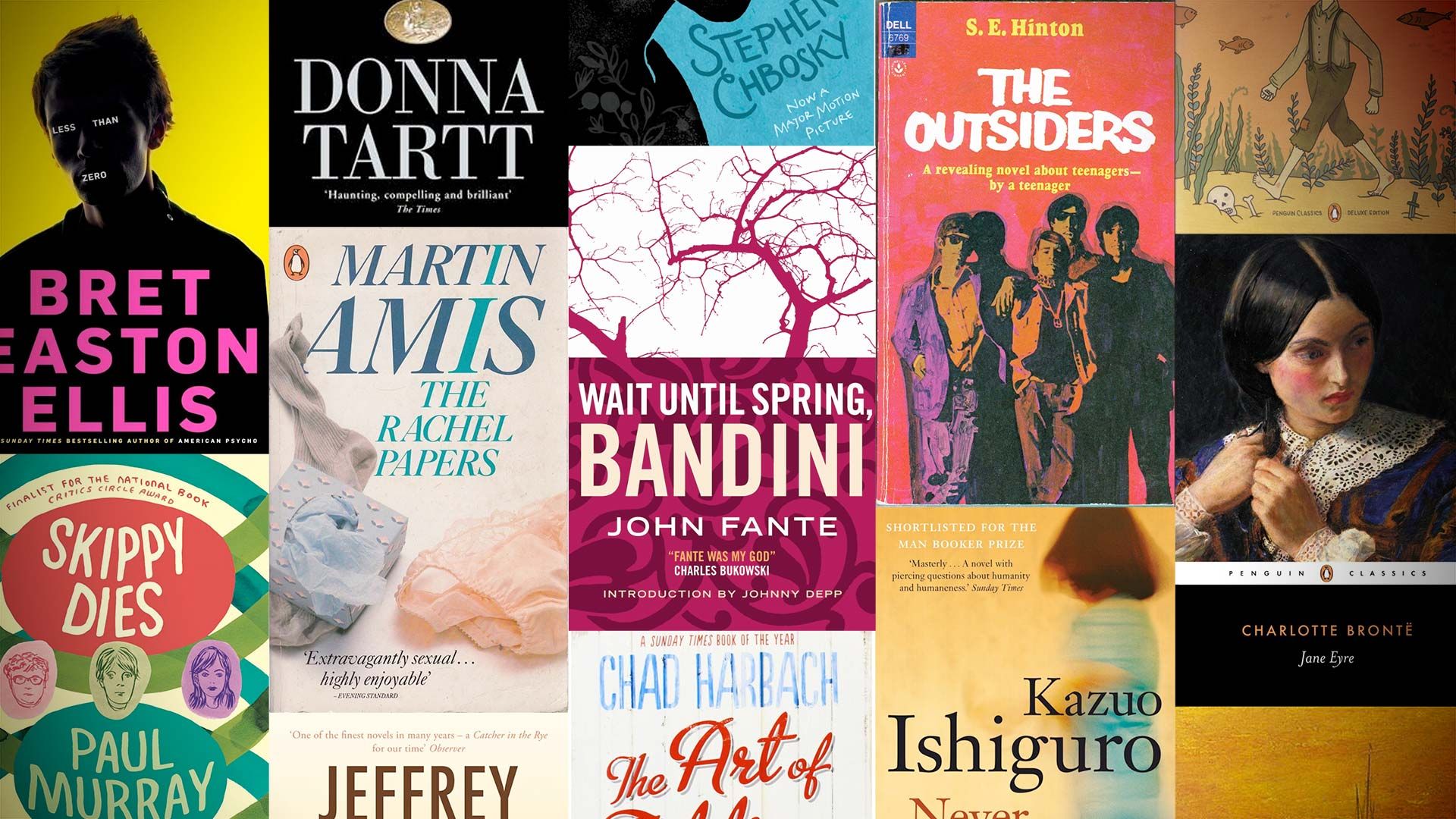
Movies like “Mean Girls” dissected high school social dynamics with sharp wit. “The Perks of Being a Wallflower” gave voice to outsiders and introverts. “Juno” showed that growing up could be complicated and messy but also full of humor. “Superbad” captured male friendship and the anxiety of transitions. These films felt authentic in ways that connected with audiences.
Book series created entire worlds for millennials to escape into. “Harry Potter” wasn’t just books or movies, it was a cultural phenomenon that grew up alongside its readers. “Twilight” sparked passionate debates and launched a paranormal romance trend. “The Hunger Games” reflected dystopian anxieties and featured a strong female lead. Young adult literature had a golden age.
These stories often featured characters dealing with real issues: mental health, sexuality, family problems, peer pressure. They didn’t talk down to young audiences. They respected that teenagers could handle complex narratives and needed to see themselves reflected in media. That respect created lasting connections.
Drop your favorite coming of age movie in the comments and defend your choice.
How Nostalgia Influences Modern Culture
The impact of millennial nostalgia extends far beyond just memories and throwback posts. It’s actively shaping current culture, trends, and even how younger generations experience media.
Gen Z has adopted Y2K aesthetic hard, mixing it with modern elements to create something new yet familiar. Thrift stores are goldmines for early 2000s fashion pieces. TikTok is full of videos recreating old trends or explaining cultural references to younger audiences who missed them the first time around.
The entertainment industry has fully embraced nostalgia as a business model. Reboots, revivals, and sequels to beloved properties dominate release schedules. “Fuller House,” “Gilmore Girls: A Year in the Life,” “Boy Meets World” sequel series, movies continuing stories from decades ago. The list goes on and on because nostalgia is profitable.
Music producers are sampling sounds from the 90s and 2000s heavily. Pop music incorporates elements from that era constantly. Even completely new artists are creating sounds that feel nostalgic to millennials. The influence of that formative music continues echoing through current trends.
Marketing departments study millennial nostalgia like it’s a science. They know exact triggers that generate emotional responses and purchasing decisions. Limited edition products featuring nostalgic brands or characters sell out instantly. Nostalgia has become a legitimate business strategy with proven results.
The Connection Between Past And Identity
Understanding why nostalgia matters so much requires looking at how memories shape identity. The experiences people have growing up literally form who they become as adults. Those formative years create the foundation for values, preferences, and personality traits.
For millennials specifically, their coming of age experiences were marked by rapid change and uncertainty. Processing those experiences through nostalgia helps make sense of personal histories. Looking back provides context for current life situations and decisions. It’s not just about missing the past, it’s about understanding the present through that lens.
Shared cultural touchstones create generational bonds too. When millennials reference old TV shows or music, they’re not just reminiscing. They’re confirming shared experiences and finding community. In an increasingly fragmented world, these common reference points matter for building connections.
The coming of age story is also inherently about transformation. Looking at who you were versus who you became tells a narrative of growth and change. Nostalgia allows people to honor their past selves while acknowledging how much they’ve evolved. It’s both celebration and reflection.
Moving Forward While Looking Back
The question isn’t whether nostalgia is good or bad, it’s how to engage with it in healthy ways. The past shouldn’t trap anyone, but it also shouldn’t be forgotten or dismissed. Finding balance is key to making nostalgia work as a positive force.
Using nostalgia as motivation can be powerful. Remembering the dreams and hopes from childhood might inspire current action. That kid who wanted to change the world doesn’t have to stay in the past. Their energy and optimism can fuel present day goals and ambitions.
Nostalgia can also teach valuable lessons about what truly matters. Looking back often reveals that the best memories weren’t about expensive things or perfect moments. They were about connections, experiences, and feelings. That wisdom applies to building meaningful lives right now.
The key is treating nostalgia like a tool rather than a destination. Visit the past, enjoy the memories, feel the feelings. Then bring those good vibes forward into creating new experiences worth remembering. The goal isn’t to recreate childhood, it’s to capture that same sense of possibility and joy in adult life.
Creating New Stories Worth Remembering
Future nostalgia is already being created right now. The experiences happening today will be what people look back on with fondness in 20 years. Understanding that puts current moments in interesting perspective.
What will today’s kids romanticize about their childhoods? What cultural moments are happening now that will define generations? The pandemic years will certainly be remembered, but so will the resilience and creativity that emerged. New technologies, social movements, artistic innovations are all creating memories in real time.
Millennials have the opportunity to help shape better coming of age experiences for current young people. Learning from both the positive aspects and mistakes of their own childhoods can inform how they support the next generation. Nostalgia isn’t just about the past, it can guide future creation.
The cycle continues because that’s how human memory and culture work. Each generation will have their moment of looking back fondly while the world moves forward. The specifics change but the emotional core remains constant: people want to remember when life felt full of promise and possibilities.
The Verdict On Nostalgia Culture
So is millennial nostalgia obsession a problem or perfectly normal? The answer is probably both. Like most things in life, it exists in shades of gray rather than black and white extremes.
Nostalgia serves important psychological functions. It boosts mood, increases feelings of social connectedness, and provides continuity between past and present self. Research shows that engaging with nostalgic memories can actually increase optimism about the future. So there are legitimate benefits to taking those trips down memory lane.
But excessive nostalgia can become avoidance. Using the past as escape from present challenges isn’t sustainable long term. And when entire industries manipulate nostalgic feelings for profit, that raises ethical questions worth considering carefully.
The healthiest approach probably involves enjoying nostalgia while staying grounded in the present. Appreciate where you came from without getting stuck there. Let good memories inspire current action rather than replacing it. Use shared cultural touchstones to build community while also creating new connections.
Millennial coming of age stories matter because they shaped millions of people during crucial developmental years. Those experiences created lasting impacts that deserve acknowledgment and reflection. But they’re also just one chapter in longer life stories still being written.
The millennial nostalgia wave isn’t slowing down anytime soon. If anything, it’s gaining momentum as the generation ages and gains more cultural influence. But that’s okay because nostalgia, when engaged with thoughtfully, can be a powerful tool for understanding ourselves and connecting with others.
The coming of age stories that defined a generation continue resonating because they captured something authentic about growing up during a unique period of change. They gave voice to universal experiences while also being specific to their moment in time. That combination creates lasting cultural impact.
So go ahead, rewatch that favorite childhood show. Listen to that playlist from middle school. Dig out old photos and cringe at fashion choices. Feel all the feelings about simpler times and remember who you were becoming. Just don’t forget to also be present for what’s happening right now, because these moments will be tomorrow’s nostalgia.
Now it’s your turn: What’s one thing from your childhood that instantly triggers the most nostalgia? Drop it in the comments and let’s start a conversation about the memories that shaped us all. And hey, share this article with someone who needs a trip down memory lane today.