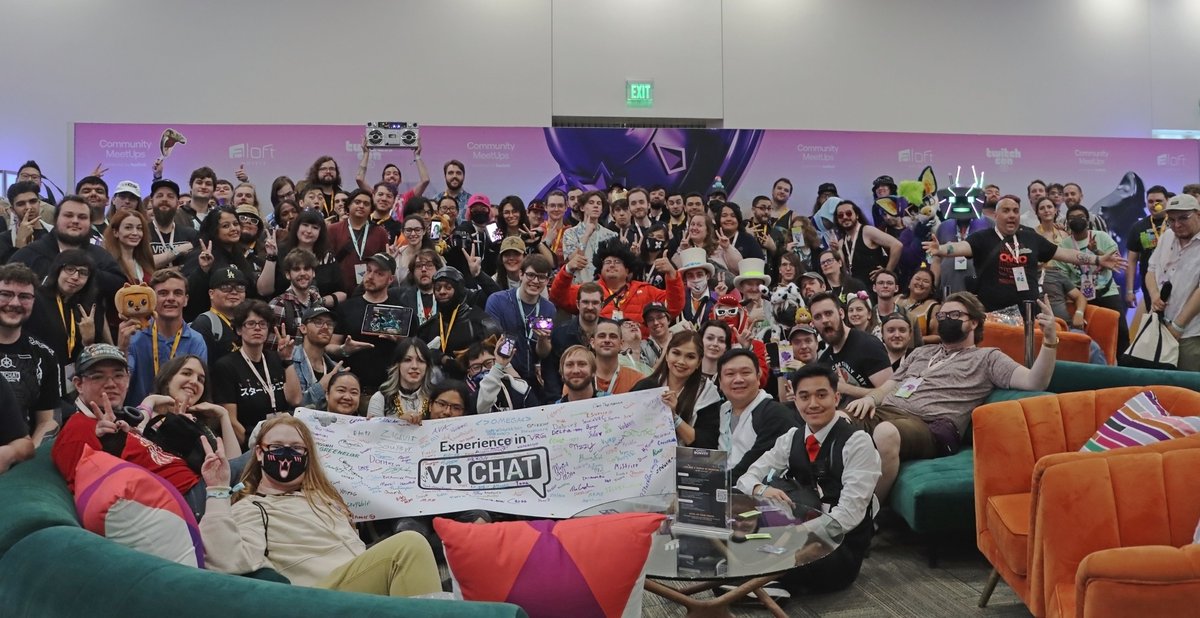
Something interesting is happening across cities worldwide. People who have spent years building friendships and connections through screens are now stepping into coffee shops, community centers, and parks to meet face to face. The digital spaces that once felt like home are expanding into the physical world, and niche communities are leading this movement.
These aren’t massive corporate conferences or celebrity driven events. Instead, they’re intimate gatherings of 10 to 50 people who share obscure interests, specific hobbies, or unique perspectives on life. A group that bonds over vintage typewriter restoration might meet monthly at a local bookstore. Fans of a particular anime series organize viewing parties in someone’s basement. Cryptocurrency enthusiasts who debated blockchain technology in Discord servers now grab coffee together on Saturday mornings.
The shift from purely online interaction to real world meetups represents more than just a trend. It signals a fundamental change in how humans are choosing to connect in an era of digital overload and algorithmic fatigue.
Why Digital Spaces Are No Longer Enough
For over a decade, online communities provided something special. You could find your people regardless of where you lived. Someone passionate about medieval manuscript illumination or modular synthesizer programming could connect with others who shared that exact interest. Geographic boundaries dissolved, and suddenly you weren’t alone in your niche obsession.
But something got lost along the way. Social media platforms became noisy, cluttered with advertisements and engagement bait. Algorithms decided what you should see rather than letting organic conversations flow. The depth of connection that initially drew people to online spaces started feeling shallow. Scrolling replaced genuine interaction. Likes became a poor substitute for real feedback.
Research shows that people are feeling more disconnected despite spending more time online. The pandemic accelerated digital adoption, but it also revealed the limitations of purely virtual relationships. When lockdowns ended, many expected a return to pre pandemic patterns. Instead, a new hybrid emerged. Communities that formed online began seeking ways to deepen bonds through physical presence.
People started craving the things that screens cannot provide. The ability to read body language during a conversation. Spontaneous moments of laughter that feel different when you’re in the same room. The experience of sharing a meal or working on a project side by side. These human elements, absent from digital interaction, became valuable again.
The Rise of Micro Community Events
Traditional networking events and large conferences still exist, but they serve different purposes. What’s emerging now is something more grassroots and authentic. Micro community events bring together small groups of people who already share a foundation of trust built online.
These gatherings happen in unexpected places. A Discord server dedicated to independent game development hosts monthly coding sessions at a local library. A Reddit community about urban gardening organizes weekend workshops where members exchange plant cuttings and growing tips. Fitness enthusiasts who met through a specialized workout app arrange group training sessions in public parks.
The scale matters immensely. When 15 people who have chatted online for months finally meet, there’s already familiarity. Inside jokes make sense. Usernames become faces. The awkwardness that typically accompanies first meetings diminishes because the relationship already exists. The meetup simply adds a new dimension to it.
Organizers of these events often emphasize intimacy over scale. They’re not trying to fill conference halls or maximize attendance. Instead, they’re creating spaces where meaningful conversation can happen. Where a shy member feels comfortable sharing an idea. Where someone can ask for help without feeling judged.
From Strangers to Friends Through Shared Interests
Urban loneliness has become a recognized social issue in major cities worldwide. People live among millions yet struggle to form genuine friendships. Traditional social structures that once facilitated connection, like neighborhood communities or workplace relationships, have weakened.
Niche communities offer a solution. When you show up to a meetup about something you genuinely care about, conversation flows naturally. You don’t need small talk about weather or traffic. You can immediately discuss the thing that brought you there, whether that’s mechanical keyboards, historical architecture, or electronic music production.
Groups organizing these stranger meetups have proliferated rapidly over the past three years. Organizations across India and globally facilitate gatherings where the explicit purpose is meeting new people. Participants attend with the understanding that everyone is there to expand their social circle. This shared intention removes much of the anxiety around approaching someone new.
The structure varies. Some events use icebreaker games to help people open up. Others organize activities that naturally facilitate interaction, like cooking classes or group hikes. The common thread is creating an environment where forming connections feels organic rather than forced.
What makes these different from traditional networking events is the absence of transactional energy. People aren’t collecting business cards or trying to advance careers. The goal is simply human connection based on genuine interest. This creates a different atmosphere entirely, one where friendships can actually develop.
The Trust Factor in Physical Spaces
Something fascinating happens when online relationships move offline. Trust deepens in ways that digital interaction cannot achieve. Seeing someone in person, observing how they treat a server at a restaurant or how they react when plans change, provides information that text messages never could.
Studies consistently show that people feel more connected through in person community participation than through social media engagement. The difference is substantial. While social platforms excel at broadcasting and consuming content, they struggle to create the sense of belonging that comes from shared physical experiences.
Face to face meetings allow for the full spectrum of human communication. Tone of voice conveys meaning that text cannot capture. A raised eyebrow or a smile adds context to words. Conversations can flow naturally without the delays and misunderstandings common in text based communication. When someone makes you laugh in person, the memory sticks differently than a funny comment online.
This trust building becomes particularly valuable for communities forming around professional growth or creative pursuits. Artists who share work in online forums gain different feedback when presenting in person. The immediate reaction, the follow up questions, the spontaneous brainstorming that emerges when multiple creative minds occupy the same space, these elements enhance the community in ways that Discord channels cannot replicate.
How Different Niches Are Meeting Up
The variety of communities organizing offline events is remarkable. Every imaginable interest and hobby has groups making the digital to physical transition.
Book lovers are forming reading clubs that go beyond typical book club formats. Instead of everyone reading the same bestseller, niche literary communities focus on specific genres or authors. Science fiction fans might dedicate months to working through a particular author’s entire catalog. Poetry enthusiasts gather to read work aloud and workshop their own pieces. These aren’t large lecture hall events. They’re living room gatherings where 8 to 12 people who genuinely love literature can dive deep into discussion.
Gaming communities have particularly embraced offline meetups. While online multiplayer gaming is incredibly popular, LAN parties are experiencing a renaissance. Gamers are setting up local area networks to play together in the same physical space. The social element transforms the experience. Trash talk becomes friendly banter. Celebrating a victory feels different when you can high five your teammate. Gaming cafes and esports lounges now cater specifically to these communities, providing spaces and equipment for groups to gather.
Crypto and NFT communities, which exist almost entirely in digital spaces, have created vibrant IRL event scenes. Major conferences attract thousands, but smaller local meetups happen weekly in cities worldwide. These range from casual coffee meetings to educational workshops to parties celebrating project launches. The decentralized nature of crypto culture lends itself to grassroots organizing. Anyone can start a local chapter or organize a meetup, and many people do.
Wellness and fitness communities are also bridging online and offline worlds. People who connect through meditation apps organize group sits. Runners who track workouts on social platforms arrange group runs. Yoga practitioners form circles that practice together regularly. The accountability and motivation that comes from exercising alongside others enhances individual practice in ways that virtual community cannot match.
Creative communities spanning photography, art, music, and writing increasingly organize collaborative sessions. Photographers plan group shoots where they can learn from each other’s techniques. Musicians host jam sessions welcoming players of all skill levels. Writers gather for co working sessions where everyone works on their own projects but shares the energy of a room full of people creating.
Even highly technical and professional communities are meeting up. Software developers attend hackathons and coding meetups. Marketing professionals organize informal knowledge sharing sessions. Entrepreneurs form mastermind groups that meet regularly to discuss challenges and opportunities. The professional networking that happens in these contexts feels more authentic than traditional business networking events because shared passion for the work itself forms the foundation.
The Mechanics of Organizing Community Meetups
Starting an offline meetup for an online community requires more planning than posting in a Discord channel, but it’s not as daunting as many assume. Successful organizers follow some common patterns.
First, they gauge interest without committing to anything specific. A poll asking “Would anyone be interested in meeting up sometime?” helps determine if there’s enough local concentration of members to make an event viable. If 30 people from an online community live in the same city, organizing a meetup becomes feasible.
Choosing a venue matters enormously. Public spaces like coffee shops, libraries, or parks work well for initial meetups because they’re neutral, accessible, and free or low cost. As communities grow, they might rent spaces or partner with local businesses. Some organizers negotiate with cafes or restaurants: the venue gets guaranteed customers, and the community gets a dedicated space.
Timing requires consideration of the community’s demographics. A group of college students might prefer evening or weekend meetups. Parents might need earlier timeframes. Professional communities often organize happy hour events or weekend brunches. The key is flexibility and willingness to experiment until finding what works.
Communication is critical. Clear details about date, time, location, and what to expect prevent confusion. Many organizers create event pages with all information centralized. They also designate a way for attendees to identify each other, especially important for first time meetups. Some communities create simple signs or wear specific colors. Others rely on the organizer being visible and welcoming people as they arrive.
The first meetup often feels awkward. That’s normal and expected. Organizers who acknowledge this openly and create structured activities to break the ice see better outcomes. Simple icebreakers, planned discussion topics, or collaborative activities give people something to do beyond standing around wondering how to start conversations.
Successful communities build consistency. A monthly meetup works better than sporadic gatherings. Regularity helps people plan ahead and builds anticipation. It also allows relationships to deepen over time. Someone might attend one meetup tentatively, but after three or four, they become an active member who brings friends.
The Challenge of Scale and Intimacy
As communities grow, maintaining the intimate feel that made early meetups special becomes challenging. A gathering of 12 people feels different from 50. When attendance doubles or triples, the dynamic changes fundamentally.
Some communities solve this by splitting into smaller local chapters. A subreddit with global membership might have separate meetup groups for different cities. Each maintains its own identity while being part of the larger community. This allows for both broad connection online and intimate gathering offline.
Others implement tiered participation. They might have large quarterly events that bring everyone together, supplemented by smaller weekly or monthly gatherings. This gives members options based on their comfort level and availability. Someone new might start with the large event, then gravitate toward smaller regular meetups as they become more involved.
Thoughtful organizers sometimes cap attendance intentionally. They recognize that beyond a certain size, the character of the gathering changes. They might organize a waiting list or encourage people who can’t attend to start their own satellite meetup. This distributed approach maintains intimacy while allowing the community to grow.
The physical space also impacts how scale affects intimacy. A hundred people in a large venue with multiple rooms or activity stations can still feel connected. The same hundred people crammed into a small space might feel overwhelming. Matching attendance to venue capacity is an art that experienced organizers develop over time.
Digital Tools Enabling Physical Meetups
Ironically, technology plays a crucial role in facilitating these offline gatherings. Platforms designed for online community building now include features specifically supporting IRL events.
Meetup remains a primary tool, particularly for finding and organizing local gatherings around specific interests. The platform makes discovering communities in your area straightforward. Someone new to a city can search for groups matching their interests and immediately see upcoming events.
Discord servers, originally built for gamers, now host communities of every type. Many servers have channels dedicated to regional meetups where members can coordinate gatherings. The platform’s voice and video capabilities also enable hybrid events, where remote members can participate virtually while others meet in person.
Reddit communities use pinned posts and dedicated threads to organize meetups. Subreddit moderators often facilitate by creating standardized formats for meetup announcements. Some subreddits have rules encouraging meetup organization and protecting participant privacy.
Facebook groups, despite the platform’s declining coolness factor, remain practical for event organization. The events feature allows organizers to manage RSVPs, send updates, and facilitate discussion. Many communities maintain presence on multiple platforms, using each for its strengths.
Newer platforms designed specifically for community building include native support for event organization. These tools let organizers collect RSVPs, send reminders, and gather feedback. Some integrate payment processing for events with fees. Others offer features like attendee matching to help people find others with aligned interests before the event.
Event management apps help with logistics. Organizers can create schedules, share maps, coordinate volunteers, and handle check in. For larger gatherings, these tools become essential for keeping everything running smoothly.
Communication apps like WhatsApp or Telegram often become hubs for active meetup groups. A community might use a broader platform for general discussion but create a dedicated chat for people who regularly attend gatherings. This allows for quick coordination, last minute changes, and ongoing conversation between events.
The Economic Dimension of Community Meetups
While many meetups are free and informal, economic models are emerging around community gatherings. This evolution is changing how both organizers and participants think about these events.
Some communities charge nominal fees to cover costs. Renting a venue, providing refreshments, or printing materials requires money. Small cover charges, often 5 to 10 dollars, help organizers break even without personally funding everything. Members generally accept this when they see fees going toward improving the experience.
More structured communities create membership models. Annual or monthly dues grant access to regular meetups and other benefits. This works particularly well for communities offering educational content or professional development. Members view the fee as an investment in their growth rather than simply a cost for socializing.
Sponsorships offer another avenue. Local businesses interested in reaching a community’s demographic might sponsor events. A coffee shop might provide free beverages in exchange for hosting a meetup. A tech company might sponsor a developer community’s hackathon. These partnerships can be mutually beneficial when aligned authentically.
Some communities have monetized successfully enough that organizing events becomes someone’s job. They might sell tickets to larger gatherings, offer premium membership tiers, or create courses and content. This professionalization can enhance event quality but risks changing the community’s character. The balance between sustainability and authenticity requires careful navigation.
Brands increasingly recognize community meetups as marketing opportunities. Rather than traditional advertising, they engage by supporting events that align with their values. A outdoor gear company might sponsor a hiking meetup community. A sustainable fashion brand might partner with a community focused on ethical consumption. When done transparently, this can provide resources that improve events without feeling exploitative.
The creator economy intersects with community meetups in interesting ways. People who built audiences online leverage those followings to organize in person experiences. A YouTuber might host meetups for fans. A podcaster might organize live shows or discussion groups. These blur the line between community gathering and creator event, but when the creator genuinely engages rather than just performs, they can feel authentic.
Cultural Differences in Community Gatherings
The way niche communities organize offline varies significantly across cultures and regions. Social norms, urban design, and cultural attitudes toward strangers all influence how meetups happen.
In India, the rapid growth of stranger meetup culture reflects changing attitudes about social connection in urban environments. Young professionals moving to cities for work find themselves disconnected from traditional family and community structures. Meetup groups fill this gap, providing social circles in new cities. Organizations specifically facilitating these connections have seen explosive growth, particularly in metros like Delhi, Bangalore, and Mumbai.
Indian meetup culture often emphasizes hospitality and inclusion. Organizers go out of their way to make newcomers feel welcome. Food plays a central role in many gatherings, reflecting the cultural importance of sharing meals. Events might revolve around trying different restaurants or cooking together. This warmth can make India’s community meetup scene particularly vibrant and welcoming.
In North America and Europe, the meetup culture is more established but varies by city. Major urban centers have robust scenes across virtually every niche interest. Smaller cities and towns have fewer options but often stronger community bonds when groups do form. The car dependent nature of many North American cities affects meetup logistics differently than in places with robust public transit.
Asian cities like Tokyo, Singapore, and Seoul have thriving niche community scenes but often emphasize different values. Formality and respect for hierarchy might influence group dynamics. Some communities maintain more structured interactions than the casual hangout vibe common in Western meetups. Language can also play a role, with some communities specifically forming around shared language when living abroad.
European communities often benefit from strong public space culture. Cafes, plazas, and parks provide natural gathering spots. The walkability of many European cities makes organizing and attending meetups easier. Cultural attitudes toward work life balance also influence participation, with some regions showing stronger evening and weekend community engagement.
The Future of Hybrid Communities
The trajectory seems clear. Rather than choosing between online or offline, successful communities embrace both. Each mode offers distinct advantages, and the most vibrant communities leverage each appropriately.
Online spaces excel at scale, accessibility, and ongoing communication. They allow global connection regardless of geography or schedule. They preserve conversations that people can reference later. They enable asynchronous participation, so members can engage when it fits their lives.
Offline gatherings provide depth, trust building, and memorable shared experiences. They strengthen bonds in ways that digital interaction cannot replicate. They create stories and moments that become part of community identity. They make relationships real in a way that transcends usernames and profile pictures.
Emerging technologies may further blur online and offline boundaries. Virtual and augmented reality could create intermediate spaces that combine elements of both. Imagine a meetup where half the attendees are physically present while others join as realistic avatars. This might sound far fetched, but the technology is rapidly improving.
What matters most isn’t the specific tools or platforms. It’s the fundamental human need for connection and belonging. Niche communities serve this need by bringing together people around shared interests and values. As long as that need exists, communities will find ways to connect both digitally and physically.
The next generation of community builders will likely be fluent in orchestrating both dimensions seamlessly. They’ll understand how to build relationships online and deepen them through in person experiences. They’ll create events that generate content and memories shared back online, creating a positive feedback loop between digital and physical presence.
Challenges and Growing Pains
The movement of communities from online to offline isn’t without complications and difficulties. Organizers and participants navigate various challenges as they figure out what works.
Safety concerns understandably arise when strangers from the internet meet in person. Responsible communities address this through transparency, public venues, and clear codes of conduct. Some organizers verify identities or require established community membership before allowing event attendance. Women and marginalized groups particularly consider safety when deciding whether to attend meetups, and thoughtful organizers work to create environments where everyone feels secure.
Inclusivity poses another challenge. Online communities can include people from diverse circumstances, but offline events have barriers. Physical disabilities might make venues inaccessible. Parents might struggle with childcare. Financial constraints could prevent attendance at events with fees. Geographic spread means some members can never attend regardless of interest. Conscious organizers try to mitigate these issues, but perfect inclusion remains difficult.
Cliques can form, especially as communities mature. Early members who attend every meetup might develop close friendships that feel exclusive to newcomers. This happens naturally but can discourage new people from integrating into the community. Skilled organizers actively work to welcome new members and ensure no one feels left out.
Personality conflicts that remain manageable in text based communication can escalate in person. Online, you can step away from a heated discussion. At a meetup, you’re stuck in the same room. Communities need mechanisms for handling interpersonal issues and clear expectations about behavior. Most adopt codes of conduct spelling out unacceptable behaviors and consequences.
The effort required to organize meetups shouldn’t be underestimated. Someone has to handle logistics, communication, and inevitable problems. In volunteer run communities, organizer burnout becomes a real risk. The most sustainable communities distribute responsibility and develop leadership pipelines so organizing doesn’t depend on one person.
Success Stories Worth Noting
Certain communities have become examples of successfully bridging online and offline worlds, demonstrating what’s possible with thoughtful organizing and engaged members.
Local book communities in cities worldwide have created rich cultures around reading and discussion. What starts as a subreddit or Facebook group morphs into regular gatherings at bookstores, libraries, or homes. Members develop genuine friendships based on shared love of literature. These communities often become support networks extending far beyond discussing books.
Fitness communities show how online accountability translates to real world motivation. Running clubs that coordinate through apps bring people together for group runs. The combination of digital tracking and in person encouragement helps members achieve goals they couldn’t reach alone. The friendships formed while running together often extend into other parts of life.
Creative communities demonstrate the power of in person collaboration. Photographers who share work online organize group shoots where they learn from each other. Musicians who connect digitally arrange jam sessions. These gatherings elevate everyone’s skills while building relationships impossible to form through online interaction alone.
Professional communities create significant value through hybrid approaches. Developer communities that combine online forums with regular meetups and hackathons accelerate learning and career growth. The connections made at these gatherings often lead to jobs, partnerships, and collaborations. The online component maintains momentum between events and extends the network globally.
Gaming communities have always understood the value of LAN parties and in person competition, but they’re now organizing more diverse gatherings. Beyond competitive play, gaming communities host social events, viewing parties for esports tournaments, and casual hangout sessions. The shared passion for gaming provides the foundation, but the relationships extend beyond just playing games together.
Practical Advice for Starting Your Own Meetup
If you’re part of an online community and want to organize an offline gathering, the process is more accessible than you might think. Here’s how to begin.
Start small and manage expectations. Your first meetup might attract five people, and that’s perfectly fine. Small gatherings often feel more comfortable and allow deeper conversations. Success isn’t measured by attendance numbers but by whether participants enjoyed themselves and want to meet again.
Choose a convenient, public location for initial meetups. Coffee shops work well because they’re casual, accessible, and require no financial commitment beyond buying a drink. Parks work during good weather. Libraries often have free meeting rooms. Avoid choosing anywhere that feels exclusive or uncomfortable for newcomers.
Pick a date and time at least two weeks in advance. This gives people time to see the announcement and adjust schedules. Weekend afternoons often work well because they avoid conflicting with work. Post clear information including exact location, time, and how people can identify the group.
Create an easy way for people to confirm attendance. This helps you know if anyone is coming and gives attendees confidence they won’t show up alone. Event features on various platforms work well, or you can simply ask people to reply to your post.
Plan some structure, especially for first meetups. Have a few questions or topics ready to spark conversation. Consider an icebreaker activity. This prevents awkward silences and helps people who feel shy about jumping into conversation. But don’t over structure. Leave room for organic interaction.
Be visible and welcoming. Arrive early and make yourself easy to spot. Greet people warmly as they arrive. Introduce people to each other. Your energy as the organizer sets the tone for the entire gathering.
Follow up afterward. Post a recap or thank you in your online community. Share any photos people consented to being in. Gather feedback about what worked and what could improve. Ask if people would attend again and what kind of events interest them.
Stay consistent if the first meetup goes well. Set a regular cadence, whether monthly, biweekly, or weekly. Consistency helps your meetup become part of people’s routines. It also allows relationships to develop over time rather than everyone starting fresh each gathering.
Share responsibility as the community grows. Recruit volunteers to help with setup, welcome newcomers, or organize specific activities. Distributing tasks prevents burnout and gives others investment in the community’s success. Some people who are quiet participants online become valuable leaders in person.
The Psychology Behind the Shift
Understanding why people crave offline connection despite having digital access to their communities requires looking at fundamental human psychology and how technology affects us.
Humans evolved as social creatures living in small groups. Our brains developed sophisticated mechanisms for reading facial expressions, interpreting tone, and understanding social dynamics. These mechanisms largely go unused during online interaction. Text lacks the richness of in person communication. Video calls capture some elements but still feel different from physical presence.
The dopamine hits from social media engagement don’t satisfy deeper needs for belonging and connection. Likes and comments provide shallow validation that fades quickly. Meaningful conversation that challenges and expands your thinking can’t happen in comment sections or through emoji reactions. People are recognizing this distinction and seeking experiences that actually fulfill them.
Digital fatigue is real and increasing. Many people spend entire workdays on computers, then spend evenings on phones. The idea of also socializing primarily through screens starts feeling exhausting. Meeting in person provides a break from digital spaces while still maintaining social connection.
Authenticity becomes easier to assess face to face. Online, people curate their presentations carefully. You see what someone wants you to see. In person, you observe unguarded moments. You see how someone treats a server or reacts to unexpected situations. This allows for more accurate evaluation of whether you genuinely want someone in your life.
Shared physical experiences create stronger memories than digital ones. The brain encodes information differently when multiple senses are involved. A conversation over coffee, where you smell the coffee, feel the warmth of the cup, see the person’s expressions, and hear their voice, creates richer neural pathways than a text exchange. This is why in person meetings feel more memorable and meaningful.
The commitment of showing up physically signals investment in a way that online participation doesn’t. Attending a meetup requires planning, travel, and dedicated time. This effort demonstrates that the community matters to you, which others recognize and appreciate. Digital participation requires minimal effort, which gives it less weight psychologically.
Where This Movement Is Heading
Looking forward, the trend of niche communities organizing offline gatherings will likely accelerate and evolve in interesting directions.
More sophisticated hybrid models will emerge. Communities will develop best practices for combining online and offline seamlessly. Events might stream portions online so remote members can participate. Discussions begun at meetups will continue in digital spaces with shared context.
Platforms will build better tools specifically supporting this hybrid approach. Expect features that make organizing and attending meetups easier, handle payments and logistics smoothly, and help maintain connections between events. The companies that succeed will understand that online and offline aren’t competing but complementary.
Brands and businesses will increasingly recognize community meetups as valuable marketing channels. Rather than traditional advertising, companies will sponsor and support communities aligned with their values. Done authentically, this provides resources for organizers while connecting brands with engaged audiences.
Local governments and institutions might start supporting community organizing more actively. Libraries, community centers, and public spaces could develop programs facilitating meetups. Some forward thinking cities might recognize vibrant community culture as economic and social assets worth nurturing.
The professionalization of community organizing will continue. More people will make careers from building and maintaining communities. This might manifest as full time community managers, professional event organizers, or entrepreneurs building businesses around niche communities. This isn’t necessarily negative if it raises standards and improves experiences.
Niche communities will become increasingly recognized as antidotes to various social problems. Urban loneliness, mental health challenges, and polarization all potentially improve through strong communities. Organizations working on these issues might support community building as an intervention strategy.
The specific platforms and tools will change, but the fundamental need they serve won’t. Humans will always seek connection with others who understand them. Niche communities serve this need by bringing together people around shared interests, values, and experiences. As long as that need exists, communities will keep finding ways to connect both online and off.
What we’re witnessing isn’t a rejection of digital community but its maturation. The early internet promised connection without boundaries, and it delivered. Now communities are discovering how to build on that foundation by adding the depth and richness that only physical presence provides. The future isn’t choosing between online or offline but skillfully combining both to create communities that are truly meaningful to their members.