
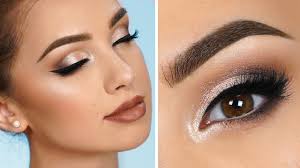
The beauty industry has witnessed an explosion unlike anything seen before. Everywhere you look, someone is sharing their latest makeup creation, blending eyeshadows like seasoned artists, or perfecting their winged eyeliner. This phenomenon is not just a passing trend. It represents a fundamental shift in how people approach self expression and personal care.
What makes this moment particularly special is the accessibility factor. Gone are the days when professional makeup application remained exclusive to those who could afford expensive salon visits or had formal training. Now, anyone with a smartphone and curiosity can learn techniques that once seemed impossible to master. The democratization of beauty knowledge has created opportunities for millions to explore their creative side.
Understanding the Makeup Revolution
Social media platforms transformed how we consume beauty content. Short videos showing quick transformations captivate audiences worldwide, while longer tutorials provide detailed instructions for those wanting comprehensive guidance. This combination of entertainment and education proved irresistible to viewers across all age groups.
The pandemic accelerated this trend significantly. With people spending more time at home, many discovered makeup as a creative outlet and form of self care. What started as experimentation during lockdowns evolved into serious skill development. Suddenly, kitchen tables became vanity stations and bathroom mirrors turned into filming locations.
Beauty brands noticed this shift and responded accordingly. They began creating products specifically designed for beginners, with easier application methods and more forgiving formulas. Packaging became more user friendly, and shade ranges expanded to accommodate diverse skin tones. The industry recognized that serving newcomers meant building loyal customers for years to come.
Starting Your Makeup Journey
Walking into a beauty store for the first time can feel overwhelming. Rows upon rows of products promise different results, and the terminology alone might seem like a foreign language. But every expert started exactly where you are now, feeling uncertain and maybe a little intimidated.
The key is starting small. You do not need every product advertised by influencers or stocked on store shelves. A basic kit can take you surprisingly far and help you understand what actually works for your unique features. Think of it like learning to cook. You master fundamental recipes before attempting elaborate dishes.
Your skin type plays a crucial role in product selection. Oily skin requires different formulations than dry skin, and combination skin needs yet another approach. Take time to understand your skin’s behavior throughout the day. Does it get shiny by afternoon? Feel tight after cleansing? These observations guide your purchasing decisions.
Essential Products Every Beginner Needs
A good moisturizer with SPF forms the foundation of any makeup routine. Protecting your skin while providing a smooth base ensures better application and longer lasting results. Many people skip this step, but it makes a noticeable difference in how makeup sits on your face.
Primer comes next, though opinions vary on its necessity for beginners. Some swear by it, while others find it an unnecessary extra step. If you have large pores or oily skin, primer can help. Otherwise, a well moisturized face often suffices when you are just starting out.
Foundation or tinted moisturizer evens out your complexion. The debate between full coverage foundation and lighter alternatives depends on personal preference and skin concerns. Beginners often find tinted moisturizers more forgiving because they blend easily and look natural even with imperfect application. As confidence grows, experimenting with different coverage levels becomes easier.
Concealer addresses specific concerns like dark circles, blemishes, or redness. Choose a shade slightly lighter than your skin tone for under eyes and one that matches exactly for covering spots. This versatile product can dramatically improve your appearance with minimal effort.
Powder sets your base makeup and controls shine. Translucent powder works for most skin tones, while pressed powder offers more coverage. The application method matters too. Light dusting with a fluffy brush looks more natural than heavy handed application.
Mastering Face Products
Applying foundation seems straightforward until you actually try it. Fingers, brushes, and sponges each create different finishes, and the right tool depends on your product formula and desired look. Liquid foundations often work best with damp beauty sponges, which blend seamlessly and prevent streaking.
Start with less product than you think you need. You can always add more, but removing excess proves difficult and wastes product. Dot foundation on your forehead, cheeks, nose, and chin, then blend outward toward your hairline and down your neck. Blending into your neck prevents the dreaded mask effect where your face appears a different color than your body.
Concealer application requires a gentle touch. Pat it onto problem areas rather than rubbing, which can remove the base makeup underneath. The triangular method under eyes brightens and lifts, while spot concealing targets specific blemishes. Setting concealer with a light dusting of powder prevents creasing throughout the day.
Contouring intimidates many beginners, but it simply involves creating shadows and highlights to enhance your facial structure. You do not need ten different products. A contour shade two tones darker than your skin and a highlighter create dimension. Apply contour to the hollows of your cheeks, sides of your nose, and along your jawline. Blend thoroughly because harsh lines look unnatural.
Blush brings life back to your face after foundation evens everything out. Smile and apply blush to the apples of your cheeks, blending up toward your temples. Cream blushes offer a dewy finish and blend beautifully into the skin, while powder blushes provide longer wear and work better on oily skin.
Eye Makeup Fundamentals
Eyes offer the most room for creativity but also present the steepest learning curve. Starting with neutral shades builds confidence before moving to bold colors. Brown, taupe, and beige eyeshadows complement most skin tones and create polished looks suitable for any occasion.
Eyeshadow primer prevents creasing and intensifies color payoff. Without it, eyeshadow can fade or settle into fine lines within hours. A tiny amount covers both lids and makes a significant difference in longevity.
The basic eyeshadow technique involves three shades: a light base color, a medium transition shade, and a darker accent color. Apply the lightest shade across your entire lid. Use the medium shade in your crease, blending in windshield wiper motions. Add the darkest shade to the outer corner of your eye, creating depth.
Blending is everything in eyeshadow application. Harsh lines between colors look unfinished and unflattering. Use a clean, fluffy brush to soften edges where colors meet. This step takes practice, but the difference between blended and unblended eyeshadow is dramatic.
Eyeliner enhances your eye shape and makes lashes appear fuller. Beginners often find pencil liners easier to control than liquid formulas. Tightlining, which involves applying liner to your upper waterline, creates definition without obvious liner. As skills improve, experimenting with winged liner or colored liner adds variety.
Mascara opens up your eyes and completes the look. Wiggle the wand at the base of your lashes, then sweep upward. Multiple thin coats prevent clumping better than one thick application. Let each coat dry before applying the next.
Eyebrow Shaping and Filling
Eyebrows frame your face and can completely change your appearance. Well groomed brows look polished even without other makeup. Determining your natural brow shape helps guide grooming decisions rather than following trends that might not suit your features.
Eyebrow products come in many forms: pencils, powders, gels, and pomades. Beginners typically find pencils most user friendly because they allow precise control. Choose a shade matching your natural brow color or slightly lighter. Going too dark creates a harsh, unnatural look.
Fill in sparse areas using light, feathery strokes that mimic natural hairs. Avoid drawing solid lines, which look obviously fake. Start in the middle of your brow and work outward, using a lighter hand toward the inner corners. Brow gel sets everything in place and keeps unruly hairs tamed throughout the day.
Lip Products and Application
Lipstick completes your makeup look and comes in countless finishes: matte, satin, glossy, and everything in between. Matte formulas last longer but can feel drying. Glossy finishes provide comfort and shine but require frequent reapplication. Satin strikes a balance between the two.
Lip liner prevents feathering and extends lipstick wear time. It also allows you to slightly adjust your lip shape if desired. Line just outside your natural lip line for fuller looking lips, or trace directly along it for definition without obvious enhancement.
Applying lipstick straight from the bullet works fine for casual looks. For precise application or bold colors, use a lip brush. Start in the center of your lips and work outward, following your natural shape. Blot with tissue, apply powder through the tissue, then add another lipstick layer for impressive staying power.
Lip gloss adds shine and can make thin lips appear fuller. Apply it to the center of your lips for a plumping effect, or cover your entire mouth for maximum shine. Sticky glosses have fallen out of favor, replaced by lightweight formulas that feel comfortable.
Tools That Make a Difference
Quality brushes and tools elevate your makeup application significantly. You do not need expensive professional grade brushes when starting out, but investing in a few good basics pays off. Synthetic brushes work well with cream and liquid products, while natural hair brushes suit powder formulas.
A foundation brush or beauty sponge distributes product evenly. Damp sponges create a more natural finish than dry application. Wash your sponge after each use to prevent bacteria buildup and maintain its effectiveness.
Fluffy powder brushes deposit the right amount of product without looking cakey. Smaller, denser brushes work better for concentrated application like contouring or applying blush to specific areas.
Eye brushes come in various shapes and sizes, each serving different purposes. A flat shader brush packs on color, while a fluffy blending brush softens edges. An angled brush works for liner or brows. Starting with a basic eye brush set covers most techniques without overwhelming you with options.
Beauty sponges revolutionized makeup application. These egg shaped tools blend seamlessly when dampened, creating an airbrushed effect. Despite being disposable, they last several months with proper care.
Common Mistakes Beginners Make
Applying too much product ranks as the most frequent error. Heavy makeup looks obvious and ages your appearance. Building coverage gradually produces better results than starting with thick application. Remember, you can always add more but removing excess creates a mess.
Skipping skincare before makeup leads to poor results. Makeup applies smoothly only on well prepared skin. Cleanse, moisturize, and allow products to absorb before starting your makeup routine. This foundation work makes everything else easier.
Using the wrong shade of foundation haunts many beginners. Test foundation on your jawline in natural light, not on your hand or wrist. Your face often differs in color from other body parts. The right shade disappears into your skin rather than creating a visible line of demarcation.
Neglecting to blend creates harsh lines and uneven color distribution. Whether blending foundation, contour, eyeshadow, or blush, taking extra time ensures a polished result. Step back from your mirror occasionally to see how everything looks from a normal viewing distance.
Ignoring your natural features in favor of trends leads to unflattering results. Not every technique suits every face. Embrace what makes you unique rather than trying to replicate someone else’s look exactly.
Building Your Skills Progressively
Learning makeup resembles learning any other skill. Progress comes through consistent practice and patience with yourself. Do not expect perfection immediately or compare your beginning attempts to experienced artists’ work.
Set aside time specifically for practice when you are not rushing to get ready for an event. Experiment without pressure, trying new techniques and products. Make mistakes freely because that is how you learn what works for your features.
Take photos of your makeup to identify areas needing improvement. What looks good in your bathroom mirror might reveal issues in different lighting. Photography highlights both successes and areas requiring more attention.
Watch tutorials from multiple creators to see different approaches. Each artist has their own methods, and exposure to variety helps you develop personal preferences. What works for one person might not work for you, and that is perfectly fine.
Practice one technique at a time rather than trying to master everything simultaneously. Spend a week focusing on eyeshadow blending, then move to perfecting your base application. This focused approach builds competence more effectively than scattered learning.
Understanding Color Theory
Colors interact in predictable ways, and understanding basic color theory improves your makeup choices. Complementary colors sit opposite each other on the color wheel and make each other appear more vibrant. Blue eyes pop with orange toned eyeshadows, while green eyes intensify with purple hues.
Your undertone, whether warm, cool, or neutral, influences which colors flatter you most. Warm undertones have yellow, peachy, or golden hues and look best in earthy tones like browns, oranges, and warm reds. Cool undertones have pink, red, or blue hues and shine in jewel tones, berries, and true reds. Neutral undertones can wear most colors successfully.
Determining your undertone helps with foundation matching and color selection across all products. Look at your veins in natural light. Green veins indicate warm undertones, while blue or purple veins suggest cool undertones. If you cannot tell or see both colors, you likely have neutral undertones.
Adapting Looks for Different Occasions
Daytime makeup typically emphasizes natural enhancement rather than dramatic transformation. Lighter coverage, neutral colors, and softer application create appropriate looks for work, school, or casual outings. The goal is looking polished but not overdone.
Evening makeup allows more drama and intensity. Deeper colors, bolder lips, and heavier application suit dimmer lighting and special occasions. What looks excessive in bright daylight appears perfect under evening lighting.
Understanding context prevents makeup mishaps. A full glam look at a morning meeting seems out of place, while barely there makeup at an evening event might photograph poorly. Adjust your approach based on where you are going, what time of day, and the expected dress code.
Maintaining Your Products and Tools
Proper storage extends product life and maintains quality. Keep makeup away from direct sunlight and heat, which can alter formulas and cause separation. Bathrooms, despite their convenience, create humid environments that promote bacteria growth. If possible, store makeup in a cool, dry location.
Clean your brushes regularly to prevent bacteria buildup and ensure optimal performance. Dirty brushes apply makeup unevenly and can cause breakouts. Wash face brushes weekly and eye brushes twice weekly using gentle soap or brush cleaner. Lay them flat to dry, preventing water from loosening the glue holding bristles.
Replace products according to their shelf life. Mascara should be replaced every three months, liquid eyeliner every three to six months, and liquid foundation every six to twelve months. Powder products last longer, often up to two years. Expired products can harbor bacteria and lose effectiveness.
Sanitize products periodically, especially if you have experienced any skin issues. Spray powder products with rubbing alcohol and let them dry. Sharpen pencils before each use to expose fresh product.
Troubleshooting Common Issues
Cakey makeup results from too much product, applying makeup to dry skin, or using the wrong formula for your skin type. Fix it by using less product, ensuring proper moisturization, and selecting formulas suited to your skin’s needs. Setting spray can also help meld layers together.
Patchy foundation often stems from dry skin, expired product, or application technique. Exfoliate regularly to remove dead skin cells, replace old foundation, and try different application tools. Sometimes the product itself is not compatible with your skin, requiring you to switch brands.
Eyeshadow fallout happens with certain formulas, particularly shimmery or glittery shadows. Apply eye makeup before foundation to easily clean up any fallout. Alternatively, hold a tissue under your eye while applying shadow to catch falling particles.
Lipstick on teeth frustrates everyone. After application, put your finger in your mouth, close your lips around it, and pull it out. This removes any product that would have transferred to your teeth. Another trick involves applying lipstick, blotting, applying powder through tissue, then adding another layer.
Growing Your Collection Wisely
Resist the urge to buy everything at once. Building a collection gradually allows you to understand what you actually use versus what looked appealing in the store. Many people accumulate products that sit untouched because they purchased based on trends rather than genuine need.
Drugstore products offer excellent quality at affordable prices. Many perform as well as or better than expensive alternatives. Starting with budget friendly options makes sense while you are still figuring out your preferences. You can always upgrade later if you want.
Wait before purchasing new releases. Initial excitement often fades, and reviews reveal whether products live up to their hype. Unless you have a specific need, delaying purchases saves money and prevents regret.
Multipurpose products maximize value, especially for beginners. A cream blush can double as lipstick. Eyeshadow works as eyeliner when applied with a damp brush. Thinking creatively about product uses stretches your collection further.
The Psychological Benefits of Makeup
Beyond physical transformation, makeup offers psychological benefits that explain its boom among beginners. The ritual of applying makeup provides a meditative start to your day, offering quiet time for self focus before facing external demands.
Creative expression through makeup builds confidence as you see your skills improve. Each successful look reinforces your capability and encourages further experimentation. This positive feedback loop motivates continued learning.
The community aspect cannot be overlooked. Sharing looks on social media, discussing techniques with friends, or participating in online forums creates connections. Beauty brings people together regardless of background, age, or location.
Self care extends beyond skincare to include makeup as a form of personal attention. Taking time to enhance your appearance demonstrates self respect and priority. This investment in yourself often improves mood and self perception.
Looking Forward
The makeup tutorial boom shows no signs of slowing. Technology continues advancing, making learning even more accessible. Virtual try on apps let you experiment with products before purchasing, while AI provides personalized recommendations based on your features.
Inclusivity in beauty products and education expands constantly. More brands recognize the importance of serving all skin tones, types, and ages. Tutorial creators represent increasingly diverse backgrounds, ensuring everyone can find relatable guidance.
Sustainability concerns are shaping product development and consumption patterns. Refillable packaging, clean ingredient lists, and cruelty free testing methods appeal to conscious consumers. These changes benefit everyone while protecting the environment.
The democratization of beauty knowledge empowers individuals to express themselves authentically. No longer must people rely on professionals for basic makeup skills. This independence and creativity fuel the continued growth of makeup interest among beginners and experienced enthusiasts alike.
Your makeup journey is personal and unique. What works for others might not work for you, and vice versa. Embrace experimentation, learn from mistakes, and most importantly, enjoy the process. The beauty industry boom creates unprecedented opportunities to explore, learn, and express yourself through makeup. Take advantage of available resources, be patient with your progress, and remember that even experts started as complete beginners.














Hello to every one, for the reason that I am actually keen of reading this blog’s post to
be updated daily. It carries pleasant information.
I was suggested this web site by means of my cousin. I’m now not
positive whether or not this submit is written by him as nobody else recognise such certain about my problem.
You’re wonderful! Thank you!