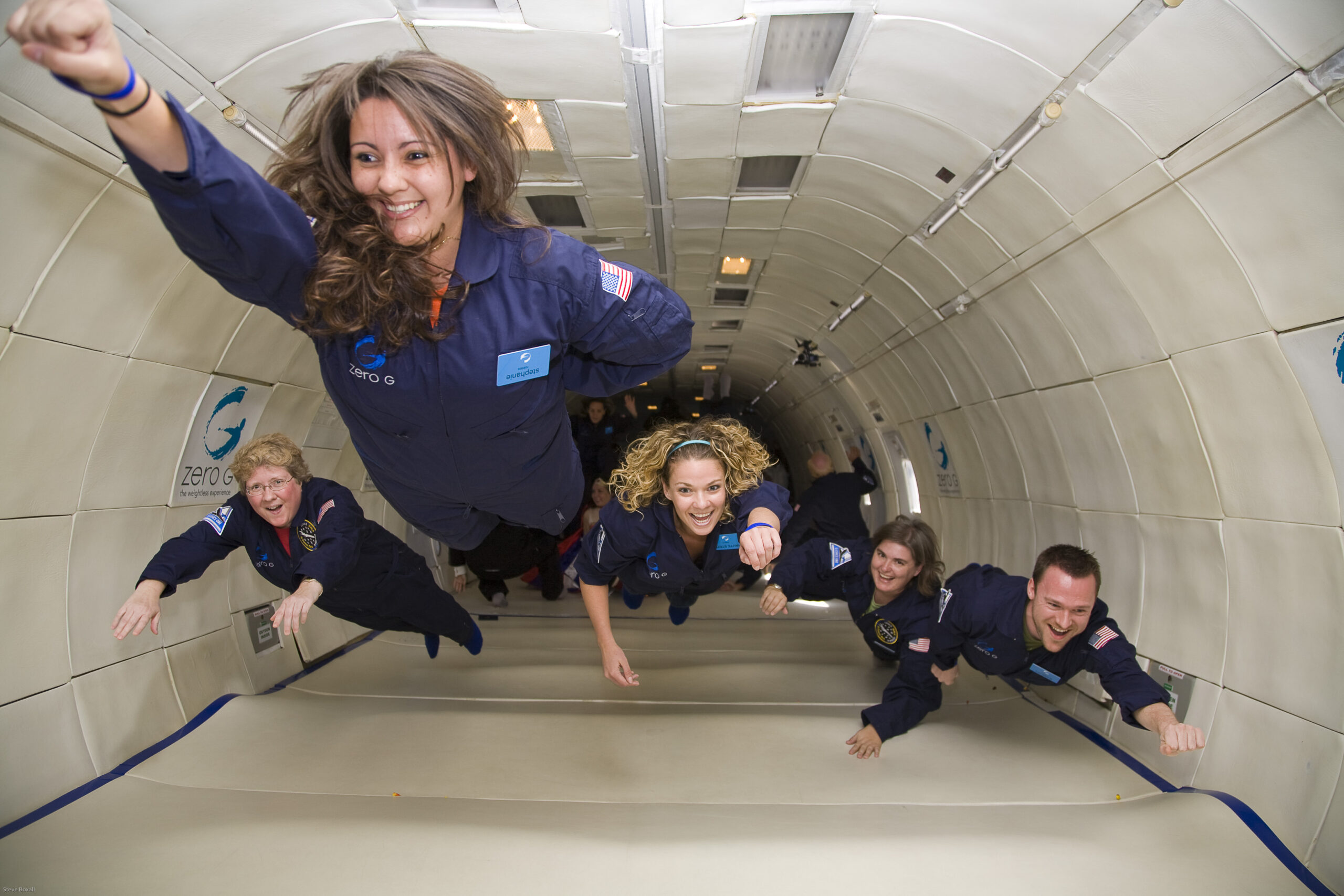
You’re floating in mid air, your hair defying gravity, coffee droplets suspended around you like tiny planets. This isn’t science fiction anymore. Welcome to 2025, where space tourism has exploded from a billionaire’s fantasy into something almost within reach for everyday adventure seekers.
But here’s the catch. Before anyone straps into a rocket and blasts off into the cosmos, there’s serious prep work involved. Enter zero-G simulators, the secret weapon turning ordinary humans into space ready travelers. These mind blowing machines are changing everything we thought we knew about getting people ready for the final frontier.
The Space Tourism Boom Nobody Saw Coming
Space tourism went from zero to hero faster than anyone predicted. Just three years ago, only a handful of ultra wealthy individuals had experienced commercial space flight. Fast forward to today and over 2,000 civilians have purchased tickets for upcoming space adventures. Companies like SpaceX, Blue Origin and Virgin Galactic aren’t just launching rockets anymore. They’re building entire ecosystems around space travel experiences.
The price tags have dropped too. While early space tourist Dennis Tito paid twenty million dollars for his trip to the International Space Station back in 2001, today’s suborbital flights start around 250,000 dollars. Still expensive, yes, but compare that to what a luxury yacht costs and suddenly space doesn’t seem so far fetched.
What changed? Technology advanced, competition heated up and public interest skyrocketed. Social media exploded with videos of celebrities and influencers experiencing weightlessness. Suddenly everyone wanted a piece of that floating dream.
Why Zero-G Training Matters More Than You Think
Here’s something most people don’t realize. Weightlessness isn’t just fun and games. The human body freaks out when gravity disappears. Blood rushes to your head. Your inner ear goes haywire. Some people throw up within seconds. Others feel like they’re falling forever.
That’s where zero-G simulators come in. These incredible machines give future space tourists a taste of weightlessness before they ever leave Earth’s atmosphere. Think of it as a test drive before buying the car, except the car is a rocket and the road is literally space.
The training serves multiple purposes. First, it helps identify people who might have severe reactions to microgravity. Second, it teaches basic movement skills needed in zero-G environments. Third, it builds confidence so tourists can actually enjoy their expensive trip instead of spending it sick and terrified.
Medical experts discovered that proper zero-G training reduces space sickness by nearly seventy percent. That’s huge when you’ve paid hundreds of thousands for a two hour flight.
The Vomit Comet: Not As Scary As It Sounds
Let’s talk about the most famous zero-G simulator on the planet. NASA’s “Vomit Comet” has been training astronauts since the 1950s. Despite its unfortunate nickname, this modified aircraft creates brief periods of weightlessness through parabolic flight patterns.
Here’s how it works. The plane climbs steeply to about 32,000 feet, then plunges downward in a precise arc. During the descent, passengers experience about twenty to thirty seconds of genuine weightlessness. The pilots repeat this maneuver forty to sixty times per flight, giving trainees multiple chances to practice floating, moving and performing tasks in zero-G.
Modern versions of these aircraft now serve civilian space tourists. Companies like Zero Gravity Corporation offer commercial flights where anyone can experience weightlessness. Each flight costs around 7,500 dollars and includes fifteen parabolas. That’s roughly eight minutes of total float time.
The experience is intense. Passengers report feelings ranging from pure joy to complete disorientation. Some people laugh uncontrollably. Others cry. A few do actually vomit, hence the nickname. But the majority walk away with stars in their eyes and a burning desire to reach actual space.
Share this with your friend who’s always dreamed of becoming an astronaut.
Virtual Reality Takes Zero-G Training Digital
Not everyone can afford a vomit comet flight or has access to one nearby. That’s where virtual reality steps in. VR zero-G simulators have become surprisingly sophisticated, offering realistic weightlessness experiences without leaving the ground.
These systems use a combination of VR headsets, motion platforms and haptic feedback suits. Users wear special gear that creates sensations mimicking zero gravity. The visuals show space environments. The motion platforms tilt and rotate. The haptic suits apply pressure in specific areas to simulate floating sensations.
Does it match real weightlessness? Not exactly. But it comes close enough to train basic skills and mental preparation. Studies from the European Space Agency showed VR training improved astronaut performance by thirty five percent in certain tasks.
Several space tourism companies now offer VR experiences as part of their pre flight packages. Blue Origin’s training facility in West Texas includes a state of the art VR suite where customers spend hours practicing everything from eating in space to emergency procedures.
The coolest part? These VR systems cost a fraction of traditional training methods. A full VR zero-G simulator setup runs about 50,000 dollars compared to millions for aircraft based training. This democratization means more people can prepare for space adventures.
Underwater: The Original Zero-G Simulator
Before fancy planes and VR technology, astronauts trained underwater. NASA’s Neutral Buoyancy Laboratory in Houston contains a massive pool holding six point two million gallons of water. Inside this pool sits a full scale mock up of the International Space Station.
Why water? Because neutral buoyancy closely mimics weightlessness. Divers wear special suits weighted to neither sink nor float. This creates an environment where they can practice complex tasks for hours, something impossible in parabolic flights with their brief weightless periods.
Space tourism companies have adopted this method enthusiastically. Several facilities worldwide now offer underwater zero-G experiences for civilians. These sessions typically last two to three hours and cost between 2,000 to 5,000 dollars.
Participants wear modified scuba gear and practice basic movements under instructor supervision. They learn to control their orientation, move deliberately and stay calm in a weightless environment. The psychological benefits are massive. Underwater training builds confidence and reduces anxiety about actual space flight.
One unexpected bonus? Underwater training reveals who might struggle with claustrophobia or panic in confined spaces. Better to discover these issues in a controlled pool environment than 60 miles above Earth.
The Centrifuge: Preparing Bodies for G Forces
Zero-G training is only half the equation. Space tourists also need preparation for the intense G forces during launch and reentry. That’s where centrifuges enter the picture.
These spinning machines subject occupants to multiple Gs of force, simulating what happens during rocket acceleration. Most suborbital flights expose passengers to three to four Gs during launch. Orbital flights can hit six Gs or more.
What does that feel like? Imagine someone placing increasingly heavy weights on your chest. Your vision narrows as blood drains from your head. Breathing becomes difficult. Without proper training and technique, people pass out.
Centrifuge training teaches tourists how to tense specific muscle groups, control breathing and maintain consciousness under high G loads. Sessions typically build gradually, starting at two Gs and working up to five or six over multiple visits.
Virgin Galactic’s training program includes mandatory centrifuge sessions. Customers spin until they can handle four and a half Gs comfortably. The company reported that centrifuge training reduced in flight incidents by eighty percent.
Modern centrifuges aren’t just torture devices though. Many now include VR integration, showing realistic launch sequences synchronized with G force increases. This combination of physical and mental preparation proves incredibly effective.
Space Suits: More Than Just Fashion
Let’s address the elephant in the room. Those sleek space suits everyone sees in promotional photos? They’re not just for show. These high tech garments serve crucial functions during space tourism flights.
Modern space tourism suits differ significantly from traditional astronaut gear. They’re lighter, more comfortable and designed for short duration flights. Companies have invested heavily in making them stylish too. After all, tourists want Instagram worthy photos.
But beneath the fashion lies serious engineering. These suits maintain pressure around the body, provide oxygen, regulate temperature and protect against radiation. Some models include biometric sensors monitoring heart rate, oxygen levels and stress indicators.
Zero-G training includes suit familiarization sessions. Tourists practice putting suits on, moving in them and operating various controls. The suits can feel awkward at first. They restrict movement and add bulk. Training helps people adapt before flight day.
SpaceX’s suits have become particularly iconic. Designed by Hollywood costume creator Jose Fernandez, they balance form and function beautifully. The suits feature touchscreen compatible gloves, integrated communications and a single connection point for all life support systems.
Blue Origin took a different approach. Their suits prioritize comfort for the brief suborbital flight experience. They’re lighter and easier to move in, reflecting the company’s philosophy that space tourism should feel accessible rather than intimidating.
Don’t miss out on experiencing zero-G training before prices jump next year.
The Psychology of Floating: Mental Preparation Matters
Physical training gets most attention, but mental preparation proves equally important. Zero-G environments mess with human psychology in unexpected ways.
Some people experience overwhelming euphoria in weightlessness. Others panic. The loss of up and down references confuses the brain. Time perception shifts. Emotional responses intensify.
Space tourism companies now employ sports psychologists and mental performance coaches. These specialists work with customers for months before flights, building mental resilience and teaching coping strategies.
Techniques include visualization exercises, breathing practices and progressive exposure therapy. Customers mentally rehearse every flight phase repeatedly. They learn to recognize and manage stress responses. They practice staying present and enjoying the experience rather than letting fear take over.
One fascinating development is the use of float tanks as supplementary training. These sensory deprivation chambers eliminate most external stimuli, creating a meditation like state. Regular float tank sessions help people become comfortable with disorientation and unusual physical sensations.
The mental preparation pays off. Data shows tourists who complete comprehensive psychological training report forty percent higher satisfaction scores. They remember their flights more vividly and experience less post flight stress.
Emergency Procedures: The Serious Side of Space Tourism
Nobody wants to think about things going wrong, but responsible space tourism companies take emergency preparedness seriously. Zero-G training includes critical safety procedures.
Tourists learn to recognize cabin depressurization, respond to fire in zero-G, operate emergency oxygen systems and assume crash positions. These aren’t fun topics, but they’re necessary.
The training happens in realistic simulator environments. Trainees practice emergency scenarios repeatedly until responses become automatic. Instructors create high stress situations intentionally, pushing people to perform under pressure.
Some procedures seem counterintuitive. For example, fire behaves differently in zero-G. Flames form spheres rather than pointing upward. Smoke doesn’t rise. Standard fire fighting techniques don’t work. Tourists need specialized training for these unusual situations.
Medical emergencies present unique challenges too. Performing CPR in weightlessness requires special techniques. Administering first aid becomes complicated when bandages won’t stay in place. Space tourism companies train customers in basic emergency medical procedures adapted for zero-G.
This serious training balances the excitement and adventure. It reminds participants that space travel, while increasingly accessible, still carries real risks. The goal is informed confidence, not blind enthusiasm.
The Social Side: Group Training Creates Bonds
Most space tourism flights carry multiple passengers. Companies discovered that group training sessions create valuable social bonds before the actual flight.
Shared training experiences build camaraderie. Watching someone else struggle and succeed in zero-G creates empathy and connection. Groups that train together report higher satisfaction and lower anxiety levels.
Some companies now structure training as multi day retreats. Customers stay together, eat together and train together. They share stories, fears and excitement. By flight day, they’re not just random passengers but a team ready to experience something extraordinary together.
This social aspect has unexpected marketing benefits too. Training groups become informal brand ambassadors, sharing experiences on social media and recruiting friends to join future flights. Word of mouth from actual participants proves far more powerful than traditional advertising.
Virgin Galactic pioneered this approach with their “Future Astronaut Community.” Members receive exclusive access to events, training updates and networking opportunities. The community aspect transforms space tourism from a transaction into a lifestyle movement.
The Tech Behind the Scenes: Innovation Never Stops
Zero-G simulation technology keeps evolving. Engineers constantly develop new methods for creating weightlessness experiences.
One exciting development is magnetic levitation for small scale zero-G simulation. These systems use powerful electromagnetic fields to suspend objects and even people for extended periods. While still experimental, the technology shows promise for long duration training sessions.
Another innovation involves augmented reality overlays during parabolic flights. Passengers wear AR glasses showing virtual environments superimposed on the real aircraft interior. This combination of genuine weightlessness with virtual scenery creates incredibly immersive experiences.
Robotic training systems have emerged too. These machines provide resistance and assistance during zero-G maneuvers, helping people learn proper movement techniques faster. Think of them as personal trainers for weightlessness.
Biometric monitoring has become standard. Modern training gear tracks dozens of physiological markers in real time. Instructors can see exactly how someone’s body responds to weightlessness and adjust training accordingly. This personalized approach dramatically improves outcomes.
The data collected during training feeds artificial intelligence systems. These AI programs identify patterns, predict problems and recommend optimized training schedules for each individual. Machine learning is making zero-G preparation more effective than ever.
Cost Breakdown: What Does Training Actually Cost
Let’s talk numbers. Zero-G training represents a significant portion of overall space tourism expenses.
Basic training packages start around 10,000 dollars. This typically includes medical screening, classroom education, VR sessions and one parabolic flight. Most space tourism companies require this minimum preparation.
Comprehensive training programs range from 25,000 to 50,000 dollars. These include multiple parabolic flights, centrifuge sessions, underwater training, psychological coaching and emergency procedure drills. Serious space tourists opt for comprehensive packages.
Premium training experiences can exceed 100,000 dollars. These might include private instruction, customized programs, extended durations and exotic locations. Some wealthy customers essentially create personalized astronaut training programs.
Hidden costs exist too. Medical clearances require specialists. Travel to training facilities adds up. Time away from work or family has value. Realistic budgets account for these extras.
The good news? Training costs have dropped significantly. Five years ago, similar preparation programs cost two to three times current prices. Increased competition and improved efficiency continue driving costs down.
Some companies now offer financing plans for training. Others bundle training costs into overall flight packages. A few experimental programs explore sponsorship models where brands cover training costs in exchange for social media content.
Tag someone who needs to know space tourism is becoming affordable.
International Training Centers: Where the Magic Happens
Zero-G training happens at specialized facilities worldwide. Each location offers unique advantages and experiences.
NASA’s facilities in Houston remain the gold standard. Their Neutral Buoyancy Laboratory and various simulator systems represent decades of refinement. Several space tourism companies contract with NASA for premium training programs.
Russia’s Star City near Moscow offers authentic astronaut training experiences. The Gagarin Cosmonaut Training Center has prepared every Russian space traveler since 1960. They now accept civilian trainees, providing an old school hardcore training experience.
Europe’s astronaut training center in Cologne, Germany, combines cutting edge technology with meticulous safety standards. Their parabolic flight aircraft conducts over thirty flights annually for both research and tourism purposes.
Dubai built a massive space tourism training complex in 2024. The facility includes the world’s largest indoor neutral buoyancy pool, multiple centrifuges, VR chambers and even a full scale suborbital spacecraft mockup. It’s become a destination in itself.
Private companies have established training centers too. Blue Origin’s West Texas campus, Virgin Galactic’s facility in New Mexico and SpaceX’s training center at Kennedy Space Center all offer comprehensive programs.
Some surprising locations have entered the market. Underwater training happens in flooded caves in Mexico. A converted aircraft carrier in California hosts zero-G experiences. Innovation happens everywhere.
The Future: What’s Next for Zero-G Training
The zero-G training industry is just getting started. Experts predict explosive growth over the next decade.
Permanent orbital facilities are coming. Plans exist for dedicated space hotels where guests can experience extended weightlessness. These destinations will require even more sophisticated preparation than current short duration flights.
Training technology will advance dramatically. Neural interfaces might one day allow direct skill downloading. Genetic modifications could reduce space sickness susceptibility. Pharmaceutical interventions may eliminate many current training requirements.
Virtual and augmented reality will achieve perfect realism. Future tourists might complete entire training programs from home using consumer grade equipment. Physical training facilities could become optional rather than mandatory.
The training itself will evolve. As humans spend more time in space, we’ll discover new optimal preparation methods. Current techniques may seem primitive in retrospect.
Prices will continue falling. Some analysts predict basic zero-G training could cost under 1,000 dollars within fifteen years. Mass market space tourism requires affordable preparation.
Educational applications will expand. Schools might include zero-G field trips as part of science curricula. Universities could offer space experience programs. The line between tourism and education will blur.
Real Stories: Tourists Share Their Training Experiences
Nothing beats hearing from people who’ve actually done it. Recent space tourists offer insights into zero-G training reality.
Sarah, a tech entrepreneur from Silicon Valley, completed Blue Origin’s training program. “The centrifuge was way harder than I expected,” she admits. “My vision kept tunneling and I felt like passing out. But the instructors coached me through techniques that worked. By my third session I was handling five Gs comfortably. That confidence made my actual flight incredible.”
Marcus, a retired teacher who won a contest for a Virgin Galactic seat, found underwater training most valuable. “Floating in that massive pool, completely weightless for two hours straight, changed everything for me. I learned to move slowly and deliberately. I discovered how to control my orientation. When I finally reached space, those skills kicked in automatically. I wasn’t fumbling around like I might have been otherwise.”
Yuki, a Japanese photographer documenting her space journey, loved the VR training. “The virtual reality sessions let me practice over and over without the expense of parabolic flights. I rehearsed taking photos in zero-G hundreds of times. When flight day arrived, I captured amazing images because I’d mentally prepared so thoroughly.”
Not everyone found training easy. James, a businessman from London, struggled initially. “I got violently sick on my first parabolic flight. Honestly thought I’d have to cancel my space trip. But the training team worked with me on medication timing, breathing techniques and mental preparation. My second flight was better. By the third, I was loving it. Training saved my space dream.”
The Gear Revolution: What Tourists Actually Wear
Modern space tourism gear balances safety, functionality and style. Companies learned early that tourists want to look good in photos.
Suits come in various designs. Some mirror traditional NASA aesthetic with white exteriors and American flag patches. Others embrace futuristic styling with dark colors, sleek lines and minimalist branding. Each company develops distinctive looks.
Helmets have evolved significantly. Early designs were bulky and claustrophobic. Current models feature wide visors, excellent visibility and integrated communications. Some even include heads up displays showing flight data and biometrics.
Gloves represent a particular challenge. They must protect hands while allowing fine motor control. Touchscreen compatibility is now standard. The best gloves feel almost natural despite their technical complexity.
Footwear matters more than expected. Special boots with attachment points help tourists secure themselves during weightless periods. Some designs include magnetic elements for walking on metal surfaces.
Underneath suits, tourists wear specialized undergarments. These temperature regulating layers wick moisture, provide padding and include sensors monitoring vital signs. They’re essentially high tech athletic wear adapted for space.
Accessories matter too. Cameras mount to helmets or wrists. Pouches hold personal items. Tethers prevent objects from floating away. Every piece serves a purpose while maintaining aesthetic appeal.
Try zero-G training this year before everyone you know beats you to it.
Health Requirements: Not Everyone Can Go
Space tourism isn’t for everyone. Health requirements limit who can participate.
Cardiovascular fitness matters most. The heart works differently in zero-G. Blood pressure changes rapidly. People with certain heart conditions can’t safely fly.
Vision standards exist. Severe myopia or other eye conditions may disqualify candidates. Some companies allow corrective lenses but have limits.
Age ranges vary by provider. Most companies accept passengers from eighteen to eighty, but require additional screening at extremes. The oldest space tourist so far was ninety, but that’s exceptional.
Weight restrictions apply. Not discrimination but engineering reality. Spacecraft have precise mass budgets. Most companies set upper limits around 250 pounds, though this varies.
Pregnancy automatically disqualifies candidates. Radiation exposure and G forces pose unknown risks to fetuses. All female passengers receive pregnancy tests before flights.
Mental health matters too. Severe anxiety, claustrophobia or panic disorders can create dangerous situations. Psychological screening is now standard.
The good news? Most healthy adults qualify. Medical technology keeps improving, gradually expanding who can safely experience space tourism.
The Business Side: Companies Leading the Charge
Several companies dominate space tourism and zero-G training markets.
SpaceX leads in technical capability. Their Dragon capsules have carried civilians to orbit. Their training programs are rigorous and comprehensive. They’re currently the only company offering true orbital tourism.
Blue Origin focuses on suborbital experiences. Their New Shepard rocket provides eleven minutes of weightlessness. Flights happen frequently, and they’re building a large customer base. Their training philosophy emphasizes accessibility and fun.
Virgin Galactic pioneered commercial spaceflight with their unique space plane design. After years of delays, they’re now conducting regular tourist flights. Their training blends adventure tourism with genuine space preparation.
Axiom Space is planning the first commercial space station. They’re already training private astronauts for long duration missions. Their programs represent the next evolution beyond brief tourist flights.
Smaller companies are entering the market too. Space Perspective offers balloon rides to the edge of space. Zero Gravity Corporation provides parabolic flights. Dozens of startups are developing new approaches.
The competition benefits consumers. Companies compete on price, experience quality and training excellence. Innovation accelerates. Costs decrease. The industry matures rapidly.
Environmental Considerations: The Elephant in the Cabin
Space tourism faces legitimate environmental criticism. Rockets produce significant emissions. Training activities consume resources. The industry must address these concerns.
Some companies are developing greener propulsion systems. Electric launches remain distant dreams, but hybrid engines and alternative fuels show promise. SpaceX’s reusable rockets dramatically reduce waste compared to disposable systems.
Training facilities are going green too. Solar panels power some centers. Water recycling systems minimize waste. Carbon offset programs address remaining emissions.
Critics argue space tourism is fundamentally wasteful. Resources would serve humanity better elsewhere. Supporters counter that space development eventually benefits everyone through technological advancement and expanding human presence beyond Earth.
The debate continues. Meanwhile, companies invest in sustainability. Public pressure demands environmental responsibility. The industry knows its long term success depends on minimizing ecological impact.
Individual tourists face choices too. Some offset their carbon footprint through verified programs. Others question whether environmental concerns should delay human space expansion. There are no easy answers.
Insurance and Liability: The Fine Print Matters
Space tourism involves significant legal complexity. Insurance and liability issues protect companies and customers.
All space tourists sign extensive waivers. These documents acknowledge risks and limit company liability. Courts have upheld such waivers in most jurisdictions.
Insurance is expensive. Special policies cover space flight risks. Premiums can run tens of thousands of dollars. Some companies include insurance in package prices while others make it optional.
What happens if something goes wrong? Legal frameworks remain murky. Space law is still developing. International treaties govern some aspects but leave gaps.
Training facilities carry their own insurance. Parabolic flights, centrifuges and underwater sessions all involve risks. Operators protect themselves against injury claims.
Medical insurance gets complicated. Standard policies often exclude space flight. Tourists need special riders or separate policies. Coverage varies wildly by provider.
Family considerations matter too. What if a space tourist dies? Life insurance policies may not cover space activities without specific clauses. Estate planning becomes important.
The industry is working on standardization. Professional associations are developing best practices. Eventually, insurance and liability will become routine. For now, careful attention to legal details remains essential.
Cultural Impact: Space Tourism Changes Everything
Space tourism is reshaping culture in unexpected ways.
Social media exploded with space content. Influencers document training journeys. TikTok videos show zero-G experiences. Instagram feeds feature space suit photos. The visibility normalizes space travel for younger generations.
Fashion has embraced space aesthetics. Designers create space inspired clothing lines. Metallics, sleek cuts and technical fabrics dominate runways. The space tourism industry literally influences what people wear on Earth.
Language evolves. Terms like “space tourist” and “commercial astronaut” entered common usage. Kids now aspire to space careers with renewed enthusiasm. Science fiction seems less fictional.
Entertainment content multiplies. Documentaries follow space tourist training. Reality shows compete to send contestants to space. Scripted dramas explore commercial spaceflight themes. Space tourism provides endless material.
Education benefits enormously. Students engage with space topics more enthusiastically knowing civilian space travel is possible. STEM enrollment has increased at schools near major space tourism facilities.
The philosophical impact runs deep. Experiencing Earth from space changes perspectives. The overview effect, where astronauts report profound shifts in worldview, now affects regular people. This democratization of space experience could influence environmental attitudes, international relations and human consciousness itself.
Getting Started: Your Path to Space
Ready to begin your space tourism journey? Here’s how to start.
First, research companies. Compare offerings, prices and timelines. Read reviews from actual space tourists. Understand what each company provides.
Schedule medical screening early. Many disqualifying conditions are treatable with time. Starting the process lets you address issues before committing financially.
Budget realistically. Include training, travel, time off work and extras. Many people underestimate total costs.
Join online communities. Forums and social media groups connect aspiring space tourists. The shared knowledge proves invaluable.
Consider starting with affordable experiences. A parabolic flight or VR session lets you test your interest without massive investment. Many people discover space tourism isn’t for them after initial exposure. Better to learn early.
Book early. Popular flights fill years in advance. Training programs have limited slots. The space tourism industry can’t scale instantly.
Prepare physically. Start exercising regularly. Build cardiovascular fitness. Strong core muscles help in zero-G. Physical preparation makes training easier.
Embrace the journey. Training isn’t just preparation. It’s part of the adventure. Enjoy every moment.
Space tourism represents humanity’s boldest adventure. Zero-G training makes that adventure possible for regular people. The technology exists. The companies are operating. The only question is whether you’re ready to take that leap.
The final frontier isn’t just for astronauts anymore. It’s for anyone willing to prepare, invest and chase an extraordinary dream. Training facilities worldwide stand ready to transform enthusiastic civilians into space ready travelers. The stars are literally within reach.
This revolution in human spaceflight is happening now. Not in some distant future. Now. Companies are flying tourists regularly. Training programs accept new candidates constantly. The space tourism industry is building momentum that won’t stop.
What are you waiting for? The cosmos beckons. Training facilities are ready. Your space adventure could begin today. Whether you’re seriously planning a trip or just curious about the possibility, exploring zero-G training opens doors to experiences previous generations could only imagine.
The next generation of space travelers is training right now. They’re spinning in centrifuges, floating in pools, experiencing parabolic flights and mentally preparing for the journey of a lifetime. They come from all backgrounds, all countries, all walks of life. They share one thing. A willingness to push beyond comfortable boundaries and experience something genuinely extraordinary.
Space tourism is no longer science fiction. Its not for some future generation. It’s here. Its real. And zero-G simulators are the gateway making it accessible.
So here’s the final question. Will you be part of this incredible moment in human history? Will you experience weightlessness? Will you look back at Earth from the edge of space? The choice is yours. The technology is ready. The training is available.
Drop a comment below if you’re seriously considering space tourism. Share this article with someone who needs to see it. Follow us for more updates on the space tourism revolution. Your journey to the stars starts with a single decision. Make it today.