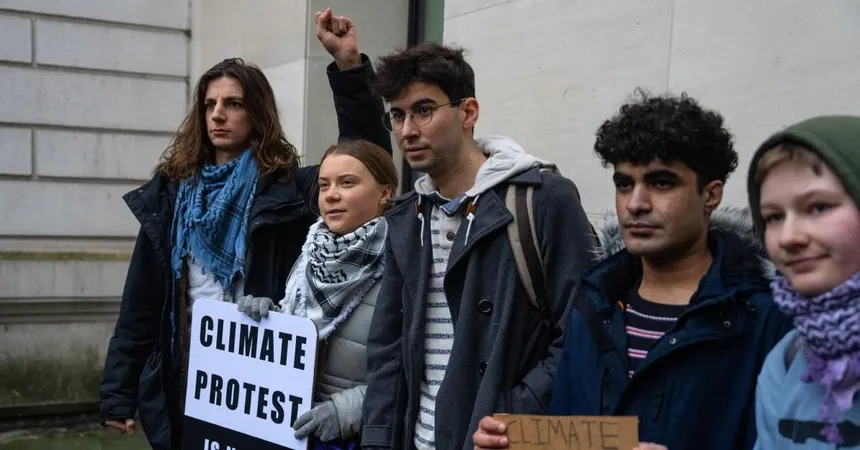
The Digital Revolution of Environmental Advocacy
Generation Z has fundamentally transformed how climate activism operates in the modern world. Unlike previous generations who relied on marches, petitions, and traditional media coverage, young people today are wielding smartphones as their primary weapons against environmental degradation. Instagram Reels and TikTok videos have become the new battlegrounds for climate justice, where 15 to 60 second clips can spark global movements and influence millions of viewers within hours.
The shift is not merely about changing platforms. It represents a complete reimagining of how environmental messages are crafted, delivered, and consumed. Gen Z activists understand something their predecessors did not: attention spans have shrunk, but emotional impact can still be massive when delivered in bite sized, visually compelling packages. A marine biologist can now reach more people with a single TikTok video than an entire semester of classroom lectures.
Research shows that 32% of Gen Z individuals are regularly engaged in activism or social justice work, a figure that rises to nearly 40% among college students. What makes this generation unique is that two thirds of their activism takes place online. The digital space is not just a supplementary tool for these young activists. It has become the primary arena where awareness is raised, communities are built, and action is coordinated.
The Mechanics of Viral Climate Content
Creating content that resonates requires more than just pointing a camera at environmental problems. Gen Z activists have mastered the art of storytelling within severe time constraints. They use upbeat soundtracks, dynamic editing, colorful captions, and sometimes dance trends to make their green messages palatable to audiences scrolling through endless content feeds.
Carissa Cabrera, a marine biologist and member of the EcoTok collective, posted a 10 second video showing severe flooding near her home in Hawaii. Over footage of swollen rivers and cars navigating badly flooded roads, a voiceover declared that this was not just global warming or climate change, but a climate crisis. The video garnered over 300,000 views. Such numbers would have been impossible through traditional environmental communication channels.
The formula works because it combines urgency with accessibility. Complex scientific concepts are broken down into digestible explanations that anyone can understand. Carbon capture, food waste, biodiversity loss, and recycling methods are explained in language that does not require a degree in environmental science. The barrier to entry for understanding climate issues has been lowered dramatically.
Visual storytelling plays a crucial role in this equation. Studies examining the impact of Instagram Reels on environmental activism reveal that content featuring strong narrative structures, visual symbolism, and emotional appeal consistently generates high levels of audience interaction. Posts with emotionally resonant imagery and community participation narratives inspire not just likes and shares, but offline action as well.
From Passive Viewers to Active Participants
The transformation of audience members from passive consumers to active participants represents one of the most significant achievements of Gen Z climate activism on social media. Traditional environmental campaigns often left viewers feeling helpless, overwhelmed by the scale of climate problems. Short form videos, however, frequently include calls to action that are specific, achievable, and immediate.
Platforms like Instagram and TikTok are participatory by nature. Users can easily borrow, repurpose, and respond to each other’s videos. This creates chains of engagement where one person’s climate content inspires dozens of response videos, each adding new perspectives or personal stories. Hashtag challenges encourage users to participate in eco friendly behaviors and document their efforts, creating organic networks of environmental action.
The numbers tell a compelling story. The hashtag ForClimate has accumulated over 533 million views on TikTok. Climate change and sustainable hashtags combined have generated well over a billion views. These are not just vanity metrics. Behind each view is a person who has been exposed to environmental messaging, and research indicates that exposure to social media pro environmental campaigns significantly influences attitudes and behaviors among Gen Z audiences.
Interactive features like polls, stickers, and live question and answer sessions further deepen engagement. Instagram Stories allow climate activists to conduct real time conversations with their followers, addressing questions about sustainability practices, discussing policy changes, or explaining the latest climate science findings. This two way communication builds trust and makes environmental advocacy feel less like a lecture and more like a community conversation.
The EcoTok Movement and Collective Impact
EcoTok emerged in July 2020 when a Las Vegas high school student named Alex Silva, who posted videos about low waste living under the name ecofreako, reached out to fellow activists with an idea to collaborate. What started as a small collective has grown to 16 members, including students, scientists, environmental educators, and civil servants. The group has partnered with organizations like TED Countdown and Gates Ventures on campaigns promoting eco initiatives.
The collective approach amplifies individual voices. When multiple creators post about the same environmental issue from different angles, using complementary messaging strategies, the cumulative effect is far greater than isolated efforts. EcoTok members support each other’s content through shares and collaborations, building a network effect that pushes climate messages into broader audiences beyond each creator’s immediate followers.
This model has been replicated globally. Young climate influencers from various countries have formed similar collectives, recognizing that coordinated digital campaigns achieve better results than solo efforts. The approach also provides emotional support for activists who might otherwise experience burnout from the constant exposure to environmental crises and the emotional labor of advocacy work.
The diversity within these collectives strengthens their messaging. Marine biologists bring scientific credibility, while lifestyle influencers demonstrate how sustainability can be integrated into daily routines. Policy focused creators explain legislative changes, while artists create visually stunning content that captures attention. Each member contributes unique skills and perspectives, creating a comprehensive approach to climate communication.
Authenticity as Currency
Gen Z audiences possess highly sensitive authenticity detectors. They can spot corporate greenwashing, performative activism, and disingenuous messaging from miles away. This has forced climate content creators to prioritize genuine emotion, transparent communication, and real world action over polished but empty rhetoric.
Behind the scenes content has become particularly valuable. Activists share the unglamorous reality of environmental work: the physical exhaustion of beach cleanups, the frustration of bureaucratic obstacles, the small victories that come after months of effort. This vulnerability makes the movement more relatable and accessible to ordinary people who might have previously viewed environmental activism as the domain of extraordinary individuals.
The pressure to maintain authenticity also means that climate influencers cannot simply talk about environmental issues without taking action themselves. Audiences expect to see proof of commitment through lifestyle choices, volunteer work, and tangible impact. This accountability mechanism helps ensure that social media climate activism translates into real world environmental benefits rather than remaining purely performative.
Personal storytelling has emerged as a powerful tool within this authenticity framework. Young activists share how climate change has personally affected them, their families, or their communities. These narratives create emotional connections that statistics and scientific reports cannot achieve alone. When a teenager describes watching wildfires approach their home, or a coastal resident documents rising sea levels threatening their neighborhood, the climate crisis becomes immediate and personal rather than abstract and distant.
The Pandawara Group Success Story
Indonesia’s Pandawara Group exemplifies how social media driven climate activism can generate substantial real world impact. Five young men from Bandung began cleaning heavily polluted rivers, beaches, and public spaces after severe flooding hit their area. Rather than working in obscurity, they documented their efforts on Instagram and TikTok, creating engaging content that showcased both the magnitude of environmental problems and the possibility of tangible solutions.
Their content strategy combines education with entertainment. Videos show team members physically removing trash from waterways while explaining the environmental consequences of pollution and the importance of proper waste management. The visual transformation from polluted to clean spaces provides immediate, satisfying evidence of impact that resonates with viewers.
The results have been remarkable. Pandawara Group has removed over 620 tons of waste from 187 locations across Indonesia. Their social media presence has inspired countless individuals, community groups, schools, and even government agencies to launch their own cleanup initiatives. The group was named People of the Year 2024, recognition that their grassroots digital activism had achieved national significance.
Their success demonstrates several key principles of effective social media climate activism. First, they focus on actionable solutions rather than just highlighting problems. Second, they make participation accessible by showing that anyone can contribute to environmental improvement. Third, they maintain consistent content production, keeping their audience engaged over time. Fourth, they celebrate collective achievements, fostering a sense of shared purpose among followers.
The Pandawara model has inspired similar movements across Southeast Asia. Countries facing comparable pollution challenges have seen youth groups adopt the same approach: document cleanup efforts through short form videos, educate audiences about environmental issues, and mobilize community participation through digital platforms. This demonstrates the scalability of social media driven environmental activism.
Addressing Climate Anxiety Through Community
Nearly 69% of Gen Z social media users report feeling anxious about the future when they encounter climate change content online. This statistic reveals both a challenge and an opportunity for digital climate activism. While environmental content can trigger distress, it can also provide avenues for processing those emotions constructively and channeling anxiety into action.
Climate influencers have become increasingly aware of their responsibility to address mental health alongside environmental advocacy. Many now incorporate messages of hope, highlight solutions and progress, and emphasize the power of collective action. The goal is to inspire engagement without inducing paralyzing despair.
Community building serves as an antidote to climate anxiety. When young people connect with others who share their concerns and commitment to environmental action, the emotional burden becomes more manageable. Social media platforms facilitate these connections, allowing geographically dispersed individuals to form support networks, share coping strategies, and celebrate environmental victories together.
Some climate content creators specifically focus on combating eco anxiety by highlighting positive developments in renewable energy, conservation success stories, and policy victories. They remind audiences that while the situation is serious, progress is being made and individual contributions matter. This balanced approach maintains urgency while preventing the hopelessness that can lead to disengagement.
Educational Impact of Short Form Content
The educational potential of Instagram Reels and TikTok videos extends far beyond what their brief duration might suggest. Young climate educators have learned to distill complex scientific information into accessible explanations that fit within 60 seconds without sacrificing accuracy or nuance.
Explainer videos have become a staple of climate content. These short clips might break down how carbon capture technology works, explain the difference between climate and weather, illustrate the concept of tipping points, or demonstrate the environmental impact of various consumer choices. The combination of visual aids, clear narration, and strategic editing makes the information memorable and shareable.
Research on the mechanisms of influence suggests that short science videos affect environmental willingness through two primary psychological pathways: emotional arousal and perceived fit. When content is entertaining, useful, and easy to understand, it triggers positive emotional responses and aligns with viewers’ values and identities, ultimately strengthening their commitment to pro environmental behaviors.
The accessibility of climate information through digital platforms fosters both urgency and agency among youth. Traditional environmental education often presented climate change as an enormous problem beyond individual influence. Social media content, by contrast, frequently demonstrates how personal choices and local actions contribute to larger solutions, empowering viewers to see themselves as capable environmental actors rather than helpless victims of an inevitable catastrophe.
Influencer Collaborations and Brand Partnerships
As climate content has gained popularity, opportunities for partnerships between environmental influencers and organizations have multiplied. Companies seeking to demonstrate environmental commitment approach popular climate creators for sponsored content, while environmental nonprofits collaborate with influencers to amplify campaign messages.
These partnerships present both opportunities and risks. On one hand, collaborations can provide climate activists with resources to produce higher quality content, reach larger audiences, and dedicate more time to environmental work. Organizations benefit from the authenticity and audience trust that influencers have cultivated. On the other hand, partnerships with corporations risk compromising activists’ credibility if those companies engage in greenwashing or have problematic environmental records.
Successful collaborations maintain clear boundaries. Climate influencers who partner with brands typically conduct thorough vetting to ensure alignment between their values and company practices. They maintain editorial control over content to preserve authenticity. Many are transparent with their audiences about sponsored relationships while emphasizing that partnerships do not compromise their environmental commitments.
Meta’s 2022 partnership with creators including photographer Gina Danza, climate activist Kristy Drutman, and climate scientist Alaina Wood exemplifies how platform companies have recognized the value of environmental content. These collaborations raised awareness about sustainability efforts while allowing creators to reach broader audiences and legitimize climate content as a valuable category within social media ecosystems.
The Role of Visual Aesthetics
Instagram and TikTok are inherently visual platforms, which means aesthetic appeal plays a crucial role in content performance. Climate activists have had to become skilled videographers, editors, and visual designers to compete for attention in crowded content feeds.
This emphasis on aesthetics has produced mixed results. On one hand, visually stunning climate content attracts viewers who might otherwise scroll past environmental messaging. Beautiful footage of natural landscapes reminds audiences what is at stake, while creative editing and effects make educational content more engaging. On the other hand, the platform algorithm’s preference for visually appealing content can overshadow less aesthetic but equally important environmental issues.
Some activists worry that the focus on visual appeal creates pressure to present environmental problems in palatable ways that do not fully convey their severity. There is tension between creating content that performs well algorithmically and content that communicates the full urgency of climate crises. Finding the balance requires careful consideration of both entertainment value and honest representation.
Color grading, music selection, text overlay design, and filming techniques all contribute to whether climate content gains traction. Activists study trending video formats and adapt them for environmental messaging. A popular audio clip might be repurposed with climate focused visuals. A viral dance trend could be performed in front of educational content about sustainability. These adaptations allow climate messages to ride the wave of existing trends.
Challenging Systemic Issues Beyond Individual Action
Early social media climate content often focused heavily on individual consumer choices: using reusable bags, reducing plastic consumption, choosing sustainable products. While these messages remain present, Gen Z climate activists have increasingly shifted toward addressing systemic issues and demanding accountability from corporations and governments.
This evolution reflects growing awareness that individual lifestyle changes alone cannot solve climate change. Young activists use their platforms to educate audiences about how fossil fuel companies have promoted narratives of personal responsibility to deflect attention from corporate environmental destruction. They highlight the role of policy change, corporate regulation, and large scale infrastructure transformation in addressing climate challenges.
Content about environmental justice has become more prominent. Climate activists document how pollution disproportionately affects low income communities and communities of color. They connect environmental degradation to broader systems of inequality and call for solutions that address both ecological sustainability and social justice. This intersectional approach resonates with Gen Z audiences who understand that social issues are interconnected rather than isolated.
Calls to action have evolved accordingly. Rather than just encouraging followers to make personal consumption changes, climate influencers now direct audiences to contact elected officials, support specific legislation, participate in organized protests, divest from fossil fuel companies, and hold corporations accountable for environmental damage. This shift represents a maturation of digital climate activism from awareness raising to political mobilization.
Global Reach and Local Impact
Social media’s global nature allows climate activism to transcend geographic boundaries. A teenager in Sweden can inspire millions of young people across continents. Effective strategies developed in Indonesia can be adapted for use in India, Brazil, or Kenya. This cross pollination of ideas and tactics accelerates the evolution of climate activism worldwide.
However, the most effective climate content often combines global awareness with local specificity. While climate change is a planetary phenomenon, its manifestations and solutions vary by region. Content creators who ground their messaging in local contexts, addressing specific environmental challenges their communities face, tend to generate stronger engagement and inspire more concrete action than abstract global appeals.
The Pandawara Group’s focus on Indonesian waterways, for example, resonated locally while attracting international attention. Their content addressed problems visible to Indonesian audiences daily, making the environmental crisis tangible rather than theoretical. Simultaneously, their success story inspired similar initiatives elsewhere, demonstrating how locally focused content can have global ripple effects.
Language and cultural context matter significantly in climate communication. While English dominates much international climate discourse, effective local activism requires content in native languages that respects cultural values and communication styles. Gen Z activists worldwide are creating climate content tailored to their specific cultural contexts, expanding environmental awareness beyond Western dominated narratives.
Measuring Impact Beyond Metrics
Views, likes, shares, and comments provide easily quantifiable measures of social media success, but they offer incomplete pictures of climate content’s true impact. The ultimate goal of environmental activism is behavior change and tangible environmental improvements, outcomes that social media metrics cannot directly measure.
Some activists have attempted to track offline impacts of their digital work. Surveys of followers gauge whether content influenced their environmental behaviors. Documentation of cleanup events organized through social media provides concrete evidence of digital activism translating to real world action. Policy changes influenced by social media campaigns represent another form of measurable impact.
The challenge lies in establishing causal connections. When someone changes their consumption habits or participates in environmental advocacy, determining how much credit belongs to specific social media content versus other influences is difficult. Multiple factors shape behavior: social media content, peer influence, education, news coverage, personal experiences, and more. Isolating the independent effect of Instagram Reels or TikTok videos requires sophisticated research methodologies.
Despite measurement challenges, the correlation between increased climate content and growing youth environmental engagement seems clear. As climate activism has proliferated on social media, youth participation in environmental actions has risen. More young people report discussing climate issues, attending protests, contacting officials, and making sustainable lifestyle changes. While this does not prove causation, it suggests digital climate activism contributes to broader shifts in environmental awareness and engagement.
The Evolution of Climate Storytelling
Climate communication has undergone dramatic transformation as it has adapted to social media formats. Traditional environmental messaging often relied on dire warnings, scientific data, and appeals to future generations. While these elements remain present, Gen Z climate content incorporates humor, personal narrative, pop culture references, and emotional vulnerability in ways that would have seemed inappropriate in earlier environmental campaigns.
Humor serves multiple functions in climate content. It makes difficult subjects more approachable, helps content spread through shares and saves, and provides emotional relief from the heaviness of environmental crises. Climate creators use satire to criticize inadequate policy responses, create parody videos mocking climate deniers, and develop comedic sketches highlighting the absurdity of environmental destruction.
Personal narrative has become central to climate storytelling. Rather than speaking as detached experts or advocates, Gen Z activists share their own climate anxieties, lifestyle struggles, learning processes, and moments of hope. This vulnerability builds authentic connections with audiences who see their own experiences reflected in content creators’ stories.
Pop culture integration helps climate messages reach audiences who might not seek out environmental content. When climate activists participate in viral trends, use popular music, or reference current events, they insert environmental messaging into mainstream cultural conversations. A climate focused take on a trending audio clip can introduce thousands of users to environmental issues they would not have encountered through traditional activism.
Platform Algorithms and Content Strategy
Understanding and working within platform algorithms has become essential for climate activists seeking to maximize their reach. Instagram and TikTok use complex algorithms that determine which content appears in users’ feeds based on factors including engagement patterns, watch time, shares, and user preferences.
Content creators have developed strategies to work with these algorithmic systems. Posting at optimal times when audiences are most active increases initial engagement, signaling to algorithms that content deserves broader distribution. Using trending audio clips and hashtags helps content surface in discovery feeds. Creating videos that retain attention throughout their duration satisfies algorithmic preferences for high watch time.
However, chasing algorithmic favor can distort content priorities. The pressure to create videos that perform well according to platform metrics may incentivize sensationalism over nuance, entertainment over education, or viral moments over sustained advocacy. Some climate activists worry that algorithm driven content strategies compromise the substance and integrity of environmental messaging.
Balancing algorithmic optimization with authentic, meaningful content requires constant negotiation. Successful climate creators typically develop strategies that satisfy both algorithmic preferences and their own advocacy goals. They might use trending formats as entry points for environmental education, or create entertaining content that also includes substantive information and calls to action.
Combating Misinformation and Climate Denial
The same social media platforms that amplify climate activism also spread climate misinformation and denial. Gen Z activists frequently encounter and must respond to false claims, conspiracy theories, and misleading information about environmental science and policy.
Many climate content creators dedicate portions of their output to fact checking and debunking misinformation. They create videos explaining why specific climate denial arguments are false, provide accessible explanations of scientific consensus, and direct audiences to credible information sources. This educational function helps inoculate audiences against misinformation they might encounter elsewhere.
The format of short form video presents challenges for nuanced scientific communication. Climate science involves complexity, uncertainty, and caveats that do not fit neatly into 60 second clips. Oversimplification risks spreading inaccurate information even when intentions are good. Climate communicators must balance accessibility with accuracy, making science understandable without distorting it.
Comment sections and response videos become battlegrounds where climate activists engage with skeptics and deniers. While some creators choose to ignore or delete bad faith comments, others view engagement as an opportunity to educate both the commenter and audience members reading the exchange. These interactions can be exhausting but also demonstrate activists’ knowledge and commitment.
The Intersection of Climate and Social Justice
Gen Z climate activists recognize that environmental issues cannot be separated from broader questions of justice, equity, and human rights. Their content increasingly reflects this intersectional understanding, connecting climate change to issues of racism, colonialism, economic inequality, and indigenous rights.
Environmental racism content documents how polluting industries are disproportionately located in marginalized communities, how climate disasters most severely affect vulnerable populations, and how environmental policy decisions reflect existing power structures. These connections help audiences understand climate change not as a neutral natural phenomenon but as an issue intertwined with social injustice.
Indigenous climate activists use social media platforms to amplify traditional ecological knowledge and challenge dominant environmental narratives. They emphasize that indigenous communities have sustainably managed ecosystems for millennia and that climate solutions must respect indigenous sovereignty and incorporate indigenous wisdom. Their content brings perspectives often excluded from mainstream environmental discourse.
Climate justice framing emphasizes that those least responsible for causing climate change often suffer its worst consequences. Content highlighting this inequity calls for solutions that address both environmental sustainability and social equity. This approach resonates with Gen Z values and distinguishes contemporary climate activism from earlier environmental movements that sometimes ignored justice dimensions.
Future Directions for Digital Climate Activism
As social media platforms evolve and new technologies emerge, Gen Z climate activism will continue adapting its strategies and tactics. Several trends suggest possible future directions for digital environmental advocacy.
Augmented reality features offer new possibilities for immersive climate education. Filters that allow users to visualize climate impacts on their own environments, or that simulate future scenarios, could make abstract threats more concrete and immediate. Interactive AR experiences might enable users to explore ecosystems, understand environmental processes, or experiment with different sustainability practices.
Longer form content is making a comeback on some platforms, suggesting that audiences have appetite for more in depth environmental discussions alongside short clips. YouTube videos, podcasts, and Instagram carousel posts allow climate educators to provide nuanced explanations that complement the quick hits of Reels and TikToks.
Artificial intelligence tools are changing content creation processes. AI assisted editing, automated captioning, and algorithm analysis help creators produce higher quality content more efficiently. However, these same tools also raise concerns about authenticity and the potential for AI generated misinformation to spread more rapidly.
The integration of e commerce features into social media platforms creates opportunities for direct connections between environmental content and sustainable consumption. Climate influencers can link to eco friendly products, creating pathways from awareness to action. However, this also risks reinforcing consumerist approaches to environmentalism that prioritize buying “green” products over more fundamental lifestyle and systemic changes.
Building Sustainable Movements
The sustainability of digital climate activism itself remains an open question. Maintaining consistent content production while avoiding burnout challenges individual creators. The rapid pace of social media, constant exposure to environmental crises, and pressure to generate engaging content can take psychological tolls on activists.
Building movements that last requires attention to activist wellbeing alongside environmental goals. Some climate influencers have begun sharing content about self care, setting boundaries, and finding balance between advocacy work and personal life. Recognizing that sustainable activism requires sustainable activists represents an important evolution in movement thinking.
Monetization presents both opportunities and dilemmas. Climate content creators who can earn income from their work can dedicate more time and resources to environmental advocacy. However, monetization through platform features, sponsorships, or product sales may create conflicts of interest or perceptions of selling out. Different activists navigate these tensions differently, with no universal consensus on appropriate approaches.
Succession and knowledge transfer matter for long term movement health. As current Gen Z activists age, new cohorts must step into leadership roles. Digital platforms facilitate this transition by allowing younger activists to learn from established creators’ content, build on existing strategies, and develop their own approaches. The documented nature of social media activism creates archives of tactics, messaging strategies, and lessons learned.
Conclusion
Generation Z has fundamentally reshaped climate activism by harnessing the power of Instagram Reels, TikTok videos, and other short form social media content. They have demonstrated that environmental advocacy need not follow traditional models of protest marches and policy papers alone. Digital platforms offer complementary tools for raising awareness, building communities, educating audiences, and mobilizing action.
The effectiveness of this approach is visible in engagement metrics, real world environmental improvements, and shifting public attitudes toward climate issues. While challenges remain around authenticity, algorithmic constraints, misinformation, and activist burnout, Gen Z climate content creators continue innovating new strategies for communicating urgency while inspiring hope and action.
As climate change accelerates and social media continues evolving, digital climate activism will undoubtedly adapt. The fundamental insight driving Gen Z environmental advocacy seems likely to endure: meeting audiences where they are, speaking in languages they understand, and demonstrating that environmental action is both necessary and possible. The revolution will be posted, shared, and streamed, one short video at a time.