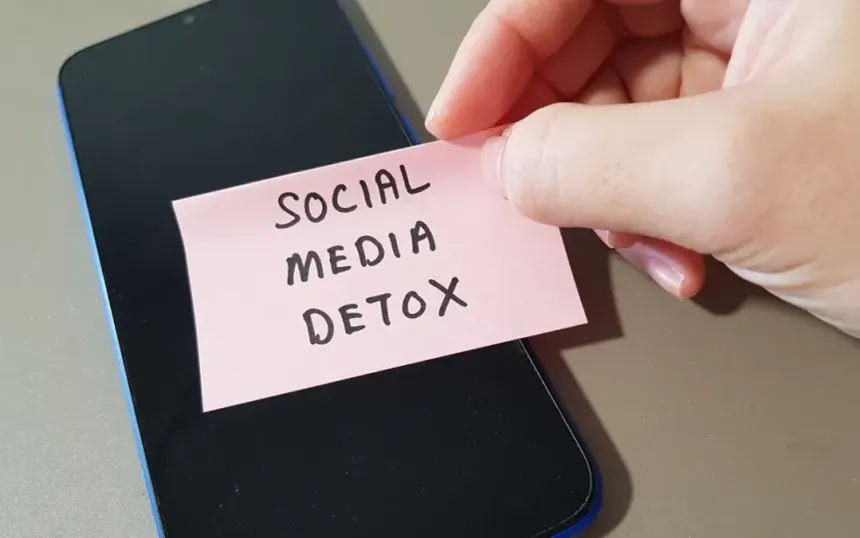
Understanding the FOMO Phenomenon
The blue glow of our screens has become our constant companion. We wake up to it, carry it throughout our day, and let it be the last thing we see before sleep. This relationship with our devices, particularly social media platforms, has fundamentally altered how we experience life itself.
FOMO, or the fear of missing out, wasn’t always part of our everyday vocabulary. The term emerged alongside the rise of social networking sites, capturing that gnawing anxiety we feel when we think others are having rewarding experiences without us. It’s that uncomfortable sensation in your chest when you see friends at a party you weren’t invited to, or colleagues at a conference you couldn’t attend. Social media has amplified this ancient human emotion to unprecedented levels.
Every notification becomes a potential reminder of what we’re not doing. Every story viewed makes us question our own choices. The curated highlight reels of others’ lives create an impossible standard against which we measure our own mundane moments. We scroll through feeds filled with exotic vacations, perfect bodies, dream jobs, and seemingly effortless success, all while sitting in our regular lives feeling somehow inadequate.
The psychological impact runs deeper than surface level discomfort. Studies have shown correlations between heavy social media use and increased rates of depression and anxiety. When we constantly compare our behind the scenes with everyone else’s highlight reel, we set ourselves up for perpetual dissatisfaction. The dopamine hits from likes and comments create addictive patterns that keep us reaching for our phones even when we’d rather not.
The Hidden Costs of Constant Connection
Your brain wasn’t designed for the information overload that social media delivers. Every time you open an app, you’re potentially exposing yourself to hundreds of updates, images, videos, and notifications. This constant stream of stimuli taxes your cognitive resources in ways our ancestors never experienced.
Attention spans have measurably decreased in the digital age. We’ve trained ourselves to expect quick hits of novelty every few seconds. This makes it harder to focus on tasks requiring sustained concentration, like reading a book or having a deep conversation. The ability to sit with boredom or discomfort has atrophied as we’ve always had an escape hatch in our pockets.
Sleep quality suffers tremendously from our phone habits. The blue light emitted by screens suppresses melatonin production, making it harder to fall asleep. Beyond the physiological effects, the content itself can be stimulating or stress inducing. Checking your phone before bed means potentially encountering work emails, distressing news, or social comparisons right when your mind should be winding down.
Real world relationships often take a back seat to digital ones. How many times have you sat with friends or family while everyone stared at their phones? We might be physically present but mentally absent, scrolling through the lives of people we barely know while ignoring those right in front of us. This phenomenon has been called absent presence, and it’s eroding the quality of our interpersonal connections.
Productivity takes a massive hit too. The myth of multitasking has been thoroughly debunked, yet we persist in believing we can check social media while working on important tasks. Each time we switch contexts, there’s a cognitive cost. Those “quick checks” that supposedly take just a minute actually derail our focus for much longer as our brains struggle to re-engage with the original task.
What JOMO Really Means
JOMO, the joy of missing out, represents a radical shift in perspective. Rather than feeling anxious about what we’re not experiencing, we find contentment and even happiness in our choice to step back. It’s about consciously deciding that what we’re doing right now, in this moment, is exactly where we want to be.
This concept isn’t about becoming a hermit or rejecting all technology. It’s about intentionality. JOMO means recognizing that we can’t be everywhere and do everything, and that’s not just okay but actually preferable. There’s liberation in accepting our limitations and choosing to invest our finite time and energy in what truly matters to us.
The shift from FOMO to JOMO requires unlearning some deeply ingrained habits. We’ve been conditioned to believe that more is always better. More connections, more experiences, more information. But this maximizing approach often leaves us feeling empty and exhausted. JOMO embraces the idea that less can indeed be more, that depth trumps breadth, and that missing out on some things allows us to fully show up for others.
It’s about reclaiming agency over your attention and your life. Social media platforms are engineered to be addictive, using sophisticated algorithms and psychological tricks to keep you scrolling. Choosing JOMO is an act of resistance against these manipulative systems. You’re declaring that your time and mental energy are valuable resources that deserve to be spent deliberately, not surrendered to whoever can grab them most effectively.
Signs You Need a Social Media Break
Your relationship with social media might be unhealthy if you find yourself reaching for your phone first thing in the morning, before you’ve even fully woken up. This automatic behavior suggests the habit has bypassed conscious decision making entirely. You’re no longer choosing to check social media; you’re being driven by compulsion.
Feeling anxious or irritable when you can’t access your accounts is another red flag. If being away from your phone for even a short period creates genuine distress, the relationship has crossed into dependency territory. Similarly, if you’ve tried to cut back on social media use but found yourself unable to stick to your intentions, it indicates a lack of control over the behavior.
The content you consume starts affecting your mood in noticeable ways. You might feel inadequate after scrolling through Instagram, angry after reading Twitter debates, or vaguely dissatisfied with your life after seeing everyone else’s updates. If social media consistently leaves you feeling worse rather than better, it’s doing the opposite of what a leisure activity should accomplish.
Physical symptoms can manifest too. Eye strain, headaches, neck pain from looking down at screens, and disrupted sleep patterns all point to excessive use. You might also notice you’re spending hours online without being able to recall what you actually saw or gained from the experience. This zombie scrolling indicates your brain has checked out while your fingers keep moving.
Your real world experiences have become filtered through the lens of social media potential. You catch yourself thinking about how something would look as a post rather than simply experiencing it. Taking photos for Instagram becomes more important than being present in the moment. If you’re living for the documentation rather than the experience itself, it’s time to reassess.
Benefits of Taking a Break
Mental clarity returns surprisingly quickly once you step away from the constant noise. Without the barrage of information and opinions, your mind has space to form its own thoughts. You might find yourself daydreaming again, something that’s become increasingly rare in our hyper stimulated world. These moments of mental wandering are actually crucial for creativity and problem solving.
Your mood stabilizes as you stop riding the emotional rollercoaster of social media. The comparison game loses its power when you’re not constantly exposed to others’ curated perfection. You start appreciating your own life for what it is rather than measuring it against impossible standards. Many people report feeling lighter and more content within just days of reducing their social media consumption.
Sleep improves dramatically for most people. Without the blue light exposure and mental stimulation from late night scrolling, falling asleep becomes easier. The quality of sleep deepens too, as your mind isn’t processing a flood of information right up until bedtime. Waking up refreshed rather than groggy can transform your entire day.
Productivity soars when you eliminate one of the biggest sources of distraction. Those pockets of time previously lost to mindless scrolling become available for meaningful work or genuine rest. You might be shocked at how much you can accomplish when you’re not constantly fragmenting your attention. Deep work becomes possible again.
Real relationships flourish with the time and attention you redirect toward them. Having dinner without phones on the table allows for actual conversation. Calling a friend instead of commenting on their post creates real connection. Playing with your kids without simultaneously monitoring your feed means being truly present for their childhood. These interactions feed your soul in ways that digital engagement never could.
How to Start Your Digital Detox
Begin with honest assessment of your current usage. Most smartphones now include screen time tracking features. Look at the data without judgment, just gathering information. You might be surprised, even shocked, at how many hours disappear into these apps. Knowing your baseline helps you set realistic goals for reduction.
Start small rather than going cold turkey. If you’re currently spending five hours a day on social media, jumping to zero will likely prove unsustainable. Instead, try cutting your usage by 20% for the first week. This gradual approach allows you to adjust without triggering the panic that might send you back to old habits. Small wins build momentum for bigger changes.
Delete the apps from your phone temporarily. This creates friction that disrupts automatic checking. You can still access social media through a web browser if truly necessary, but removing the apps from your home screen eliminates the mindless tapping that happens dozens of times a day. The extra steps required to log in via browser give you a moment to pause and question whether you really need to check right now.
Establish phone free zones and times in your life. Your bedroom could be a sanctuary from screens, which will help your sleep. Meal times might become opportunities for undistracted eating and conversation. The first hour after waking and the last hour before bed are particularly valuable times to keep screen free. These boundaries create structure that supports your intentions.
Replace the habit rather than just trying to eliminate it. If you typically scroll when you’re bored or anxious, have an alternative ready. Keep a book handy, go for a walk, call someone, or practice a few minutes of meditation. The vacancy left by removing social media needs to be filled with something, or you’ll likely drift back to old patterns. Make sure your replacements are genuinely rewarding.
Dealing With Withdrawal and Resistance
The first few days might feel uncomfortable. Your brain has gotten used to regular dopamine hits from social media, and it protests when that supply gets cut off. You might feel bored, anxious, or even a bit depressed. This is normal and temporary. Think of it like any other withdrawal process; it gets easier as your brain chemistry rebalances.
The urge to check will arise frequently, often triggered by specific situations or emotions. You might reach for your phone automatically when standing in line, sitting on the toilet, or feeling stressed. These moments reveal how deeply the habit has embedded itself in your life. Instead of fighting the urge, observe it with curiosity. Notice what triggered it, what emotion underlies it, and watch as it passes without acting on it.
Social pressure might emerge as an unexpected challenge. Friends might wonder why you’re not responding to their messages or liking their posts. You may miss event invitations or inside jokes that happen in group chats. Some people in your life might even take your absence personally. Clear communication helps here. Let people know you’re taking a break and provide alternative ways to reach you if needed.
Fear of missing important information or opportunities can create anxiety. What if something crucial happens and you don’t know about it? This fear is usually overblown. Truly important information finds its way to you through multiple channels. If it’s genuinely urgent, someone will call or text. Most of what happens on social media isn’t time sensitive or personally relevant, even though it feels that way in the moment.
Your identity might feel shaky as you step away from your online persona. For many of us, social media has become intertwined with our sense of self. Who are you if you’re not posting, not curating, not performing your life for an audience? This question, while uncomfortable, offers an opportunity for genuine self discovery. You get to find out who you are beyond the carefully constructed digital version.
Mindful Social Media Use After Your Break
Eventually you might choose to return to social media, but you can do so differently. Mindful use means approaching these platforms with intention rather than habit. Before opening an app, pause and ask yourself what you’re hoping to get from it. Are you looking for specific information? Trying to connect with someone particular? Or just filling time because you’re bored?
Curate your feeds ruthlessly to align with your values and wellbeing. Unfollow accounts that consistently make you feel bad about yourself, even if they’re friends or family. Mute keywords and topics that drain your energy. Follow accounts that educate, inspire, or genuinely bring you joy. Your feed should serve you, not the other way around.
Set clear boundaries around when and how you engage. Maybe you decide to check social media only once a day, or only on weekends. Perhaps you commit to never scrolling while with other people or during meals. Some people find it helpful to set a timer, giving themselves a fixed amount of time for social media each day. These parameters prevent the platforms from expanding to fill all available time.
Disable notifications so you’re engaging on your terms rather than being constantly interrupted. Push notifications are designed to pull you back into apps, fragmenting your attention throughout the day. Checking on your schedule rather than theirs puts you back in control. You’ll likely find that nothing terrible happens when you don’t respond immediately.
Practice the pause before posting. Before sharing something, ask yourself why you’re doing it. Are you seeking validation? Trying to prove something? Genuinely wanting to share with others? Understanding your motivations helps you post more intentionally and less compulsively. You might find you post far less frequently, but what you do share feels more authentic.
Creating a Life Worth Living Offline
The ultimate goal isn’t just to use social media less but to build a rich life that doesn’t need constant digital supplementation. This means investing in hobbies, relationships, and experiences that genuinely fulfill you. When your real life is satisfying, the appeal of endless scrolling diminishes naturally.
Develop practices that ground you in physical reality. Exercise, cooking, gardening, crafting, or playing music engage your body and senses in ways that screen time never can. These activities produce tangible results and a sense of accomplishment that likes and comments can’t replicate. They also build skills and create real value in your life.
Nurture your relationships with quality time and attention. Schedule regular hangouts with friends where phones stay in bags. Have meaningful conversations that go beyond surface small talk. Be the person who fully shows up, who listens without distraction, who remembers what others tell you. These deeper connections satisfy our social needs far more effectively than hundreds of shallow digital interactions.
Embrace boredom as a feature rather than a bug of life. Those empty moments when nothing particular is happening are when our minds process experiences, consolidate memories, and generate new ideas. If we’re always filling every gap with content consumption, we never give our brains this necessary downtime. Learning to sit comfortably with boredom is a superpower in the modern world.
Pursue goals that matter to you personally rather than goals that look impressive to others. Social media incentivizes the performative over the meaningful. What do you actually want from your limited time on this planet? What would you do if no one was watching or validating your choices? These questions help you reconnect with your authentic desires rather than borrowed ambitions.
The Ripple Effects on Society
Individual choices to step back from social media aggregate into cultural shifts. As more people recognize the costs of constant connectivity and choose differently, the norms begin to change. What once seemed necessary becomes optional. What was automatic becomes conscious.
Families that establish phone free dinners create space for genuine connection across generations. Kids who see parents choosing presence over screens learn different models for relating to technology. These small decisions shape the next generation’s relationship with digital tools in profound ways.
Workplaces that respect boundaries around after hours communication create healthier cultures. When everyone isn’t expected to be perpetually available, people can truly rest and recharge. This leads to better work when people are on the clock, creating a positive cycle. Companies are slowly learning that burned out, distracted employees aren’t actually productive despite appearing busy.
The attention economy itself might eventually face a reckoning. These platforms profit from our engagement, so every person who reclaims their attention cuts into the business model. If enough people choose JOMO over FOMO, the most manipulative features might become untenable. Consumer choices can drive change even in powerful industries.
Cultural conversations about what constitutes success and a life well lived may shift away from performative achievement toward authentic satisfaction. The Instagram worthy life might lose its luster as more people recognize it as hollow. This could foster a broader cultural reevaluation of our values and priorities, moving toward what actually nurtures human flourishing.
Practical Tips for Sustaining Change
Regularly reassess your relationship with technology rather than assuming your initial changes are permanent. Every few months, check in with yourself about whether your current patterns are serving you. Are you drifting back toward old habits? Do your boundaries need adjusting? This ongoing mindfulness prevents backsliding.
Find community among others who share your values around technology use. Whether through friends, family, or online groups ironically, there are communities dedicated to mindful tech use having support makes the journey easier. You can share strategies, celebrate successes, and remind each other why you’re making these choices.
Experiment with different approaches to find what works for your unique situation. Some people thrive with complete breaks, others with strict time limits, and still others with mindful engagement. Your ideal relationship with social media might look different from someone else’s, and that’s perfectly fine. The goal is alignment with your values, not following a rigid prescription.
Celebrate the benefits you notice rather than focusing only on what you’re missing. Keep a journal tracking improvements in mood, sleep, productivity, or relationships. When you’re tempted to go back to old patterns, reviewing these notes reminds you why you made changes in the first place. Positive reinforcement is powerful.
Be compassionate with yourself when you slip up. You’ll probably have moments of mindless scrolling or days when you exceed your intended limits. This is human. Rather than treating it as failure, view it as information. What triggered the backslide? What can you learn from it? Then simply return to your intentions without self judgment.
Redefining Success and Satisfaction
Success in the age of social media often gets measured by metrics that don’t actually indicate wellbeing. Follower counts, likes, and viral moments become proxies for worth. But these numbers don’t capture what makes a life meaningful or satisfying. Stepping back from social media creates space to develop your own definitions of success.
What if success meant having deep relationships with a handful of people rather than thousands of shallow connections? What if it meant mastering a skill for your own satisfaction rather than for public applause? What if it meant experiencing joy in ordinary moments rather than constantly seeking extraordinary ones to document?
The comparison trap loosens its grip when you stop exposing yourself to everyone’s highlight reels. You can focus on your own growth trajectory rather than measuring yourself against others. This shift from external to internal validation is liberating. You become the authority on whether your life is going well.
Satisfaction emerges not from having more but from wanting what you have. Social media constantly creates new desires, showing you products, experiences, and lifestyles to covet. Stepping away from this manufactured discontent allows natural appreciation to resurface. You notice and enjoy what’s already present in your life.
The present moment becomes more vivid when you’re not constantly thinking about how to capture and share it. Food tastes better when you’re not photographing it. Sunsets feel more spectacular when you’re watching with your eyes rather than through a screen. Your child’s laugh brings pure joy when you’re not trying to get it on video. Life happens in these unrecorded moments.
Moving Forward With Intention
The journey from FOMO to JOMO isn’t a destination you reach and then you’re done. It’s an ongoing practice of choosing presence over performance, depth over breadth, quality over quantity. Each day presents new opportunities to make these choices or to slide back into old patterns.
Technology will continue evolving, bringing new platforms and features designed to capture your attention. The fundamental challenge of maintaining agency in a world optimized for engagement will persist. Your task is to stay aware, to keep questioning, to regularly realign your actions with your values.
Remember that this isn’t about achieving perfection. You don’t have to completely abandon social media or become a digital minimalist purist. It’s about finding the right balance for you, one that allows you to enjoy the benefits of connection while protecting yourself from the costs of constant engagement.
The world you’re building through these choices extends beyond your personal experience. Every moment of presence ripples outward. When you give someone your full attention, you model a different way of being. When you choose offline activities, you strengthen the cultural value of unmediated experience. Your choices matter beyond yourself.
Ultimately, embracing JOMO means trusting that your life as it is, without constant documentation and validation, is enough. It means believing that missing out on some things allows you to fully experience others. It means recognizing that the fear of missing out was really a fear of not measuring up, and that you can let go of that heavy burden. You can simply be, fully present in your own beautifully ordinary, magnificently mundane life.
The joy of missing out isn’t about deprivation. It’s about abundance of a different kind. It’s the abundance of attention available for what matters. The abundance of energy freed from constant performance. The abundance of peace found in silence. The abundance of connection possible when we’re truly present. This abundance was always available, waiting for us to stop scrolling long enough to notice it.