Poetry Just Had Its Biggest Glow Up and Nobody Saw It Coming
Poetry died. At least that’s what everyone kept saying for decades. Dusty books gathering cobwebs in forgotten library corners. Required reading that made students groan. The art form your grandparents loved but nobody understood anymore.
Then the internet happened.
Suddenly poetry wasn’t dead. It was everywhere. Scrolling through Instagram at 2 AM and boom, a three line verse about heartbreak hits different. TikTok videos with words floating across sunsets. Twitter threads that read like modern haikus. Digital screens became the new paper, and experimental poetry found its perfect playground.
The transformation is wild. Poetry went from elite literary circles to your phone screen in less than a decade. Now experimental poets are racking up millions of followers, selling out books, and changing how we think about verse entirely.
This isn’t your English teacher’s poetry anymore.
The Digital Revolution Nobody Expected
Here’s something crazy. More people read poetry today than any point in the last fifty years. Not because schools suddenly made it cooler. Not because traditional publishers figured out some magic formula. Because poets took their work online and broke every single rule.
The numbers tell an insane story. Rupi Kaur’s Instagram has over 4 million followers. Her books sold millions of copies worldwide. Amanda Gorman became a household name after one viral inauguration performance. Poetry accounts on TikTok regularly hit hundreds of thousands of views per post.
Traditional poetry had strict formats. Sonnets with fourteen lines. Haikus with specific syllable counts. Villanelles with their repeated refrains. Experimental poetry said forget all that and created something entirely new.
Digital platforms gave poets tools nobody imagined before. Visual layouts that play with space and negative areas. Animated text that moves across screens. Audio overlays with music and ambient sounds. Interactive pieces where readers choose different paths. The possibilities exploded.
Instagram Made Poetry Visual Again
Instagram changed everything about how poetry looks and feels. The platform demands visual appeal. So poets started thinking like graphic designers.
Words became art objects. Short verses placed over striking photographs. Minimalist layouts with tons of white space. Bold typography that grabs attention mid scroll. Colour palettes that match the mood of each piece.
This visual approach isn’t shallow. It’s actually returning poetry to its roots. Ancient poetry was always visual. Illuminated manuscripts with decorated letters. Concrete poetry that shaped words into pictures. Blake’s illustrated poems. Digital poetry continues that tradition with modern tools.
The Instagram aesthetic created its own subgenre. Short, punchy lines that fit in a square frame. Simple language that hits immediately. Emotional directness without complex metaphors. Critics called it oversimplified. Millions of readers called it relatable.
Share this article with someone who thinks poetry is boring and watch their mind change.
TikTok Gave Poetry a Voice and a Vibe
TikTok took poetry even further. Not just visual anymore but multimedia experiences. Poets record themselves performing work with dramatic flair. Background music sets the emotional tone. Quick cuts create rhythm and pacing. Text overlays emphasize key phrases.
The platform’s algorithm loves poetry content. Emotional pieces about mental health, relationships, and identity spread like wildfire. A well crafted poem can reach millions of viewers overnight. Young poets blow up from bedroom recordings.
Performance poetry found its digital home on TikTok. Spoken word artists who used to perform in small coffee shops now reach global audiences. The energy and passion of live performance translates perfectly to short video format.
TikTok also democratized poetry criticism and education. Poets explain their creative process in follow up videos. Viewers discuss meaning and interpretation in comments. Literary analysis happens in real time between strangers across continents.
Memes and Poetry Had a Beautiful Baby
Here’s where things get really experimental. Internet culture and poetry started mixing in unexpected ways. Meme formats became poetic structures. Copypasta turned into found poetry. Shitposting evolved into surrealist verse.
The boundary between meme and poem basically disappeared. Both use brevity and punch. Both rely on cultural references and shared experiences. Both spread through social sharing and remixing.
Poets started intentionally creating meme like work. Short absurdist pieces that feel simultaneously deep and ridiculous. Visual jokes with layered meanings. Text conversations formatted as poetry. The line between high art and internet culture blurred completely.
This fusion makes perfect sense. Memes are the folk art of digital culture. Poetry has always been a folk art too. Street poetry, protest chants, nursery rhymes, work songs. Experimental poets recognized memes as the modern equivalent.
Breaking Every Grammar Rule on Purpose
Experimental digital poetry threw out the rulebook for language itself. No punctuation. Random capitalization. Made up words. Intentional typos. Emojis as emotional markers. Numbers replacing letters. All lowercase everything.
This isn’t laziness or ignorance. It’s deliberate artistic choice. Digital poets use unconventional grammar to create meaning and mood. Lack of punctuation speeds up reading pace. All caps creates shouting energy. Emoji additions provide tonal context text alone can’t convey.
The approach mirrors how people actually communicate online. Text messages. Social media posts. Comment sections. Digital poetry speaks the language of screens rather than pages.
Critics hate this stuff. They say it dumbs down language and abandons literary standards. Experimental poets argue they’re expanding what language can do and meeting readers where they actually are.
The Rise of Alt Lit and Weird Internet Writing
Alt lit emerged as a specific movement within experimental digital poetry. Writers like Tao Lin and Mira Gonzalez created work that felt distinctly internet native. Fragmented narratives. Emotionally flat delivery. Heavy use of brand names and pop culture references. Published primarily online rather than in traditional journals.
The aesthetic was deliberately unpolished. Raw Google Docs. Tumblr posts. Blog entries. PDF zines. The medium was part of the message. These poems couldn’t exist the same way in traditional print format.
Alt lit captured something specific about digital life. The weird mix of intimacy and distance in online relationships. Information overload and shortened attention spans. Irony and sincerity blending into something new. Depression and anxiety expressed through deadpan humor.
The movement had its controversies and eventually fragmented. But its influence spread throughout experimental digital poetry. The willingness to be weird and unpolished. The embrace of internet aesthetics. The focus on mundane modern life.
Interactive Poetry and Choose Your Own Adventure
Digital platforms enabled completely new forms of reader participation. Hypertext poetry with clickable links leading to different stanzas. Interactive poems that change based on user choices. Collaborative pieces where multiple writers add verses. Real time poetry that incorporates current events or weather data.
These experiments push poetry toward gaming and interactive fiction. The reader becomes co creator rather than passive consumer. Each reading experience becomes unique.
Some poets created elaborate interactive works requiring hours to fully explore. Others kept interactions simple, maybe just choosing between two emotional paths. The technology enabled endless experimentation.
This interactivity challenges fundamental assumptions about what poetry is. If the text changes with each reading, is it still the same poem? If readers make choices that alter the content, who’s the real author? These questions fascinate experimental poets.
Sound and Music Became Part of the Poem
Digital poetry doesn’t just live on screens silently. Sound design became a crucial element. Background music sets emotional atmosphere. Ambient noise creates environmental context. Voice modulation adds meaning through tone and pacing.
Poets collaborate with musicians and sound designers. Electronic beats underscore rhythm. Nature sounds complement imagery. Distorted vocals create disorienting effects. The audio layer adds dimensions impossible in print.
This multimedia approach connects to ancient oral poetry traditions. Homer’s epics were performed with musical accompaniment. Medieval poetry was often sung. Hip hop brought that tradition into modern times. Digital experimental poetry continues the evolution.
The audio element especially matters for accessibility. Poems designed with sound in mind work for visually impaired audiences. The multisensory experience reaches people in different ways.
Drop a comment below about your favorite poetry account and help others discover new voices.
The Algorithm Changed What Gets Written
Here’s an uncomfortable truth. Social media algorithms influence what experimental poets create. Content that performs well gets boosted. Emotional pieces about specific topics trend. Certain visual styles attract more engagement.
Poets started writing for the algorithm whether consciously or not. Shorter pieces because attention spans shrink. Relatable themes because they get shared. Visual appeal because scrolling is visual. Controversy because it sparks comments.
This creates interesting tensions. Is poetry adapting to its audience’s preferences or getting watered down for clicks? Are poets giving readers what they actually want or just what algorithms reward? There’s no clear answer.
Some experimental poets deliberately work against algorithmic preferences. Posting long dense pieces that demand sustained attention. Creating challenging work that won’t go viral. Refusing to optimize for engagement metrics.
Others embrace the algorithm as another constraint to work within. Like a sonnet’s fourteen lines or a haiku’s syllables. The algorithm becomes a formal structure shaping creative choices.
Digital Poetry Communities Are Wild
Online poetry communities developed their own cultures and dynamics. Discord servers where poets workshop pieces together. Reddit threads dedicated to specific experimental forms. Instagram pods where poets support each other’s work. TikTok duets that respond to and remix existing poems.
These communities operate differently than traditional literary circles. More democratic and less hierarchical. Newer poets can gain recognition quickly. Geographic barriers disappear. Diverse voices find platforms.
But digital communities also have problems. Callout culture and pile ons. Plagiarism and content theft. Clout chasing and drama. Algorithms creating echo chambers. The same issues affecting all online spaces.
Despite the messiness, these communities nurture experimental work. Poets encourage each other to take risks. Weird experimental pieces find appreciative audiences. Feedback happens rapidly. Collaborations form spontaneously across continents.
NFTs and Crypto Tried to Change the Game
The NFT craze briefly intersected with experimental digital poetry. Poets minted poems as NFTs. Buyers purchased unique digital editions. Blockchain technology supposedly solved issues around ownership and scarcity in digital art.
Some experimental poets made significant money selling NFT poems. Others saw it as a grift capitalizing on digital art. The technology raised interesting questions about value and originality in infinitely reproducible digital works.
The NFT market mostly crashed. But the experiment highlighted tensions around monetization in digital poetry. How do poets make money when content is freely shareable? What does ownership mean for digital work? These questions remain unsolved.
Accessibility and Translation in Digital Spaces
Digital platforms made poetry accessible in new ways. Screen readers can process text based poems for blind readers. Captions make video poems accessible to deaf audiences. Translation tools let poems reach across language barriers instantly.
Experimental poets increasingly design work with accessibility in mind. Alt text for image based poems. Clear audio in video pieces. Simple language that translates more easily. Intentional choices that open poetry to wider audiences.
This accessibility focus connects to poetry’s democratic potential. Poetry should be for everyone, not just literary elites. Digital tools help realize that vision more fully than ever before.
The Backlash Against Insta Poetry
Not everyone celebrates digital poetry’s rise. Literary critics launched harsh attacks against Instagram poetry especially. Called it shallow, simplistic, derivative. Accused popular poets of prioritizing aesthetics over substance. Dismissed the entire movement as not real poetry.
The criticism sometimes had valid points. Some Instagram poetry is pretty basic. Visual appeal sometimes substitutes for depth. Success on social media doesn’t necessarily equal literary merit.
But much criticism revealed elitism and gatekeeping. Dismissing poetry that appeals to young people, especially young women. Devaluing accessible language and emotional directness. Defending traditional forms and institutions against democratizing forces.
The debate highlighted fundamental disagreements about poetry’s purpose. Should poetry challenge readers or comfort them? Serve artistic innovation or emotional connection? Appeal to specialists or general audiences? Digital experimental poetry often chooses the latter options, and that choice threatens traditional literary culture.
Print Isn’t Dead It Just Evolved
Despite everything happening digitally, print poetry didn’t disappear. Instead it evolved in response to digital culture. Physical books became special objects worth owning beyond just the text they contain.
Experimental poetry books feature elaborate designs. Unusual dimensions and formats. High quality paper and printing. Integrated artwork and photography. The physical book becomes an art object itself.
Small press publishers embraced innovative printing techniques. Letterpress editions with textured pages. Hand bound copies. Limited runs with unique covers. Zines that feel deliberately rough and DIY. Print offers things screens can’t provide.
Many poets work across both digital and print. Instagram poems get compiled into books. Physical copies include QR codes linking to audio versions. The boundary between digital and print becomes porous rather than rigid.
Experimental Forms Keep Getting Weirder
Digital tools enable increasingly strange experimental forms. Poems generated by AI and then edited by humans. Collaborative pieces written by hundreds of contributors. Poems that only exist for twenty four hours before disappearing. Work that incorporates reader location data or personal information.
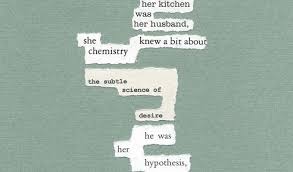
Some poets create “uncreative writing” by copying and remixing existing texts. Found poetry pulled from comment sections or spam emails. Entire books transcribed from other sources. These experiments question originality and authorship itself.
Other poets explore constraint based digital writing. Poems composed entirely in emojis. Work written during specific time limits. Pieces that only use autocomplete suggestions. The constraints spark creativity rather than limiting it.
Poetry Slams Went Virtual
Performance poetry and slam competitions adapted to digital platforms. Virtual open mics over Zoom. TikTok slam competitions with viewer voting. Livestreamed poetry battles. The competitive performance scene moved online.
This shift changed slam dynamics. Performers couldn’t feed off live audience energy. Technical issues disrupted flow. But virtual events also reached bigger audiences and eliminated geographic barriers.
Many performers discovered they preferred digital formats. Less nerve wracking than live stages. Ability to edit and retry. Reaching viewers who’d never attend in person events. The virtual format suited some performance styles better.
Mental Health and Digital Poetry’s Therapeutic Role
Digital poetry became a major outlet for mental health expression. Poems about depression, anxiety, trauma, and healing spread widely. The vulnerability and honesty resonated deeply with readers facing similar struggles.
This therapeutic dimension drew criticism. Some called it trauma dumping or emotional exhibitionism. Worried about glorifying mental illness. Questioned whether raw emotional expression equals good poetry.
But for many readers and writers, digital poetry’s mental health focus serves crucial functions. Reduces isolation. Validates difficult experiences. Creates community around shared struggles. Provides language for feelings that seem impossible to articulate.
The phenomenon reflects broader digital culture trends. Online communities formed around mental health support. Younger generations more willing to discuss psychological struggles openly. Therapy speak becoming common language. Experimental poetry both reflects and shapes these cultural shifts.
Tag three friends who need to read this article right now.
The Gender Dynamics Nobody Talks About
Women dominate digital experimental poetry. The biggest Instagram poets are mostly women. Female voices drive TikTok poetry trends. Women run major online poetry journals and communities.
This gender balance flips traditional literary culture where men held most prestige and power. Digital platforms enabled women poets to bypass gatekeepers and reach audiences directly.
The shift explains some backlash against digital poetry. Critics dismissing Instagram poetry often target women poets specifically. The “it’s not real poetry” argument becomes a way to devalue women’s creative work.
Women experimental poets also face unique challenges. Harassment and threatening messages. Appearance focused criticism. Expectations to share personal trauma. The same sexism affecting women in all digital spaces.
What Comes Next for Experimental Poetry
Digital poetry keeps evolving faster than anyone can track. Virtual reality poetry experiences. Augmented reality poems overlaid on physical spaces. AI collaboration becoming more sophisticated. New platforms enabling new forms.
The experimental impulse won’t disappear. Poets always push boundaries and try new things. Digital tools just expanded what’s possible exponentially.
Some predictions seem likely. More multimedia integration blending poetry with video, music, and interactive elements. Continued democratization as tools become more accessible. Growing influence from non Western digital cultures bringing different aesthetics and traditions.
Other developments remain unpredictable. Technology changes rapidly. Cultural trends shift unexpectedly. The next major platform might enable poetry forms nobody’s imagined yet.
Why This Matters More Than You Think
Experimental digital poetry isn’t just an interesting cultural trend. It’s reshaping how people engage with language, emotion, and creativity. Millions who never read poetry before now consume it daily on their phones.
This matters for literacy and language. Young people encountering complex ideas through accessible verse. Developing appreciation for wordplay and metaphor through Instagram captions. Learning that poetry can be relevant to their actual lives.
It matters for community building. Readers connecting across differences through shared emotional experiences. Writers finding audiences and validation. People feeling less alone in their struggles.
It matters for artistic innovation. New forms emerging that future literary historians will study. Language experiments that push boundaries. Creative possibilities nobody fully understands yet.
The Takeaway That Changes Everything
Poetry never died. It just went digital and got experimental as hell. Now it’s more alive and accessible than ever before. The art form evolved to meet people where they are, on the screens they carry everywhere.
This evolution threatens traditional literary culture and that’s exactly the point. Experimental digital poetry democratizes an art form that was too often elitist and exclusionary. It makes space for voices previously ignored or marginalized.
The results aren’t always perfect or profound. Some digital poetry is genuinely shallow. But the best experimental work pushes boundaries while remaining emotionally resonant. It proves that accessible doesn’t mean simple, and popular doesn’t mean bad.
The digital poetry revolution is still unfolding. New platforms, tools, and communities keep emerging. Poets keep experimenting and readers keep engaging. Nobody knows exactly where this goes next.
But one thing seems certain. Poetry found its place in digital culture and it’s not going anywhere.
Your Turn to Join the Movement
Don’t just read about experimental digital poetry. Go experience it yourself. Follow some Instagram poets. Watch TikTok poetry videos. Join online poetry communities. Maybe even try writing your own experimental digital verse.
The barrier to entry has never been lower. You don’t need a degree or connections. Just a phone and ideas. Post something weird. Try a new format. Break rules on purpose. See what happens.
Poetry isn’t about being perfect or impressive anymore. It’s about expressing something true in a way that connects. Digital platforms make that possible for everyone.
Drop your favorite experimental poetry account in the comments below. Share this article with someone who needs a creative spark. Follow for more explorations of how digital culture transforms art forms.
The experimental poetry revolution is happening right now on your screen. Are you going to just watch or actually participate?