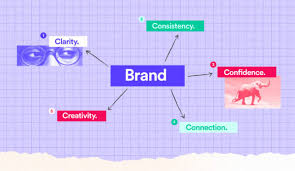
The marketing world has spent decades drilling one fundamental principle into our heads. Stay consistent. Follow the brand book. Never deviate from the guidelines. But something interesting started happening around 2023 and 2024. Brands that threw caution to the wind and experimented wildly began outperforming their buttoned up competitors.
This shift didn’t happen overnight. It emerged from a perfect storm of audience fatigue, platform algorithm changes, and a generation of consumers who value authenticity over polish. The brands winning today aren’t the ones with the most cohesive color palettes or perfectly aligned messaging frameworks. They’re the ones willing to look messy, sound different, and try things that make their legal teams nervous.
The Death of the Brand Bible
Traditional brand guidelines emerged during an era when companies communicated through limited channels. A few TV spots, some print ads, maybe a radio campaign. Controlling the message was relatively simple. You created a rulebook specifying exactly which Pantone colors to use, how much white space surrounded your logo, and the precise tone for every communication.
These guidelines served an important purpose. They helped maintain recognition across different mediums and prevented individual departments from creating wildly inconsistent materials. A customer in New York would see the same brand presentation as someone in Los Angeles.
But the digital age changed everything. Brands now communicate across dozens of platforms, multiple times per day, in various formats. The rigid structures that worked for quarterly print campaigns buckle under the weight of real time engagement. By the time legal approves a TikTok video using the approved brand voice, the trend has already passed.
Many marketing teams still cling to these outdated frameworks. They spend weeks developing content calendars aligned with brand pillars. They agonize over whether a particular shade of blue matches the hex code in the style guide. Meanwhile, their scrappier competitors are posting unfiltered founder videos that rack up millions of views.
The disconnect becomes obvious when you look at engagement metrics. Polished, brand compliant content often performs worse than rough, authentic material. Audiences scroll past perfectly composed product shots but stop for behind the scenes chaos. They ignore carefully crafted brand messaging but engage with honest, unscripted moments.
Why Audiences Crave Imperfection
People have developed an incredible ability to detect when they’re being marketed to. After decades of exposure to advertising, we’ve built mental filters that automatically dismiss anything that looks too polished or sounds too scripted. The more professional your content appears, the faster audiences tune it out.
This creates a paradox for brands. The very things that brand guidelines demand actually reduce effectiveness. That perfectly lit product photo? Looks like an ad. That carefully crafted caption using approved messaging? Sounds like corporate speak. The cohesive visual identity across all platforms? Makes everything blend together into ignorable background noise.
Younger audiences especially value raw, unfiltered content. They’d rather watch a shaky phone video of someone genuinely excited about a product than a high production commercial. They trust messy authenticity over curated perfection. And they can spot inauthenticity from a mile away.
This shift extends beyond just content style. Audiences want to see the humans behind brands. They want to know what the founder actually thinks, not what the PR team approved. They want to see mistakes, failures, and the messy process of building something. Hiding behind brand guidelines feels like hiding the truth.
The most engaging brands today feel like people, not corporations. They have opinions. They make jokes that don’t land. They try things that fail spectacularly. And audiences love them for it because it feels real in a landscape saturated with artificial perfection.
The Financial Case for Breaking Rules
Let me share some numbers that might surprise traditional marketers. A mid sized DTC brand decided to run an experiment in early 2024. They created two Instagram accounts for the same product line. One followed brand guidelines religiously. Professional photography, consistent filters, approved messaging, cohesive aesthetic. The other threw out the rulebook entirely.
The experimental account posted whatever felt right. Memes that barely related to the product. Unedited photos taken on phones. Captions written stream of consciousness style. Random thoughts from team members. Content that made the marketing director deeply uncomfortable.
After six months, the experimental account had 340% more followers and drove 270% more sales despite having the same ad spend. The engagement rate wasn’t even close. While the brand compliant account hovered around 1.2% engagement, the experimental account averaged 8.7%.
This wasn’t a fluke. Similar experiments across different industries show the same pattern. Content that breaks brand rules consistently outperforms content that follows them. The revenue impact is substantial enough that even the most risk averse CFOs pay attention.
But the financial benefits extend beyond direct sales. Experimental content costs significantly less to produce. No need for expensive photo shoots, professional editing, or lengthy approval processes. A team member can create engaging content in minutes using just their phone. The cost per piece of content drops dramatically while effectiveness increases.
Hiring becomes easier too. Creative talent wants to work for brands that let them experiment. The best content creators don’t want to spend their days following rigid guidelines and navigating approval hierarchies. They want freedom to try new things. Brands known for experimentation attract better talent and keep them longer.
Where Traditional Guidelines Still Matter
Before we completely burn down the brand bible, let’s acknowledge where consistency still matters. Your logo probably shouldn’t change randomly. Core product information needs to remain accurate and clear. Legal requirements exist for good reasons.
The key is distinguishing between elements that genuinely require consistency and rules that exist only because someone wrote them down years ago. Does your social media really need to use the exact same filter on every image? Probably not. Should your customer service emails all sound identically robotic? Definitely not.
Think of brand guidelines as a foundation, not a prison. You need enough structure to maintain recognition and trust. People should be able to identify your content as yours. But that identification can come from tone, personality, and values rather than rigid visual sameness.
Some of the most successful experimental brands maintain a few core elements while varying everything else. Maybe they always use a specific color in their logo but let everything else shift. Or they maintain a distinctive voice while allowing visual styles to evolve. The consistency comes from recognizable elements, not comprehensive uniformity.
Product packaging often requires more structure than social media. Customer facing materials might need more polish than internal communications. The level of experimentation should match the context. A medical device company needs different guardrails than a streetwear brand.
Building a Culture of Experimentation
Transitioning from rigid guidelines to creative freedom requires more than just telling everyone to go wild. Without structure, you get chaos rather than productive experimentation. The goal is controlled experimentation that generates learning.
Start by identifying areas where the stakes are relatively low. Social media stories disappear after 24 hours, making them perfect for testing new approaches. You can try something bold, see how audiences respond, and move on without lasting consequences. Success gets repeated. Failures fade away.
Create clear metrics for evaluating experiments. Rather than subjective assessments about whether something “feels on brand,” measure concrete outcomes. Did engagement increase? Did it drive traffic? Did sales move? Let data guide decisions about what works rather than personal preferences or adherence to guidelines.
Give team members permission to fail. This sounds simple but proves incredibly difficult in practice. Most organizations punish failure, creating environments where people only try things guaranteed to succeed. Real experimentation requires accepting that most attempts won’t work. The learning comes from the failures.
Document what you discover. When an experiment succeeds, break down why it worked. When something fails, understand the reasons. Build institutional knowledge about what resonates with your specific audience rather than relying on generic best practices.
Rotate who creates content. Different people bring different perspectives and ideas. The same person following the same process generates the same output. Fresh voices naturally introduce variety and experimentation.
Platform Specific Approaches
Each platform has its own culture and expectations. What works on LinkedIn bombs on TikTok. Instagram audiences want different content than YouTube viewers. Rigid brand guidelines that enforce sameness across platforms miss these nuances.
TikTok rewards participation in trends, even when those trends have nothing to do with your product. A furniture company posting a dance trend video makes no logical sense from a traditional branding perspective. But it works because TikTok users expect brands to join the fun rather than constantly selling.
LinkedIn audiences tolerate more polished, professional content. But even there, the posts generating real engagement often break traditional rules. Vulnerable stories about failure outperform success stories. Contrarian takes spark more discussion than safe consensus.
Twitter thrives on personality and quick wit. Brands that sound like corporate announcements get ignored. The accounts winning on Twitter have distinctive voices, jump into conversations, and aren’t afraid to be a little spicy. Wendy’s famously roasting competitors works because it breaks every rule about professional brand communication.
Instagram used to reward carefully curated feeds with cohesive aesthetics. But the algorithm shifted to favor engagement over aesthetics. Now, a messy carousel that sparks conversation outranks a beautiful image that people scroll past. The platform evolved but many brand guidelines didn’t.
YouTube audiences want longer form content that provides value. Production quality matters less than you’d think. Some of the most successful channels look decidedly amateur because the content itself is compelling. Audiences forgive rough editing if they’re learning something valuable or being genuinely entertained.
The Psychology Behind Successful Experimentation
Understanding why experimental content works helps you experiment more effectively. Several psychological principles are at play.
Pattern interruption captures attention. Our brains are wired to notice things that deviate from expected patterns. When every brand uses the same polished aesthetic, the rough video stands out. When everyone sounds professional and buttoned up, the casual voice gets heard.
Social proof drives behavior. When audiences see content that looks like it came from a real person rather than a corporation, they’re more likely to trust it. User generated content performs well partly because it looks like something their friends would post.
Reciprocity creates connection. When brands show vulnerability or share behind the scenes reality, audiences feel like they’re getting something valuable. That creates a sense of reciprocal obligation. You showed me something real, so I’ll engage with your content.
The mere exposure effect suggests we develop preferences for things simply through repeated exposure. But this requires the exposure to register consciously. Content that blends into the background through excessive consistency doesn’t create the repeated exposure needed. Variable content keeps things fresh enough that each exposure counts.
Curiosity drives engagement. When content is slightly unpredictable, audiences pay more attention to see what comes next. A feed that looks exactly the same every day becomes ignorable. Content that varies creates anticipation.
Learning from Gaming and Entertainment
The gaming industry figured out engagement years before most brands. Game designers know that perfect predictability is boring. They build in variation, surprise, and discovery. Players return because they don’t know exactly what they’ll get.
Netflix doesn’t show the same thumbnail to everyone. They test dozens of variations and show each person the image most likely to get them to click. That’s sophisticated experimentation at massive scale. Your brand might not have Netflix’s resources, but the principle applies. Different approaches resonate with different people.
Musicians release surprise albums without traditional marketing campaigns. They break every rule about proper album rollouts and generate massive buzz. The element of surprise creates excitement that predictable releases can’t match.
Comedy shows improvise and riff on current events. The best comedians read the room and adjust in real time. They don’t stick to a script when it’s not landing. Brands can learn from this responsiveness.
Practical Steps to Start Experimenting
If you’re convinced but unsure where to start, here’s a roadmap.
Audit your current guidelines and identify rules that exist only because of tradition. Challenge each restriction. What happens if we break this rule? Often, the answer is nothing bad happens, and something good might.
Pick one low stakes channel for unrestricted experimentation. Instagram stories, Twitter, or TikTok work well because content is temporary and expectations are different. Give someone freedom to post without approval for a month. Measure what happens.
Create a “yes day” where the normal approval process is suspended. Let people post content that would normally get rejected. See what resonates. You might be surprised by what works.
Interview your audience about what they actually want. Most brands never ask. They assume people want polished, professional content because that’s what brand guidelines demand. Often, audiences explicitly say they prefer something different.
Study your competitors who are experimenting successfully. What rules are they breaking? How are audiences responding? You don’t need to copy their approach, but you can learn from their boldness.
Start small but measure carefully. Don’t just experiment randomly. Create hypotheses about what might work and test them systematically. Build evidence for what drives results.
Celebrate successful experiments publicly within your organization. When someone tries something new and it works, make sure everyone knows. That encourages others to take similar risks.
Common Fears and How to Address Them
The biggest obstacle to experimentation is fear. Let’s tackle the most common concerns.
“We’ll confuse our audience.” This assumes audiences pay way more attention to your brand than they actually do. Most people encounter your content sporadically across different platforms. They’re not tracking whether your Instagram aesthetic matches your Twitter tone. They just want valuable, entertaining, or useful content.
“We’ll damage our brand equity.” Brand equity comes from delivering value and building relationships, not from maintaining visual consistency. Some of the world’s most valuable brands regularly experiment with different approaches. Google’s homepage is famously minimal but they constantly experiment with doodles, interactions, and variations.
“Our industry is different.” Every industry says this. B2B brands claim their audiences want professionalism. Healthcare companies cite regulations. Financial services point to compliance requirements. Yet within every industry, some brands experiment successfully while others hide behind these excuses.
“We’ll waste resources on things that don’t work.” Traditional brand campaigns waste resources too. That expensive photo shoot that generated minimal engagement wasted far more than a scrapped TikTok video. Experimentation actually reduces waste by quickly identifying what doesn’t work before investing heavily.
“Leadership will never approve.” Start with what you can control. Most people have some space where they can experiment without explicit approval. Generate results in that space, then use the data to expand your freedom.
The Role of AI and Automation
New technologies are making experimentation easier and more sophisticated. AI tools can help generate variations, predict performance, and personalize content at scale. But they also create new challenges.
Some brands use AI to maintain brand consistency across thousands of pieces of content. That’s using powerful technology to enforce outdated thinking. The better approach is using AI to enable more experimentation. Generate 50 variations of a concept and test them all. Use AI to identify patterns in what works, then create more of that.
Automation can handle the logistics of experimentation. You can set up systems that automatically test different headlines, images, or formats, then scale what performs best. This lets small teams experiment at a level previously only possible for large corporations.
But don’t let AI remove the human element that makes experimental content work. The most engaging content often comes from authentic human perspective, not algorithmically generated material. Use AI as a tool to enable human creativity, not replace it.
Building Momentum
The hardest part is starting. Once you have a few successful experiments, momentum builds naturally. People see what’s possible and want to contribute ideas. The culture begins shifting from rule following to creative exploration.
Create regular opportunities for experimentation. Maybe one day per week is dedicated to trying new things. Or every month, each team member must test something outside normal guidelines. Make experimentation part of the routine rather than a special exception.
Share learnings broadly. When an experiment succeeds or fails, make sure the whole team understands why. Build collective intelligence about what works for your specific brand and audience.
Gradually expand the scope of experimentation. Start with temporary, low stakes content. As confidence builds, experiment with more permanent materials. Eventually, even core brand elements can evolve based on what you learn.
The goal isn’t chaos. It’s informed flexibility. You’re building a deeper understanding of what actually connects with your audience rather than following assumptions codified in old guidelines.
Where This Is All Heading
The trend toward experimentation will likely accelerate. Audiences continue developing higher tolerance for amateur content and lower patience for corporate messaging. Platforms keep rewarding engagement over polish. The economics favor nimble experimentation over expensive traditional campaigns.
We’ll probably see brand guidelines evolve from rulebooks into principles. Instead of specifying exact colors and tones, they’ll articulate values and intentions. Instead of showing templates to follow, they’ll define boundaries within which teams can experiment freely.
The role of brand managers will shift. Less time enforcing compliance, more time enabling creativity. Less focus on maintaining consistency, more emphasis on building authentic connections. The job becomes facilitating experimentation rather than preventing deviation.
Some brands will never make this transition. They’ll cling to traditional guidelines even as effectiveness continues declining. That creates opportunity for brands willing to embrace messier, more experimental approaches.
Final Thoughts
Breaking brand rules isn’t about being random or careless. It’s about prioritizing what actually works over what theoretically should work. It’s choosing audience connection over internal consistency. It’s accepting that the perfect brand presentation matters less than genuine engagement.
The brands thriving in 2026 aren’t the ones with the most comprehensive guidelines. They’re the ones willing to look a little messy, sound a little different, and try things that might not work. They’ve learned that controlled experimentation beats rigid consistency.
Your brand guidelines were created to solve yesterday’s problems. The communication landscape has changed fundamentally. Audiences have changed. Platforms have changed. Continuing to follow rules designed for a different era makes no sense.
The good news is experimentation is accessible to everyone. You don’t need a massive budget or sophisticated tools. You just need permission to try things and the discipline to learn from results. Start small, measure carefully, and scale what works.
The question isn’t whether to experiment. It’s whether you’ll do it intentionally or watch your competitors figure it out first. The brands winning tomorrow are the ones experimenting today.