
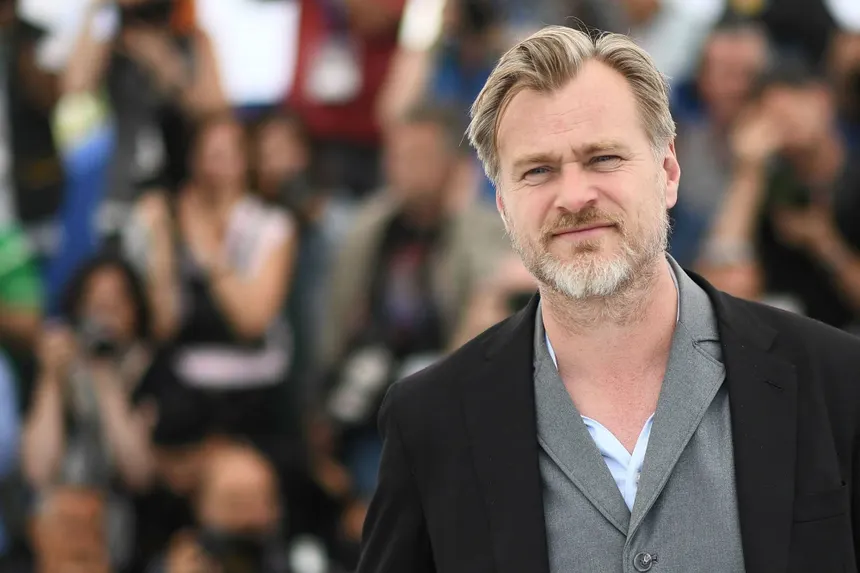
The entertainment industry stands at a critical crossroads as it grapples with unprecedented employment losses, rapid technological change, and fundamental shifts in business models. At this pivotal moment, Christopher Nolan-one of cinema’s most acclaimed and commercially successful filmmakers-assumed the presidency of the Directors Guild of America (DGA) in September 2025, bringing both creative prestige and practical leadership experience to an organization representing over 19,000 directors and members of the directorial team.
Nolan’s election comes at a time when Hollywood faces what many describe as an existential crisis, with employment numbers plummeting and traditional career pathways evaporating. His insights in recent interviews reveal a leader acutely aware of the challenges ahead, from artificial intelligence regulation to healthcare costs, from protecting creative rights to ensuring fair compensation in an industry undergoing seismic transformation.
Nolan’s Journey to Guild Leadership
Christopher Nolan has been a member of the DGA since 2001, marking over two decades of involvement with the organization that represents film and television directors. His path to the presidency was not sudden but rather the culmination of years of service and deepening engagement with guild governance and advocacy.
Since 2015, Nolan has served on the DGA’s National Board and Western Directors Council, gaining firsthand experience with the organization’s decision-making processes and challenges. His involvement extended beyond general board membership to leadership of specialized committees addressing some of the industry’s most pressing concerns. He chairs both the Guild’s Theatrical Creative Rights Committee and its Artificial Intelligence Committee-positions that placed him at the forefront of debates over creative control and technological disruption.
A Filmmaker’s Credentials
Nolan’s artistic achievements provide him with unique credibility as a guild leader. In 2024, he won the DGA Award for Outstanding Directorial Achievement in Theatrical Feature Film for “Oppenheimer,” the biographical drama that dominated the awards season and demonstrated both critical excellence and massive commercial appeal. This victory marked his fifth DGA nomination, following previous recognition for “Dunkirk” (2017), “Inception” (2010), “The Dark Knight” (2008), and “Memento” (2001).
His filmography represents a rare combination of artistic ambition and box office success, with his films grossing billions worldwide while exploring complex themes of time, identity, morality, and human nature. From the mind-bending narrative of “Memento” to the epic scope of “Interstellar” and “Dunkirk,” Nolan has consistently championed practical filmmaking techniques, theatrical exhibition, and nonlinear storytelling approaches that challenge both audiences and industry conventions.
After the release of “Tenet” in 2020, Nolan made headlines by parting ways with longtime distributor Warner Bros. Pictures and signing with Universal Pictures for “Oppenheimer”-a move that demonstrated his willingness to stand on principle regarding theatrical distribution and creative partnership. This experience navigating studio relationships and advocating for filmmakers’ interests would prove relevant to his guild leadership role.
Why Accept the Presidency Now?
Taking on the DGA presidency while simultaneously preparing to direct “The Odyssey”-his next ambitious project-represents a significant commitment of time and energy. Nolan’s decision to accept this responsibility during such a turbulent period for the industry speaks to his recognition of the moment’s gravity and his willingness to serve the broader filmmaking community beyond his personal projects.
The timing of his election placed him immediately in the position of preparing for critical 2026 contract negotiations with the Alliance of Motion Picture and Television Producers (AMPTP) while addressing mounting healthcare and pension challenges. His leadership would be tested quickly, requiring him to balance the concerns of elite directors like himself with those of working-class guild members struggling to find employment in a contracting industry.
The Employment Crisis Devastating Hollywood
Perhaps no issue looms larger for the DGA and the entertainment industry as a whole than the catastrophic loss of jobs over the past several years. The statistics paint a dire picture of an industry in contraction, with workers at all levels experiencing unemployment and career uncertainty unprecedented in recent decades.
Quantifying the Damage
According to the Bureau of Labor Statistics, approximately 100,000 people were employed in Los Angeles County’s motion picture industry at the end of 2024-down from 142,000 just two years earlier. This represents a loss of 42,000 jobs, nearly a third of the workforce, in just 24 months. The decline shows no signs of abating, leading industry observers to characterize the situation as catastrophic.
A report by the Otis College of Art and Design found that jobs in the entertainment sector in 2024 remained 25 percent below their 2022 peak. While the sector managed to create nearly 15,000 jobs in 2024, this increase proved insufficient to compensate for losses incurred during the writers’ and actors’ strikes of 2023. The entertainment workforce in Los Angeles has been unable to recover the ground lost during those work stoppages, even as production ostensibly resumed.
Unemployment in film and television reached 16.1 percent in June 2024-a figure one writer characterized as “worse than half as bad as the Great Depression”. This unemployment rate affects not just above-the-line talent but crew members, support staff, and specialized craftspeople who form the backbone of production.
Department-Specific Devastation
Certain departments and specializations have been hit particularly hard by the employment crisis. The Art Directors Guild reported in 2024 that 75 percent of its 3,000 members were unemployed-a staggering figure that forced the guild to suspend its Production Design Initiative program, which offers paid training in various art department roles. The rationale was stark: there simply weren’t enough jobs available for trainees to justify continuing the program.
The personal toll manifests in stories of highly credentialed professionals unable to find work. Oscar-winning sound mixers, animators who worked on classic Disney films, and other talented individuals with decades of experience have found themselves unemployed and uncertain about their futures. These are not peripheral workers or recent entrants to the industry, but established professionals who built careers over years or decades, only to see opportunities evaporate.
Root Causes of the Crisis
Multiple factors converge to create the current employment crisis. The COVID-19 pandemic initially disrupted production schedules and business models, forcing studios and streaming platforms to reconsider their strategies. The 2023 strikes by writers and actors further halted production, creating gaps in the pipeline that have not been filled.
Most fundamentally, the decline of “peak streaming” has altered the economic calculations of content production. During the streaming boom, platforms competed aggressively for content, funding numerous projects to build their libraries and attract subscribers. As the streaming market matured and companies faced pressure to demonstrate profitability rather than growth at any cost, this production volume contracted sharply.
The result is a fundamental restructuring of Hollywood’s middle class-the working professionals who neither command star salaries nor work at minimum scale, but who historically could build sustainable careers and families on steady work. This middle tier, which provided stability to the industry and developed the talent pipeline for future leaders, now faces an existential threat.
Implications for Guild Leadership
For Nolan as DGA president, the employment crisis represents both a moral imperative and a practical challenge. The guild exists to protect and advance the interests of its members, yet market forces and industry consolidation threaten to eliminate the jobs those members depend upon. No contract provision or residual structure matters if members cannot find work in the first place.
The crisis also complicates negotiations with the AMPTP. Studios and streaming platforms facing their own financial pressures have limited incentive to increase costs through higher wages, better benefits, or more generous residuals when they are simultaneously reducing overall production volume. The DGA must balance the need to secure good terms for working members against the reality that overly aggressive demands could further reduce employment opportunities by making production more expensive.
Artificial Intelligence: Opportunity or Existential Threat?
Few issues generate as much anxiety and debate in creative industries as artificial intelligence. For directors specifically, AI technologies raise questions about creative control, attribution, job security, and the fundamental nature of filmmaking as a human artistic endeavor. As chair of the DGA’s Artificial Intelligence Committee, Nolan brings both technical understanding and creative perspective to these discussions.
The DGA’s 2023 AI Provisions
The DGA’s 2023 contract negotiations included provisions addressing artificial intelligence, establishing initial guardrails around the technology’s use in production. These provisions represent a first attempt to regulate AI in the directorial context, though the rapid evolution of AI capabilities means these rules may quickly become outdated or insufficient.
The specific details of these AI provisions address questions of consent, creative control, and attribution. Directors sought assurances that AI tools would not be used to replace human creative judgment or to create directorial work without appropriate human oversight and credit. The goal was to position AI as a tool directors might choose to use, rather than a replacement for directorial labor or vision.
Licensing Deals and Member Control
One significant concern involves licensing deals that might allow studios or platforms to use AI trained on directors’ previous work without adequate compensation or control. The question of whether a studio could use AI to create work “in the style of” a particular director, or to complete unfinished projects using AI trained on a director’s body of work, raises both economic and artistic concerns.
Nolan’s perspective emphasizes the importance of directors maintaining control over their creative output and how it might be used to train or inform AI systems. The unauthorized use of a director’s distinctive style or approach to generate new content without compensation would undermine both the economic value of artistic labor and the personal connection between artist and work.
Balancing Innovation and Protection
The challenge for guild leadership lies in distinguishing between AI applications that genuinely enhance creative capabilities and those that primarily serve to reduce labor costs or eliminate jobs. Some AI tools might help directors visualize sequences, experiment with editing choices, or solve technical problems more efficiently-uses that could be embraced as creative aids. Other applications might seek to automate directorial decision-making or generate derivative works, threatening the core value proposition of human artistic judgment.
Nolan has expressed skepticism about characterizing AI as inherently dangerous, while acknowledging the real risks of misuse. His approach appears pragmatic: recognizing AI’s potential while insisting on strong protections ensuring directors maintain creative control and receive appropriate compensation when their work informs AI systems.
The Speed of Technological Change
A complicating factor in AI regulation is the technology’s rapid evolution. Contract provisions negotiated in 2023 may fail to anticipate capabilities that emerge in 2024 or 2025, creating gaps in protection or opportunities for studios to exploit ambiguities. This reality strengthens Nolan’s argument against accepting long-term contracts that would delay opportunities to update AI provisions in response to technological developments.
The three-year contract cycle traditional in Hollywood may itself prove too long given AI’s pace of advancement. What seems like adequate protection today could become obsolete within months as new AI capabilities emerge and companies develop novel applications. This technological uncertainty adds urgency to maintaining flexibility in contract terms and preserving the ability to renegotiate as circumstances change.
The 2026 Contract Negotiations: Key Priorities
As Nolan assumed the DGA presidency, the union began preparing for 2026 contract negotiations with the AMPTP. These negotiations will determine wages, working conditions, benefits, and protections for the next several years, taking place against the backdrop of industry crisis and rapid change.
The Five-Year Contract Question
One significant point of contention involves contract length. The AMPTP reportedly seeks a five-year agreement rather than the traditional three-year term, arguing that longer-term labor peace would provide stability for planning and investment. Studios and platforms contend that frequent renegotiations create uncertainty and the constant threat of strikes that disrupt production schedules.
Nolan has stated clearly that the DGA is unlikely to accept a five-year deal. His reasoning emphasizes the industry’s rapid rate of change and the impossibility of predicting business conditions years in advance. “If we had accepted a five-year contract back in March 2020, where would we find ourselves today?” he observed, noting that the pandemic, streaming wars, and other developments fundamentally altered the industry in ways that could not have been anticipated.
The guild’s position recognizes that studios and platforms “are constantly affected by market fluctuations, shareholders, and other factors,” making it essential that workers can renegotiate “at the appropriate time” rather than being locked into terms that may become inadequate or obsolete. While the DGA remains “open to discussions,” Nolan characterized acceptance of a five-year term as “very unlikely”.
Healthcare: A Crisis Within the Crisis
Healthcare and pension funding represent urgent priorities for the 2026 negotiations. In November 2025, Nolan and DGA National Executive Director Russ Hollander sent members a letter candidly addressing challenges confronting the guild’s health and pension plans. The health plan “has been operating at a deficit for the past two years, with projections indicating significant future losses,” creating an unsustainable trajectory that threatens member benefits.
The DGA is not alone in facing healthcare funding challenges-SAG-AFTRA and the Writers Guild of America experience similar pressures. Healthcare costs have risen dramatically across the United States, creating financial strain for union health plans that rely on negotiated employer contributions that remain fixed during contract terms. “While other employees have seen their contributions increase, ours have remained stagnant, necessitating the use of reserves to cover the difference,” Nolan explained.
The DGA has implemented cuts to the health plan “to realistically address rising healthcare expenses”. These cuts represent difficult choices balancing the need to preserve some level of coverage against the reality of insufficient funding. However, reductions in benefits cannot solve the fundamental problem: employer contributions must increase to keep pace with rising healthcare costs.
Nolan characterized it as “promising” that the AMPTP has also prioritized healthcare funding, interpreting this as potential willingness from studios to work toward viable solutions. “Employers will have to increase their contributions; that is simply a reality,” he stated, adding that “we will do our part, but employers must step up as well”.
Critically, Nolan rejected any linkage between accepting a longer contract term and addressing healthcare funding. If discussions regarding contract extensions were to occur, he expressed that “linking it to healthcare feels inappropriate, to be frank”. This position maintains that adequate healthcare funding represents a baseline obligation, not a concession to be traded for other terms.
Residuals and Success-Based Compensation
The transformation of distribution models from theatrical and broadcast to streaming has fundamentally altered how residuals function. Traditional residual structures provided ongoing payments when films aired on television or when episodes reran in syndication, creating long-term income streams for directors and other creatives. Streaming platforms generally pay limited residuals with less transparency about viewership and success metrics.
Nolan emphasized that residual structures “enabled working-class members of these professions to support families, maintain a quality of life, and purchase homes”. The erosion of these structures threatens not just individual livelihoods but the sustainability of creative careers for those who are not elite, highly-paid talent.
While Nolan did not disclose specific negotiating strategies, he insisted that any solution “must not involve the continued undervaluation of DGA members”. He noted that “one effect of disruption and innovation is – regardless of the merits of those models – they often come with the inclination to pay us less”. The guild must resist industry transformation being used as justification for reducing compensation.
Jobs and Industry Consolidation
Given the employment crisis, job creation and preservation represent fundamental concerns. The DGA cannot directly create jobs, but contract provisions can influence studios’ decisions about production volume, budgets, and employment of guild members versus non-union workers or foreign labor.
Industry consolidation poses particular challenges. Major mergers like the Netflix-Warner Bros. combination concentrate decision-making power and potentially reduce overall production as combined entities eliminate redundant projects. Fewer independent buyers mean less competition for content, potentially depressing both the quantity of work available and the terms offered to creatives.
The guild’s ability to address consolidation through contract negotiations remains limited, as these are business decisions driven by corporate strategy and regulatory approval. However, the DGA can advocate for provisions ensuring that merged entities maintain production commitments and do not use consolidation as justification for reducing employment or undermining working conditions.
Theatrical Exhibition and the Cinema Experience
Throughout his career, Nolan has been a passionate advocate for theatrical exhibition and the cinema experience. His films are crafted for large-screen presentation, often utilizing IMAX cameras and other technologies that maximize visual impact in theaters. His 2020 decision to release “Tenet” theatrically during the pandemic, and his subsequent move from Warner Bros. to Universal over disagreements about streaming versus theatrical distribution, underscore his commitment to this exhibition model.
As DGA president, this advocacy takes on institutional dimensions beyond his personal projects. The theatrical experience represents not just an aesthetic preference but an economic model that has historically supported middle-class careers in the industry. Theatrical releases drive marketing investments, cultural conversations, and revenue streams that can exceed those of streaming-only releases, potentially creating more and better-paid work for guild members.
However, audience habits have shifted dramatically, with streaming viewing eclipsing theatrical attendance for most content. The pandemic accelerated this trend, and even high-quality films now face challenges attracting audiences to theaters unless they qualify as events. Nolan must balance his personal commitment to theatrical cinema with the reality that member employment increasingly depends on streaming production.
The guild’s role includes advocating for business models that support quality filmmaking and good jobs, regardless of distribution platform. If streaming represents the future for most content, the DGA must ensure that directors working on streaming projects receive comparable creative control, compensation, and working conditions to those who make theatrical films. Nolan’s challenge is protecting theatrical cinema where possible while ensuring his members thrive across all platforms.
Tax Incentives and Production Location
The global competition for production work increasingly involves tax incentives offered by states, provinces, and countries seeking to attract filming. California, traditionally the center of American film and television production, faces competition from locations offering more generous subsidies, lower costs, or favorable exchange rates.
For DGA members based in Los Angeles, this competition threatens local employment as productions relocate to access better financial terms. While directors themselves may travel to wherever filming occurs, this geographic dispersion impacts crew members, support services, and the collaborative networks that have historically made Los Angeles a production hub.
The DGA has limited direct influence over tax policy, which reflects state legislative decisions responding to multiple constituencies beyond the entertainment industry. However, the guild can advocate for California maintaining competitive incentives and can work with other unions and industry groups to demonstrate the economic value of local production.
Nolan’s negotiating priorities reportedly include addressing tax incentive issues, though the specific mechanisms for doing so through AMPTP negotiations remain unclear. The challenge involves finding contractual approaches that encourage domestic production without being so rigid that they make projects economically unviable or push work to non-union productions.
Leadership During Industry Transformation
Nolan’s presidency unfolds during a period of transformation as fundamental as any the industry has faced. The transition from broadcast to streaming, the rise of artificial intelligence, the consolidation of studios and platforms, and the contraction of employment all represent structural changes rather than cyclical challenges.
His background as a filmmaker who has navigated studio relationships, championed creative vision, and achieved both artistic and commercial success provides relevant experience for guild leadership. He understands the pressures studios face, the economics of production, and the importance of negotiating from positions of strength while maintaining constructive relationships.
Yet Nolan’s experience as an elite director also differs substantially from that of working directors struggling to find employment. His personal leverage with studios, his ability to command budgets and final cut, and his box office track record are not representative of typical guild members. Effective leadership requires him to advocate for interests beyond his own, addressing concerns of assistant directors, unit production managers, and directors at all career levels.
The DGA’s strength as a union has historically derived from relative solidarity between elite and working directors, with successful filmmakers supporting collective bargaining that protects less established members. Maintaining this solidarity during crisis requires demonstrating that contract provisions address concerns across the membership spectrum, not just priorities of top-tier talent.
The Path Forward
The challenges facing the DGA and the entertainment industry more broadly admit no easy solutions. Market forces, technological change, and evolving consumer preferences create pressures that guild leadership cannot simply negotiate away. However, strong union advocacy can influence how these transformations affect workers, ensuring that industry change does not occur entirely on employers’ terms.
Nolan’s leadership during the 2026 negotiations will test whether the guild can secure meaningful improvements in healthcare funding, protect creative control in an era of AI, and preserve quality jobs despite industry contraction. Success requires balancing firmness on core principles with pragmatism about economic realities, maintaining unity among diverse membership interests, and potentially being willing to accept a work stoppage if negotiations reach impasse.
The outcome will shape not just the immediate working conditions of DGA members but the long-term sustainability of creative careers in film and television. At stake is whether Hollywood can maintain a viable middle class of working professionals, or whether the industry increasingly bifurcates between a small elite and a large pool of underemployed workers scrambling for insufficient opportunities.
For an industry built on storytelling, the irony of struggling to script its own future is palpable. Nolan’s challenge as DGA president is helping to write a better story than the one current trends suggest-one where technological innovation enhances rather than replaces human creativity, where industry transformation creates opportunities rather than just eliminating jobs, and where the art of cinema remains economically sustainable for those who dedicate their careers to it. Whether he succeeds will become clear in the months and years ahead as contracts are negotiated, agreements are implemented, and the industry continues its turbulent evolution.













Grow your income stream—apply to our affiliate program today!
Get paid for every referral—enroll in our affiliate program!
Tap into unlimited earnings—sign up for our affiliate program!
Get paid for every referral—sign up for our affiliate program now!
Drive sales and watch your affiliate earnings soar!
dlisqwovxivknpththvfjktyxofdwf
Promote, refer, earn—join our affiliate program now!
Earn passive income with every click—sign up today!
Share our offers and watch your wallet grow—become an affiliate!
Start earning every time someone clicks—join now!
Start profiting from your network—sign up today!
May I simply just say what a relief to uncover
an individual who truly knows what they’re discussing on the internet.
You definitely know how to bring an issue to light and make
it important. More people have to read this and
understand this side of the story. I was surprised you are not more popular since you certainly possess the gift.