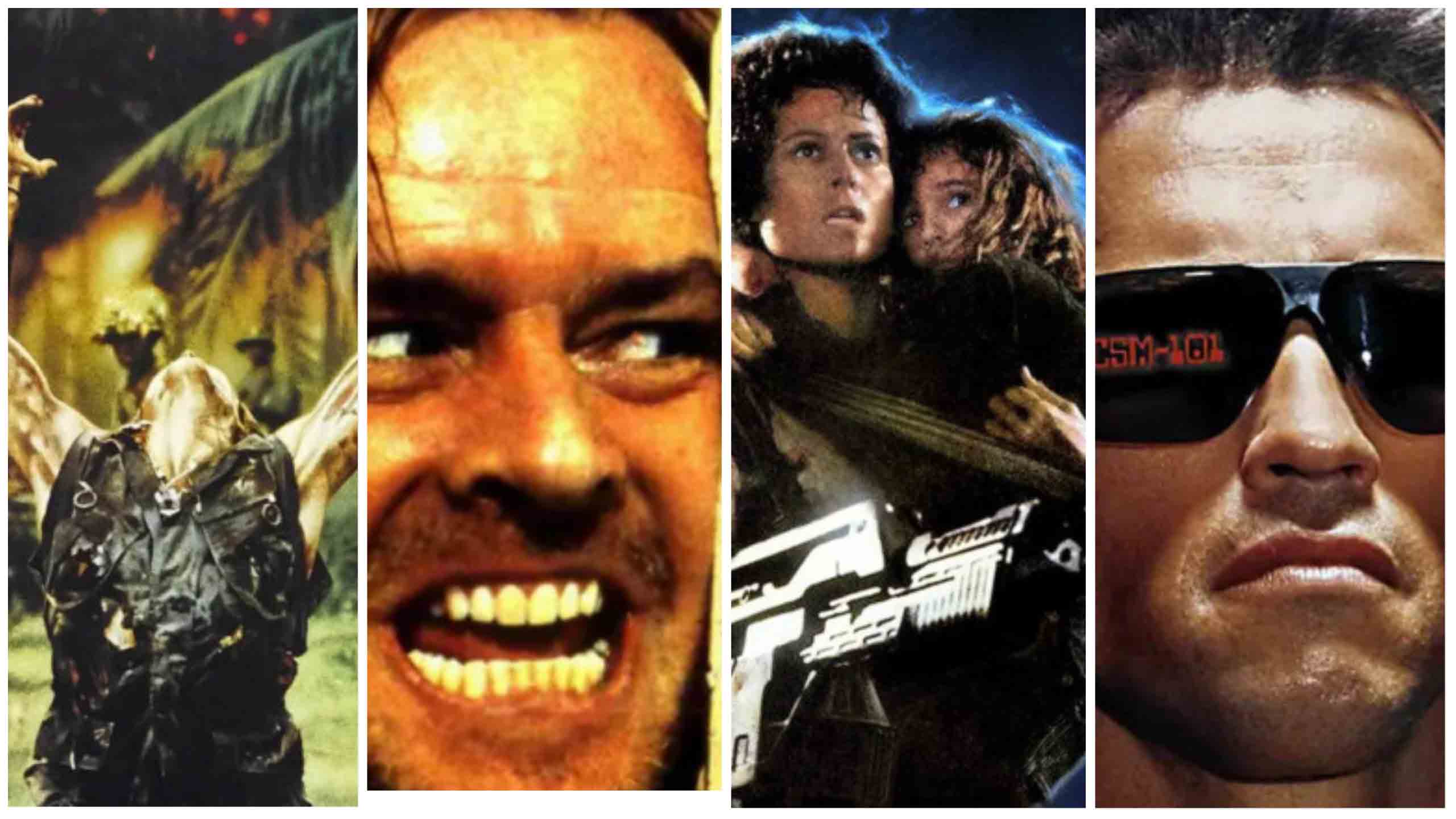
Ten years. One decade that changed cinema forever.
The 1980s didn’t just give us movies. It gave us cultural touchstones that people still quote, reference, and rewatch decades later. VHS tapes wore out from repeated viewings. DVDs got scratched from overuse. Now streaming algorithms know these films by heart because millions keep clicking play.
What makes a movie rewatchable? It’s not just quality. Plenty of masterpieces get watched once and appreciated from a distance. Rewatchable films become friends. Comfort food. The cinematic equivalent of your favorite song that never gets old no matter how many times you hear it.
The 80s mastered this formula. Spielberg perfected the blockbuster. Lucas expanded universes. Zemeckis bent time. Burton got weird. Cameron built terminators and Ripley became a legend.
But here’s what nobody talks about: why do these specific films demand endless rewatches while others fade? Whatalchemy of plot, character, quotability, and nostalgia makes certain 80s movies impossible to turn off when you stumble across them at 2 AM?
This is the definitive year by year breakdown of the 80s most rewatchable films. One movie from each year that you’ve probably seen a dozen times and will absolutely watch again. The films that defined childhoods, dominated sleepovers, and continue living rent free in pop culture’s collective consciousness.
Ready to time travel through the greatest decade in rewatchable cinema? Buckle up.
1980: The Empire Strikes Back Changed Everything
Credits: THR
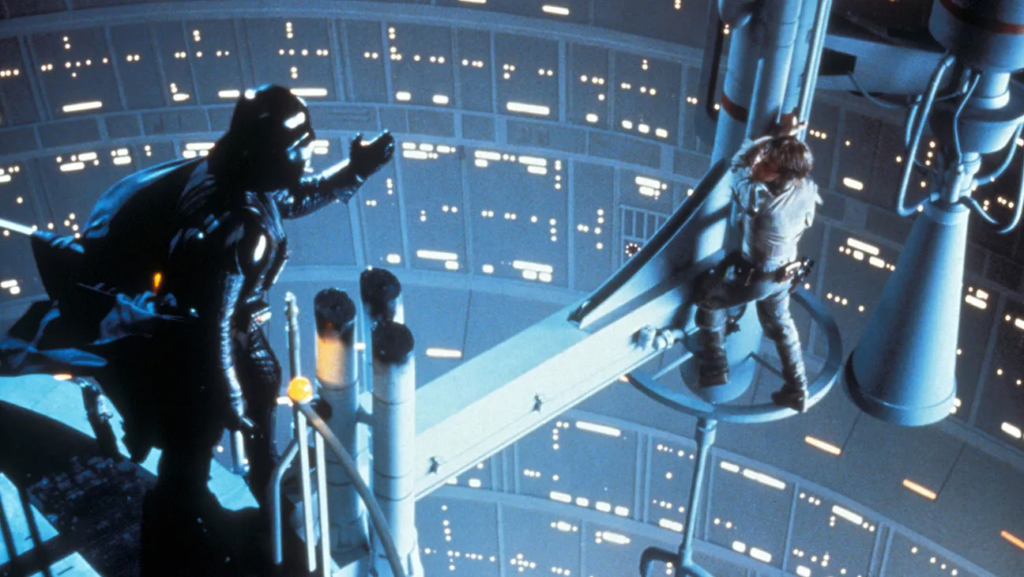
The decade opened with perfection. Star Wars Episode V The Empire Strikes Back hit theaters May 21, 1980, and immediately became the gold standard for sequels.
Director Irvin Kershner took George Lucas’s space opera and deepened it. Made it darker. Added complexity. Delivered the twist that became cinema’s most iconic moment: “I am your father.”
But here’s why it’s infinitely rewatchable: Empire never slows down. The Hoth battle opens with Walker assault that still looks incredible. The asteroid chase delivers kinetic thrills. Dagobah provides mystical training with Yoda. Cloud City brings betrayal. Every sequence flows perfectly into the next.
The dialogue is endlessly quotable. “Do or do not, there is no try.” “I love you.” “I know.” “Never tell me the odds.” These lines embedded themselves in language itself.
The film also ends on a cliffhanger, which means rewatching leads directly to Return of the Jedi. It’s the middle chapter that makes you want to revisit the whole saga.
Empire earned over $538 million worldwide against a $33 million budget. It received Oscar nominations and won for Best Sound. Critics initially had mixed reactions to the darker tone but audiences didn’t care. They watched it repeatedly, making it 1980’s highest grossing film.
The rewatch value comes from layers. First viewing is for plot. Second is for details. Third is for appreciating craft. By the tenth viewing, you’re quoting along, noticing background creatures, and marveling at practical effects that CGI still can’t match.
Share this with anyone who insists prequels are better.
1981: Raiders of the Lost Ark Invented The Perfect Adventure
Credits: THR
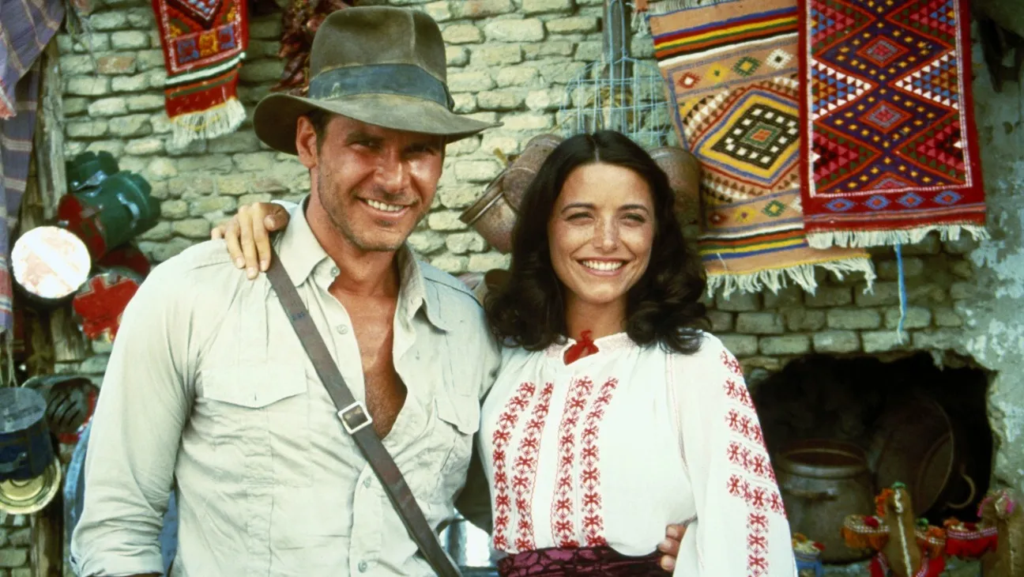
Steven Spielberg and George Lucas teamed up to create cinema’s greatest adventurer. Raiders of the Lost Ark introduced Indiana Jones to the world June 12, 1981.
Harrison Ford playing a whip cracking archaeology professor racing Nazis to find the Ark of the Covenant shouldn’t work. It’s pulp nonsense. But Spielberg directs it with such confidence and joy that it becomes transcendent entertainment.
The opening sequence alone justifies infinite rewatches. Indy navigating the temple, stealing the idol, running from the boulder. It’s perfect action filmmaking. Economy of storytelling. Visual clarity. Escalating stakes. All in about ten minutes.
Then the film just keeps delivering. The Cairo chase. The truck chase. The submarine. The face melting finale. Raiders never stops moving but also never feels exhausting because Spielberg knows exactly when to pause for character beats.
Karen Allen’s Marion Ravenwood gives Indy a worthy sparring partner. Their chemistry crackles. The drinking contest. The romantic reunion. Marion isn’t damsel in distress. She’s capable, tough, and gives as good as she gets.
John Williams’s score is iconic. The moment those opening notes hit, you’re transported. The Raiders March became synonymous with adventure itself.
The film earned $389 million worldwide on a $20 million budget. It won five Oscars including Best Visual Effects and Best Sound. It launched a franchise that’s still going 45 years later.
Rewatchability comes from pure fun. Raiders is comfort food cinema. You know every beat. You know Indy survives. But watching how he survives never gets old. The setpieces are so well constructed that they work on infinite repeat.
It’s also the rare film that works for all ages. Kids love the adventure. Adults appreciate the craft. Everyone enjoys watching Ford be impossibly cool while also getting beaten up constantly.
Tag someone who owns a brown leather jacket because of this movie.
1982: ET Made Everyone Cry And Still Does
Credits: IMDb
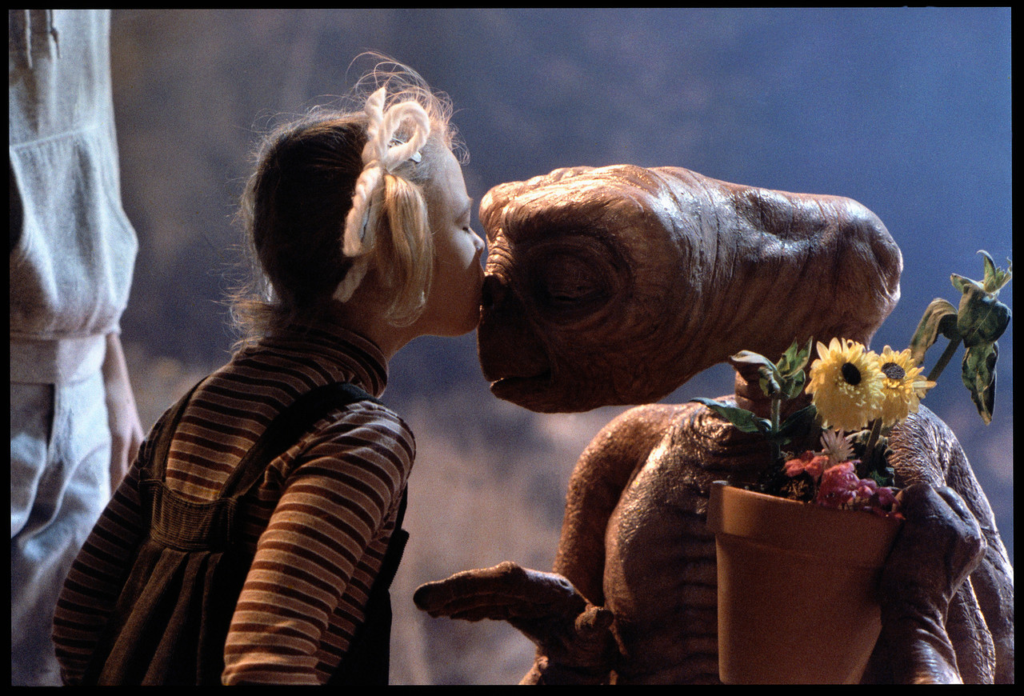
Steven Spielberg strikes again. ET the Extra Terrestrial landed June 11, 1982, and became a phenomenon that transcended cinema.
The story is simple. Alien gets left behind. Kid finds him. They become friends. Government tries separating them. Tearful goodbye. But Spielberg’s execution transforms simple into sublime.
Henry Thomas’s performance as Elliott sells everything. His connection with ET feels completely real despite ET being a puppet. The bike flying across the moon became one of cinema’s most iconic images.
John Williams delivers another legendary score. The soaring theme during the bike chase is pure emotion translated into music. It’s impossible to hear those notes without feeling something.
ET was designed for rewatching. It’s comfort and nostalgia weaponized. Every viewing hits the same emotional beats. The Reese’s Pieces product placement that made the candy famous. “ET phone home.” The goodbye that still destroys viewers after dozens of viewings.
The film earned a staggering $792 million worldwide on a $10.5 million budget. It became the highest grossing film of all time until Jurassic Park dethroned it in 1993. It won four Oscars and received nine nominations including Best Picture.
The cultural impact was massive. ET merchandise saturated stores. The image of ET and Elliott in the bike basket became shorthand for childhood wonder. Spielberg captured something universal about friendship, loss, and the magic of believing.
Rewatchability stems from emotional resonance. ET provides catharsis. It’s the movie you watch when you need to feel something pure. When cynicism gets too heavy. When you want to remember what movies felt like when you were young enough to believe an alien could be real.
It also works as family viewing across generations. Grandparents who saw it in theaters watch with grandkids experiencing it for the first time. That’s legacy.
Don’t sleep on rewatching this before you think you’re too cool for it.
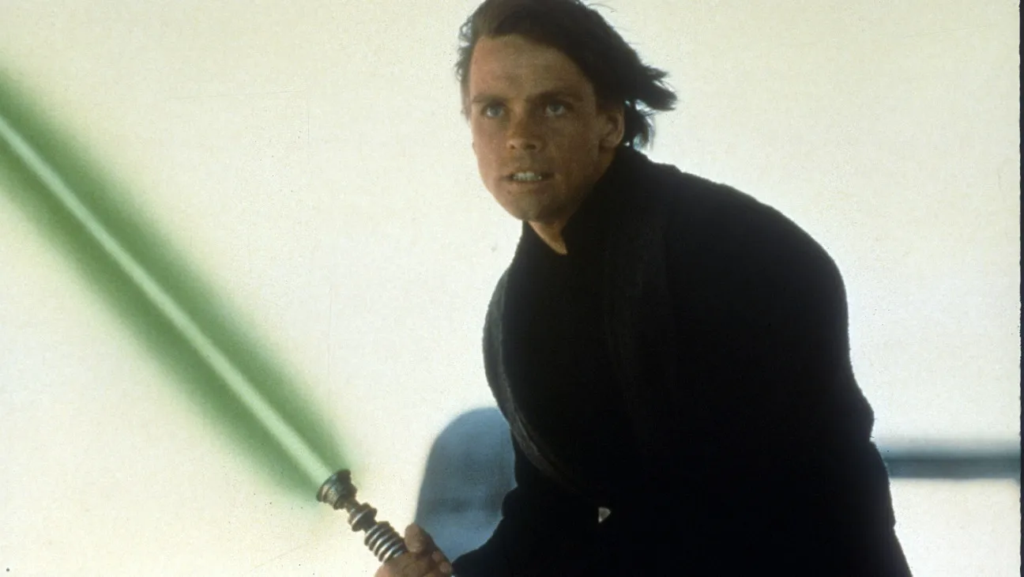
1983: Return of the Jedi Completed The Trilogy
Credits: THR
The original Star Wars trilogy concluded May 25, 1983. Return of the Jedi had impossible expectations: wrap up the greatest space opera ever told satisfyingly.
It mostly succeeded. The Jabba’s Palace opening is entertaining adventure. The speeder bike chase on Endor delivers thrills. The throne room confrontation between Luke, Vader, and the Emperor provides emotional and action climax. The space battle destroying the second Death Star is spectacular.
Yes, Ewoks divide fans. Some find them adorable. Others see them as cynical toy selling. But their impact on rewatchability is minimal because the film offers so much else.
The Luke Vader resolution delivers on Empire’s cliffhanger. Watching Vader choose his son over the Emperor never gets old. The redemption arc completes perfectly. “You were right about me” hits every time.
Jedi earned $475 million worldwide. Critics were mixed but audiences loved it. The cultural celebration when it released was massive. The trilogy was complete. Star Wars had an ending.
Rewatching Jedi means rewatching the complete saga. It’s the payoff. You watch Empire’s devastating ending then immediately want Jedi’s resolution. The three films form one story best experienced together.
The throne room scene alone justifies repeated viewings. The green lightsaber. Luke’s temptation. Vader’s choice. The Emperor’s lightning. It’s operatic filmmaking at its finest.
Share with anyone who refuses to acknowledge anything after 1983 counts as Star Wars.
1984: Ghostbusters Perfected Comedy Sci Fi
Credits: THR
Who you gonna call? The answer has been the same for 42 years.
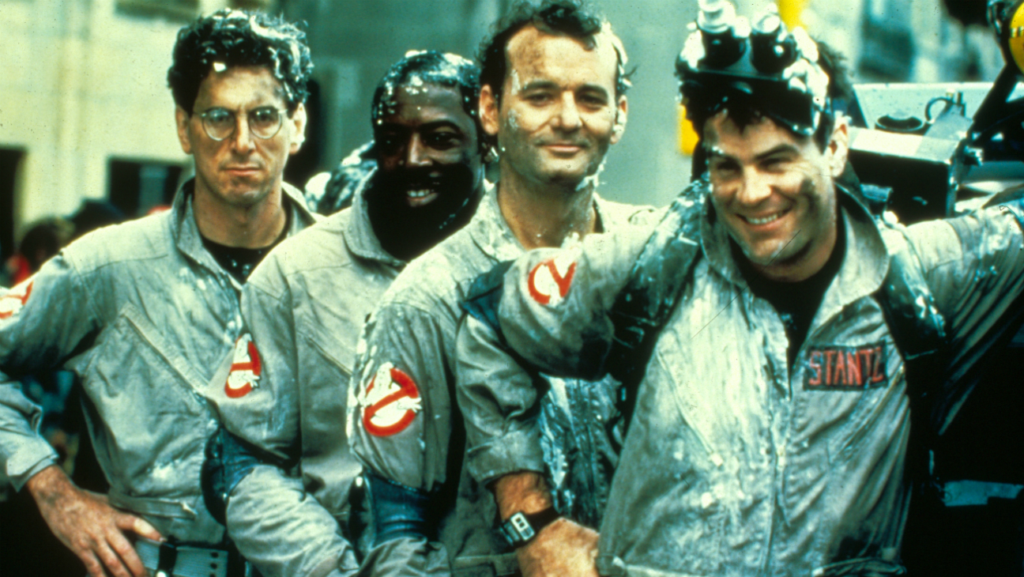
Ghostbusters premiered June 8, 1984, and became the template for high concept comedy done right. Four scientists (well, three scientists and one non scientist) start a ghost extermination business in New York City. That premise could have been stupid. Instead, it’s brilliant.
Bill Murray, Dan Aykroyd, Harold Ramis, and Ernie Hudson have perfect chemistry. Murray’s Peter Venkman is all cynical charm. Aykroyd’s Ray Stantz is true believer enthusiasm. Ramis’s Egon Spengler provides deadpan intellect. Hudson’s Winston Zeddemore is everyman sanity.
The dialogue is infinitely quotable. “He slimed me.” “Back off man, I’m a scientist.” “Ray, when someone asks if you’re a god, you say yes!” “We came, we saw, we kicked its ass!” Every line is gold.
The visual effects blend practical and optical work beautifully. Slimer, the Stay Puft Marshmallow Man, the ghost trap effects. They’re dated by modern standards but charming rather than distracting.
Ray Parker Jr’s theme song became a cultural phenomenon on its own. The music video with celebrity cameos was everywhere. The song is so catchy it’s essentially illegal to not sing along.
Ghostbusters earned $295 million worldwide on a $30 million budget. It spawned a franchise including sequel, reboot, and recent legacy sequels. It launched a massive toy line. The proton pack became iconic.
Rewatchability comes from pure entertainment. Ghostbusters is fun. Every single time. The comedy works. The effects charm. The characters feel like friends. It’s the movie you put on when you don’t know what to watch because you know it’ll be a good time.
It also works for any mood. Feel like comedy? It delivers. Want action? The finale provides. Need nostalgia? It’s drenched in it. Ghostbusters is comfort cinema that never wears out its welcome.
Tag every 80s kid who had proton pack toys.
1985: Back to the Future Transcended Time
Credits: New Scientist
July 3, 1985. The day Marty McFly went back to 1955 and cinema was never the same.
Robert Zemeckis directed a time travel comedy that shouldn’t work. The plot involves a teenager accidentally preventing his parents from meeting, nearly erasing himself from existence, and having to make them fall in love while avoiding paradoxes and escaping terrorists.
That’s complicated. That’s confusing. That should collapse under its own weight.
Instead, Back to the Future is flawlessly constructed. The screenplay by Zemeckis and Bob Gale is a masterclass in setup and payoff. Every detail matters. Every joke lands. Every moment of foreshadowing pays off perfectly.
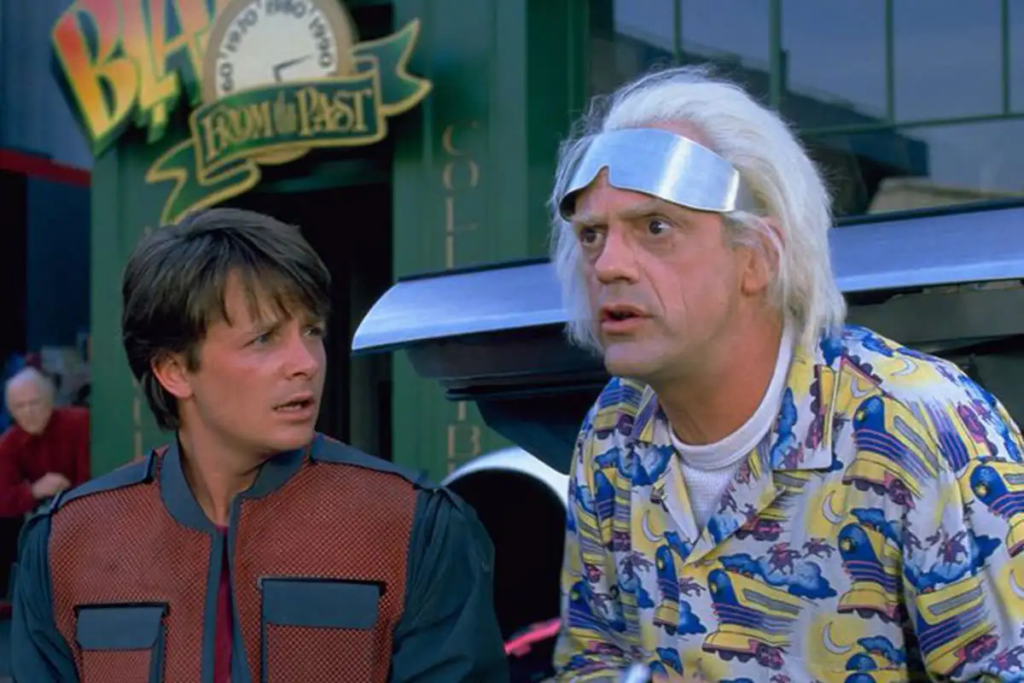
Michael J Fox makes Marty McFly an all timer character. He’s cool without trying. Vulnerable without being weak. The kid you wanted to be or be friends with. His comedy timing is impeccable.
Christopher Lloyd’s Doc Brown is delightfully unhinged. The wide eyed enthusiasm. The “Great Scott!” exclamations. The genuine friendship with Marty that grounds all the madness.
The DeLorean became one of cinema’s most iconic vehicles. The flux capacitor. The “88 miles per hour” requirement. The lightning strike finale. It’s all perfect.
Alan Silvestri’s score is adventurous and urgent. Huey Lewis and the News’s “The Power of Love” and “Back in Time” became forever linked to the film.
Back to the Future earned $388 million worldwide on a $19 million budget. It became 1985’s highest grossing film. It won an Oscar for Best Sound Editing. It launched a trilogy and a massive franchise.
The rewatchability is off the charts. The script is so tight that every viewing reveals new details. The clock tower synchronization. The photo slowly fading. The skateboard invention. The density of jokes and references means you notice something new every time.
It’s also genuinely crowd pleasing. Everyone loves Back to the Future. Cynics can’t touch it. Critics rave. Audiences adore it. It’s one of the few perfect films.
The debate between whether Ghostbusters or Back to the Future is more rewatchable will rage forever. They’re both 1984 and 1985 peaks respectively. Choose based on whether you prefer Murray or Fox. Both answers are correct.
Share with anyone who’s ever wanted a DeLorean.
1986: Aliens Proved Sequels Could Match Originals
Credits: Roger Ebert
James Cameron took Ridley Scott’s horror masterpiece Alien and transformed it into action spectacle without losing what made the original great.
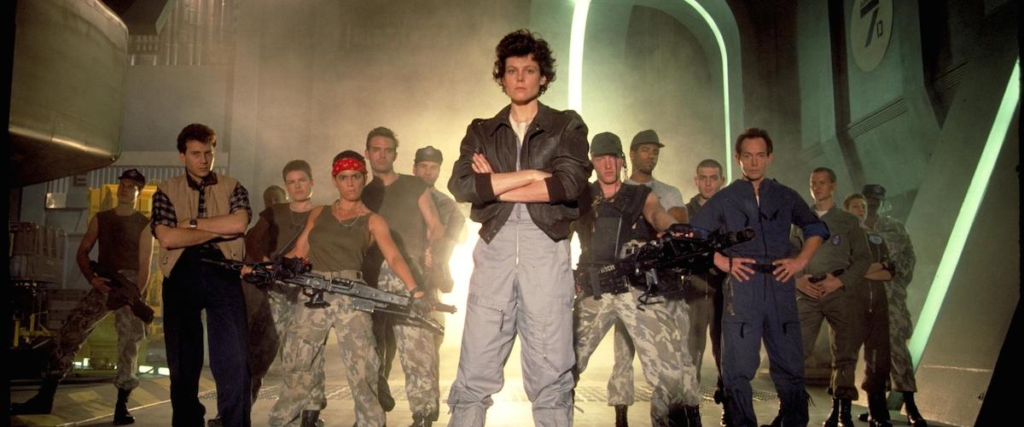
Aliens premiered July 18, 1986. Sigourney Weaver returned as Ellen Ripley, now accompanied by a squad of colonial marines heading to the planet where her crew first encountered the xenomorphs.
Cameron understood that repeating Alien’s formula wouldn’t work. One alien stalking victims in tight spaces was terrifying once. A sequel needed evolution. So Cameron unleashed an army of aliens and turned Ripley into action hero.
But he also gave her emotional depth. The relationship with Newt, the orphaned girl Ripley adopts, provides the film’s heart. Ripley lost her own daughter during her 57 year hypersleep. Newt becomes second chance. Their bond makes the stakes personal beyond simple survival.
The supporting cast is memorable. Bill Paxton’s Hudson (“Game over man, game over!”). Michael Biehn’s Hicks. Jenette Goldstein’s Vasquez. Lance Henriksen’s Bishop. Each character is distinct and quotable.
The practical effects and miniature work still impress. The alien queen is terrifying. The power loader fight is iconic. The atmosphere processor explosion is spectacular. Cameron proved you could do bigger while maintaining craft.
Aliens earned $180 million worldwide on an $18 million budget. It received seven Oscar nominations and won for Best Sound Effects Editing and Best Visual Effects. Weaver received a Best Actress nomination, rare for action sci fi.
Rewatchability stems from perfect pacing. Aliens is nearly two and a half hours but flies by. The first act builds tension slowly. The second act unleashes chaos. The third act delivers catharsis. You know the beats but watching them unfold never gets old.
It’s also endlessly quotable. “Get away from her you bitch!” became one of cinema’s great badass lines. “Nuke it from orbit, it’s the only way to be sure” entered common language.
Aliens works for horror fans, action fans, and sci fi fans simultaneously. That crossover appeal makes it universally rewatchable.
Don’t miss how Cameron builds tension better than almost anyone.
1987: The Princess Bride Became Everyone’s Favorite Fairytale
Credits: THR
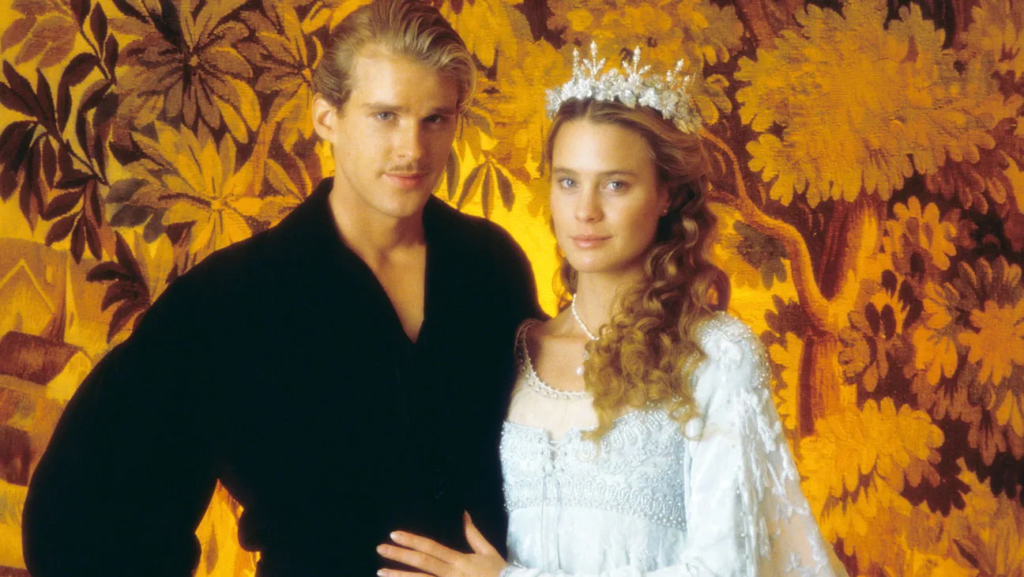
Rob Reiner’s adaptation of William Goldman’s novel premiered September 25, 1987. The Princess Bride was a modest box office performer that became a cultural phenomenon through home video.
The framing device of grandfather reading to sick grandson provides meta commentary on fairytales while also being sincere fairytale itself. That balance between irony and earnestness makes it work for cynics and romantics.
Cary Elwes and Robin Wright have perfect chemistry as Westley and Buttercup. Their love story forms the emotional core. “As you wish” becoming “I love you” is romantic shorthand that generations understand.
The supporting cast is stacked. Mandy Patinkin’s Inigo Montoya seeking revenge for his father’s murder. “Hello, my name is Inigo Montoya. You killed my father. Prepare to die” is one of cinema’s most quoted lines. Wallace Shawn’s Vizzini and his “inconceivable!” André the Giant’s Fezzik providing gentle giant charm. Chris Sarandon’s Prince Humperdinck being perfectly despicable. Christopher Guest’s Count Rugen. Billy Crystal’s Miracle Max.
Goldman’s screenplay is quotable from beginning to end. “Have fun storming the castle!” “You keep using that word. I do not think it means what you think it means.” “Death cannot stop true love. All it can do is delay it for a while.” “There’s a shortage of perfect breasts in this world. It would be a pity to damage yours.”
The Princess Bride earned only $30 million theatrically but found massive audience on VHS and cable. It became the movie everyone loved without quite knowing when they fell in love with it.
Rewatchability is built into its DNA. It’s a comfort movie par excellence. The story is simple. Good triumphs. Love conquers. But the execution is so charming that it never feels simplistic. It respects audience intelligence while delivering unabashed romance and adventure.
It also works for all ages. Kids enjoy the adventure and swordfights. Teens appreciate the romance and humor. Adults catch references and appreciate the craft. Grandparents love watching with grandkids. It’s multi generational in a way few films achieve.
Tag someone whose wedding vows included “as you wish.”
1988: Die Hard Invented The Modern Action Movie
Credits: THR
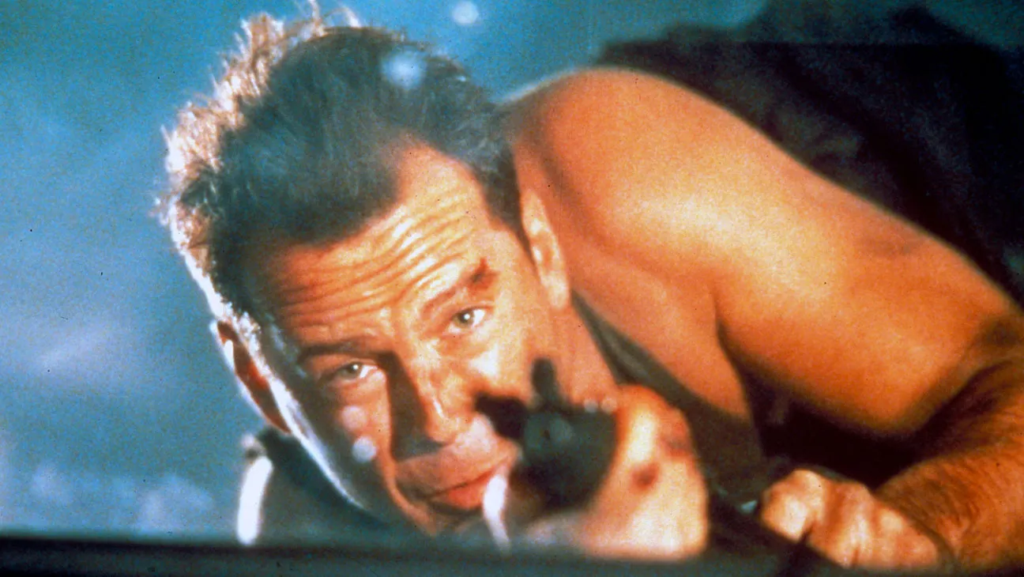
July 15, 1988. John McTiernan unleashed Die Hard and action cinema was never the same.
Bruce Willis wasn’t an action star. He was a TV comedy actor from Moonlighting. Casting him as John McClane was considered risky. It was also genius.
McClane isn’t superhero. He’s a regular cop in the wrong place at wrong time. He bleeds. He’s terrified. He makes jokes to cope with fear. He misses his wife. He’s vulnerable and human in ways action heroes typically weren’t.
The high concept is perfect: terrorists take over office building during Christmas party. One cop trapped inside must stop them. The contained setting creates escalating tension as McClane runs out of options and advantages.
Alan Rickman’s Hans Gruber became template for great action villains: intelligent, cultured, and genuinely threatening. The scene where he pretends to be hostage showcases his range. Rickman elevates every moment he’s in.
The action is practically choreographed and visceral. McClane’s feet getting shredded by glass. The vent crawling. The rooftop explosion. The final confrontation. McTiernan shoots everything clearly, making spatial geography always understandable.
The dialogue is quotable gold. “Yippee ki yay” became Willis’s catchphrase. “Welcome to the party, pal!” “Now I have a machine gun. Ho ho ho.” The entire film is endlessly quotable.
Die Hard earned $140 million worldwide on a $28 million budget. It made Willis a movie star. It launched a franchise that’s still continuing (though quality varies wildly). It created the “Die Hard on a…” template that dozens of films copied.
Rewatchability comes from perfect construction. Die Hard is tight, efficient, and thrilling every single time. You know McClane survives but watching how he survives never gets old because the stakes always feel real.
It’s also a Christmas movie, which means annual rewatches become tradition. The debate about whether it qualifies as Christmas movie has become part of its legacy.
Share with anyone who insists Die Hard isn’t a Christmas movie and watch them get mad.
1989: Batman Proved Superhero Movies Could Be Art
Credits: CNN
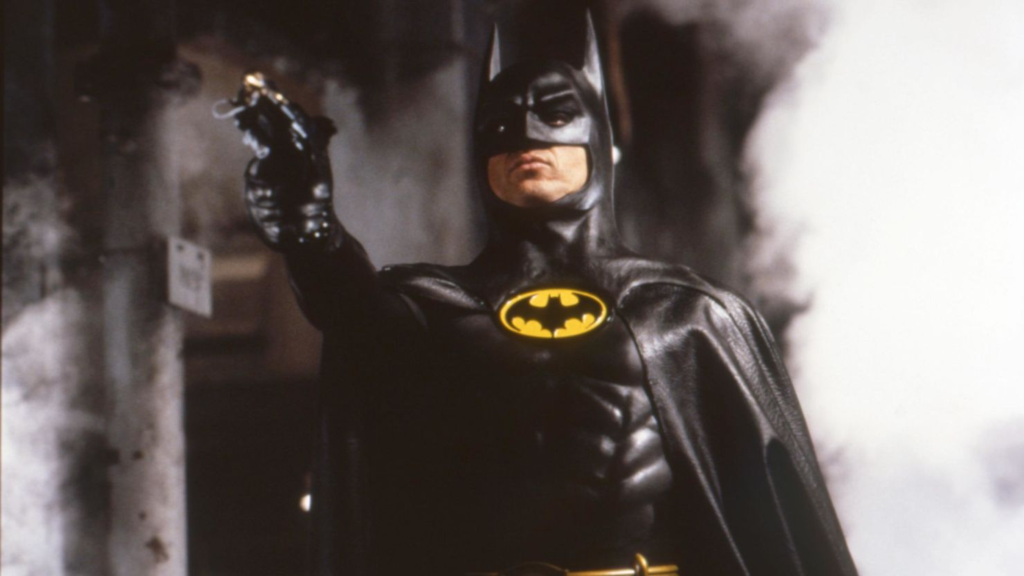
Tim Burton’s Batman premiered June 23, 1989, and changed superhero filmmaking forever.
The casting of Michael Keaton as Batman was controversial. Fans protested. Burton was coming off Beetlejuice and Pee Wee’s Big Adventure. Could he handle Batman? Could Keaton play convincing Dark Knight?
They both shut critics up immediately. Keaton brought intensity and menace to Bruce Wayne and Batman. His quiet line readings made both personas distinct and compelling.
Jack Nicholson’s Joker became definitive until Heath Ledger redefined the role. Nicholson is theatrical, terrifying, and darkly funny. “Ever dance with the devil in the pale moonlight?” became instant classic villain line.
Burton’s Gotham City is expressionist nightmare. Concrete, shadows, and Gothic architecture create a city that feels genuinely menacing. Anton Furst’s production design won an Oscar and established visual template that Batman films still reference.
Danny Elfman’s score is iconic. The Batman theme is instantly recognizable. It’s become as synonymous with the character as John Williams’s Superman theme.
Prince’s soundtrack is divisive but undeniably of its moment. “Batdance” was everywhere in summer 1989. The purple packaging. The videos. It was cultural saturation.
Batman earned $411 million worldwide on a $35 million budget. It shattered box office records. It proved superhero films could be dark, serious, and commercially massive. Without Burton’s Batman, Nolan’s Dark Knight trilogy probably doesn’t happen.
Rewatchability comes from Burton’s unique vision. This isn’t MCU formula. It’s auteur superhero filmmaking. The weirdness. The darkness. The operatic emotions. It’s Burton unleashed with a massive budget making his version of Batman.
The film also works as Gothic romance between Batman and Joker. Their duality and obsession with each other drives the film more than the romance with Vicky Vale. That psychological depth adds layers that reward rewatching.
It’s also quintessentially 1989. The fashion. The design. The vibes. Watching it is time traveling to a specific cultural moment when Batman was the biggest thing in the world.
Tag anyone who still owns VHS copies with the purple and yellow Batman logo packaging.
The Formula That Made Them Last
What do all these films share? Why do they demand rewatching while other good films get watched once and shelved?
First, they’re all comfort food. None require intense concentration. You can watch while doing other things and still enjoy them. They reward full attention but don’t punish partial attention.
Second, they’re quotable. From “I am your father” to “yippee ki yay,” these films embedded themselves in language. Quoting them is shorthand for shared cultural experience.
Third, they have heart. Even the action films prioritize character and emotion. You care about Luke, Indy, Ripley, McClane, Marty. Their journeys matter beyond spectacle.
Fourth, they’re optimistic. Most have happy or hopeful endings. Good triumphs. Heroes win. That positivity makes them appealing when the world feels heavy.
Fifth, they’re visually iconic. Each film has images permanently burned into culture: ET and Elliott flying across the moon, the DeLorean hitting 88, McClane’s bloody feet, Ripley in the power loader. These images transcend the films.
Sixth, they’re of their time but also timeless. They’re unmistakably 80s but also universal in their themes and storytelling. They age without feeling dated because craft trumps trends.
Finally, they’re fun. This seems obvious but bears stating. These films prioritize audience enjoyment. They’re not homework. They’re not vegetables you’re supposed to watch because they’re good for you. They’re dessert. And everyone wants dessert repeatedly.
Comment below with which 80s film you’ve rewatched most.
Your Next Movie Night Sorted
If you somehow haven’t seen these films, you have homework. If you have seen them, you’re overdue for a rewatch.
Start with whichever year appeals most. Watch chronologically through the decade. Make it a project. Experience the evolution of blockbuster filmmaking across ten years.
Notice how effects evolve. How storytelling shifts. How certain actors dominate the decade. Ford appears in three of these (Empire, Raiders, Blade Runner if we’d included it). Spielberg directed or produced five.
The 80s were when VHS made rewatching possible. Before home video, you saw movies in theaters and maybe caught them on TV years later. VHS meant ownership. Meant control. Meant watching your favorites until the tape wore out.
These films defined the VHS era. They were the movies you bought, not rented. The ones you showed friends. The ones you quoted endlessly.
Now they’re streaming. Accessible with a click. The barriers to rewatching are lower than ever. Use that access. Revisit these classics. Introduce them to kids who only know MCU blockbusters. Show them what came before.
Because here’s the thing: these films aren’t just nostalgia. They’re not just “good for their time.” They’re legitimately excellent filmmaking that holds up against anything made today.
The Empire Strikes Back’s character work and storytelling depth match any modern blockbuster. Raiders’s action choreography is better than most contemporary action. ET’s emotional manipulation is masterclass level. Back to the Future’s screenplay is tighter than 95% of current comedies. Aliens’s pacing is better than most modern action. Die Hard’s efficiency shames bloated two and a half hour action films.
These movies earned their rewatchability. They’re not coasting on nostalgia. They’re genuinely excellent films that also happen to trigger nostalgia for those who grew up with them.
For younger viewers discovering them now, they work on their own merits. The craft speaks for itself.
So pick one. Any one. Queue it up tonight. Experience or re experience cinema at its most rewatchable.
And when you’re done, you’ll understand why these ten films from one decade defined what it means for movies to never get old.
Drop your ranking of these ten below. Share with your watch party. Follow for more deep dives into cinema’s greatest decades.
The 80s gave us infinite rewatchability. Time to take advantage of that gift. Again. And again. And again.
Because that’s what great movies do. They welcome you back. Every time. Forever.