
The Rise of Social Shopping
Social media platforms have become the new shopping malls. What started as a way to connect with friends has evolved into a powerful marketplace where billions of users discover and purchase products without ever leaving their favorite apps. The transformation happened gradually, then suddenly. One day we were scrolling through vacation photos, and the next we were tapping on tagged products in every other post.
The numbers tell a compelling story. Social commerce sales reached $992 billion globally in 2023, and projections suggest this figure will nearly double by 2028. But statistics only capture part of the phenomenon. Walk into any coffee shop and watch people on their phones. They are not just liking posts anymore. They are buying shoes, ordering skincare products, and adding furniture to their carts, all while sipping their lattes.
This shift represents more than a new sales channel. It marks a fundamental change in how people discover products and make purchasing decisions. Traditional e-commerce requires customers to know what they want and actively search for it. Social commerce flips this model entirely. Products find customers through their feeds, recommended by influencers they trust or friends who tagged them in posts.
Why Brands Cannot Ignore This Trend
Companies that dismissed social shopping as a passing fad are scrambling to catch up. The convergence of content and commerce has created an environment where inspiration and transaction happen in the same moment. Someone watches a makeup tutorial, sees the products tagged, and purchases them before the video ends. The friction between wanting something and buying it has practically disappeared.
Major retailers have shifted significant portions of their marketing budgets toward social platforms. Small businesses and independent creators have found unprecedented opportunities to reach customers without massive advertising spends. A jewelry maker in Mumbai can now sell to customers in Toronto just as easily as a multinational corporation can.
The pandemic accelerated trends that were already in motion. With physical stores closed, consumers who had never shopped online before were forced to adapt. Social platforms, already integrated into daily routines, became natural places to browse and buy. Even as stores reopened, many shoppers discovered they preferred the convenience of social commerce.
Instagram Leads the Charge
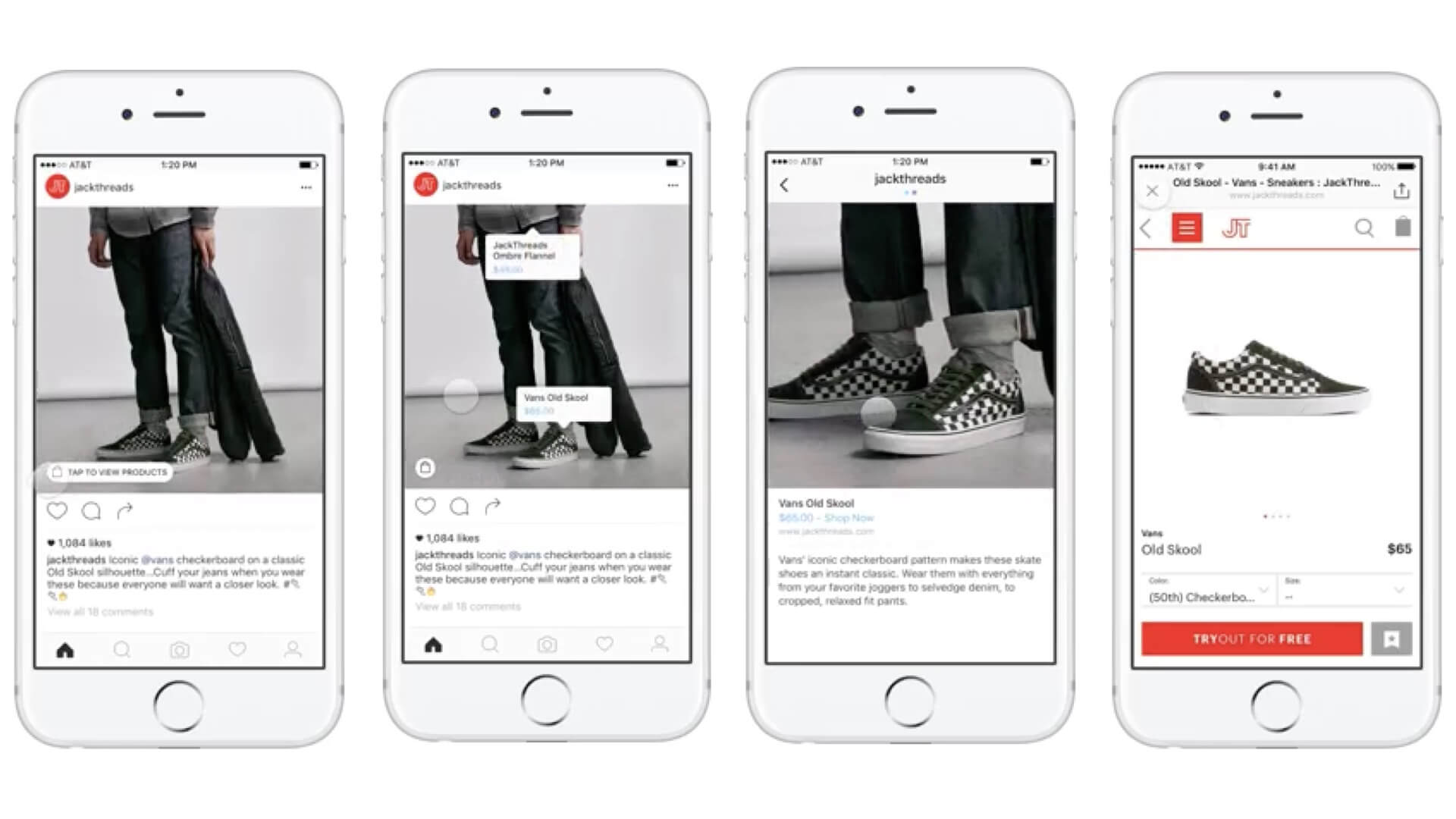
Instagram transformed itself from a photo sharing app into a shopping destination. The introduction of shopping tags in 2018 seemed minor at first. Users could tap on a product in a photo and see its price and description. Simple enough. But this feature laid the groundwork for a complete shopping ecosystem.
Today, Instagram offers shops where brands can showcase entire catalogs. Users browse collections, save favorites, and complete purchases without opening another browser tab. The checkout process integrates so smoothly into the browsing experience that buying feels effortless. Stories and Reels now include shopping stickers, turning every piece of content into potential sales opportunities.
Fashion and beauty brands have mastered Instagram commerce. They partner with influencers who style their products in authentic ways that feel like recommendations from friends rather than advertisements. A influencer posts a photo wearing a dress, tags the brand, and within hours hundreds of followers have made the same purchase. The social proof element amplifies sales in ways traditional advertising never could.
TikTok Disrupts Everything
If Instagram refined social shopping, TikTok exploded it into something entirely different. The platform’s algorithm serves content based on interests rather than follower counts, meaning small brands can go viral overnight. A single video showing an innovative product can generate millions of views and thousands of sales within days.
TikTok Shop launched in select markets and immediately changed the game. Live shopping events combine entertainment with commerce in formats reminiscent of television shopping networks but far more interactive. Creators demonstrate products in real time while viewers purchase them with a few taps. Comments fly past as people ask questions, share reactions, and encourage each other to buy.
The platform has become particularly powerful for emerging brands and niche products. Someone creates a video about an obscure cleaning tool, and suddenly that tool is sold out everywhere. The “TikTok made me buy it” phenomenon reflects how effectively the platform drives purchasing behavior through authentic seeming content and social validation.
Facebook and Pinterest Find Their Niches
Facebook might not attract the youngest demographics anymore, but it dominates social commerce for specific categories. Facebook Marketplace has become essential for local buying and selling, competing directly with Craigslist and traditional classified ads. The integration of shops into business pages allows companies to maintain their social presence while facilitating transactions.
Facebook groups have evolved into thriving commerce communities. Enthusiast groups for hobbies, parenting, home renovation, and countless other interests include members actively buying and selling related products. The trust built within these communities translates into higher conversion rates than cold advertising ever achieves.
Pinterest operates differently than other social platforms but has carved out a powerful position in social commerce. Users come to Pinterest with purchase intent already formed. They are planning weddings, redecorating homes, or seeking fashion inspiration. Product pins that link directly to purchases capture this intent at exactly the right moment. The platform’s visual search features let users photograph items they like in the real world and find similar products to buy online.
The Technology Behind Seamless Shopping
Creating frictionless shopping experiences requires sophisticated technology working invisibly in the background. Artificial intelligence powers product recommendations, showing users items that match their preferences based on browsing history and behavior patterns. These algorithms grow smarter with every interaction, learning what products appeal to different customer segments.
Augmented reality features let shoppers visualize products before purchasing. Users can see how furniture looks in their living rooms, try on makeup virtually, or preview how clothes might fit. These technologies reduce uncertainty and return rates while increasing customer confidence in online purchases.
Payment processing has evolved to enable one click checkouts within social apps. Users save payment information once, then purchase products across multiple brands without re-entering card details. Biometric authentication through fingerprints or face recognition adds security without adding steps. The easier brands make purchasing, the more customers convert.
Influencers Become Sales Channels
The influencer marketing industry has matured alongside social commerce. What began as brands sending free products to popular accounts has evolved into sophisticated partnerships with clear performance metrics. Influencers are not just creating awareness anymore. They are driving direct sales through affiliate links and branded content.
Micro influencers with smaller but highly engaged followings often generate better returns than celebrities with millions of followers. A skincare enthusiast with 50,000 followers who genuinely loves a product will drive more sales than a celebrity who posts one sponsored photo to millions of disengaged followers. Authenticity matters more than reach in social commerce.
Live shopping with influencers has exploded in popularity, particularly in Asian markets where the format originated. Hosts demonstrate products, answer questions in real time, and offer limited time discounts that create urgency. These events combine entertainment, education, and shopping into experiences that feel more like interactive television than advertisements.
Challenges Brands Must Navigate
Social commerce creates tremendous opportunities but also presents significant challenges. The platforms control the infrastructure, algorithms, and user data. Brands build presence on rented land, vulnerable to algorithm changes that can dramatically reduce their organic reach overnight. Maintaining direct relationships with customers becomes harder when transactions happen entirely within third party apps.
Customer service expectations have intensified as shopping becomes more immediate. Someone who purchases a product through an Instagram post expects the same instant gratification for support questions. Brands must monitor multiple platforms constantly and respond quickly to comments and messages. The always on nature of social media means customer service never sleeps.
Competition for attention has never been fiercer. Every brand competes not just against direct competitors but against every other piece of content in users’ feeds. Creating content that engages audiences while also driving sales requires careful balance. Too sales focused and people scroll past. Too entertaining without clear product focus and conversions suffer.
The Future Takes Shape
Social commerce will continue evolving in ways we are only beginning to imagine. Virtual and augmented reality will create immersive shopping experiences that blur lines between physical and digital retail even further. Imagine walking through a virtual store with friends who live across the world, trying on clothes as avatars, and having purchases delivered to your door the next day.
Artificial intelligence will personalize shopping experiences to unprecedented degrees. Platforms will anticipate what users want before they know themselves, surfacing products at exactly the right moments. The technology might recommend a raincoat just as weather forecasts predict rain in your area, or suggest running shoes when your fitness tracker indicates your old ones have logged too many miles.
Social commerce will expand beyond current platforms as new networks emerge and existing ones evolve. The core concept of integrating shopping into social experiences will persist regardless of which specific apps dominate. Young consumers who have grown up purchasing through social media will expect this functionality everywhere they spend time online.
What This Means for Traditional Retail
Physical retail is not dying, but it is transforming. Stores increasingly serve as showrooms and experience centers rather than primarily transactional spaces. Customers browse products in person, then purchase through social media for home delivery. Or they discover products on social platforms and visit stores to experience them physically before buying.
Smart retailers integrate their physical and social presence into cohesive strategies. They create Instagram worthy store displays knowing customers will photograph and share them. They train staff to understand that in store interactions often lead to social media purchases rather than immediate transactions. The lines between channels have blurred beyond recognition.
Traditional e-commerce sites face pressure from social commerce but retain advantages in certain areas. Dedicated shopping sites offer deeper product information, easier comparison shopping, and more comprehensive selection. The challenge lies in driving traffic as more product discovery happens on social platforms. Many brands use social media primarily for awareness and discovery, then direct customers to their own sites for purchases.
Getting Started with Social Commerce
Brands new to social commerce should start with clear goals and realistic expectations. Success requires consistent effort over time rather than quick wins. Begin by optimizing existing social profiles for shopping. Add product catalogs, enable shopping features, and ensure product information is complete and accurate.
Content strategy matters enormously in social commerce. Products need context and storytelling to stand out. Show items being used in real situations rather than just product photos on white backgrounds. User generated content, customer reviews, and authentic testimonials build trust far more effectively than polished advertising.
Testing and learning should guide the process. Try different content formats, posting times, and product categories to see what resonates with your specific audience. Social platforms provide detailed analytics about what works and what does not. Pay attention to these insights and adjust strategies accordingly. What succeeds for one brand might fail for another based on audience preferences and product categories.
The Human Element Remains Essential
Despite all the technology and automation, social commerce succeeds because of human connections. People trust recommendations from other people more than brand messages. They want to see real customers using products and hear honest opinions about performance. The social aspect of social commerce is not just about platforms but about relationships between people.
Brands that treat social commerce purely as another sales channel miss the point. The most successful approaches prioritize community building and authentic engagement. Responding to comments, sharing customer stories, and creating content that entertains or educates first and sells second builds loyal audiences that convert at higher rates.
The future of shopping is social, visual, and immediate. Products will continue finding customers through their social feeds rather than customers searching for products. The boundaries between content, community, and commerce will keep dissolving. Brands that embrace this reality and adapt their strategies accordingly will thrive. Those clinging to old models will struggle as consumer behavior continues shifting toward integrated social shopping experiences.














Wonderful, what a webpage it is! This blog
provides useful facts to us, keep it up.