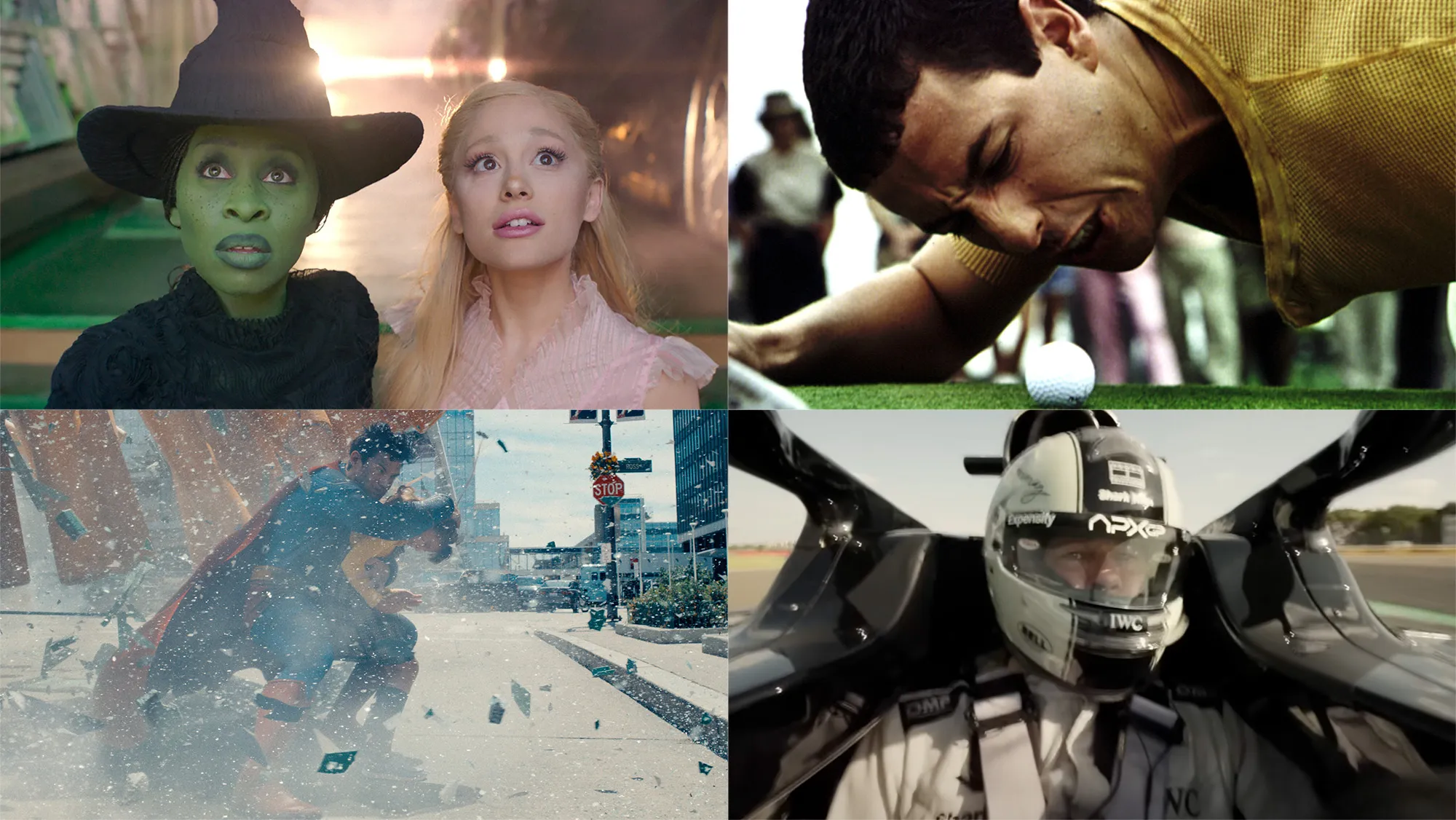
Grab your popcorn because 2025 just delivered the most chaotic, unpredictable, absolutely bonkers year in entertainment history. While some stars ascended to stratospheric heights and studios printed money like nobody’s business, others crashed and burned so spectacularly that accountants are still weeping into their spreadsheets. Sydney Sweeney went from earning $65,000 per film to commanding $7.5 million and becoming Hollywood’s undisputed It Girl. Glen Powell cemented his status as America’s new movie star crush with a smile that could launch a thousand rom-coms. Wicked For Good obliterated every Broadway adaptation record with a $226 million opening weekend that left executives dancing in their offices. But for every triumph, there were disasters. Better Man, a $110 million Robbie Williams biopic where the singer is portrayed as a CGI monkey, became the year’s most bewildering flop. Mission Impossible’s latest installment couldn’t impossible its way to profitability despite Tom Cruise’s death-defying stunts. The Weeknd discovered that music stardom doesn’t automatically translate to film success when Hurry Up Tomorrow earned just $7.6 million against a $15 million budget. Warner Bros dominated while Disney struggled. Horror thrived while animated films stumbled. The theatrical experience fought back against streaming dominance. And through it all, audiences proved once again that they’re impossible to predict, willing to show up for rom-coms everyone declared dead while ignoring sure-thing franchises. Ready to dive into every glorious triumph and catastrophic failure that defined 2025’s entertainment landscape? Let’s break down who won big, who lost everything, and what it all means for Hollywood’s future!
Sydney Sweeney: From Underpaid To Unstoppable

Credits: THR
Let’s start with the year’s most dominant force. Sydney Sweeney didn’t just win 2025. She conquered it, claimed it, and made it bow before her. The Euphoria star transformed from a working actress earning modest paychecks into one of Hollywood’s highest-paid and most bankable stars in a single year.
The numbers tell an insane story. For Anyone But You, the romantic comedy that became 2023’s surprise hit and continued its theatrical run into early 2024, Sweeney earned $65,000 as an actor. That’s shockingly low for someone who’d already earned Emmy nominations. But she also served as executive producer through her Fifty-Fifty Films production company, earning an additional $250,000 in that capacity.
The film’s success changed everything. Anyone But You, which paired Sweeney with Glen Powell in a Shakespeare-inspired rom-com, opened modestly but became a word-of-mouth phenomenon. It crawled its way to over $220 million worldwide, proving that romantic comedies weren’t dead, just waiting for the right stars and story.
That success translated directly into massive pay increases. For Immaculate, the horror film she also produced, Sweeney’s acting fee jumped to $250,000. For Madame Web, Sony’s ill-fated Spider-Man spinoff, she commanded $750,000. And for her role in The Housemaid, the Paul Feig-directed thriller, her salary skyrocketed to an absolutely staggering $7.5 million.
Let that sink in. Sydney Sweeney went from $65,000 to $7.5 million in less than two years. That’s not just a raise. That’s a complete transformation of her market value and negotiating power. She’s now in the same salary tier as established A-listers, and she got there through a combination of smart project selection, savvy producing, and undeniable star power.
Beyond the money, Sweeney demonstrated range that few young actors possess. She anchored a romantic comedy, terrified audiences in a nun horror film, attempted superhero work in Madame Web, and delivered what critics called a powerhouse performance in The Housemaid. Whether the individual projects succeeded or failed commercially, Sweeney emerged unscathed, with her reputation only growing stronger.
Her producing ambitions set her apart from typical actors. Through Fifty-Fifty Films, she’s not just starring in projects but developing them, controlling creative direction, and building a behind-the-scenes empire that ensures longevity beyond just her on-screen appeal. That business acumen combined with talent makes her a force who’ll dominate Hollywood for decades.
The cultural conversation around Sweeney reached fever pitch in 2025. Fashion magazines featured her constantly. Social media obsessed over every appearance. Her Saturday Night Live hosting gig earned strong ratings. She became someone who could sell magazines, drive clicks, and most importantly, get audiences into theater seats.
For anyone doubting whether traditional movie stars still exist in the streaming era, Sydney Sweeney is the definitive answer. She’s proof that the right person with the right projects at the right time can still become a genuine cultural phenomenon who transcends individual roles to become an event unto themselves.
Share this with your friend who said movie stars were dead!
Glen Powell: America’s New Crush
Credits: THR
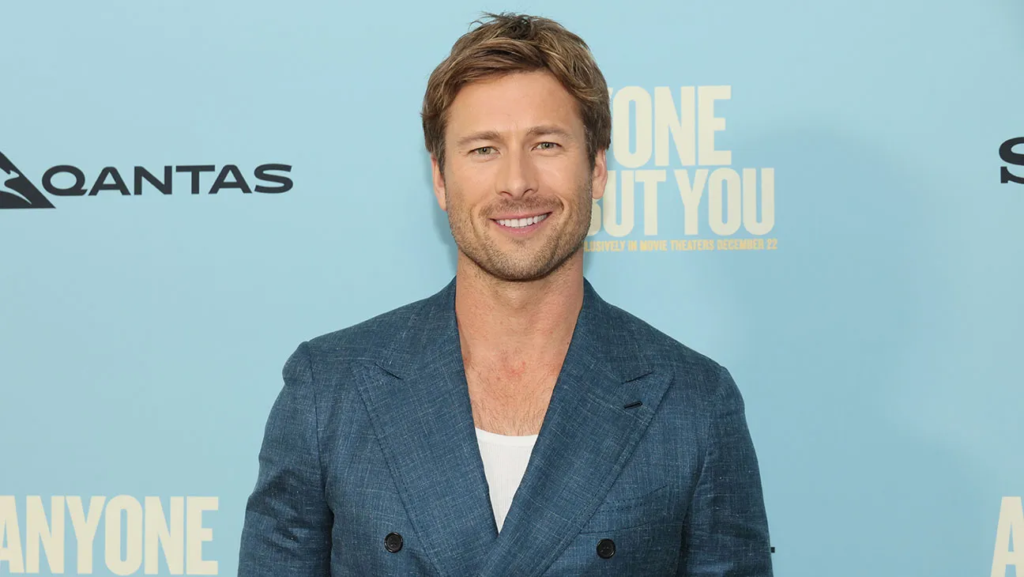
If Sydney Sweeney owned 2025, Glen Powell matched her stride for stride as Hollywood’s other breakout megastar. The Texas native who’d been working steadily for years suddenly exploded into the stratosphere as America’s new leading man crush.
His trajectory mirrors classic movie star ascensions. Powell appeared in Top Gun: Maverick in 2022, playing antagonist Hangman with cocky charisma that made him a standout in an ensemble cast. That film’s $1.5 billion worldwide gross raised his profile enormously. But it was Anyone But You, his rom-com pairing with Sydney Sweeney, that proved Powell could carry a film as a romantic lead.
The chemistry between Powell and Sweeney became the stuff of marketing legend. Their promotional tour sparked relationship rumors that both playfully addressed while maintaining they were just friends and co-workers. Whether real or strategic, the buzz drove audiences to theaters eager to see the palpable attraction translated on screen.
Powell’s appeal is old-school movie star magnetism updated for modern sensibilities. He’s got the looks, the smile, the charm, and most importantly, the self-awareness to poke fun at his own heartthrob status. In interviews, he comes across as genuinely nice, humble about his success, and grateful for opportunities rather than entitled to them.
His role in Twisters, the standalone sequel to the 1996 disaster film, solidified his action credentials. Playing a YouTube tornado chaser opposite Daisy Edgar-Jones’s meteorologist, Powell brought “pure charisma” according to critics. The film earned over $300 million globally, proving Powell could open different genres beyond just rom-coms.
Hit Man, the Richard Linklater film Powell co-wrote and produced, showcased his creative ambitions beyond just acting. Though it went to Netflix rather than theaters, the film earned Powell a Golden Globe nomination for Best Actor in a Motion Picture – Musical or Comedy. That recognition from the Hollywood Foreign Press Association validated his work as a serious performer, not just a pretty face.
What makes Powell’s rise especially noteworthy is that he’s reviving the romantic leading man archetype that seemed extinct. In an era of superhero franchises and IP-driven content, the idea of a movie star whose personality and charm could sell original stories felt outdated. Powell proves that audiences still crave that connection with charismatic performers who feel accessible yet aspirational.
His upcoming slate includes The Running Man, keeping him in the action space, plus undoubtedly more romantic comedies given Anyone But You’s success. Studios are scrambling to pair him with various actresses, hoping to recreate that Anyone But You magic.
For Powell personally, the success means creative control and choice. He can be selective about projects, command higher salaries, and use his leverage to get films made that might not happen otherwise. That’s the power of genuine movie stardom in 2025.
Wicked For Good: Musical Magic Strikes Again
Credits: THR
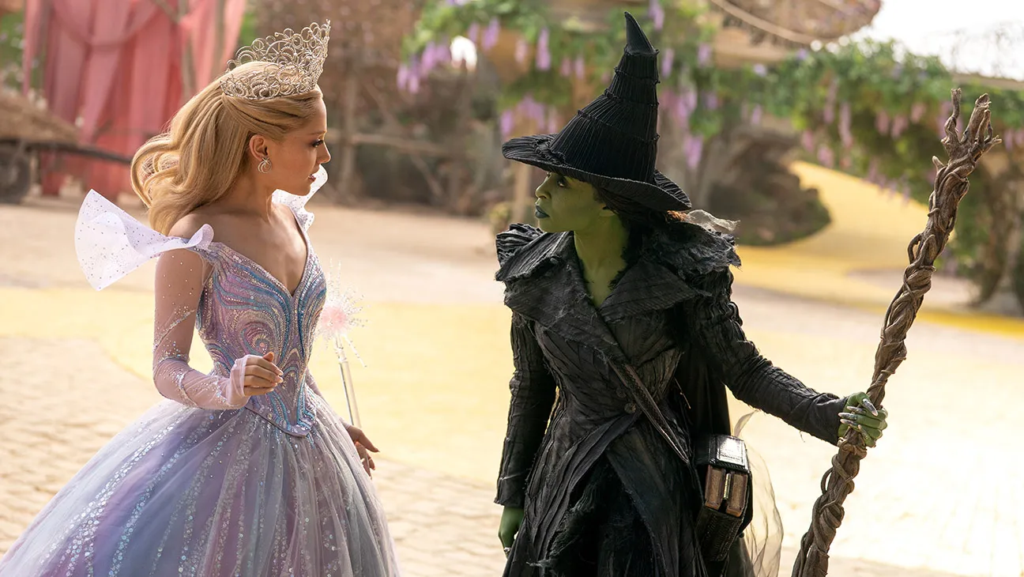
If anyone doubted whether audiences would show up for the second half of a Broadway musical adaptation, Wicked: For Good emphatically answered that question. The sequel to 2024’s Wicked didn’t just meet expectations. It shattered them with a $226 million worldwide opening weekend that made history.
The film earned $150 million domestically in its opening three days, setting a new record for Broadway musical adaptations. That figure surpassed Disney’s 2019 The Lion King and the 2017 Beauty and the Beast remake, both of which seemed untouchable. The $76 million international haul added up to the 18th highest-grossing film of 2025 after just three days in theaters.
What makes this achievement even more impressive is that it’s a sequel, and conventional wisdom suggests second parts of musicals face steeper audience attrition. The first Wicked opened to $111 million domestically, meaning For Good increased the opening by $39 million. That’s virtually unheard of for part two of anything that isn’t a superhero franchise.
Credit belongs to multiple factors. Ariana Grande and Cynthia Erivo’s powerhouse performances created genuine chemistry and emotional investment that transcended typical musical film fare. Director Jon M. Chu’s vision respected the source material while expanding it cinematically. The songs, already beloved from the stage production, translated beautifully to screen.
But perhaps most importantly, Universal Pictures marketed the hell out of this film. The campaign started months before release, building anticipation through strategic trailer drops, cast interviews, fashion tie-ins, and social media engagement. Grande’s massive fanbase became activated promotional armies, creating organic buzz that money can’t buy.
The film also benefited from being a genuine theatrical experience. The spectacle, the songs, the emotional catharsis all play better on big screens with audiences experiencing it collectively. In an era where so much content streams directly to homes, Wicked: For Good reminded everyone why theaters still matter for certain types of stories.
The success has implications beyond just this franchise. It validates big-budget musical adaptations as viable commercial propositions, which will greenlight more stage-to-screen projects. It proves that careful casting and respecting source material pays dividends. And it demonstrates that audiences will show up for quality content regardless of genre if you give them something worth experiencing.
For Universal, Wicked: For Good represents the kind of win that makes entire years profitable. The investment in both films was substantial, but the returns have been astronomical. The studio can now leverage this IP into theme park attractions, merchandise, and potential spin-offs or prequels.
Don’t miss out on being part of the cultural phenomenon that saved musicals!
Warner Bros: Studio Supremacy

Credits: Collider
While individual films and stars grabbed headlines, the year’s biggest winner might be Warner Bros. The studio achieved a level of box office dominance in 2025 that rivals Disney’s peak years, and they did it through smart strategy, diverse content, and not over-relying on any single franchise.
The summer box office, traditionally dominated by one or two studios, saw Warner Bros plant flags everywhere. They released a mix of superhero content, horror films, original stories, and sequels that collectively outperformed every competitor. Even when individual films underperformed, the overall portfolio delivered massive profits.
This diversity proved crucial. Disney struggled when several of their tentpoles disappointed. Lionsgate had a disastrous year with multiple flops. But Warner Bros spread their bets across genres and budgets, ensuring that inevitable misses didn’t sink the entire year.
Their horror slate particularly impressed. Budgets remained reasonable while returns multiplied several times over. 28 Years Later, the long-awaited sequel to 28 Days Later and 28 Weeks Later, earned $150 million against a $60 million budget. Together, a different horror offering, made $28.2 million on just $17 million invested. These aren’t blockbuster numbers, but the profit margins are exceptional.
Warner Bros also navigated the streaming vs. theatrical debate more successfully than competitors. They committed to theatrical windows for major releases while strategically funneling other content directly to Max. This balanced approach maximized revenue streams without cannibalizing theatrical business or devaluing the streaming platform.
The studio’s relationship with major filmmakers remained strong. Directors trust Warner Bros to support their visions and properly market their films. That reputation helps attract talent that could work anywhere, giving Warner Bros first crack at prestige projects that enhance the brand beyond just commercial success.
Looking ahead, Warner Bros enters 2026 with momentum, a robust slate, and the confidence that comes from dominating a calendar year. Other studios will study their 2025 playbook, trying to replicate the balance and diversity that made them untouchable.
Horror Wins Again: The Genre That Never Dies
Credits: THR
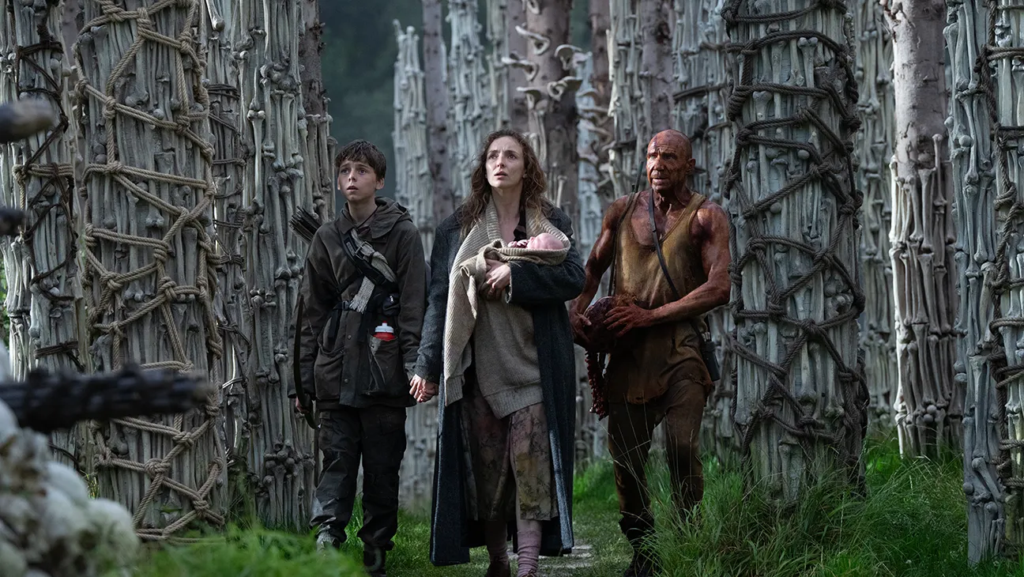
For the third consecutive year, horror films proved they’re the most reliable box office bet in Hollywood. Modest budgets, passionate audiences, and the theatrical experience horror demands created perfect conditions for consistent profitability.
The numbers speak for themselves. 28 Years Later spent $60 million and earned $150 million. Together cost $17 million and made $28.2 million. Even smaller horror releases turned profits that made studios salivate over return-on-investment percentages that tentpoles can’t match.
What makes horror especially valuable is its relative immunity to star power requirements. Most horror films succeed based on concept, execution, and marketing rather than needing A-list actors who command eight-figure salaries. This keeps budgets manageable while allowing creativity to flourish.
The genre also benefits from devoted fans who show up opening weekend regardless of reviews. Horror audiences are tribal, passionate, and eager to experience scares collectively in theaters where reactions amplify the experience. That front-loaded performance provides immediate returns and strong word-of-mouth potential if the film delivers.
Sydney Sweeney’s Immaculate demonstrated how horror can launch or maintain star careers. The film cost relatively little, earned respectable returns, and added another dimension to Sweeney’s versatility. Horror has historically been kind to actors willing to embrace the genre, from Jamie Lee Curtis to Lupita Nyong’o.
The elevated horror trend continued in 2025, with filmmakers using genre frameworks to explore social issues, trauma, and contemporary anxieties. These aren’t just jump-scare machines. They’re sophisticated films that happen to operate within horror conventions, appealing to critics and casual audiences alike.
For studios trying to rebuild theatrical business post-pandemic, horror represents a relatively safe bet. Not every horror film succeeds, but the ones that do can return multiple times their investment. And even the ones that don’t usually avoid catastrophic losses that plague big-budget flops.
Share this with your horror-obsessed friend who never misses an opening weekend!
Better Man: The Year’s Most Baffling Disaster
Credits: THR
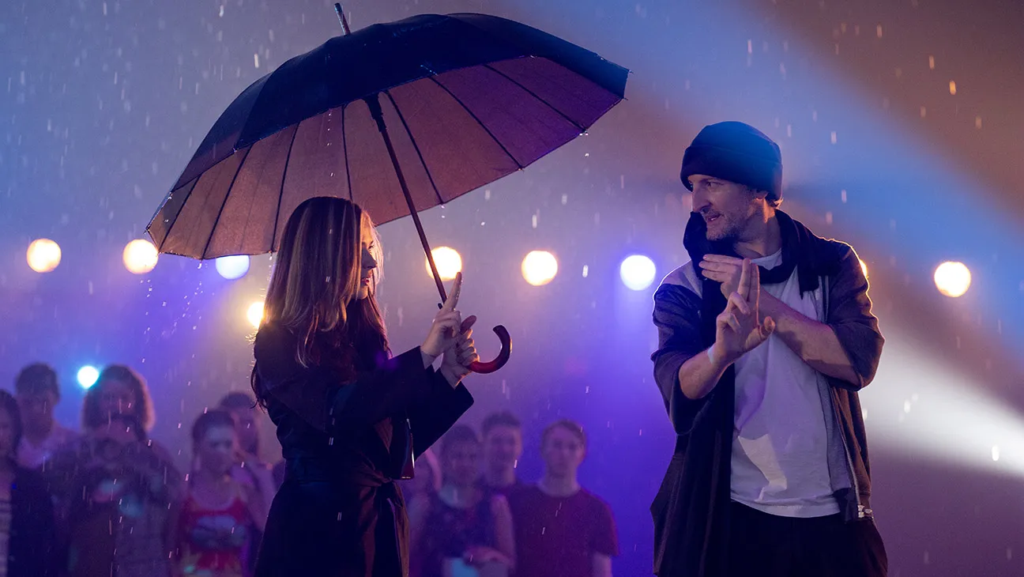
Every year needs a cautionary tale, and 2025’s was Better Man, a $110 million Robbie Williams biopic that somehow thought portraying the British pop star as a CGI monkey was a winning creative choice. Spoiler: it absolutely was not.
The film’s failure represents multiple fundamental misunderstandings of the theatrical marketplace. First, Robbie Williams, while a massive star in the UK and parts of Europe, never achieved equivalent success in America. American audiences largely don’t know who he is, making a biopic an extremely tough sell without the nostalgia factor that drives music biopics.
Second, the CGI monkey conceit, meant to be artistic and metaphorical, came across as bizarre and off-putting. Motion capture by Jonno Davies brought Williams’s movements to life, but audiences apparently had zero interest in watching a monkey-faced singer navigate the music industry. What seemed clever in development meetings looked ridiculous in execution.
Third, the $110 million budget was insane for what should have been a modestly budgeted character piece. For comparison, Bohemian Rhapsody, which earned nearly $1 billion worldwide, cost around $50 million. Better Man spent more than double that and earned a fraction of the returns.
The box office performance was catastrophic. Even in the UK, where Williams is beloved, the film managed only modest returns. American audiences stayed far away, confused by both the subject and the creative choices. International markets outside Williams’s core territories showed no interest whatsoever.
Better Man joins the pantheon of misguided music biopics that fundamentally misunderstood their subjects or audiences. It’s a reminder that star power from one medium doesn’t automatically translate to another, that creative choices need to serve the story rather than being interesting for their own sake, and that budgets need to match realistic commercial potential.
For Paramount, which distributed the film, it was a painful reminder that not every music biopic is Bohemian Rhapsody or Rocketman. The market for these films is finite, and making one about a star Americans don’t know with an offputting visual gimmick was always going to end badly.
Mission Impossible Falls Short: Even Tom Cruise Can’t Save Everything
Credits: Future of the force
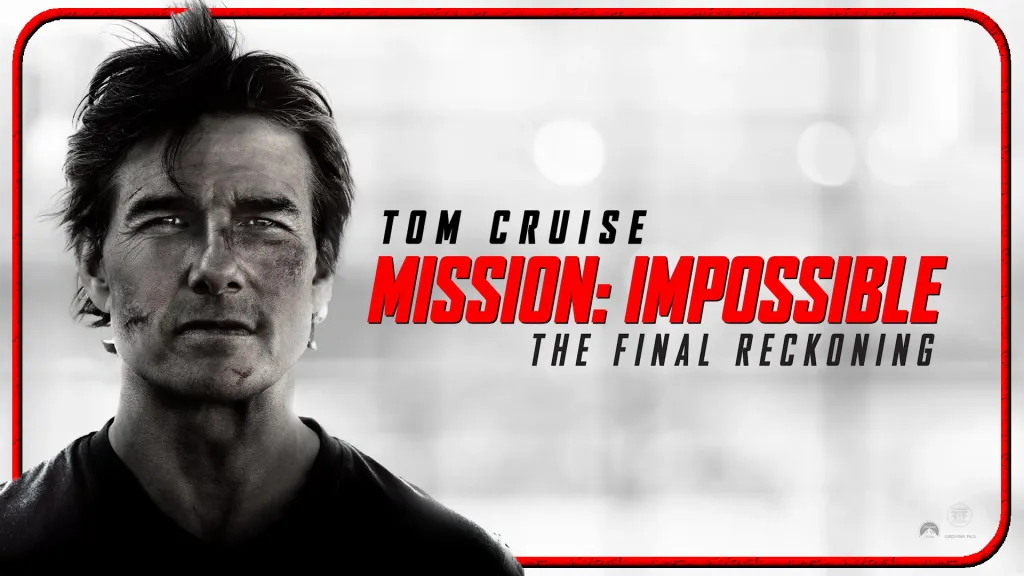
Tom Cruise has been Hollywood’s most reliable box office draw for decades, willing to risk his life performing death-defying stunts that generate publicity and put butts in seats. But 2025’s Mission: Impossible installment proved even Cruise has limits on what audiences will show up for.
The film, whose exact title varied depending on source, represented the culmination of a multi-part story arc that began with previous installments. Budgets ballooned to accommodate Cruise’s increasingly elaborate practical stunts, including reportedly the most dangerous motorcycle jump ever attempted for a film.
But audiences, fatigued from endless sequels and skeptical about yet another Mission: Impossible movie, didn’t show up in numbers that justified the massive investment. The film opened respectably but dropped sharply in subsequent weeks, failing to achieve the longevity that turns decent openings into blockbuster totals.
Several factors contributed to the disappointment. First, the Mission: Impossible franchise, while beloved, has released films with diminishing returns domestically even as international numbers remained strong. The formula, no matter how well-executed, was feeling stale.
Second, Cruise’s age became a storyline. At 63, performing stunts that would challenge performers half his age, the narrative shifted from “wow, look what he’s doing” to “is this necessary?” The spectacle that once amazed started feeling like ego-driven excess.
Third, the competition was fiercer than previous installments faced. Other action franchises, superhero films, and original content all vied for the same audiences. Mission: Impossible no longer had the clear space it once commanded in the marketplace.
Fourth, and perhaps most damaging, was the budget. Reports suggested costs exceeded $300 million when accounting for production, marketing, and COVID-related delays from earlier filming. At those numbers, even a $500-600 million worldwide gross represents a loss or minimal profit rather than the blockbuster windfall studios need.
For Paramount, the studio behind Mission: Impossible, the underperformance forced difficult conversations about the franchise’s future. Cruise has expressed interest in continuing, but studios need to see path to profitability that justifies continued investment.
The film wasn’t terrible. Critics gave mixed-to-positive reviews. Audiences who saw it generally enjoyed the experience. But in 2025’s crowded marketplace, enjoyable wasn’t enough to overcome franchise fatigue and budgetary excess.
The Weeknd’s Hollywood Disaster
Credits: THR
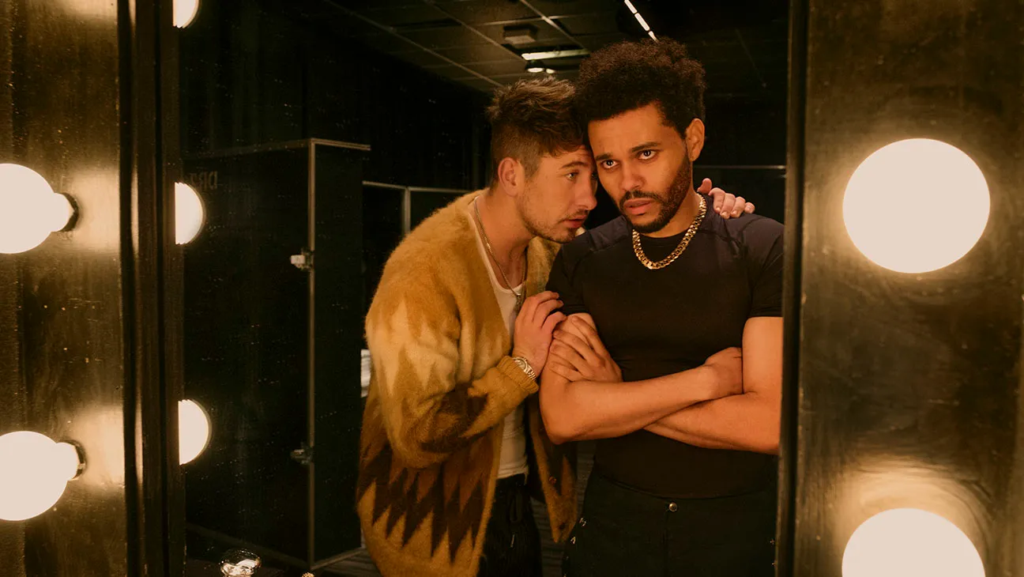
Musicians transitioning to film is always risky. For every successful crossover, there are dozens of failures that prove musical talent doesn’t automatically translate to screen charisma or acting ability. The Weeknd learned this painful lesson with Hurry Up Tomorrow, a $15 million film that earned just $7.6 million worldwide.
Critics panned the film for lacking substance and failing to give The Weeknd, whose real name is Abel Tesfaye, material worthy of his considerable artistic talents. The plot, whatever it was, failed to engage audiences who love his music but had no interest in his film persona.
The $15 million budget, while modest by blockbuster standards, was still significant for what essentially amounted to a vanity project. The Weeknd’s involvement attracted initial attention, but negative reviews and word-of-mouth killed any momentum before it could build.
What makes Hurry Up Tomorrow especially notable is how quickly it disappeared. Some flops at least generate conversation through their badness. This film just… vanished, forgotten almost immediately upon release. That’s perhaps the worst fate for any movie: not even being memorable in failure.
For The Weeknd, the failure likely won’t damage his music career significantly. Fans will forget or forgive this misstep as long as his albums continue delivering. But it does close doors for future film opportunities unless he takes acting seriously, studies the craft, and chooses projects that play to actual strengths rather than assumed talents.
The film joins other musician-turned-actor disasters like Madonna’s Swept Away or Mariah Carey’s Glitter. The lesson remains consistent: respect the craft of acting, choose projects wisely, and understand that different art forms require different skills even if both involve performance and charisma.
Don’t miss out on learning why stars from one industry can’t always conquer another!
Kiss Of The Spider Woman: When Stars Aren’t Enough
Credits: THR
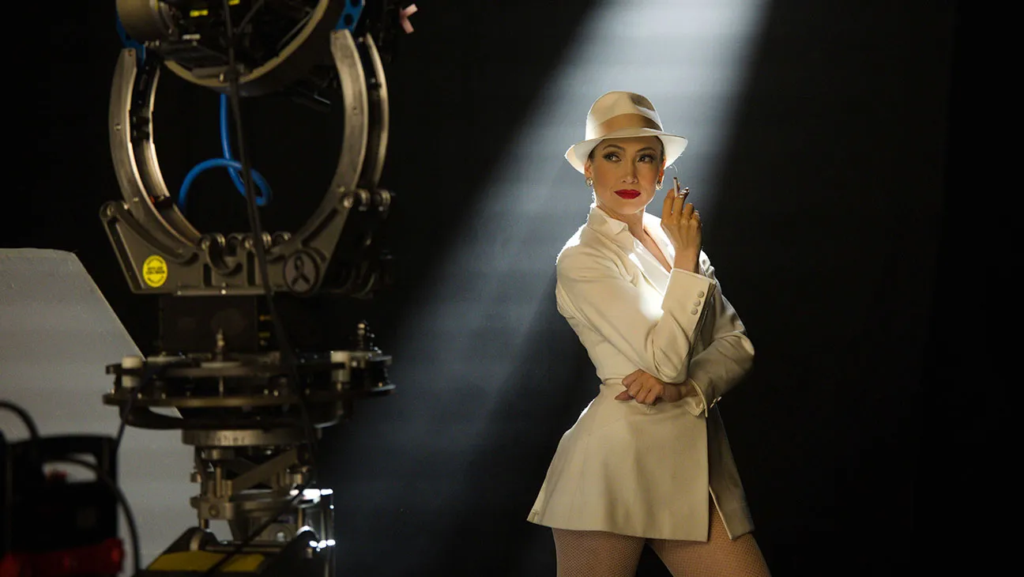
Hollywood loves to believe that casting famous names guarantees box office returns. Kiss of the Spider Woman, featuring Diego Luna and Jennifer Lopez in a $30 million musical adaptation, proved that theory catastrophically wrong with a domestic take of just $1.62 million.
That number deserves repeating: $1.62 million domestic on a $30 million budget. That’s not just a flop. That’s one of the worst box office performances relative to budget and star power in recent memory. The film played in limited release, but even accounting for that, the per-screen averages were abysmal.
The musical genre provided razzle-dazzle and large-scale dance sequences, but audiences showed zero interest in this particular story despite the pedigree of everyone involved. Lopez, while a massive star, hasn’t opened a film to substantial numbers in years. Luna’s prestige and talent didn’t translate to box office draw for this project.
The failure speaks to larger issues about how Hollywood evaluates projects. Someone looked at this package and thought it justified $30 million. Someone believed Luna and Lopez in a musical adaptation would find audiences. Someone was catastrophically wrong on every level.
For distributors, Kiss of the Spider Woman represents the worst-case scenario: a film that generates no interest, terrible word-of-mouth, and immediate exit from theaters. The losses were swift and total, with no revenue streams offering salvation.
The film’s failure also continued Hollywood’s troubled relationship with live-action musicals. For every Greatest Showman or Wicked success, there are multiple disasters that make studios gun-shy about green lighting similar projects. Kiss of the Spider Woman will be cited in pitch meetings for years as an example of what not to do.
The Alto Knights: Robert De Niro Can’t Save Bad Material
Credits: Empire Magazine
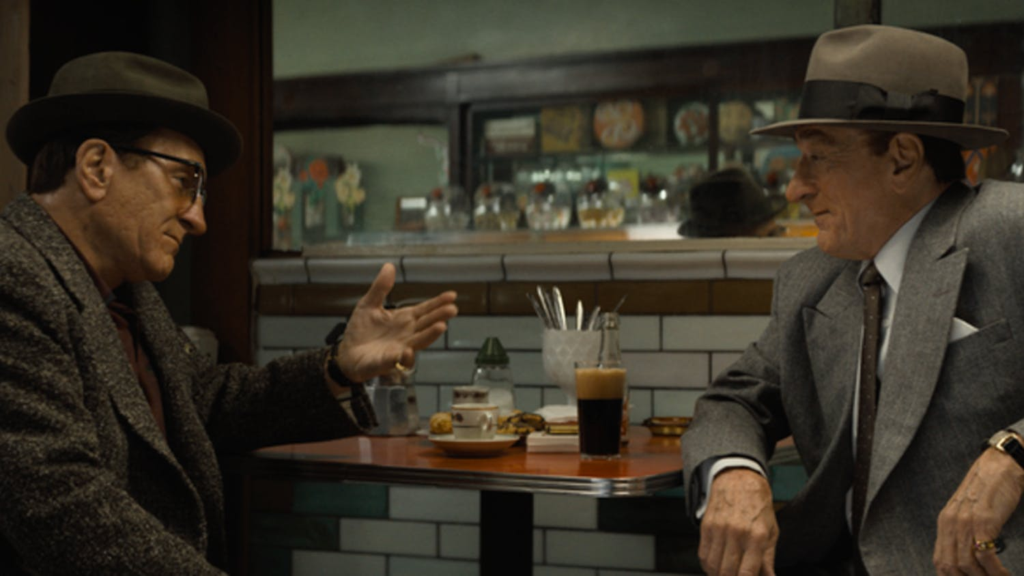
Robert De Niro is a legend whose filmography includes some of cinema’s greatest performances. But even legends can’t overcome fundamentally flawed projects, as The Alto Knights proved with brutal efficiency.
The $45 million gangster film earned just $9.5 million worldwide, representing a catastrophic loss that likely killed potential franchise plans. Poor reviews and terrible word-of-mouth ensured quick exit from theaters before anyone could mount a rescue.
What went wrong? Reports suggested the film felt dated, recycling gangster movie tropes without bringing fresh perspective or energy. De Niro, while still capable of excellence, appeared to be sleepwalking through a role he’s essentially played dozens of times. Audiences weren’t interested in yet another mob movie unless it offered something new.
The failure also highlighted the challenge aging stars face. De Niro’s name once guaranteed opening weekend crowds, but his box office draw has diminished significantly over the past decade. Younger audiences don’t have the nostalgic connection to his classic films, and older audiences have become selective about which De Niro projects merit theater trips.
The $45 million budget, moderate by blockbuster standards, was still far too high for the film’s commercial potential. A $15-20 million budget might have allowed for modest profitability, but at $45 million, the film needed to earn at least $120-130 million worldwide just to break even. That was never going to happen.
For Lionsgate, which had a particularly rough 2025, The Alto Knights represented another painful loss in a year full of them. The studio, once a scrappy independent success story, faced existential questions about its theatrical strategy and project selection process.
Lionsgate’s Terrible Year: When Everything Goes Wrong
Speaking of Lionsgate, the studio deserves special recognition as one of 2025’s biggest losers. Multiple high-profile flops, missed opportunities, and strategic missteps combined to make it one of the worst years in the company’s history.
Beyond The Alto Knights, Lionsgate released several other underperformers that collectively drained resources and damaged the brand. The studio that once thrived on low-budget horror hits and prestige dramas found itself chasing blockbuster success without the infrastructure or expertise to compete with major studios.
The failure to establish new franchises proved especially painful. Lionsgate built its modern success on The Hunger Games and John Wick series, but both have ended or reached natural conclusions. Attempts to launch new IP largely flopped, leaving the studio without reliable tentpoles to build release schedules around.
Financial pressures mounted as losses accumulated. Reports suggested potential mergers or acquisitions as the studio’s independence became increasingly untenable. In Hollywood’s current landscape, mid-sized studios struggle to compete with tech giants and legacy players who have vastly deeper pockets.
For Lionsgate employees and filmmakers who’ve partnered with the studio, 2025 was a sobering reminder of how quickly fortunes can reverse in entertainment. A few bad years can undo decades of successful brand-building and creative partnerships.
Animated Films Stumble: Not Every Genre Thrived
While horror dominated and certain live-action films soared, animated features had an inconsistent year that worried executives who’d relied on animation as reliable family entertainment.
Several factors contributed to animation’s struggles. First, audiences demonstrated increased selectivity, showing up for major event films like Wicked but skipping more routine animated offerings. The glut of content meant families had to choose which films merited expensive theatrical trips versus waiting for streaming.
Second, Disney and Pixar, once untouchable brands in animation, delivered disappointing returns on multiple releases. The magic formula that made every Disney/Pixar film a guaranteed hit no longer worked automatically. Audiences expected more than just technical excellence and brand recognition.
Third, international competition, particularly from Chinese animated films like Ne Zha 2 which earned nearly $2 billion worldwide, demonstrated that Hollywood no longer monopolizes the animated space. Global audiences have more options, reducing Hollywood’s market share.
The struggles don’t mean animation is dead or dying. Zootopia 2 performed well. But the era when any major studio animated release could count on $400-500 million worldwide is clearly over. Studios need to earn every dollar through quality, marketing, and giving audiences something they can’t get elsewhere.
For animation studios and creatives, 2025 was a wake-up call that complacency and formula are no longer acceptable. Audiences want innovation, emotion, and storytelling that justifies theatrical prices rather than just competent animated content they could wait to stream.
Share this with your friend who thinks animation is recession-proof!
Star Trek And South Park: TV Winners
While film dominated most of the winner/loser conversation, television had its own standouts. Star Trek’s continued expansion across multiple series on Paramount Plus proved that carefully managed franchises can sustain audience interest across decades and iterations.
The Trek universe benefited from showrunners who respected canon while telling new stories that attracted both longtime fans and new viewers. Strange New Worlds, Lower Decks, Discovery, and other series each served different audience segments while maintaining the core optimistic humanism that defines Trek.
For Paramount Plus, Star Trek became the flagship franchise that justified subscription costs and anchored the entire platform. While the streaming service struggled overall, Trek’s consistent performance provided stability and reason for optimism about future growth.
South Park also had a banner year, demonstrating that smart satire and willingness to offend everyone remains commercially viable. The show’s quick turnaround time allowed it to comment on current events with immediacy that no other series matches, keeping it culturally relevant three decades into its run.
For Comedy Central and Paramount, South Park represents annuity-like value. The show costs relatively little to produce, generates consistent ratings, and maintains devoted fanbase that advertisers pay premium rates to reach. Few shows have sustained commercial and creative vitality as long as South Park.
The Theatrical Experience Fights Back
Perhaps 2025’s biggest winner was an abstract concept: the theatrical experience itself. After years of doom predictions about theaters dying and streaming destroying cinema, theatrical proved it’s not only alive but thriving when given quality content.
The success of Wicked: For Good, Lilo & Stitch, and other major releases demonstrated that audiences will absolutely show up for big-screen experiences they can’t replicate at home. The key is giving them something worth the expense and effort of theatrical attendance.
Theaters themselves adapted by improving experiences. Better sound systems, more comfortable seating, expanded food options, and premium formats like IMAX and Dolby Cinema justified higher ticket prices by delivering noticeably superior experiences to home viewing.
The social aspect of theatrical viewing also proved important. Audiences want to experience major cultural events collectively, laughing and gasping with strangers, feeling part of something bigger than individual consumption. That communal element drives opening weekend attendance in ways streaming can never replicate.
For theater chains, 2025 provided cautious optimism after years of existential dread. The business isn’t back to pre-pandemic levels and likely never will return to that exact model, but it’s stabilized and found sustainable footing that suggests long-term viability.
Studios also recommitted to theatrical windows, understanding that premium content deserves premium platforms. The brief experiment with day-and-date streaming releases largely ended, with studios recognizing that theatrical exclusivity drives demand rather than suppressing it.
What 2025 Taught Hollywood
Looking at the full year’s winners and losers reveals several lessons that will shape entertainment strategies going forward.
First, star power still matters but can’t overcome bad material or wrong projects. Sydney Sweeney and Glen Powell became genuine stars through smart choices and audience connection. Robert De Niro in a generic gangster movie proved star power alone isn’t enough.
Second, genre matters less than execution. Horror, musicals, romantic comedies, action thrillers all succeeded when done well and failed when done poorly. There are no guaranteed genres, only guaranteed quality or lack thereof.
Third, budgets must match realistic commercial potential. Films like Better Man and The Alto Knights spent far more than their concepts could ever recoup. Discipline around budget allocation separates profitable studios from struggling ones.
Fourth, franchises require care and feeding rather than autopilot exploitation. Mission: Impossible proved even Tom Cruise can’t save a tired formula. Star Trek showed how to keep franchises fresh across multiple iterations.
Fifth, audiences are both more sophisticated and more selective than executives often assume. They’ll show up for original stories if marketed properly and executed well. They’ll skip sure-thing franchises if quality isn’t there.
Sixth, the theatrical experience remains valuable and distinct from streaming, but requires appropriate content. Not everything needs theatrical release, and not everything works streaming first. Matching content to platform is crucial.
Seventh, international markets increasingly drive Hollywood decisions, but American success still matters for prestige and certain genres. Films like Wicked: For Good need domestic success to reach their full potential even if international returns are substantial.
Eighth, emerging talent deserves investment and opportunity. Sydney Sweeney and Glen Powell weren’t overnight successes but results of years of work suddenly catching fire. Studios need pipelines for developing next-generation stars.
So there you have it. Every triumph and disaster that defined Hollywood’s chaotic, unpredictable, absolutely fascinating 2025. From Sydney Sweeney’s stratospheric rise to Better Man’s CGI monkey catastrophe, from Wicked: For Good’s record-breaking $226 million opening to Mission: Impossible’s surprising disappointment, from Warner Bros’ studio dominance to Lionsgate’s year from hell, this was 12 months that reminded everyone that entertainment remains gloriously impossible to predict. The theatrical experience fought back against streaming and won. Horror stayed hot while animation stumbled. Star power proved both essential and insufficient depending on the project. And through it all, audiences demonstrated they’ll reward quality and punish laziness regardless of budget or names attached. Who was your biggest winner pick? Which flop shocked you most? What does 2026 hold for the stars and studios who thrived or struggled this year? Drop your takes in the comments and let’s predict what happens next! Tag your movie-obsessed friend who lives for box office analysis. Follow for more entertainment industry deep dives, hot takes, and everything Hollywood that keeps this industry wild and wonderful. Because if 2025 taught us anything, it’s that in entertainment, the only certainty is uncertainty, and that’s exactly what makes it endlessly fascinating. Here’s to the winners who earned their crowns and the losers who’ll hopefully learn and come back stronger. In Hollywood, nobody stays on top or bottom forever. The wheel keeps spinning, and that’s what keeps us all watching!