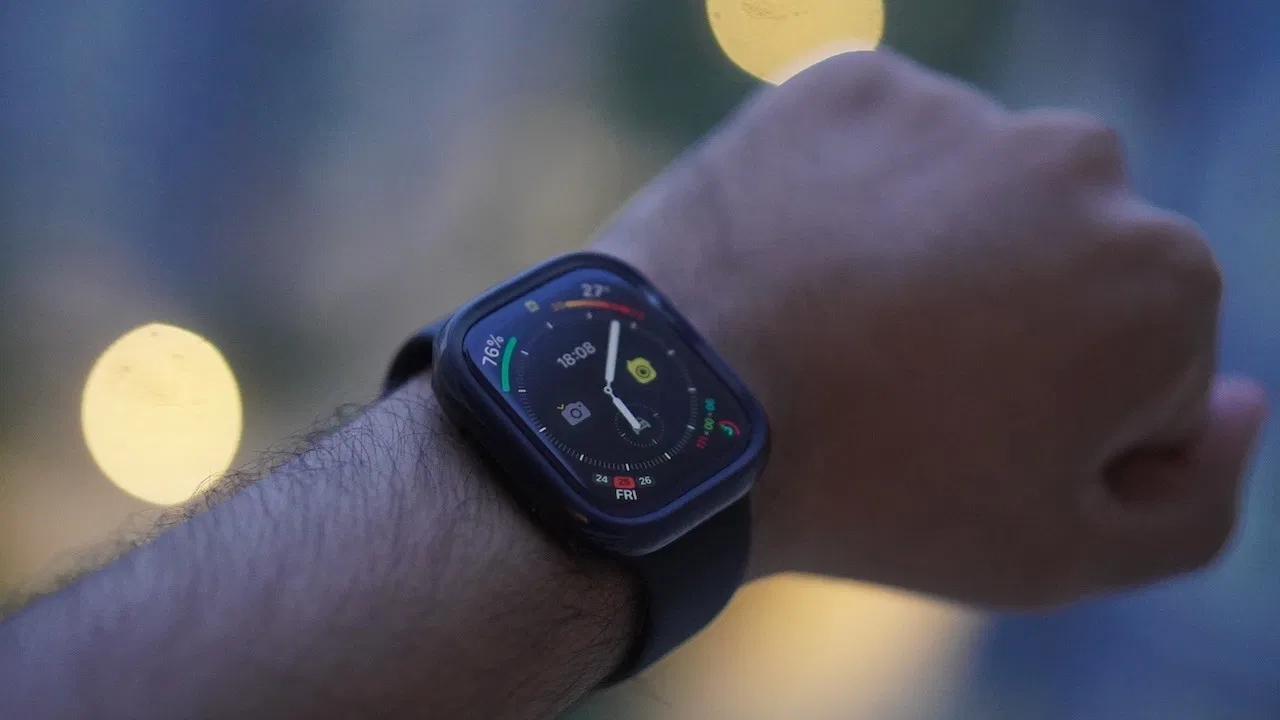
The Silent Guardian on Your Wrist
Picture this. You’re scrolling through social media, sipping your morning coffee, completely unaware that your smartwatch just detected an irregular heartbeat pattern. Three days later, you get an alert. Your device suggests you visit a doctor. You think it’s overreacting. But you go anyway. Turns out, you were hours away from a potential stroke.
This isn’t science fiction anymore. This is happening right now.
Wearable health monitors have evolved from simple step counters to sophisticated medical devices that can predict serious health conditions before they become life threatening. The technology strapped to millions of wrists worldwide is quietly becoming the most important health tool of our generation.
Share this article with someone who wears a smartwatch. They need to know what their device can really do.
From Fitness Fad to Medical Marvel
Remember when fitness trackers were just fancy pedometers? Those days are long gone. Today’s wearable health monitors are packed with sensors that would make a hospital envious. They track heart rate variability, blood oxygen levels, skin temperature, respiratory rate, and even stress hormones through sweat analysis.
The global wearable medical device market was valued at around 28 billion dollars in 2024. Experts predict it will explode to over 95 billion dollars by 2030. That’s not just growth. That’s a healthcare revolution happening in real time.
Major tech companies and medical device manufacturers are pouring billions into research and development. Apple, Samsung, Fitbit, Garmin, and dozens of startups are competing to create the most accurate and life saving wearable technology. The result? Devices that can detect atrial fibrillation with 98% accuracy, predict diabetic episodes hours in advance, and even identify early signs of infections before fever develops.
How These Tiny Devices Became Disease Detectives
The magic lies in continuous monitoring combined with artificial intelligence. Traditional doctor visits give healthcare providers a snapshot of your health at one moment in time. Wearable monitors provide a complete movie of your body’s patterns 24/7.
These devices collect thousands of data points every single day. Heart rate during sleep, oxygen saturation while exercising, body temperature fluctuations throughout the day, movement patterns, and even how your body responds to stress. Advanced algorithms analyze this ocean of data looking for subtle changes that humans might miss.
A slight elevation in resting heart rate combined with decreased heart rate variability might indicate an oncoming infection three days before symptoms appear. Irregular sleep patterns paired with changes in skin temperature could signal hormonal imbalances or thyroid issues. The technology connects dots that would take teams of doctors weeks to piece together.
Real Stories That Sound Too Good to Be True
Sarah from Portland thought her Apple Watch was malfunctioning when it kept sending her high heart rate notifications while she was sitting still. She ignored them for two days. On day three, the alerts became so persistent that she visited her doctor. They discovered she had developed atrial fibrillation, a condition that significantly increases stroke risk. Early detection allowed doctors to start treatment immediately, potentially saving her from a devastating stroke.
In Australia, a 67 year old man received a low blood oxygen alert from his Fitbit during the night. He felt perfectly fine but decided to check with his doctor anyway. Medical tests revealed early stage pneumonia that hadn’t produced obvious symptoms yet. Treatment started before the infection became severe.
These aren’t isolated incidents. Medical journals are filled with case studies documenting how wearable health monitors have detected everything from sleep apnea to early signs of COVID-19 before traditional symptoms appeared.
Tag a friend who needs to start taking their fitness tracker seriously. This technology saves lives.
The Science Behind Predictive Health Alerts
Predictive algorithms work by establishing your personal health baseline. Every person’s normal is different. Your resting heart rate might be 60 beats per minute while someone else’s healthy baseline is 75. The device learns what normal looks like specifically for you over weeks and months of continuous monitoring.
Once your baseline is established, machine learning models watch for deviations. A single unusual reading might not trigger an alert. But patterns of changes across multiple metrics can indicate something significant is happening inside your body.
For example, research published in 2024 showed that wearable devices could predict the onset of flu or cold symptoms up to three days in advance by detecting subtle increases in resting heart rate combined with changes in heart rate variability and skin temperature. The accuracy rate was around 78%, which sounds modest but is revolutionary compared to having zero advance warning.
Scientists are now training AI models to detect even more complex conditions. Studies are underway examining whether wearables can predict depression episodes, identify early markers of Parkinson’s disease, detect pregnancy complications, and even spot certain types of cancer through metabolic changes reflected in continuous monitoring data.
What Your Smartwatch Can Actually Detect Right Now
Let’s get specific about what current technology can do because the capabilities are genuinely impressive.
Heart Conditions: Most advanced smartwatches can detect irregular heart rhythms including atrial fibrillation, bradycardia, and tachycardia. The Apple Watch received FDA clearance for its ECG feature in 2018 and has since alerted thousands of users to serious cardiac issues. Studies show these alerts have a positive predictive value of over 80%, meaning when the device says something is wrong, it’s usually right.
Blood Oxygen Levels: Pulse oximetry features track oxygen saturation in your blood. This became especially valuable during the COVID pandemic when silent hypoxia was a major concern. Low oxygen levels can indicate respiratory problems, sleep apnea, or circulation issues.
Sleep Disorders: Advanced sleep tracking can identify patterns consistent with sleep apnea, insomnia, and other sleep disorders. Poor sleep quality detected over time correlates with increased risk for heart disease, diabetes, and mental health issues.
Stress and Mental Health: Heart rate variability is a strong indicator of stress levels and overall nervous system health. Consistent low HRV readings can predict burnout, anxiety disorders, and depression before they become debilitating.
Diabetes Management: Continuous glucose monitors that integrate with smartwatches allow diabetics to track blood sugar levels in real time. Newer models can predict dangerous glucose spikes or drops up to 30 minutes before they happen, giving users time to take preventive action.
Early Infection Detection: Multiple studies have shown that wearables can detect infections including flu, COVID, and even Lyme disease before symptoms appear by tracking subtle changes in resting heart rate, temperature, and activity levels.
The Technology That Makes It All Possible
Modern wearable health monitors are engineering marvels packed into devices smaller than a cookie. The sensors include photoplethysmography for heart rate and blood oxygen, electrocardiogram sensors for heart rhythm analysis, accelerometers and gyroscopes for movement tracking, skin temperature sensors, and even bioimpedance sensors that measure body composition and hydration levels.
The real breakthrough is in the software. Machine learning algorithms process sensor data using neural networks trained on millions of hours of health data from diverse populations. These AI models can identify patterns that correlate with specific health conditions with increasing accuracy.
Cloud computing plays a crucial role too. Your wearable device doesn’t do all the heavy analysis locally. Data gets uploaded to secure cloud servers where more powerful AI systems analyze your information alongside anonymized data from millions of other users. This collective intelligence helps improve predictions for everyone.
Battery technology has also advanced dramatically. Early fitness trackers needed charging every few days. Now many devices last a week or more while running complex continuous monitoring in the background.
Privacy Concerns Nobody Wants to Talk About
Here’s the uncomfortable truth. These devices collect incredibly intimate data about your body and your life. Heart rate patterns can reveal when you’re stressed, excited, sleeping, or even intimate moments. Location data combined with health metrics paints a detailed picture of your daily routine.
Who owns this data? What happens if it gets hacked? Could insurance companies use it to deny coverage or raise premiums? These aren’t hypothetical concerns. Health data breaches have happened, exposing sensitive information about thousands of users.
Most major manufacturers claim they anonymize data and use encryption to protect privacy. Apple has marketed privacy as a key feature, processing most health data directly on the device rather than uploading it to cloud servers. But smaller companies and third party apps connected to wearables don’t always have the same standards.
The legal framework around health data from consumer devices remains murky. HIPAA protects medical records held by healthcare providers, but data from your personal smartwatch might not have the same protections depending on how and where it’s stored.
Before you ignore this section, check your wearable device’s privacy settings right now. You might be shocked at what you’re sharing.
The Doctor Patient Relationship is Changing Forever
Traditional healthcare operates on a reactive model. You feel sick, you visit a doctor, tests get ordered, diagnosis happens, treatment begins. This system has served humanity for centuries but it has massive limitations.
Wearable health monitors enable proactive healthcare. Instead of waiting for symptoms to appear, doctors can identify risk factors and intervene early when treatments are most effective and least invasive. A patient’s continuous health data gives physicians insights that were impossible to obtain before.
Some medical practices now integrate wearable device data into patient care. Cardiologists review heart rhythm data from smartwatches during consultations. Endocrinologists track glucose patterns from continuous monitors. Sleep specialists analyze sleep tracking data to diagnose disorders.
However, this integration creates challenges. Doctors are flooded with data and many lack training to interpret information from consumer devices. False alarms are common. Anxious patients show up with concerns based on single unusual readings that turn out to be meaningless noise in the data.
The medical community is divided on how much weight to give wearable device data. Some physicians embrace it as valuable supplementary information. Others worry it increases healthcare costs through unnecessary testing triggered by false alerts.
When Predictions Go Wrong
Predictive health technology isn’t perfect. False positives are a significant problem. Devices might alert you to irregular heartbeats that turn out to be sensor errors caused by movement or poor contact with skin. Blood oxygen readings can be inaccurate on people with darker skin tones due to how the optical sensors work.
False negatives are even more concerning. A device might fail to detect a serious condition, creating false reassurance. Someone experiencing actual cardiac symptoms might dismiss them because their smartwatch shows normal readings.
There’s also the psychological burden of constant monitoring. Some users develop health anxiety, obsessively checking their stats and panicking over minor fluctuations that fall within normal ranges. The medical community has even coined a term for it: orthosomnia, the obsession with perfecting sleep tracked by devices.
Accuracy varies dramatically between devices and features. A cheap fitness tracker from an unknown brand will not provide medical grade data no matter what marketing claims suggest. Even premium devices have limitations. Most smartwatches cannot measure blood pressure accurately despite companies trying to develop the technology for years.
The Future Sounds Like Science Fiction
Next generation wearables are already in development and they make current technology look primitive. Companies are working on non invasive blood glucose monitoring that requires no finger pricks, continuous blood pressure tracking, hydration sensors, and even devices that can detect specific biomarkers for diseases like cancer through sweat analysis.
Smart contact lenses with embedded sensors could monitor glucose levels through tear fluid while displaying health alerts directly in your field of vision. Smart clothing with woven sensors could provide more accurate and comprehensive monitoring than wrist worn devices.
Brain computer interfaces are another frontier. Companies like Neuralink are developing implantable devices that could monitor neurological health with unprecedented precision, potentially predicting seizures, strokes, and neurodegenerative diseases years before symptoms appear.
Genetic data integration could personalize predictions even further. Imagine a device that knows your genetic predispositions and watches specifically for early markers of conditions you’re most at risk for based on your DNA.
The convergence of wearable technology, artificial intelligence, genetic testing, and traditional medical care could create a healthcare system where most serious diseases are caught and treated before they cause significant harm. Life expectancy could increase dramatically. Healthcare costs might actually decrease because prevention is far cheaper than treating advanced disease.
Should You Trust Your Life to a Gadget?
This is the billion dollar question. Wearable health monitors are powerful tools but they’re not replacements for professional medical care. Think of them as early warning systems, not diagnostic devices.
If your device alerts you to something concerning, take it seriously but don’t panic. Schedule an appointment with your doctor. Bring your device data with you. Let medical professionals interpret the information in context with other factors they can assess.
Don’t ignore persistent alerts. The technology has limitations but when multiple metrics show concerning patterns over days or weeks, that’s worth investigating. Countless people are alive today because they didn’t dismiss their smartwatch warnings.
However, also don’t let your device control your life. A single elevated heart rate reading during exercise doesn’t mean you’re having a heart attack. Temporary sleep disruptions don’t indicate a disorder. Learn the difference between normal variability and genuine red flags.
Share this with anyone who’s ever wondered if their fitness tracker is actually useful. The answer might surprise them.
How to Actually Use Wearable Health Tech Effectively
Choosing the right device matters. Research before buying. Look for devices with FDA clearance for specific health features if those features are important to you. Read independent reviews from medical professionals, not just tech bloggers. Consider what you actually need versus flashy features you’ll never use.
Wear it consistently. Predictive algorithms need continuous data to establish accurate baselines and detect patterns. A device sitting in a drawer can’t monitor your health.
Understand the limitations. No consumer wearable is medical equipment. They’re wellness devices that can provide useful information but shouldn’t be treated as definitive diagnostic tools.
Keep your software updated. Manufacturers constantly improve algorithms and add new features through updates. An outdated device might miss capabilities that newer software versions provide.
Sync with healthcare providers when possible. Some doctors can access device data through patient portals, making it easier to incorporate into your care. Ask your healthcare provider if they work with wearable device data.
Pay attention to trends, not isolated readings. One unusual data point usually means nothing. Patterns over days and weeks matter.
The Ethical Dilemmas We Need to Address
Who’s responsible if a device fails to detect a condition? If your smartwatch doesn’t alert you to an irregular heartbeat and you have a stroke, can you sue the manufacturer? Legal precedents are still being established.
Should employers or insurance companies have access to wearable health data? Some companies offer premium discounts for customers who share fitness tracker data showing healthy behaviors. This sounds good on the surface but creates troubling implications about discrimination and privacy.
What about developing countries where advanced wearables are unaffordable? The health benefits of predictive monitoring could dramatically increase healthcare inequality between wealthy and poor populations.
Data ownership is another thorny issue. You wear the device, but companies claim they own the aggregated data used to train algorithms. Should users be compensated when their health information contributes to profitable AI models?
These questions don’t have easy answers, but society needs to address them as wearable health technology becomes more central to healthcare systems worldwide.
Why This Matters More Than You Think
Healthcare is one of the biggest challenges facing humanity. Chronic diseases like heart disease, diabetes, and cancer kill millions every year and cost trillions to treat. Most of these conditions are far more treatable when caught early.
Wearable health monitors with predictive alerts could fundamentally change this equation. Instead of expensive treatments for advanced disease, healthcare systems could focus resources on prevention and early intervention. People could live longer, healthier lives with less suffering.
The technology is still young. Current devices are first generation products that will seem primitive in ten years. But even now, they’re saving lives and providing valuable health insights to millions of people.
As algorithms improve and sensors become more sophisticated, wearable health monitoring will transition from optional wellness gadget to essential medical tool. The smartphone revolution changed how we communicate and access information. The wearable health revolution will change how we manage our most precious asset: our health.
The Bottom Line
Your smartwatch or fitness tracker is more than a convenient way to count steps and check notifications. It’s a sophisticated health monitoring system with genuine life saving potential. The technology isn’t perfect and shouldn’t replace doctors, but it’s already proven capable of detecting serious conditions before traditional symptoms appear.
Millions of people are walking around with powerful medical sensors on their wrists without fully understanding what these devices can do. The predictive health alerts aren’t gimmicks or marketing hype. They’re based on solid science and backed by growing evidence from medical research.
Whether you’re a tech enthusiast, health conscious individual, or just someone who wants to live longer and better, understanding wearable health technology matters. The future of medicine is already on your wrist.
Now here’s what you need to do: Check your device settings. Enable health monitoring features you might have disabled. Learn what your alerts mean. Share this article with three people who wear smartwatches but don’t realize what they’re capable of. Comment below with your experiences. Has your wearable ever alerted you to something serious? Drop your story and let’s start a conversation about this incredible technology that’s quietly revolutionizing healthcare one wrist at a time.