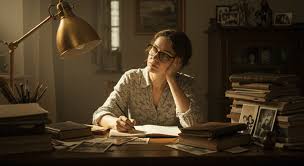
The bookstore shelves have become strange territories lately. Walk through any contemporary fiction section and you’ll notice something peculiar happening. Books that look like novels read like memoirs. Memoirs that feel like fiction. Authors using their own names as characters. Stories that feel uncomfortably intimate yet suspiciously polished. Welcome to the realm of autofiction, where the boundaries between what happened and what could have happened dissolve like sugar in hot coffee.
This isn’t entirely new, of course. Writers have always borrowed from their lives. But something shifted in the past couple decades. The borrowing became brazen. The intimacy became weaponized. The confession became art.
What Actually Is Autofiction
The term itself comes from French writer Serge Doubrovsky, who coined it in 1977 to describe his novel “Fils.” He needed a word for something that wasn’t quite autobiography, wasn’t quite fiction, but lived in that murky space between. Think of it as a literary love child nobody wanted to claim at first.
Autofiction takes the scaffolding of autobiography but refuses to be bound by factual accuracy. It uses the author’s real name, real life circumstances, real relationships, but allows itself the freedom to reshape, reimagine, and reinvent. The contract with the reader becomes deliciously unstable. You’re reading about the author’s life, probably, but which parts are true? Which moments have been stretched or compressed? Which conversations actually happened?
The genre thrives on this uncertainty. It makes readers complicit in a strange game where truth becomes less important than emotional authenticity. You might not know if the author really had that exact conversation with their mother, but you believe the feeling behind it.
The Rise of Radical Honesty
Something happened to our culture’s relationship with privacy. Social media trained us to broadcast our breakfast choices and relationship drama. Reality television made surveillance entertainment. Into this landscape, autofiction arrived like it had been waiting in the wings.
Karl Ove Knausgaard’s “My Struggle” hexalogy became the watershed moment many point to. Here was a Norwegian writer producing thousands upon thousands of pages about his unremarkable life. Brushing teeth. Changing diapers. Drinking beer. Feeling inadequate. The mundane elevated to epic scale. Critics called it revolutionary. His family called lawyers.
The books sold phenomenally. Readers devoured these chronicles of ordinariness because Knausgaard wrote about shame and failure and the gap between who we are and who we pretend to be. He exposed the performance of daily life, the constant self monitoring, the anxiety of existing. In an age of curated Instagram feeds, his relentless honesty felt like oxygen.
But Knausgaard also demonstrated autofiction’s ethical minefield. His uncle sued. His wife expressed deep reservations about her portrayal. Family members cut contact. The books raised uncomfortable questions about whose story belongs to whom. If your life intersects with mine, do I have the right to write about you? Where does my narrative freedom end and your privacy begin?
The French Masters of Memory
France has always had a different relationship with literary autobiography. Less puritanical, more philosophical. Annie Ernaux has been writing autofiction since before it was trendy, though she resists the label. Her slim, devastating books examine her working class upbringing, illegal abortion, affair with a younger man, mother’s dementia. She writes with a sociologist’s eye and a poet’s precision.
What makes Ernaux’s work autofictional rather than straight memoir? The way she positions herself as both subject and object. She refers to herself as “she” sometimes. She analyzes her younger self with clinical distance. She’s interested less in what happened than in what the happenings reveal about class, gender, time, France itself.
Her 2022 Nobel Prize in Literature validated autofiction as serious literary endeavor. The Nobel committee praised her courage and clinical acuity. They recognized that writing the self could be as rigorous and important as writing about anything else.
Emmanuel Carrère takes autofiction in yet another direction. His books blend reportage, memoir, and speculation. “The Adversary” investigates a real criminal case while examining Carrère’s own depression. “Lives Other Than My Own” processes grief through others’ stories. He positions himself within the narrative as a character, sometimes unreliable, always searching.
American Innovations
American autofiction tends toward the cerebral and metafictional. Ben Lerner’s trilogy of novels featuring characters named Ben Lerner who are poets from Topeka, Kansas writing autofictional novels examines authenticity and artifice with dizzying self awareness. These books think out loud about their own construction. They worry about appropriation and privilege and whether art matters.
Sheila Heti’s “How Should a Person Be?” presented itself as “a novel from life.” The book included real emails, real transcripts of conversations with friends, a protagonist named Sheila Heti. It asked big questions through small moments. How do we become ourselves? What do we owe our friends? Is life material?
These American practitioners often come from poetry backgrounds. They bring a poet’s attention to language, to rhythm, to the music of thought. Their books feel like extended thought experiments. They’re interested in process, in the making of meaning.
Rachel Cusk’s Outline trilogy revolutionized first person narration. Her narrator, a writer named Faye, mostly listens while others talk. The books accumulate confessions, stories, philosophies. Faye rarely reveals herself directly, yet the act of listening becomes a kind of self portrait. What we choose to hear, how we arrange what we’re told, these reveal character.
Cusk’s innovation was making autofiction about negative space. Her narrator exists in outline, defined by absence. This restraint made the books feel more intimate somehow, not less. Readers projected themselves into that listening space.
The Question of Truth
Here’s where things get philosophically sticky. Traditional memoir operates under an implied contract: this really happened. Readers forgive small inaccuracies, memory being unreliable, but expect essential truthfulness. Fiction makes no such promise. Read this as made up, it says, even if based on truth.
Autofiction refuses to sign either contract clearly. It wants the credibility of memoir and the freedom of fiction. This makes some readers deeply uncomfortable. They feel manipulated, unable to calibrate their response. Should I believe this? Does it matter?
Proponents argue that autofiction achieves a deeper truth precisely by admitting the impossibility of pure truth. Memory is fiction anyway. We reconstruct the past every time we recall it. We shape our experiences into narratives that make sense. Autofiction just admits what memoir pretends isn’t happening.
The counterargument points to exploitation and ethical laziness. If you’re going to expose your family, your lovers, your friends, shouldn’t you at least commit to accuracy? Changing details while keeping the emotional reality lets you have it both ways. You get confession’s power without accountability.
Some autofiction writers handle this through warning labels. Chris Kraus prefaces “I Love Dick” with acknowledgment that she changed some details. Others stay silent on the question. Others still, like Knausgaard, dare you to sue.
Why Now
Cultural critics offer various explanations for autofiction’s current dominance. The decline of privacy. Social media’s training in self exposure. Reality television’s normalization of surveillance. The marketplace’s hunger for authenticity in an age of fake news. The therapeutic culture’s elevation of sharing.
All probably true to some degree. But there’s also something about our historical moment’s uncertainty. Grand narratives have collapsed. We don’t trust institutions or authorities. The personal feels like the only thing we can know, maybe.
Autofiction also addresses fragmentation. Our lives don’t follow neat narrative arcs anymore. Careers zigzag. Relationships scatter across continents and time zones. Identity feels multiple, contextual, performed. Traditional narrative structures strain to capture this. Autofiction’s hybrid form mirrors our hybrid lives.
The genre also responds to questions about who gets to tell stories. For writers from marginalized communities, autofiction offers a way to claim narrative authority. This is my life, my experience, rendered as literature. The personal becomes political becomes aesthetic.
The Craft Question
Writing good autofiction is harder than it looks. Just because something happened doesn’t make it interesting. Real life lacks plot. Conversations meander. People contradict themselves. The everyday is genuinely boring most of the time.
Skilled autofiction writers know this. They shape their material ruthlessly. They compress time, heighten moments, cut the tedious parts. They find the pattern in the chaos. The result reads like life but improved, life with better rhythm and resonance.
Voice matters enormously. Since autofiction often lacks traditional plot machinery, the narrative voice carries everything. It has to be compelling enough to sustain hundreds of pages of what might otherwise be navel gazing. Knausgaard’s voice is obsessive and self laceration. Ernaux’s is cool and analytical. Heti’s is anxious and questing.
Detail selection separates amateur from accomplished. Which details carry weight? Which illuminate? Autofiction writers must choose what to include from the infinite material of a life. A successful book might span decades but linger on one afternoon, skip years in a paragraph, return again and again to a single conversation.
The Backlash
Not everyone loves autofiction. Critics complain about narcissism, solipsism, the tyranny of the first person. They argue the genre represents literature’s retreat from the world into the self. At a time when collective action matters urgently, why are we reading about privileged people’s feelings?
Others find the form ethically dubious. Writing about real people without their consent, some argue, is exploitation regardless of literary merit. Your pain is not your property to monetize when it involves others.
The gender dynamics get complicated. Women writing autofiction are often dismissed as self indulgent. Men writing autofiction get praised for courage and innovation. Knausgaard’s quotidian observations are genius. A woman writing the same is journaling.
There’s also reader fatigue. Once every third novel seems to be about a writer going through divorce or writers’ block or both, the form starts feeling less daring and more default. The innovations become conventions. The radical becomes routine.
Cross Cultural Perspectives
Autofiction manifests differently across cultures. In Latin America, it intersects with testimonio, a form of political witnessing. Writers like Valeria Luiselli blend personal narrative with social commentary, using the self as lens for examining immigration, violence, systemic injustice.
Japanese autofiction, or I novel, has deep roots. Writers like Mieko Kawakami and Sayaka Murata use autobiographical elements to explore alienation and social pressure. The confessional becomes a way to critique cultural expectations.
African writers are using autofictional techniques to process colonial trauma and contemporary chaos. Teju Cole’s “Open City” follows a Nigerian American psychiatrist wandering New York, thinking. The plot is minimal. The consciousness is everything. Personal history bleeds into historical meditation.
These international practitioners demonstrate autofiction’s flexibility. The form can carry different cultural concerns, different aesthetic priorities. It’s not inherently Western or individualistic, though those criticisms persist.
The Publishing Industry’s Role
Publishers love autofiction right now. It’s marketable. You can pitch it as memoir to people who read memoir, as literature to people who read fiction. The author becomes the brand. They can give confessional interviews. They’re already the subject, so book tours feel natural.
Autofiction also works for social media promotion. Writers share behind the scenes glimpses, blurring the line between book and life even further. The Instagram post about writing the book becomes material for the next book.
This commercial appeal makes some literary purists nervous. Has autofiction become trendy rather than necessary? Are writers choosing the form because it sells rather than because their material demands it? Hard to know. Probably both.
The market also shapes what kind of autofiction gets published. Traditionally published autofiction still tends toward educated, relatively privileged narrators. The working class autofiction that exists often comes from indie presses. The industry loves transgression, but only certain kinds.
Teaching and Learning Autofiction
Creative writing programs now teach autofiction as a legitimate form. Students learn about using real names, shaping lived experience, balancing truth and invention. Workshops debate ethics, aesthetics, whether changing your sister’s hair color constitutes meaningful protection.
Some instructors worry this encourages solipsism in young writers. Shouldn’t students be pushed to imagine beyond themselves? Others argue autofiction teaches crucial skills like voice, detail selection, structural innovation. The best autofiction requires as much craft as any fiction.
The form also appeals to students coming of age in the social media era. They’re already performing versions of themselves online. They understand multiplicity of self. Autofiction feels intuitive.
Digital Age Autofiction
The internet has created new autofictional spaces. Substacks blur memoir and essay. Twitter threads tell compressed life stories. TikTok creators build followings through confessional storytelling. These aren’t traditional autofiction, but they share the impulse.
Some writers are experimenting with hybrid forms. Tao Lin’s “Taipei” incorporated Gmail chats and drug dosages with obsessive precision. Jenny Offill’s “Dept. of Speculation” used fragments and white space, a structure borrowed from online reading.
The question becomes whether autofiction will absorb these digital influences or whether digital platforms will replace traditional autofiction entirely. Why publish a 300 page book about your depression when you can build an audience through weekly essays?
Where Memory Meets Invention
At its core, autofiction explores how we construct ourselves through narrative. We’re all unreliable narrators of our own lives. We emphasize certain moments, minimize others. We revise our motivations. We forget what doesn’t fit our preferred story.
Autofiction makes this process visible. It admits that the self on the page is always a character, even when it shares the author’s name and history. This honesty about dishonesty creates a strange intimacy. The reader enters into the making of meaning.
The best autofiction achieves something memoir can’t quite reach and fiction won’t attempt. It lives in the contradiction. It insists on the importance of individual experience while acknowledging that experience is always mediated, always constructed, always already fiction.
The Future of the Form
Where does autofiction go from here? Some predict it will exhaust itself, that readers will tire of other people’s lives rendered as literature. Others see it evolving, absorbing new technologies and concerns.
Younger writers are pushing the form in different directions. Raven Leilani’s “Luster” uses autofictional techniques to examine race, class, desire. Ocean Vuong’s “On Earth We’re Briefly Gorgeous” is technically a letter to his mother, blending poetry and memoir and fiction into something entirely its own.
The form might also fragment further. Already we see micro autofiction on social media, autofictional essays in magazines, hybrid books that refuse categorization. The boundaries keep blurring.
Climate change will likely influence future autofiction. How do you write the personal in an era of planetary crisis? Some writers are already grappling with this, using their lives as entry points into environmental catastrophe, using the domestic to illuminate the global.
Why It Matters
For all the debates and backlashes, autofiction has given us some of the most compelling literature of this century. It has expanded what’s possible in narrative. It has made space for voices and experiences previously excluded from literature.
Autofiction also responds to something real in our cultural moment. The collapse of certainty. The multiplication of selves. The hunger for connection in an isolated age. These books say: here is one person’s attempt to make sense of being alive right now. Maybe that’s enough.
The genre reminds us that all writing is autobiographical to some degree and all autobiography is fictional. These aren’t opposites but points on a spectrum. Autofiction just refuses to pretend otherwise.
Whether you love it or hate it, autofiction has changed contemporary literature. It has made the confession literary. It has turned the ordinary into art. It has asked hard questions about truth, privacy, ethics, craft. These questions won’t disappear even if the trend does.
The blurring of memoir and novel reflects a larger blurring in how we live. We perform ourselves on social media. We curate our lives. We tell stories about who we are, constantly revising them. Autofiction is just literature catching up with reality. Or maybe reality catching up with literature. The line keeps moving.