What gothic means now
Gothic fiction once meant crumbling castles and stormy nights and a lot of bad dreams in candlelight rooms. In the twenty first century the setting has shifted to crowded cities, decaying factories, failing suburbs and even sleek offices that somehow feel cursed. The mood remains a mix of fear, desire and uneasy fascination with whatever refuses to stay buried.
Critics often describe a post millennial gothic that crosses borders of nation and medium. This newer mode appears in novels, television, cinema and digital texts that treat ghosts and monsters as metaphors for trauma, inequality and unstable identities. The old machinery of terror now runs on contemporary fuel.
Why the gothic came back again
Every major revival of gothic writing has appeared in times of crisis or transition and the early twenty first century has offered plenty of both. Wars, terrorism, economic crashes, pandemics and climate threats have created a background hum of dread that suits gothic language very well. When the world feels unsafe readers often turn to stories that weave their fears into something they can at least follow to a last page.
Political turmoil and cultural polarisation also feed the return of gothic elements. Monstrous figures and haunted landscapes allow writers to stage conflicts about power, exclusion and otherness without flat slogans. The genre becomes a crooked mirror in which societies view the damage they would rather ignore.
Classic devices in new clothes
Contemporary novels still use the old tool kit of haunted spaces, family secrets, unstable narrators and intrusive pasts but the details look different. The isolated castle might become a luxury apartment block with locked floors or a prison like school hidden behind manicured lawns. The specter can be a historical atrocity that keeps returning in news footage and personal nightmares.
Writers also play knowingly with inherited conventions and sometimes mock them while using them. This self awareness turns the genre inward so that many texts are about the very act of telling gothic stories in a world saturated with horror images. Irony mixes with sincere unease and that tension gives the mode fresh energy.
New monsters for new anxieties
Traditional vampires and werewolves have not vanished but they now share the stage with more ambiguous forms of monstrosity. Contemporary criticism notes a posthuman gothic where altered bodies, genetic experiments and artificial intelligences replace the old supernatural creatures yet provoke similar fears of crossing boundaries. These figures reflect worry about what counts as human in a technological century.
At the same time zombies and epidemic narratives have multiplied as symbols of economic dispossession, social collapse and mass death. Their mindless repetition and contagious hunger map easily onto images of global consumer culture and viral catastrophe. The monster has become a crowd instead of a single lurking presence.
Identity, sexuality and the body
A striking feature of twenty first century gothic is its intense interest in gender, sexuality and embodiment. Many works explore queer desire through ghosts and doubles and present the closet itself as a haunted space that distorts every relationship. The monstrous feminine has also returned in stories where women’s anger and pain erupt as curses, avenging figures or unruly bodies.
These narratives often treat the body as a site of inscription for social pressures and personal trauma. Self harm, illness, surgery and transformation appear alongside more traditional images of possession or metamorphosis. Horror becomes a language for experiences that ordinary realism struggles to convey.
Ethnogothic and global perspectives
Recent scholarship emphasises ethnogothic forms that draw on Black diasporic, Asian, Indigenous and other marginalised traditions of the uncanny. In these works the ghost might not be a vague metaphor but the very real legacy of slavery, colonisation or cultural erasure. The haunted plantation or mission becomes a stage where the past literally refuses to stay in the ground.
Postcolonial gothic texts often use horror motifs to write back against imperial narratives and show how the coloniser becomes the true monster. Folk stories and local spirits that were once dismissed as superstition return as powerful tools for political memory and resistance. The comeback of gothic elements is therefore also a redistribution of who gets to speak within the genre.
Digital and technological gothic
The digital age has created its own haunted architectures in the form of networks, platforms and databases. Stories about cursed websites, sentient algorithms and data driven surveillance revive motifs of the forbidden book or secret passage but in online form. The uncanny arises when the seemingly neutral machine appears to know too much and act with opaque intentions.
Critics describe a digital gothic that focuses on loss of privacy, fractured attention and the fear that reality can be edited like media. Deep fakes, viral hoaxes and endless archives of personal images make the past strangely persistent and manipulable at once. The future feels ghosted by all the stored traces of earlier selves.
Space, ruin and environment
Urban gothic has flourished as writers explore abandoned shopping centres, derelict suburbs and half finished developments as new ruins. These landscapes showcase failed promises of prosperity and progress and they harbour both literal dangers and symbolic specters. The city itself becomes a labyrinth that confuses time and identity.
Environmental or eco gothic narratives push this focus outward to damaged ecosystems and unstable climates. Here the monstrous may be a toxic river, a disappearing coastline or a weather pattern that behaves like a vengeful presence. Humanity discovers that it is not the only or even the main character in the story.
Academia, archives and the gothic of knowledge
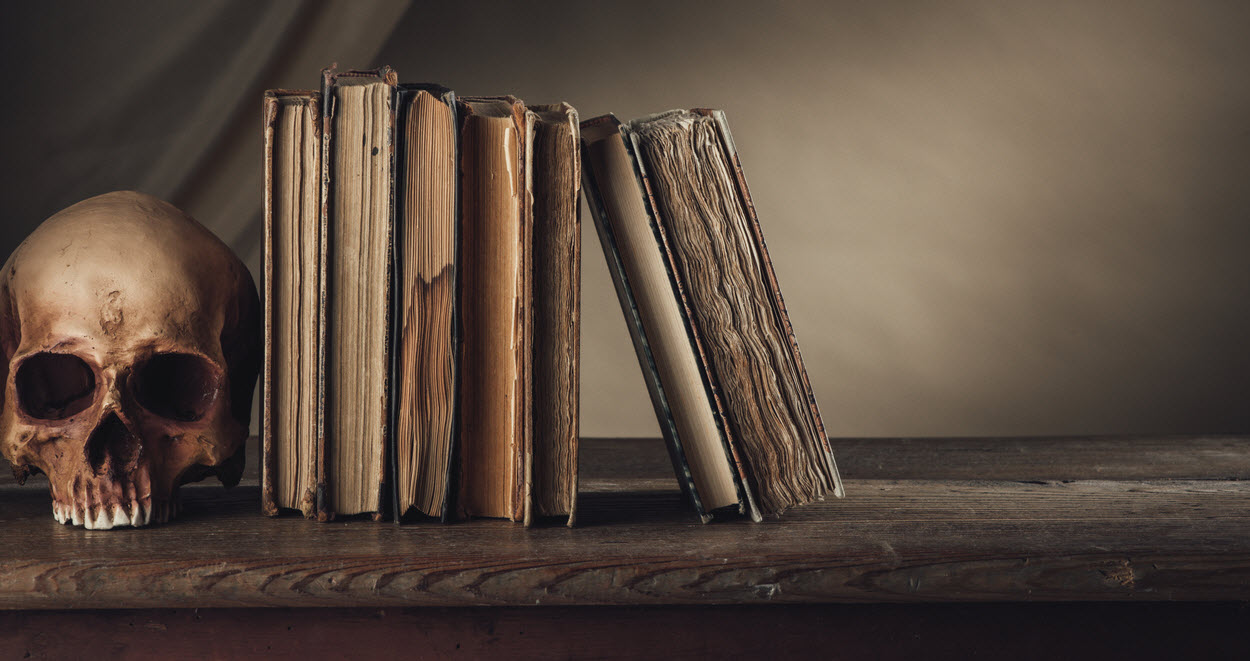
The popularity of secretive schools and elite institutions in recent fiction links to a tradition of scholarly gothic. Libraries, archives and research projects become dangerous spaces where forbidden knowledge threatens to consume the seeker. Dark academia blends intellectual ambition with moral decay and competitive cruelty.
At the same time the archive itself is treated as a haunted structure loaded with gaps and crooked classifications. What is missing or suppressed turns into a ghost that disturbs official histories and canonical lists. This strain of gothic writing asks who controls memory and who gets left out of the record.
Trauma, memory and the self
Many twenty first century narratives use gothic techniques to depict psychological trauma and fractured memory. Unreliable narrators, looping plots and recurring images mirror the way traumatic events resist integration into a coherent personal story. The haunting comes from inside the mind but remains entangled with social conditions.
Such texts often avoid neat explanations for strange occurrences and leave readers uncertain whether the supernatural is real or a symptom. That uncertainty echoes debates about diagnosis, responsibility and the politics of belief in contemporary culture. Ambiguity becomes a deliberate ethical choice rather than a mere puzzle.
Comparing classic and contemporary gothic
The relationship between older gothic and twenty first century versions can be sketched along several overlapping lines.
| Aspect | Earlier gothic fiction | Twenty first century fiction |
| Typical setting | Castles, monasteries, remote estates | Cities, suburbs, digital spaces, global peripheries |
| Central fears | Supernatural damnation, aristocratic tyranny, sexual transgression | Systemic injustice, technological control, ecological collapse, identity crisis |
| Monsters | Ghosts, vampires, demons, mad scientists | Posthuman bodies, corporations, algorithms, viral outbreaks alongside classic monsters |
| Social focus | Individual virtue versus corruption, family curses | Collective trauma, race, gender, migration, capitalism |
| Narrative stance | Often moralising, sometimes naive about power | Self conscious, intertextual, frequently political and critical |
Hybrids and cross genre experiments
Another mark of the current revival is the willingness to mix gothic elements with crime, romance, science fiction, fantasy and literary realism. A detective story might slowly reveal a cursed lineage or a time travel plot might become a meditation on haunting and regret. These crossings expand the audience without diluting the core mood of unease.
Some writers also merge gothic with the so called new weird and other experimental modes that resist clear classification. Their texts cultivate strangeness rather than simple shock and may withhold both rational and supernatural explanations. The result is a growing field of work that feels gothic even when it avoids traditional trappings.
Global markets and popular culture
The renewed presence of gothic motifs also reflects shifts in publishing and media industries. Global distribution and online communities make it easier for niche interests to find readers who enjoy eerie atmospheres and morally complex plots. Television series, streaming platforms and game franchises reinforce these tastes and encourage novelists to engage with overlapping audiences.
Marketing categories such as supernatural thriller, dark fantasy and psychological suspense often rely on gothic structures even when the term is not foregrounded on the cover. This broad circulation ensures that gothic affects mainstream storytelling, from young adult markets to prize winning literary fiction. The genre survives partly by hiding in plain sight.
Critics, theory and academic interest
Scholarly attention to twenty first century gothic has grown steadily with major companions and monographs mapping the field. These studies highlight topics such as queer identity, digital media, posthumanism and ethnogothic writing as key areas of development. The ongoing debate helps stabilise the idea that there really is a significant contemporary wave rather than scattered isolated works.
One argument that appears in recent criticism is that gothic forms reveal how distorted the supposedly normal world has become. Instead of plunging characters into an exceptional nightmare, the texts show that everyday social arrangements are already haunted by structural violence and historical denial. In this view the genre functions as a diagnostic tool.
Why the gothic still matters
The comeback of gothic elements in twenty first century fiction suggests that readers need complex languages for fear, grief and desire that ordinary realism cannot fully supply. Hauntings and monsters make the intangible pressures of late modern life visible and sometimes even strangely beautiful. They allow painful truths to be approached at an angle.
At the same time the newer gothic amplifies voices that earlier periods silenced, including colonised communities, queer subjects and people living with long term precarity. Their experiences appear as both symptoms and sources of haunting in narratives that refuse easy consolation. The gothic house has opened more doors and not all of them will close again.