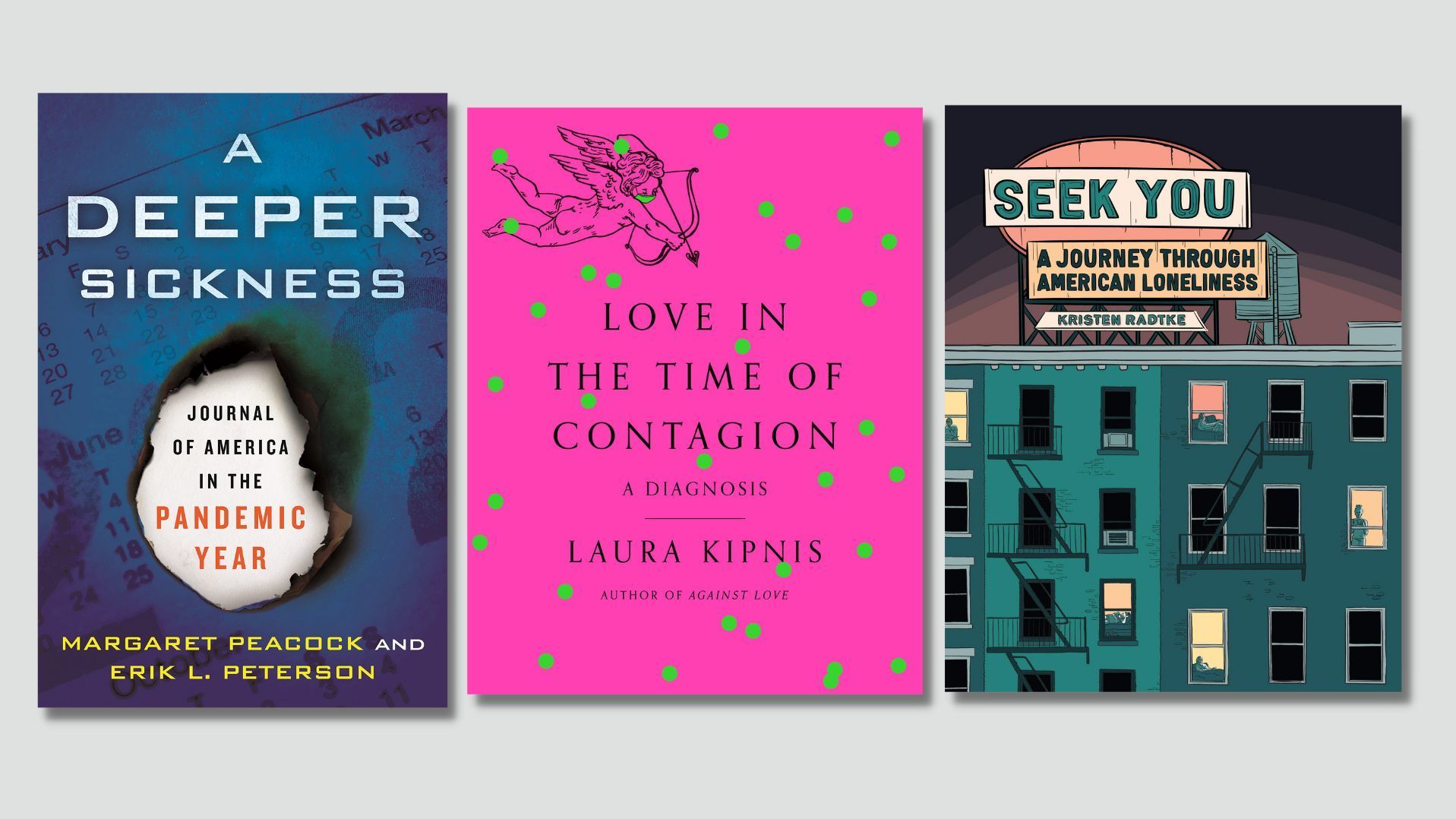
The global pandemic fundamentally reshaped how humans live, grieve, love and fear. Literature, as it always does, responded. But what has emerged in the years since 2020 is not a singular narrative about masks and lockdowns. Instead, writers across the globe have produced a sprawling and sometimes contradictory body of work that tries to make sense of a moment many of us are still struggling to understand. These books dont just describe what happened. They ask what it meant and what we became because of it.
The Strange Privilege of Boredom
One of the more unexpected themes running through post pandemic fiction is the exploration of privilege. Not wealth exactly, though that factors in. More specifically, writers have zeroed in on the strange guilt that came with having time and space to think while others were dying. Gary Shteyngarts Our Country Friends, one of the earliest and most celebrated pandemic novels, captures this perfectly. A group of friends retreats to a country house during the early days of lockdown. They drink wine, they argue about art, they fall in and out of love. Meanwhile the world burns. The novel doesnt excuse this behavior but it also doesnt condemn it. Instead it observes with a kind of painful honesty the way some people were able to build bubbles while others had no such option.
This theme recurs in numerous works from the period. Characters in pandemic novels are often writers or academics or people in creative industries. They have jobs that can be done from home. They have second homes or at least friends with second homes. And they spend much of their time wondering whether they should feel bad about any of this. The guilt becomes a character unto itself, shaping decisions and straining relationships. Some books handle this better than others. The less successful ones can feel like exercises in navel gazing, writers writing about writers worrying about writing. But the best of them use privilege as a lens to examine larger questions about who matters in a crisis and why.
Nell Freudenbergers The Limits is one such work that examines how different lives intersected during the pandemic and how uneven the experience was depending on where you stood. The novel follows multiple characters whose pandemic experiences could not be more different, highlighting the vast disparities that the virus exposed. These books understand that the pandemic was not a great equalizer despite what early commentators claimed. It was instead a magnifying glass, making existing inequalities impossible to ignore.
Isolation and the Discovery of Self
Perhaps no theme is more central to pandemic literature than isolation. This makes obvious sense. For many people the pandemic meant weeks or months or even years of reduced human contact. Writers have approached this enforced solitude from multiple angles. Some treat it as a crucible, a pressure cooker environment that forces characters to confront truths about themselves they might otherwise avoid. Others view it as a kind of slow erosion, showing how loneliness chips away at identity over time.
Sarah Moss’s The Fell offers one of the more harrowing treatments of pandemic isolation. The novel follows a woman named Kate who breaks lockdown rules to take a walk on the moors and ends up falling and injuring herself, unable to move or contact anyone. What begins as pandemic boredom becomes something much more primal. The claustrophobia of lockdown transforms into genuine physical danger. Moss handles the psychological dimensions of isolation with remarkable skill, showing how quickly the mind can spiral when cut off from others.
But isolation in pandemic literature isnt always negative. Some books explore the way solitude can become a space for reflection and even growth. The enforced pause of lockdown gave characters and presumably readers time to examine their lives in ways that busy modern existence rarely allows. Clare Pollards Delphi follows a classics professor who becomes obsessed with ancient prophecies during lockdown, using her research as both escape and a way to process the uncertainty around her. The novel suggests that isolation can be generative even when its terrifying.
What these works share is an understanding that being alone with yourself is different from being alone. Many pandemic novels feature characters who are technically not isolated at all. They have partners, children, roommates. But emotional isolation proves just as significant as physical separation. The pandemic forced people into close quarters with family members they barely knew, exposed the cracks in relationships that could previously be papered over with activity and distraction. Several novels explore this claustrophobic intimacy, showing how proximity without connection can be its own form of loneliness.
Grief Without Closure
The pandemic created new forms of grief. People died alone in hospitals. Funerals were conducted over video calls or not at all. Survivors were denied the rituals that normally structure mourning. This unprocessed grief runs like a dark thread through much of the literature that has emerged since 2020.
Louise Erdrichs The Sentence, while not strictly a pandemic novel, uses the COVID period to explore how loss accumulates and how the dead make claims on the living. Set in a Minneapolis bookstore, the novel deals with a ghost that appears during the pandemic, suggesting that the barrier between living and dead has grown thin. The metaphor is clear enough. When we cannot properly bury our dead, they linger. When grief is interrupted, it finds other outlets.
Elizabeth Strouts Lucy by the Sea takes a more direct approach to pandemic grief. The novel follows Lucy Barton as she weathers lockdown in a coastal Maine town, watching the death toll climb and trying to process her own complicated feelings about family and mortality. Strout writes about grief with her characteristic precision, capturing the way it can feel both overwhelming and strangely mundane. Her characters dont collapse under the weight of loss. They make dinner. They take walks. They have the same petty arguments they always had. And yet something has shifted. The ground beneath their feet feels less stable.
What distinguishes pandemic grief in literature is often its diffuse quality. Characters mourn not just specific deaths but the loss of a way of life, the death of assumptions about safety and predictability. Some novels deal with collective grief, the way communities mourned together even when they couldnt gather. Others focus on the private dimensions of loss, showing how grief isolates even as it connects us to others who have suffered similarly.
The Body Betrayed
Disease forced people to think about their bodies in new ways. Suddenly everyone was aware of surfaces, of breath, of the invisible particles that might be carrying death. This heightened body consciousness appears throughout pandemic literature, sometimes as anxiety and sometimes as a kind of wonder at the physical machinery that keeps us alive.
Several novels explore the experience of illness itself, though this remains surprisingly underrepresented given how many people got sick. Perhaps the experience is too recent, too raw. Or perhaps there is simply something unnarratable about fever dreams and oxygen deprivation. The novels that do tackle illness directly tend to focus on the before and after rather than the during. Characters remember who they were before they got sick. They struggle to recognize themselves in the aftermath.
But the body in pandemic literature is not only a site of disease. It is also a site of pleasure, of desire, of connection. Several books explore how physical distancing affected intimacy. Some couples in these novels grow closer, their enforced proximity forcing a kind of honesty that was previously impossible. Others drift apart, the absence of touch creating a gulf that words cannot bridge. The handshake, the hug, the casual touch on the arm. These small physical gestures that we never thought about suddenly became weighted with meaning and danger.
Jodi Picoults Wish You Were Here uses the body as a central metaphor, following a woman who falls ill and enters a kind of liminal space between life and death. The novel plays with reality and hallucination in interesting ways, suggesting that illness altered not just bodies but perception itself. For months or years after recovery, many COVID survivors reported a changed relationship with their physical selves. Literature is still working through what this means.
Technology as Lifeline and Prison
The pandemic accelerated a shift toward digital life that was already underway. Suddenly work, school, socializing, even healthcare happened through screens. Pandemic literature reflects this transformation, though writers approach technology with deep ambivalence.
On one hand, technology is often portrayed as what made survival possible. Characters in these novels would have been far more isolated without video calls and social media. They maintain relationships across distance, they work, they stay informed. The tools that critics once dismissed as shallow time wasters became essential infrastructure.
But technology in pandemic literature is also a source of anxiety and alienation. Characters spend hours doom scrolling, watching case counts rise and reading conflicting information. The endless stream of bad news creates its own kind of trauma. Several novels capture the particular exhaustion of trying to stay connected through screens, the way video calls drain energy in a manner that in person interaction does not. The pandemic revealed the limits of digital substitutes for physical presence.
There is also a generational dimension to how technology appears in these books. Younger characters tend to navigate the digital landscape with more ease. Older characters struggle and sometimes give up entirely. This gap creates misunderstandings and resentments that mirror real tensions many families experienced during lockdown. A grandmother who cannot figure out Zoom becomes a symbol of everything the pandemic made impossible.
Some novels use technology as a structural element, incorporating text messages and emails and social media posts into their narratives. This technique, which felt gimmicky before the pandemic, now seems almost necessary. How can you capture this period without showing how people actually communicated.
The Natural World Reclaimed
While humans hid inside, nature continued. Videos of animals wandering through empty city streets circulated widely during lockdowns. The air grew cleaner. For a brief moment it seemed possible to imagine a world healing in our absence. This ecological dimension appears throughout pandemic literature, though it often carries a complicated emotional charge.
Some novels treat the flourishing of nature during lockdown as a source of hope. Characters who have been grinding away at urban lives suddenly notice birdsong, watch plants grow, reconnect with rhythms they had forgotten. These moments of natural beauty provide respite from the grimness of the news. They suggest that something larger than human concerns continues regardless of what we do.
But the ecological subtext of pandemic literature is not always comforting. Many books draw explicit connections between the pandemic and climate change, suggesting that COVID was a warning shot, a preview of worse disasters to come. The same human behaviors that created conditions for the virus to jump to humans are also driving the planet toward catastrophe. This ecological anxiety runs through contemporary fiction more broadly, but the pandemic gave it new urgency.
Several novels set during the pandemic grapple with what scholars call eco anxiety, the chronic dread that comes from awareness of environmental destruction. Characters who might previously have ignored climate warnings find their defenses weakened. If a virus can upend everything so quickly, what else might be coming. The pandemic functioned as a kind of dress rehearsal for future catastrophes, and literature has begun to process this implication.
There is also a strand of pandemic fiction that explores how the virus affected different communities relationship with land and nature. Indigenous writers in particular have connected the pandemic to longer histories of disease and displacement, showing how ecological and colonial violence intertwine. These works remind readers that epidemic disease is not new and that its impacts have always fallen unevenly.
Children and the Lost Years
What happens to children who spend crucial developmental years isolated from their peers. This question haunts pandemic literature, particularly in novels focused on family life. Parents in these books worry constantly about their children. Are they falling behind. Are they lonely. Are they developing in ways that will mark them forever.
Some novels approach this through the childs perspective, trying to capture what lockdown felt like to someone too young to understand why the world suddenly changed. These books tend to be the most poignant, showing how children make sense of chaos through imagination and play. A child in one such novel creates an elaborate fantasy world during lockdown, populating it with friends she cannot see and adventures she cannot have. The creativity is touching but also heartbreaking.
Adult characters in pandemic novels often experience profound guilt about what they are inflicting on their children. They know that screens are not good for developing brains. They know that children need socialization. But what choice do they have. This helplessness is one of the more raw emotions explored in pandemic literature. Parents who are used to protecting their children discovered that they could not protect them from this.
There is also a strand of young adult literature that deals directly with the pandemic, though this is still emerging. These books face the challenge of writing for an audience that lived through the events described. Teenagers who spent high school in lockdown do not need to be told what it felt like. They need something else from literature, perhaps a way to make meaning of experience or perhaps simply acknowledgment that what happened was real and significant.
Essential Workers and Invisible Labor
The pandemic revealed how much of society depends on labor that is normally invisible and undervalued. Grocery store clerks, delivery drivers, healthcare workers, the people who kept everything running while others stayed home. Literature has begun to tell their stories, though this thread of pandemic fiction is still developing.
These books often have an angry edge. Characters who worked through the pandemic while being called heroes but treated as expendable have a lot to say about the gap between rhetoric and reality. The applause that greeted healthcare workers in the early days of the pandemic gave way to harassment and burnout. The essential workers who risked exposure every day often made minimum wage and had no sick leave. Literature captures this contradiction with increasing sharpness.
Some of the most powerful pandemic fiction focuses on the particular experiences of immigrants and workers in exploitative industries. Meatpacking plants became notorious hotspots. Nursing homes were devastated. The people who worked in these places were disproportionately people of color, often with few other options. Their stories are beginning to appear in fiction, though there is surely much more to come.
There is also a class dimension to these narratives. The people who could work from home were overwhelmingly white collar professionals. The people who could not were doing the work that actually keeps society functioning. This division, which many people experienced directly, has become a significant theme in pandemic literature. Characters on both sides of the divide grapple with guilt, resentment, and the uncomfortable recognition of how stratified their society really is.
Love in the Time of COVID
Romantic relationships occupy a central place in pandemic literature, as they do in literature generally. But the pandemic created new pressures and possibilities for love. Couples who had been casually dating suddenly faced decisions about whether to lockdown together. Long distance relationships became even longer distance. Dating apps offered connection but also risk.
Several novels explore relationships that were formed or tested during the pandemic. Some of these are fundamentally optimistic, showing how crisis can accelerate intimacy and strip away pretense. When you are locked in a house with someone for months, you learn who they really are. This can destroy relationships or forge them stronger. Both outcomes appear in pandemic fiction.
Other novels are grimmer about love during the pandemic. They show couples who discovered they had nothing to say to each other once the distractions of busy life fell away. They show the slow erosion of desire when partners see too much of each other. They show infidelity conducted through screens and fantasies that substitute for unreachable reality.
The romance genre, which has surged in popularity since the pandemic, offers a counterpoint to these bleaker visions. Romance novels set during COVID tend to find hope even in darkness. Couples meet cute despite masks and distancing. Love conquers viral load. These books serve an important function for readers seeking escape and reassurance. They insist that connection is still possible, that happy endings still exist. Literary fiction may be more ambivalent about such conclusions, but the persistence of romance suggests a collective hunger for stories that end well.
The Question of Meaning
Underlying all these themes is a deeper question that pandemic literature keeps circling. What does any of this mean. How do we make sense of mass death and disruption. Is there a lesson we are supposed to learn, or is the pandemic just one more random catastrophe in a universe indifferent to human suffering.
Different books answer this question differently. Some find meaning in small moments of connection and kindness. Others refuse the consolation of meaning entirely, insisting that we sit with the senselessness. A few venture into spiritual territory, exploring how the pandemic affected religious faith and practice.
Yahia Lababidis Quarantine Notes, written throughout the pandemic, attempts to distill the period into aphorisms about mortality and meaning. As he notes, the pandemic served as an enforced mass meditation, though its lessons have hardly been digested as society rushed back to normal. This observation captures something important about where we are now. The pandemic is over in some official sense, but we have not processed it. Literature is one of the tools we use for such processing, but the work is far from complete.
Perhaps it is too early for the definitive pandemic novel, the work that will come to represent this period the way The Plague represents earlier outbreaks. Some critics argue that we are still too close to the events, that distance is necessary for art. Others counter that literature written in the heat of crisis has its own validity. Both views have merit.
What seems clear is that the pandemic has permanently altered the landscape of world literature. Themes that were peripheral have become central. Questions that seemed abstract became urgent. And a generation of writers has been marked by an experience that, for all its horrors, provided rich material for fiction.
The books that emerge in the coming years will continue to grapple with what happened. Some will look backward, trying to capture the texture of life during lockdown. Others will look forward, exploring the long tail of pandemic effects on individuals and societies. The best will do both, showing how the past shapes the future and how we carry our experiences with us even when we want to forget.
Literature cannot heal the wounds the pandemic inflicted. It cannot bring back the dead or restore the years that were lost. But it can bear witness. It can help us understand experiences that were too overwhelming to process in the moment. And it can connect us to others who suffered similarly, reminding us that we were never as alone as we felt.
The post pandemic literary landscape is still taking shape. New voices are emerging and established writers are finding new directions. The full accounting of what the pandemic meant for literature will take decades to complete. But already it is clear that this period has been one of the most generative and challenging in recent memory. Out of crisis, as always, comes art. What remains to be seen is what kind of art it will ultimately be.