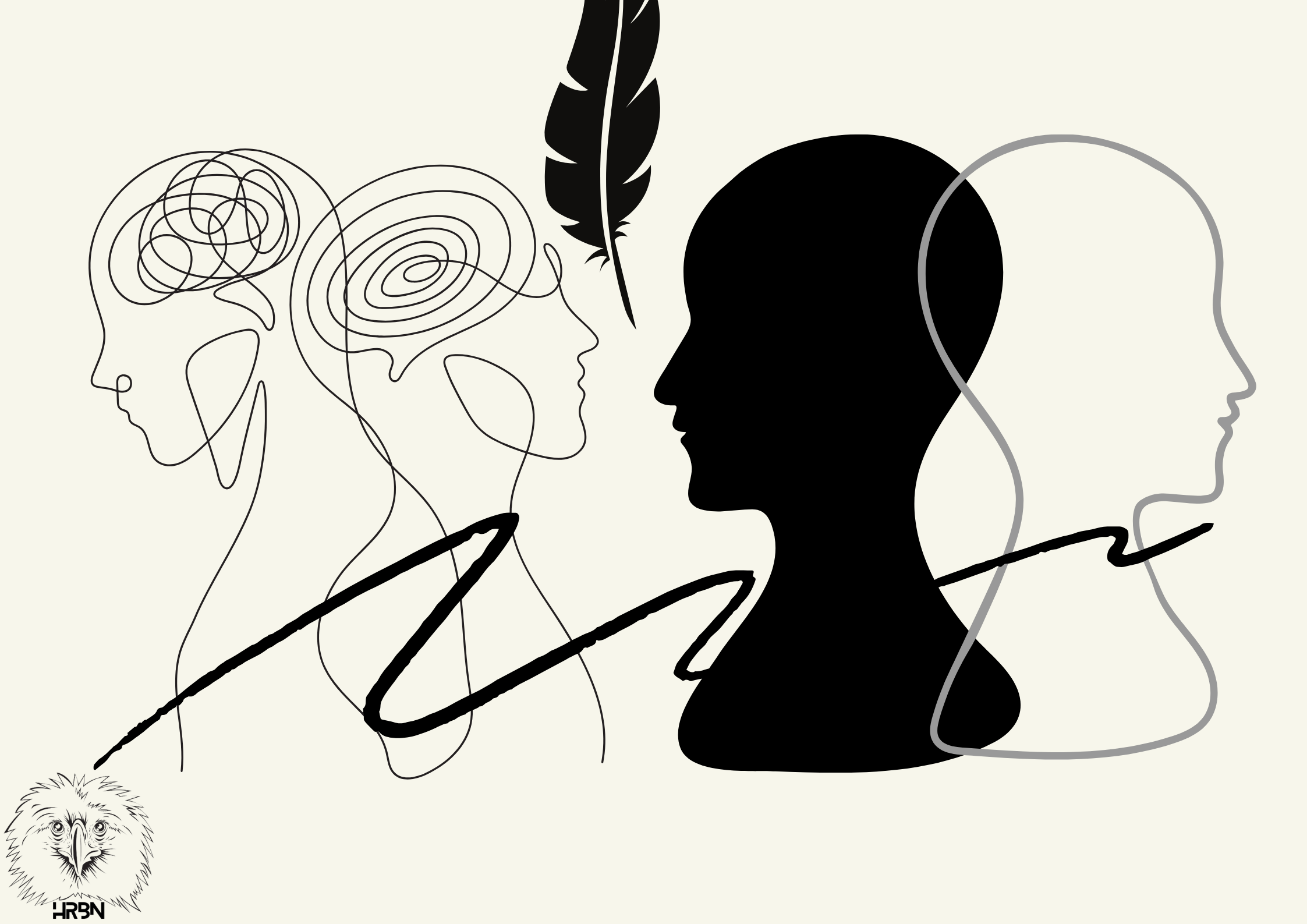
There was a time when books for teenagers shied away from anything too real. Mental illness was whispered about in hallways, not explored on pages. But something shifted in the early 2000s. Authors began writing characters who didnt just face external monsters or dystopian governments. They faced the ones inside their own minds.
The twenty first century has witnessed an explosion of young adult novels tackling depression, anxiety, obsessive compulsive disorder, eating disorders, and more. These books are not niche anymore. They sit on bestseller lists and get adapted into films and television series. The conversation has changed because the literature changed first.
Why This Shift Happened
Teenagers today are dealing with mental health challenges at unprecedented rates. Studies show rising levels of anxiety and depression among adolescents, and the factors contributing to this are complex. Social media, academic pressure, economic uncertainty, and a pandemic that disrupted formative years have all played their part. YA literature stepped into this space because young readers needed stories that reflected their internal struggles.
Publishers took notice. There was money to be made, sure, but there was also genuine demand. Teens wanted characters who understood what it felt like to have intrusive thoughts at 2 am or to feel so numb that getting out of bed seemed impossible. The genre responded with books that didnt look away from the darkness.
This wasnt just about entertainment. Research suggests that reading about characters navigating mental health challenges can foster empathy and reduce stigma among young readers. When a teenager sees a protagonist go to therapy and it actually helps, that normalizes help seeking behavior. When a character admits they need medication and the narrative doesnt treat this as weakness, it sends a message.
The Early Groundbreakers
Before diving into the current landscape, its worth acknowledging the books that paved the way. Laurie Halse Andersons Speak, published in 1999, dealt with trauma and its aftermath in ways that felt revolutionary. It wasnt technically a twenty first century novel, but its influence echoed through everything that came after.
Then came Ned Vizzinis Its Kind of a Funny Story in 2006. The novel follows Craig, a high achieving teenager who checks himself into a psychiatric hospital after contemplating suicide. Vizzini drew from his own hospitalization, and the book resonated deeply with readers. It showed that mental illness could affect anyone, even kids who seemed to have it all together. The tragedy of Vizzinis own death by suicide in 2013 added a painful dimension to how readers understood his work.
The late 2000s and early 2010s brought more voices into the conversation. Wintergirls by Laurie Halse Anderson tackled anorexia with unflinching honesty. Lia, the protagonist, struggles with an eating disorder while grieving her best friend who died from the same illness. Anderson didnt sugarcoat anything. The prose itself felt fractured, mirroring Lias deteriorating mental state.
These books established something important. YA could go to dark places without being exploitative. It could show the reality of mental illness while still offering readers something to hold onto.
The Controversial Ones
Not every attempt at mental health representation has been praised. Jay Ashers Thirteen Reasons Why, published in 2007, became a cultural phenomenon, especially after Netflix adapted it into a television series in 2017. The story follows Hannah Baker, who leaves behind cassette tapes explaining why she died by suicide.
Mental health professionals raised serious concerns. The narrative structure positions suicide as a form of revenge, a way for Hannah to finally be heard. Critics argued this could glamorize the act, making it seem like a powerful statement rather than a tragic loss. The explicit depiction of Hannahs death in the Netflix adaptation sparked intense debate. Some studies suggested a correlation between the shows release and increased suicide rates among teens, though the research is complicated and contested.
Jennifer Nivens All the Bright Places faced similar scrutiny. Published in 2015, the novel tells the story of Finch and Violet, two teenagers who meet on a bridge, both seemingly contemplating jumping. Its a love story wrapped around mental illness, and thats where some problems emerged. Critics felt the book sometimes prioritized the romance over the realistic portrayal of mental health treatment. Finch, who struggles with what appears to be bipolar disorder, doesnt receive adequate help, and the ending feels inevitable in a way that some found troubling.
These controversies matter because they highlight the responsibility authors carry. When youre writing for an audience that may be experiencing the exact struggles youre depicting, the stakes are higher. How you end the story, how you portray treatment, whether you show hope or despair. All of it carries weight.
John Green and the OCD Revolution
If theres one book that shifted the conversation in recent years, its Turtles All the Way Down by John Green, published in 2017. Green is open about his own obsessive compulsive disorder, and he channeled that experience into Aza Holmes, a sixteen year old whose intrusive thoughts spiral relentlessly.
The book doesnt just mention OCD as a character trait. It puts readers inside Azas head. You experience the thought spirals with her, the way one worry leads to another leads to another until shes convinced she might not even be real. Green described it as writing about what it feels like when your brain wont let you escape a particular fear.
What makes Turtles stand out is its refusal to offer easy resolution. Aza doesnt get cured. She learns to manage, to live alongside her disorder rather than defeat it. This felt honest in a way that earlier YA novels sometimes didnt. Mental illness isnt always a villain to be vanquished. Sometimes its a chronic condition you carry with you.
The book also portrayed therapy positively. Azas therapist isnt a perfect savior figure, but shes helpful. She gives Aza tools. The medication discussions feel real, not preachy. Green managed to write a book that was both deeply personal and universally resonant.
Diversifying the Conversation
Early mental health YA had a representation problem. Many of the protagonists were white, middle class, and straight. Their struggles were valid, but they didnt reflect the full spectrum of young readers experiences.
This has been changing, though perhaps not fast enough. I Am Not Your Perfect Mexican Daughter by Erika L. Sanchez, published in 2017, follows Julia, a Mexican American teenager dealing with depression and grief after her sisters death. The book explores how cultural expectations and family dynamics intersect with mental illness. Julias mother doesnt understand depression the way a therapist might. Theres stigma within the community, pressure to be the perfect daughter, and the added weight of being a child of immigrants.
Books featuring LGBTQ protagonists with mental health struggles have also gained visibility. The challenges of coming out, facing discrimination, and navigating identity can all impact mental wellbeing. Authors are exploring these intersections with increasing nuance.
Still, gaps remain. Stories centering disabled queer characters who arent white are harder to find. Publishing has biases, and the more intersectional a story becomes, the more niche publishers sometimes consider it. Readers and advocates continue pushing for broader representation.
Eating Disorders and Self Harm
These remain some of the most difficult topics for YA to handle well. Eating disorders are tricky to write about because the very details that make a portrayal realistic can also be triggering or even instructive for vulnerable readers. How do you show the reality of anorexia without inadvertently providing tips?
Wintergirls walked this line carefully but still drew criticism from some who felt it could be harmful. Other authors have attempted the topic with varying success. The key seems to be focusing on the emotional experience rather than the physical specifics. What does it feel like to be controlled by these urges? What drives them? How does recovery actually work?
Self harm representations have also increased. Kathleen Glasgows Girl in Pieces follows Charlie, a seventeen year old dealing with cutting and the aftermath of trauma. The book is raw and doesnt shy away from the pain, but it also centers Charlies survival instinct. Shes not just a victim. Shes fighting to rebuild herself.
These books serve an important function. They tell readers who are struggling that they are not alone, that others have walked this path and found their way through. But the authors responsibility is enormous. Getting it wrong can do real harm.
The Role of Therapy in Modern YA
One of the most significant shifts in twenty first century YA has been the normalization of therapy. Earlier books often treated mental health professionals with suspicion. Therapists were sometimes portrayed as clueless adults who didnt understand teenagers or as obstacles to be overcome.
Contemporary YA has largely moved past this. Therapy is often depicted as helpful, even essential. Characters go to counseling and it actually makes a difference. They learn coping strategies, process trauma, and develop self awareness. This reflects broader cultural shifts toward accepting mental health treatment as normal rather than shameful.
Medication is handled more carefully now too. Earlier narratives sometimes presented psychiatric medication as turning characters into zombies or numbing their true selves. More recent books acknowledge that medication can be life saving, even while showing that finding the right treatment takes time and adjustment.
This matters because teenagers absorb messages from the media they consume. If every book portrays therapy negatively, thats a barrier to help seeking. If novels show that asking for help is a sign of strength, that has real world impact.
The Impact on Young Readers
Research into bibliotherapy, using literature as a therapeutic tool, suggests that reading about characters with mental health challenges can benefit young people. It can reduce feelings of isolation, provide language for experiences that are hard to articulate, and model healthy coping behaviors.
Surveys of YA readers indicate that many find these books genuinely helpful. Seeing a character navigate anxiety or depression with some success, even partial success, can be encouraging. It offers hope without promising easy answers.
Of course, books arent a substitute for professional help. A novel cant diagnose or treat. But it can be a first step, a way of recognizing that what youre feeling has a name and that others have felt it too. It can lower the barrier to having a conversation with a parent, teacher, or counselor.
There are risks too. Poorly handled representations can reinforce stigma or present mental illness in glamorized or inaccurate ways. The suicide contagion concerns around Thirteen Reasons Why are a serious reminder that media influences behavior. Authors, publishers, and educators have to be thoughtful about what they put into the world and how.
Looking Forward
The landscape continues to evolve. Authors are pushing for more nuanced portrayals, moving beyond the “issue book” format where mental illness is the entire plot. Characters can have depression and also go on adventures, fall in love, solve mysteries. Their mental health is part of who they are, not the only thing about them.
Theres growing emphasis on recovery and resilience rather than tragedy. Contemporary YA is more likely to end with a character actively managing their mental health rather than dying or being miraculously cured. This feels more honest to the reality of living with these conditions.
Intersectionality is becoming more central. How does mental health intersect with race, sexuality, disability, economic status? Authors are exploring these questions with greater depth. The best books recognize that a characters mental health doesnt exist in a vacuum. It interacts with every other aspect of their identity and circumstances.
Technology and social medias impact on teen mental health is another emerging theme. Novels are starting to explore how online life affects wellbeing, from cyberbullying to the pressure of constant comparison. This reflects the reality that todays teenagers are navigating challenges their parents never faced.
The conversation isnt finished. There are still underrepresented conditions, voices that havent been heard, stories that havent been told. But the progress over the past two decades is real. Young adult literature has become a space where mental health is discussed openly, honestly, and with genuine care for the readers who need these stories most.
Whether its Aza spiraling through her obsessive thoughts, Julia trying to live up to impossible expectations, or Charlie piecing herself back together, these characters remind young readers that struggling doesnt mean failing. That asking for help is brave. That the story doesnt end with the darkness.
Thats what the best mental health representation in YA does. It says, I see you. I understand. And it gets better. Not perfect. Not easy. But better. And sometimes, for a teenager sitting alone in their room wondering if anyone gets it, thats exactly what they need to hear.